

When we were looking to make the big move from the US to France, we gathered as much information as we could to find out about the cost of living here. There’s a “budget” tab above on this page that shows what we spend monthly and it remains one of the most popular topics for people who read the blog. What we don’t address, however, is what we used to pay back in Atlanta but considering that was over 10 years ago I don’t think that it would be relevant anyway. One person who does do exactly that is Jean-Noël, a Frenchman who now lives in upstate New York where he makes comparisons between Normandy and Ithaca.

In his JeanUSA YouTube channel video, “USA vs France : qui a vraiment le meilleur pouvoir d’achat ?” (Who really has the better purchasing power?) Jean-Noël looks at a number of topics, some with dollar amounts and others with qualitative remarks. He argues that in the US, you have the freedom to choose what you pay for, but you carry the stress of ‘what if?’ In France, Jean-Noël feels that the choice is taken away through high taxes, but it’s replaced by the peace of mind that a health crisis won’t result in bankruptcy. His other thoughts, at a glance:
| Topic | USA | France |
| Salaries | High: $5,000–$7,000+ median monthly; fast growth. | Moderate: €2,000 median; slow growth; high minimum wage. |
| Taxes | Lower: Primarily federal; state taxes vary (some states have 0%). | High: Significant social contributions deducted at source. |
| Healthcare | Private and Expensive: High premiums (he pays $876/mo with a $5,000 deductible.) | Public/Included: Covered by taxes; universal access with minimal out-of-pocket. |
| Housing | Expensive/Large High rents (he pays $2000/mo); high property taxes ($800/mo on his $300k rental house, if he were the owner) | Smaller & Protected: Rent controls in many cities; lower property taxes. |
| Education | Very Costly: $25k–$60k/year for university; quality depends on the neighborhood. | Free/Low Cost: Public schools and universities are nearly free. |
| Food | Extreme Gap: Cheap “junk food” vs. very expensive high-quality/organic food (He pays $1,000/mo). | High Quality: Better access to fresh, quality products at reasonable prices. |
| Transport | Car Dependent: Low gasoline prices ($40/tankful) but high mileage required. | Public Transport: Better infrastructure; expensive fuel but less driving needed. |
| Lifestyle | Freedom/Risk: High consumption, easier credit, but fewer vacations. | Security/Time: Guaranteed vacations, lower debt, more “simple” leisure. |
His conclusion about which is better? Well, it depends. In his opinion, if you are ambitious, mobile, and willing to take risks for higher rewards and a more comfortable material lifestyle, then it’s the US. For those who prioritize security, stability, social protection, and less financial anxiety regarding health and education, then France is the place. Bill and I feel lucky to have experienced both and are happy where we’ve landed.
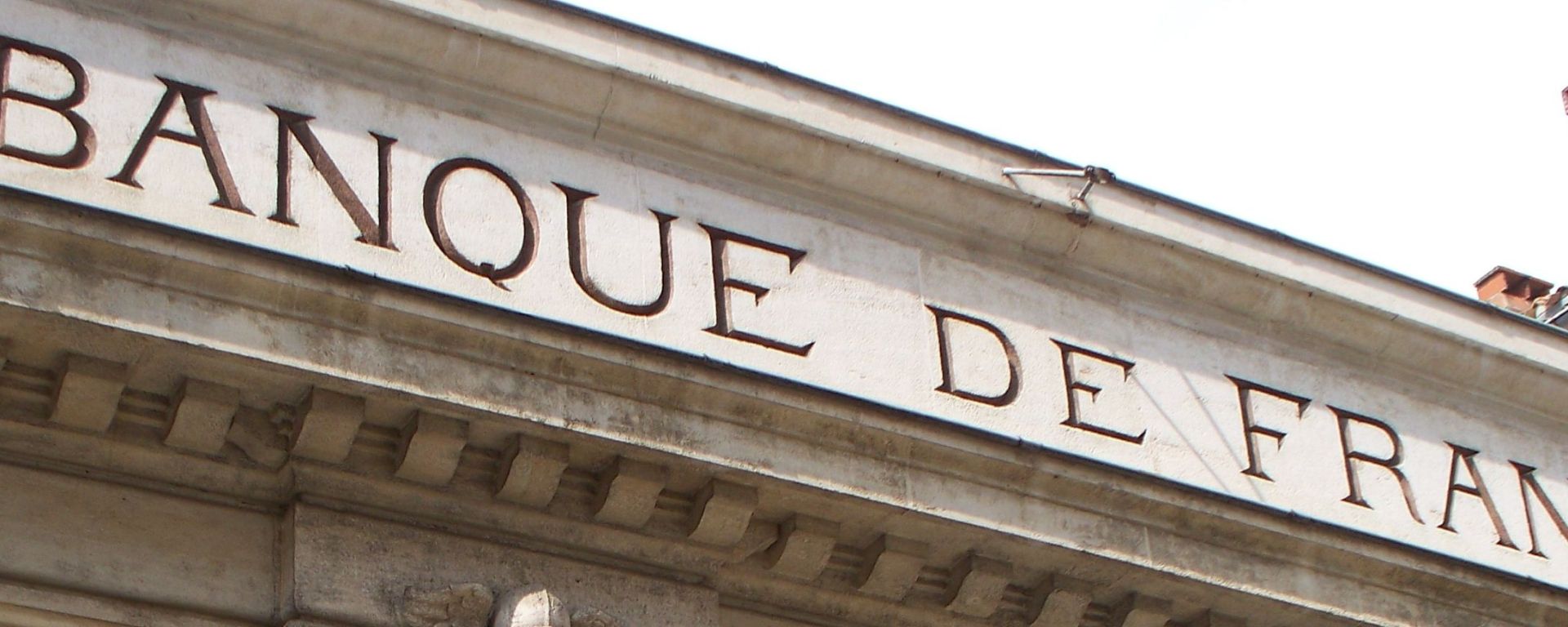
Photo notes: The photo across the top is the front of the Banque de France building that opened in Carcassonne in 1858 and in the first paragraph is Jean-Noël’s photo from his YouTube channel.


Jean-Noël’s views may change as he grows older. Nonetheless, as always, a very interesting post.
LikeLiked by 2 people
An accurate and succinct summary from what I have researched and experienced. All of this has created a situation where Americans (retirees especially) can fairly easily afford to emigrate to France since their savings can be large comparatively while their basic expenses (food, housing, health care) can easily be lower, and in some cases, significantly – and will remain so, even if and when the French begin to tax Americans for their health care.
LikeLiked by 1 person
I’ve been in France for three months now (in Lyon) and am already a huge fan of the laidback lifestyle, the public transportation in the city, and the better food options, as well as the emphasis on health generally, in the French culture.
LikeLiked by 1 person
my question is more general. Since you travel all over, what do you do for telephone coverage? I live here in Carcassonne but am looking at starting to travel more. What have you found that works for you?
LikeLike
We have found a couple of different options for mobile coverage. Lebara was our first choice as it is a no contract option that allows data and calls throughout the EU with limited data and Switzerland not included in the data. The latest option has been with RED by SFR with their no contract plan and plenty of data for travel outside of France and calls in the EU. We mostly use the Wifi in apartments and hotels when we travel so never have used all the data in a month. We download our maps on wifi before we leave so we don’t have to rely on the data when we are walking. RED and Lebara share the same networks for mobile so look at the plans and see what makes sense for your needs.
LikeLike