
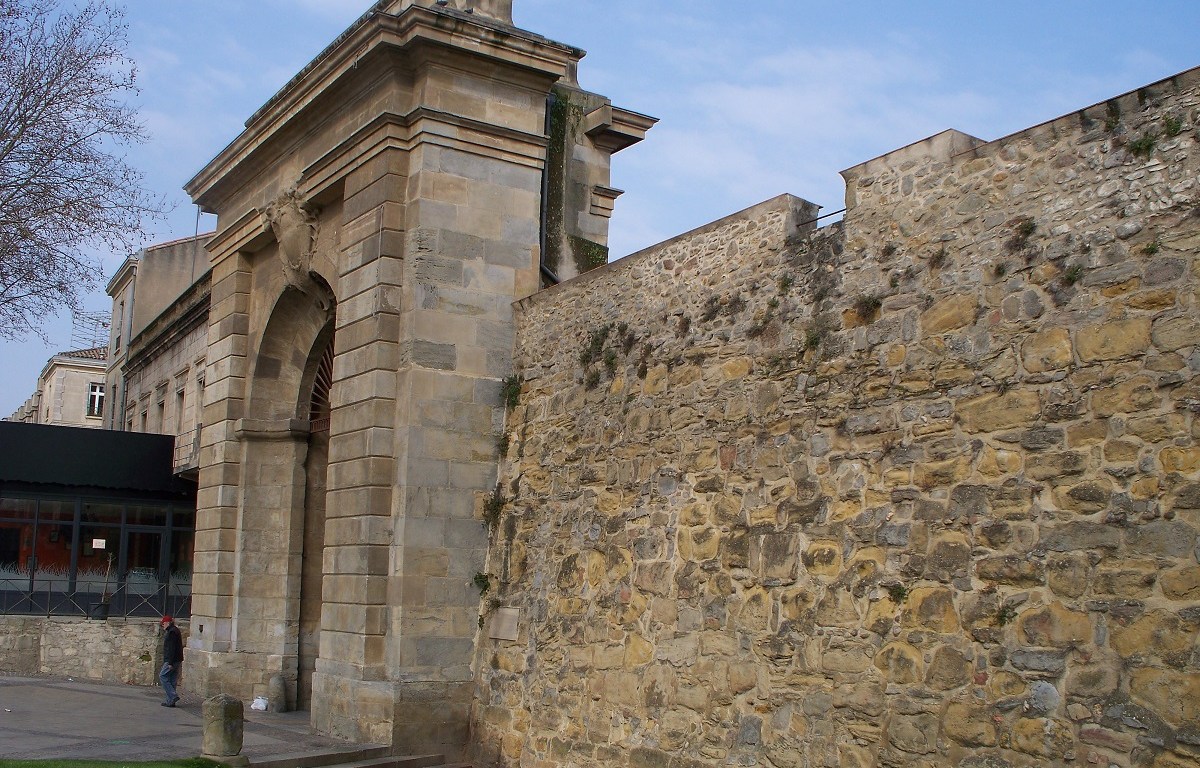
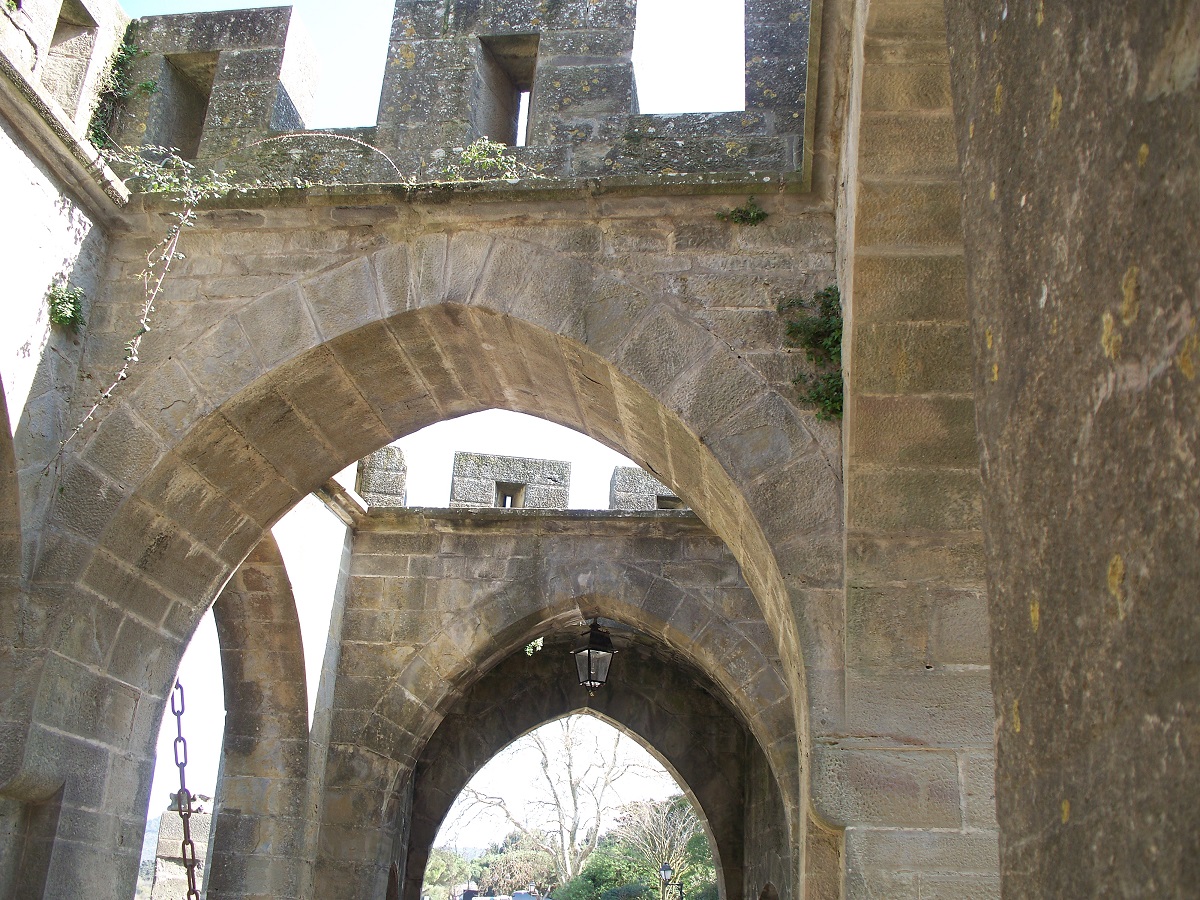
And I thought that we had it tough with inflation, global warming, floods, drought, strikes, and Covid. A popular prayer 440 years ago was “From hunger, war and plague, deliver us Lord” that gives an indication of some of what the citizens here were facing. According to the archives from the city’s Hôtel de Ville (City Hall) there were daily incidents of “massacres, pillage, ransom, ravages, burnings and other infinite evils”. There were also witches!
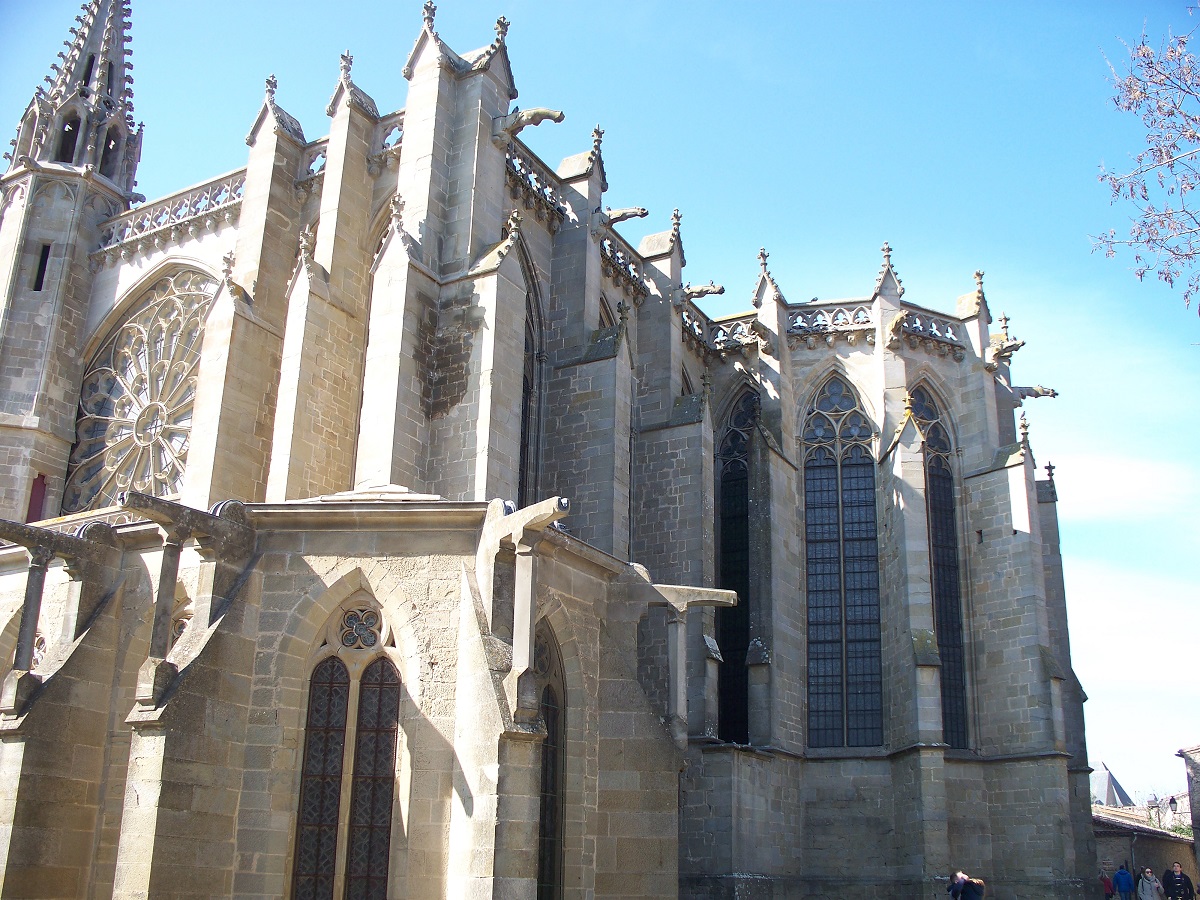
Each Sunday, one of our local newspapers, La Dépêche, runs a column devoted to the history of Carcassonne and with at least 2000 years to draw upon, they always have something of interest. It was within the story headlined, “1586-1596: the Difficulties of Daily Life”, that I read the short prayer in the paragraph above. Those dates refer to the last 10 years of the Wars of Religion that began in 1562 pitting the Catholics against the Protestants. At the time, bread was a significant part of the diet so it’s not surprising that the archives would note the Duke of Montmorency’s purchase of 57 sickles “to go and cut the wheat of the enemies, those of the City leagued against the king”. According to Atlas Obscura, this was the same time when starving Parisians were grinding human bones into “flour” for bread. Hostilities officially ended in 1598 when King Henri IV converted to Catholicism and reportedly said, “Paris is well worth a Mass”.
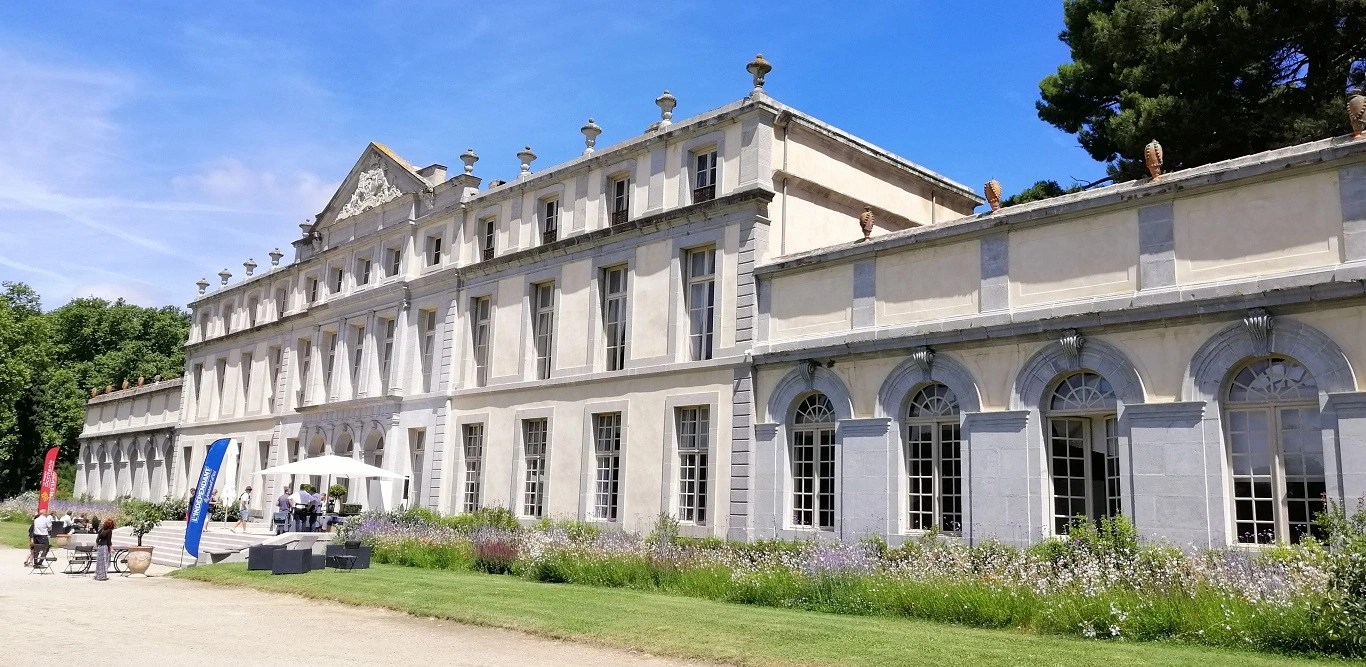
If bad things come in threes, next to arrive was the plague. Living conditions were overcrowded with poor hygiene that easily allowed the spread of disease. La Peste was noted in Lyon in October, 1586 before shortly moving on to Toulouse and then to Carcassonne where 400 people were diagnosed with the maladie. Some were confined to their homes while others had to stay in buildings outside the city walls including a wool drying barn and the “hospital at the end of the bridge” that is today a luxury hotel. To pay for the food and medication for the afflicted, the city called upon Bernard de Rech de Pennautier, whose château can still be visited today, who was eventually reimbursed in wheat and wine.
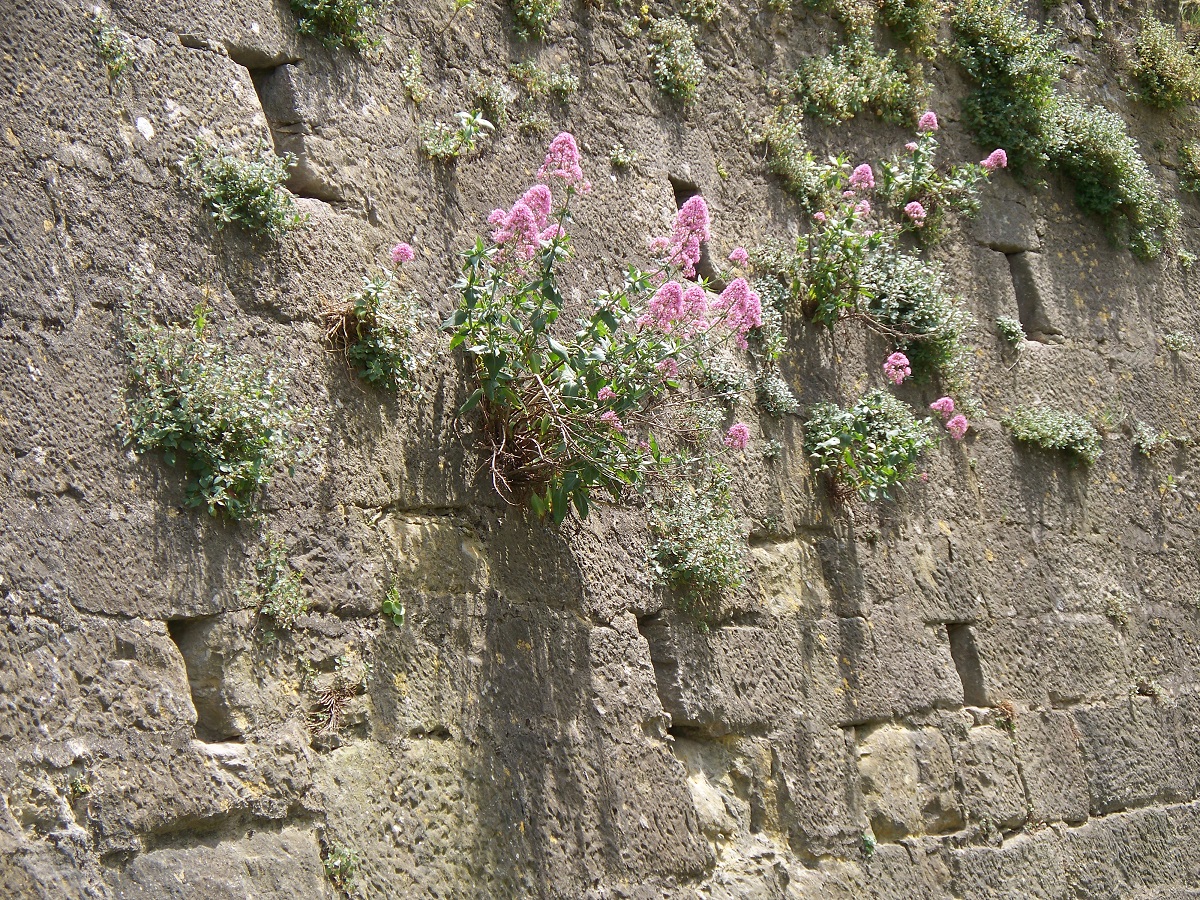
If that wasn’t enough to fear, the French were especially concerned during that era with witches. Between 1560 and 1630 there were over 100,000 trials, generally women, involving demonology. A suspicion of the casting of an evil spell was enough to trigger being brought before a judge. Charges often revolved around love potions—either how to attract it or a contraceptive intervention if you found it but didn’t want it. The associated prison, known as “the wall” that was initially used during the 13th century Inquisition in Carcassonne still forms the back boundary of the neighbors’ yards on the street where we first lived.
OK, so we might still have some challenges but at least we don’t have to worry about daily “massacres, pillage, …burnings…etc.” or even witches!
Photo notes: That’s the Jacobin gate with the 14th century wall of the lower city, La Bastide Saint-Louis, across the top of the page and in the first paragraph are some arches from the 13th century upper city, La Cité.
 Let's Live In France
Fascinating. Not sure we’re entirely devoid of ”witches” though. 😉🤣
LikeLiked by 2 people
Thank goodness
LikeLiked by 1 person
And we thought Salem was bad.
Btw did you see the movie “overdose” and the areas it was filmed? More modern day battle of massacres etc.
LikeLiked by 1 person
No, we haven’t seen “Overdose” but now that I see that some of it was filmed here and that it’s apparently available on Amazon Prime, we’ll take a look, thanks!
LikeLike