
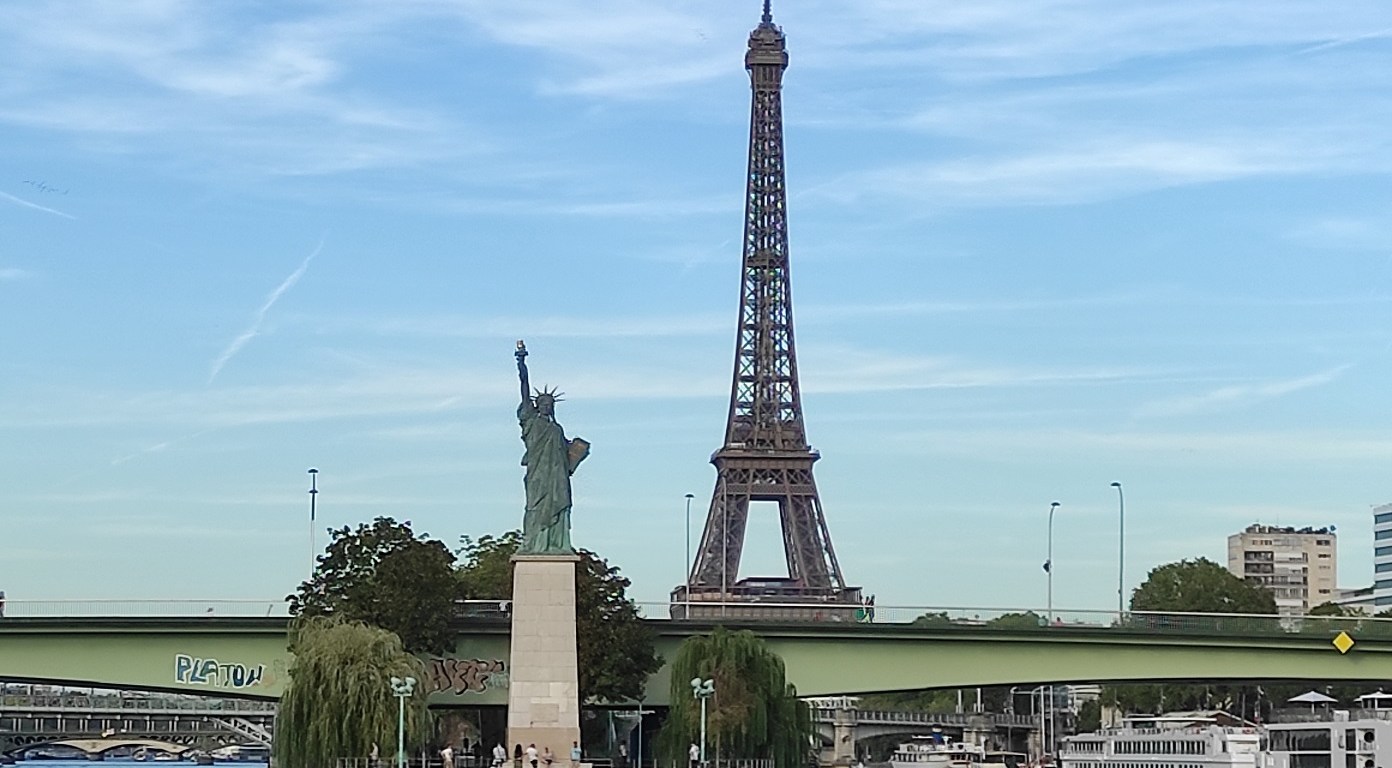

For anyone with a good knowledge of French geography, you might know immediately where the Oise Valley is located. To give you some hints, a few of the significant towns in the area are Compiègne, Pont-Sainte-Maxence, and Saint-Leu-d’Esserent. Still no idea? Me neither, at least until I got out a map to see that it’s northwest of Paris and that, in fact, the Oise River originates in Belgium and flows south to join the Seine about 25 kilometers (15 miles) from the capital. The reason this became important was because Bill had been reading about cruising the canals of France on a péniche (in this case, a hotel barge) and one company was offering a 50% discount on some departures on this route. It was time to investigate what this valley had to offer.

In describing this part of the country, the travel brochure used the word inédit that we typically see meaning “new, original, never before seen” all of which we would say applied as you can tell from the paragraph above. The itinerary said that the tour could start in Paris (with a bus transfer to the boat) but the actual port of departure would be Pont-l’Évêque so we took the train to the nearest town, Noyon, to spend the night. We saw more here than expected since it was the excursion-of-the-day soon after dinner on our first night aboard the boat.

Noyon—Since this was going to be a nighttime visit, I didn’t expect many of the historical sites to be open so we took advantage of our hotel’s location and visited the town ahead of time. The John Calvin museum was built on the site where this reform movement leader was born in 1509. Interestingly, at the age of 12, Calvin received the tonsure, a ceremony that marked his entry into the Catholic clergy, plus a church income that he would later reject as he became one of the most influential leaders of the Protestant Reformation.
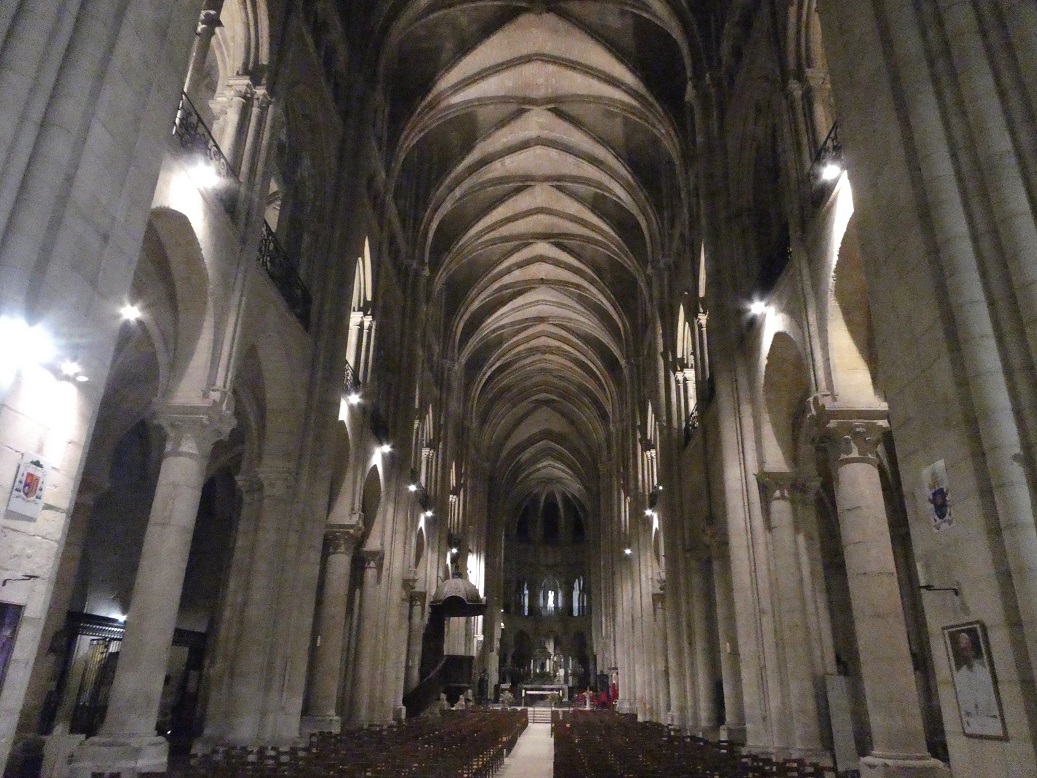
The library, La Bibliothèque du Chapitre, built in 1506 houses rare documents as old as this even rarer wooden building that is still standing after more than 500 years. Directly beside the library is the 12th century cathedral, of which we had a nighttime tour, and that’s built upon the foundations of at least two previous cathedrals including the one where Charlemagne was crowned King of the Franks in 768.
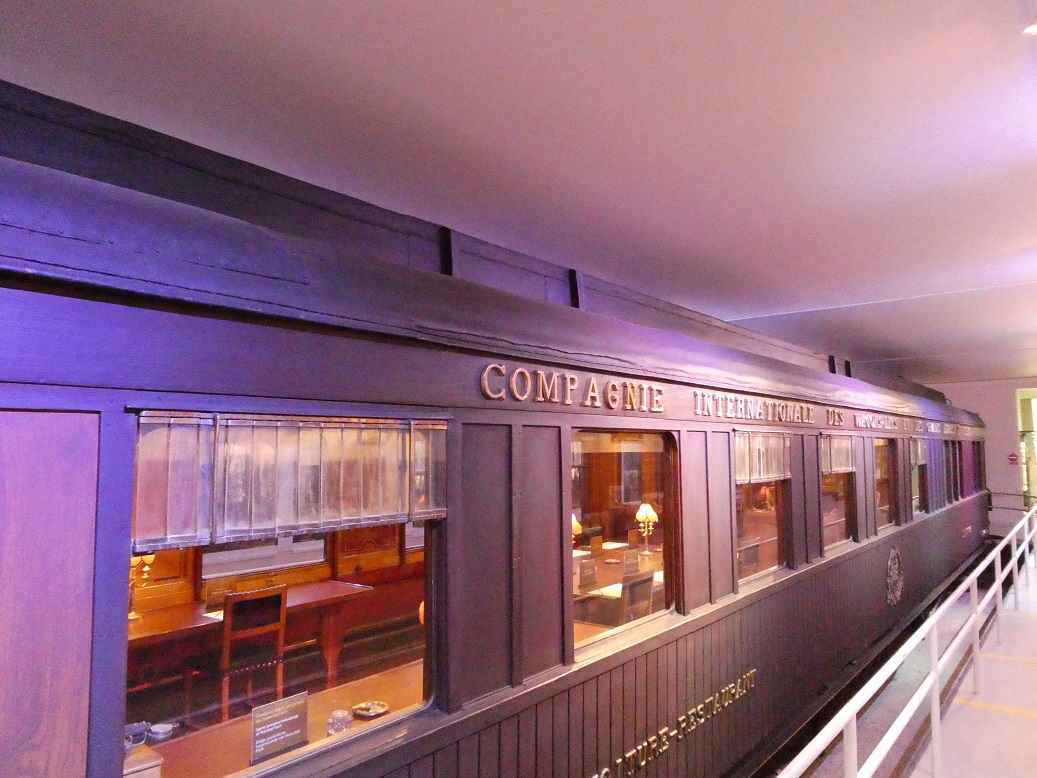
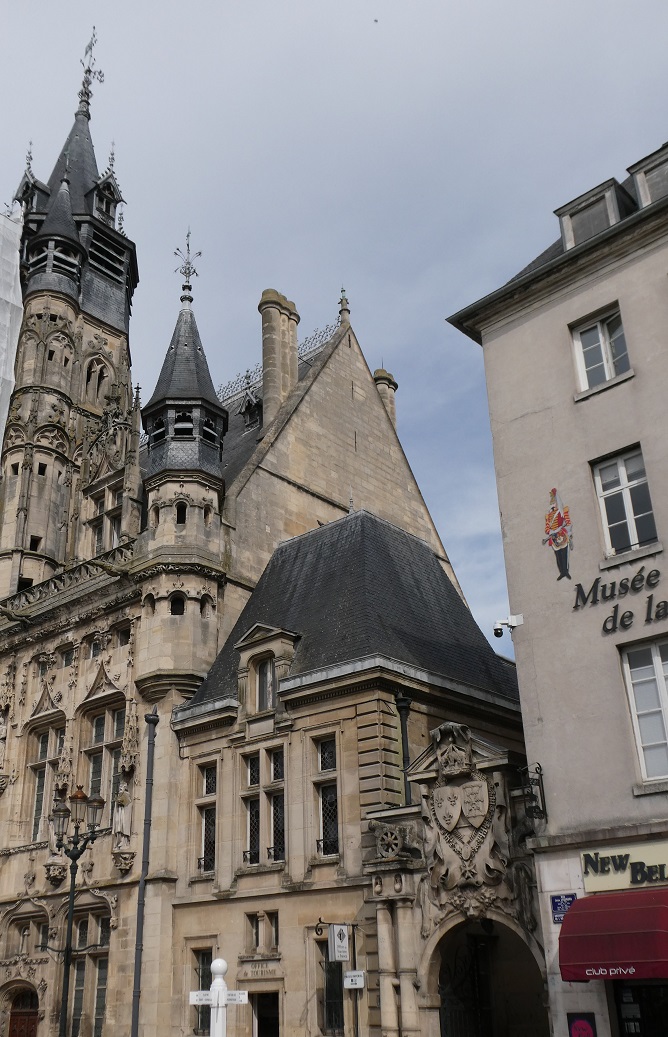
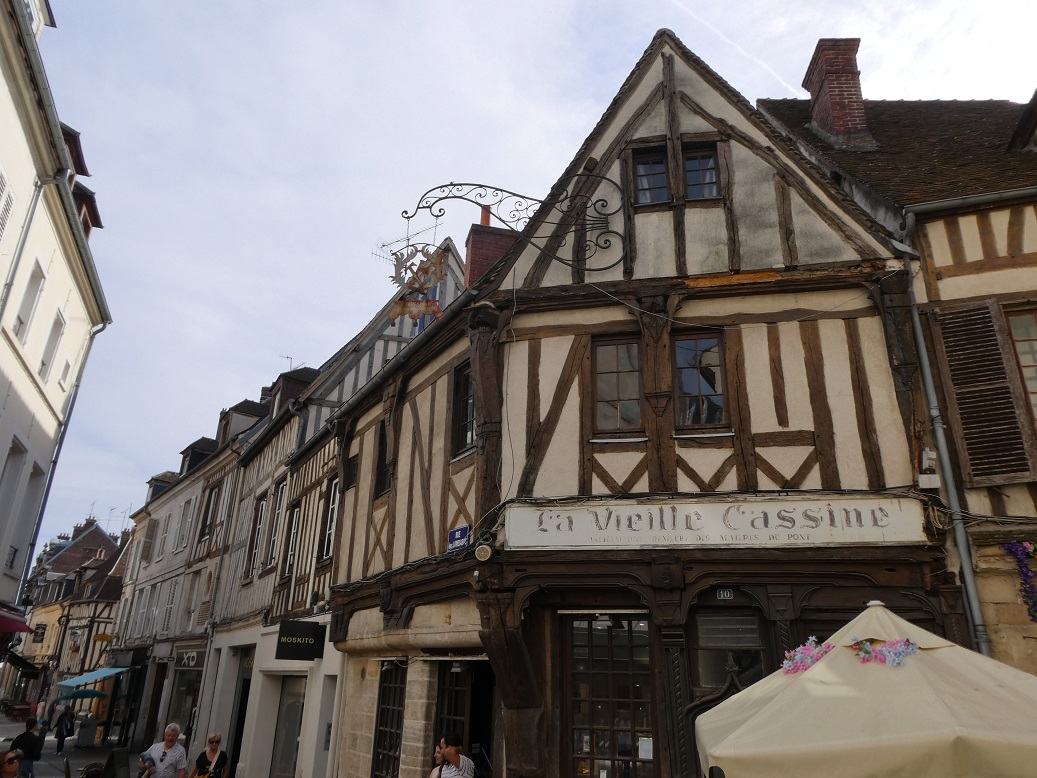
Compiègne—The excursion today took us through narrow medieval streets lined with half-timbered houses including the oldest one, Vieille Cassine, that dates from the 15th century. In the belfry of the 16th century town hall hangs a bell from 1303 that is still rung today on special events including November 11, the ending date of WWI in 1918. Our next stop, in fact, the Armistice Museum, commemorates that event. Among the exhibits is a rail car identical to the one in which the documents were signed to end the hostilities. And what’s a day in France without a visit to a castle, especially when it’s the Château de Compiègne that is outdone in size only by Versailles and Fontainebleau. It even comes with its own forest: 40,000 hectares or around 99,000 acres.
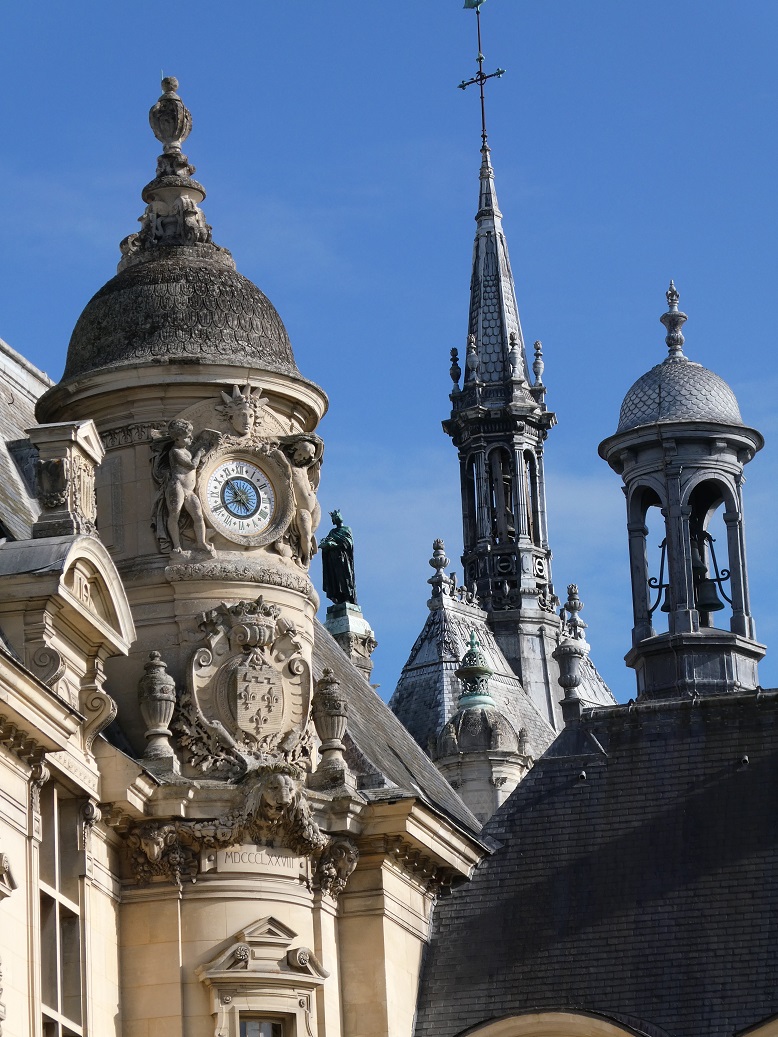
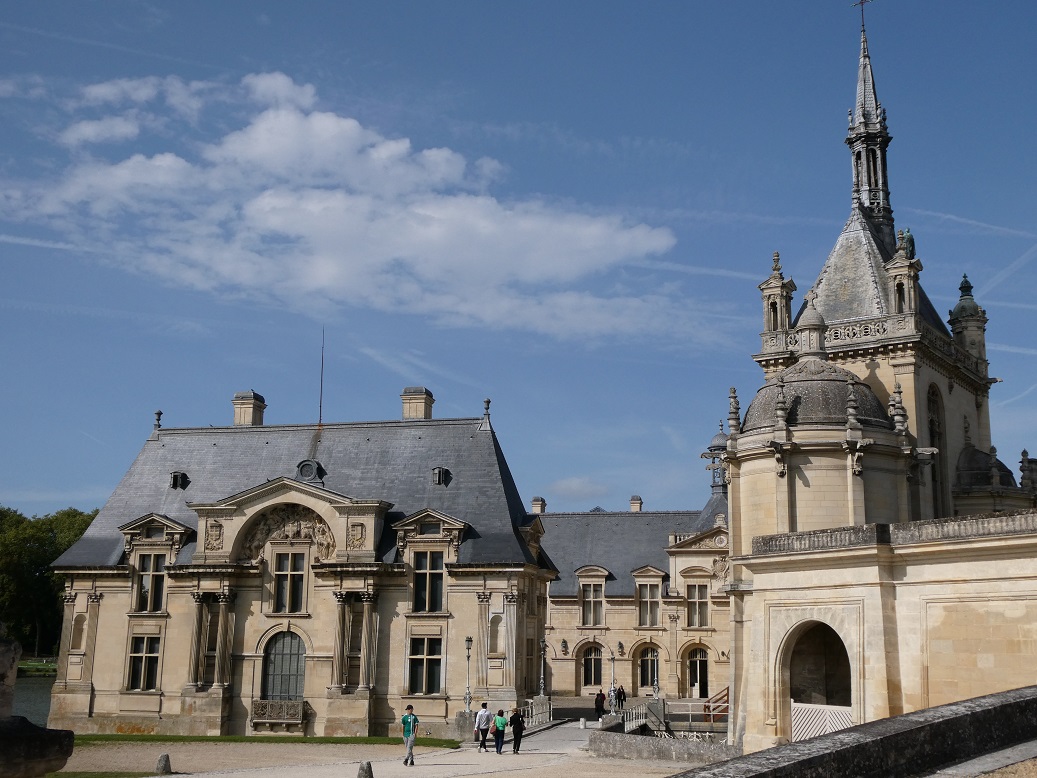
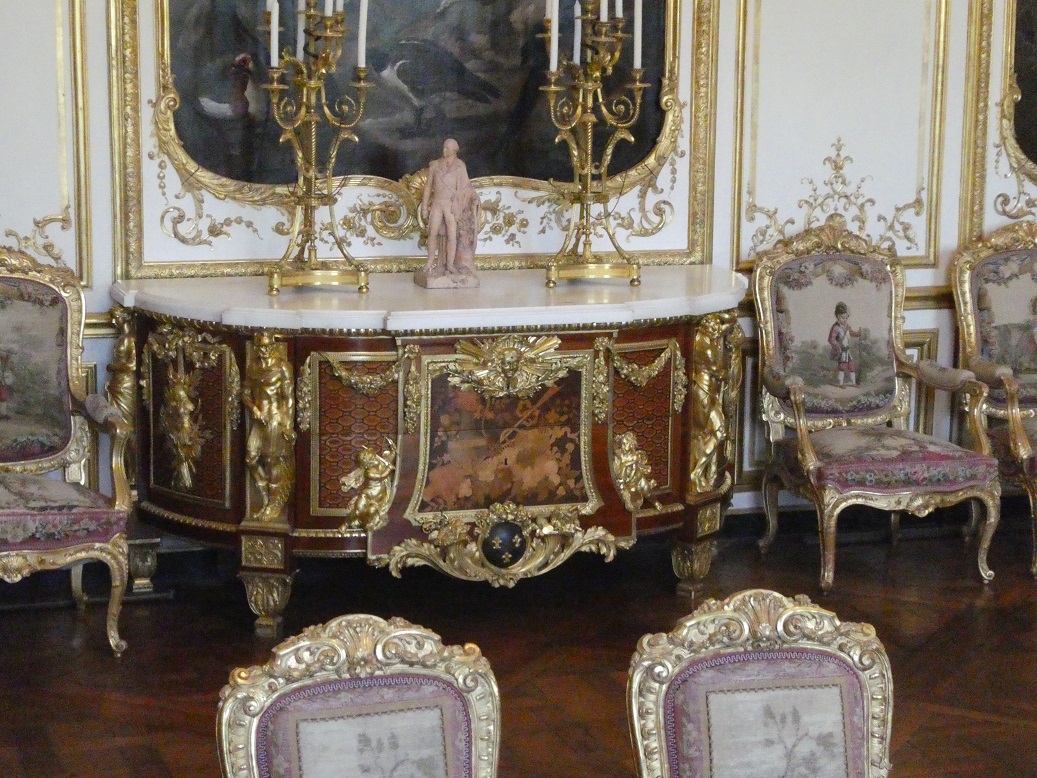
Pont-Sainte-Maxence—We’d heard of chantilly lace and cream but today’s castle apparently also lends its name to a breed of cat, a cake, a type of mashed potatoes, and a perfume. Originally a medieval fortress and then a small castle that was destroyed during the French Revolution, the Château de Chantilly we toured today was built around 1875 by Henri d’Orléans, son of the last King of France, to house his extensive collection of paintings, books, furniture, and porcelain.
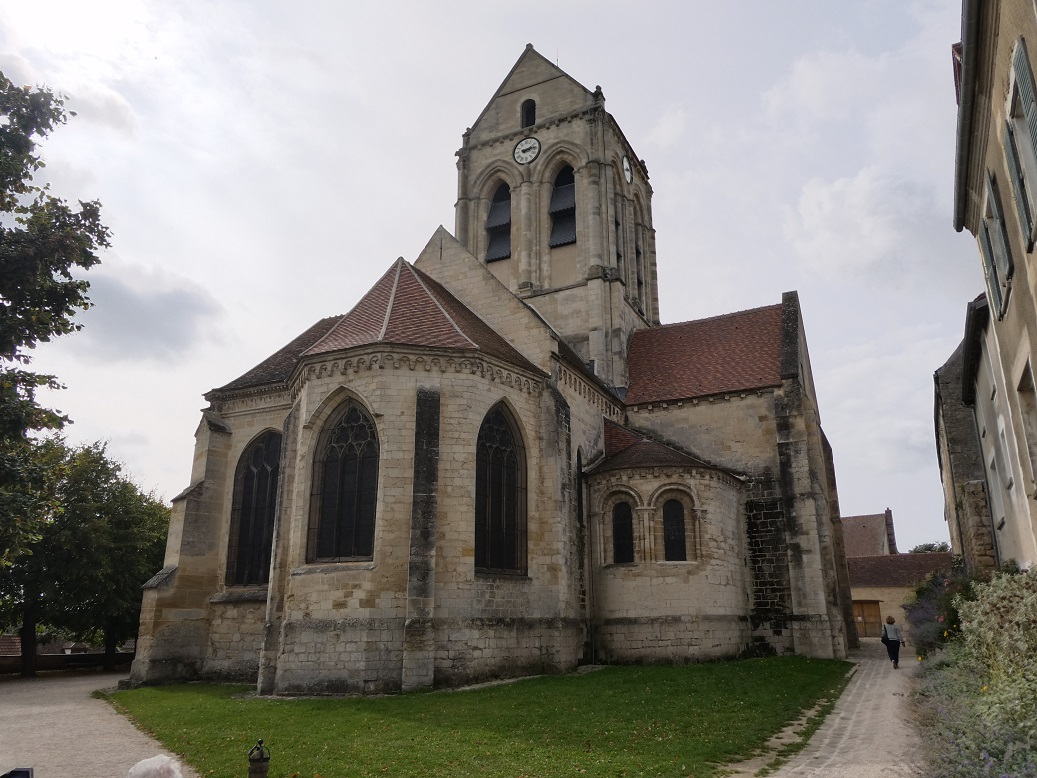
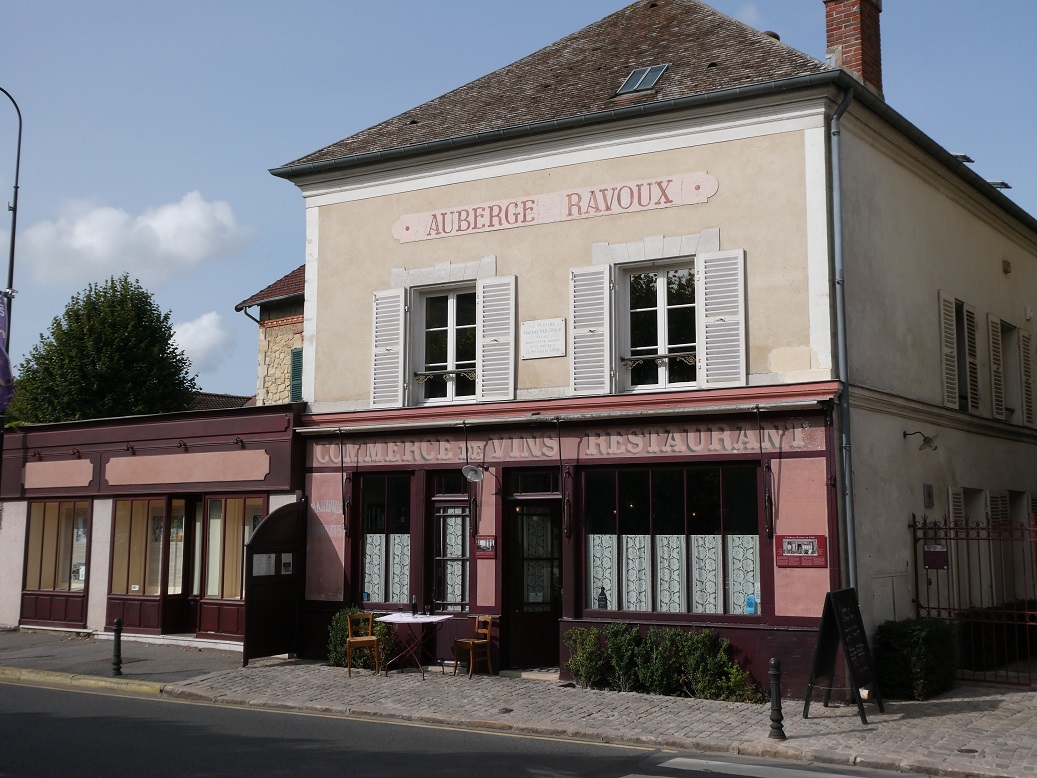
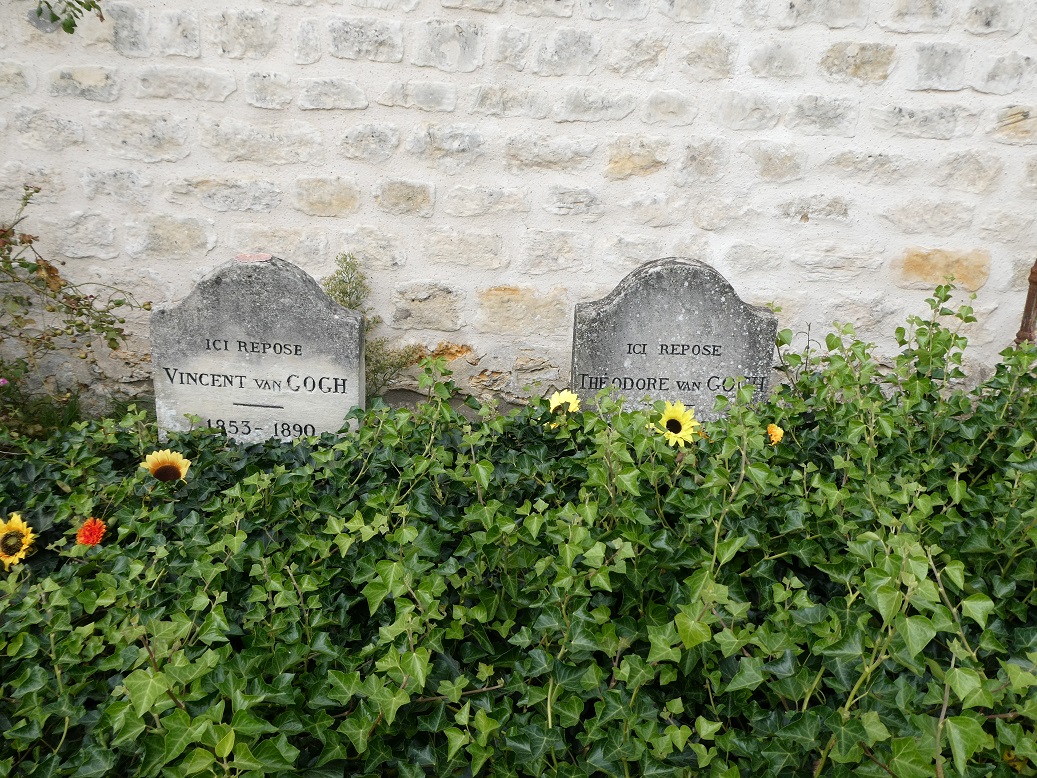
Auvers-sur-Oise—As fans of Impressionist paintings, Bill and I were especially happy to stop in this village with the church, fields, and riverbanks that inspired artists such as Paul Césanne, Camille Pissarro, and Vincent van Gogh who is buried in the town’s cemetery. A short walk from there we toured the Absinthe Museum, highlighting a very popular drink with these and other artists of the era.

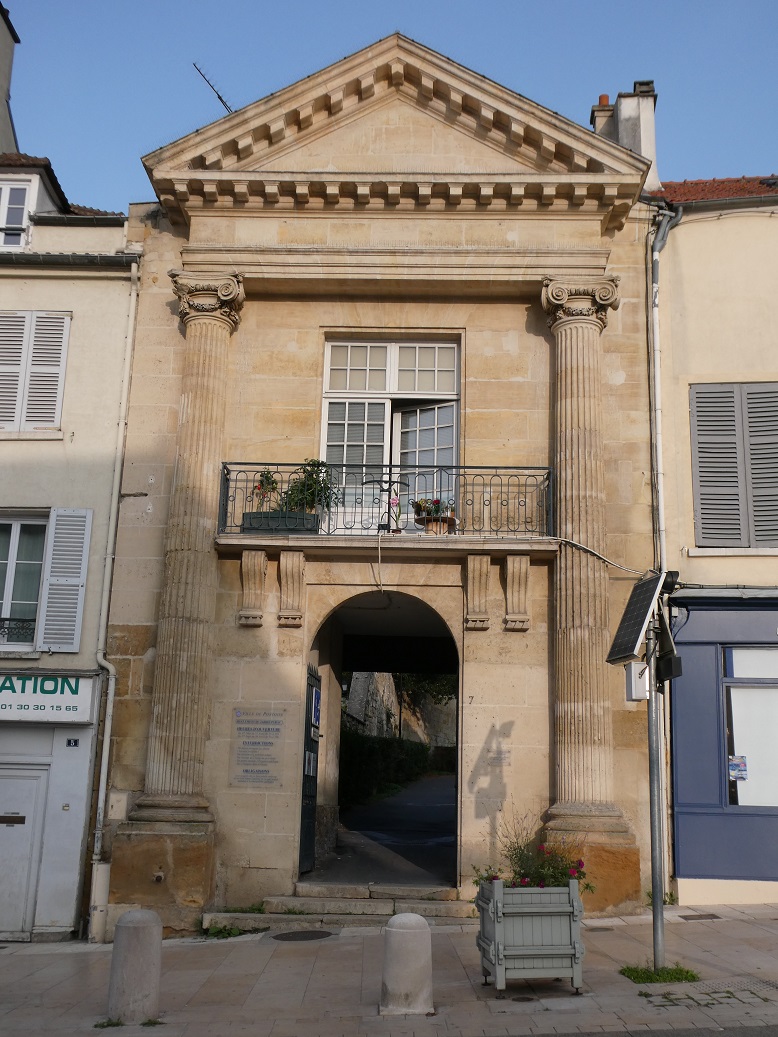
Pontoise—Here we walked along the Impressionist Trail that, like the day before, took us down streets, and past churches, gardens, and bridges that appeared in works by those same artists plus Paul Gaugin. Housed in a 19th century mansion, the Pissarro Museum features some of Camille Pissarro’s works plus those by his five sons and the Impressionists who were influenced by him.

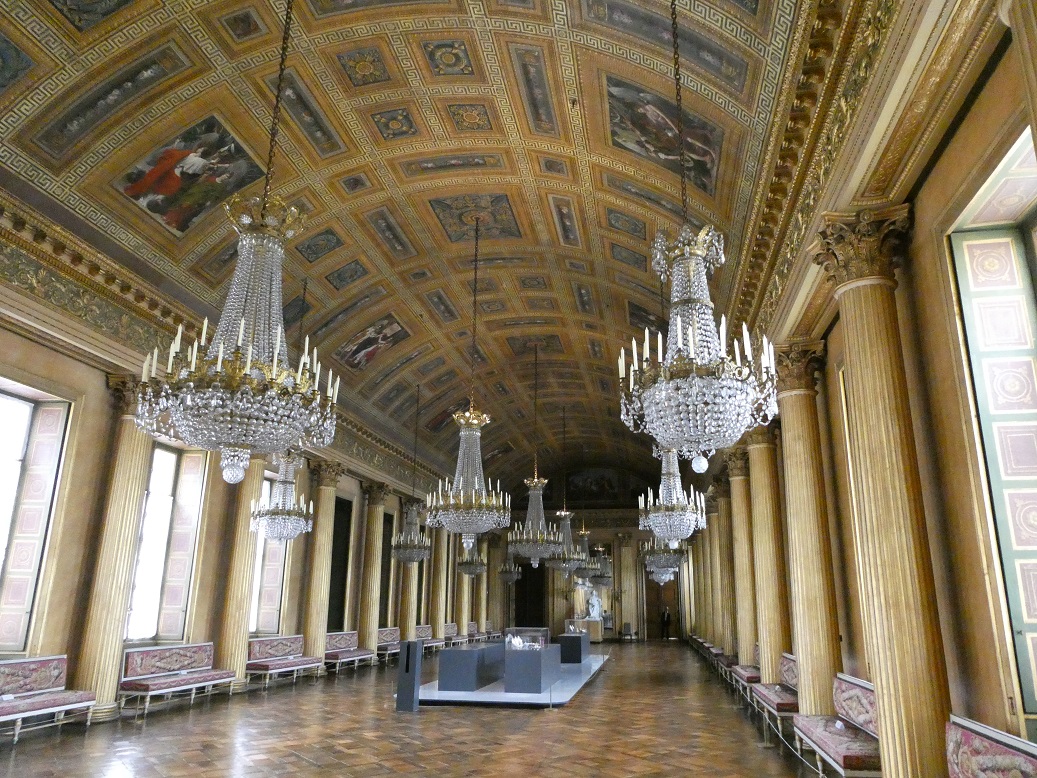
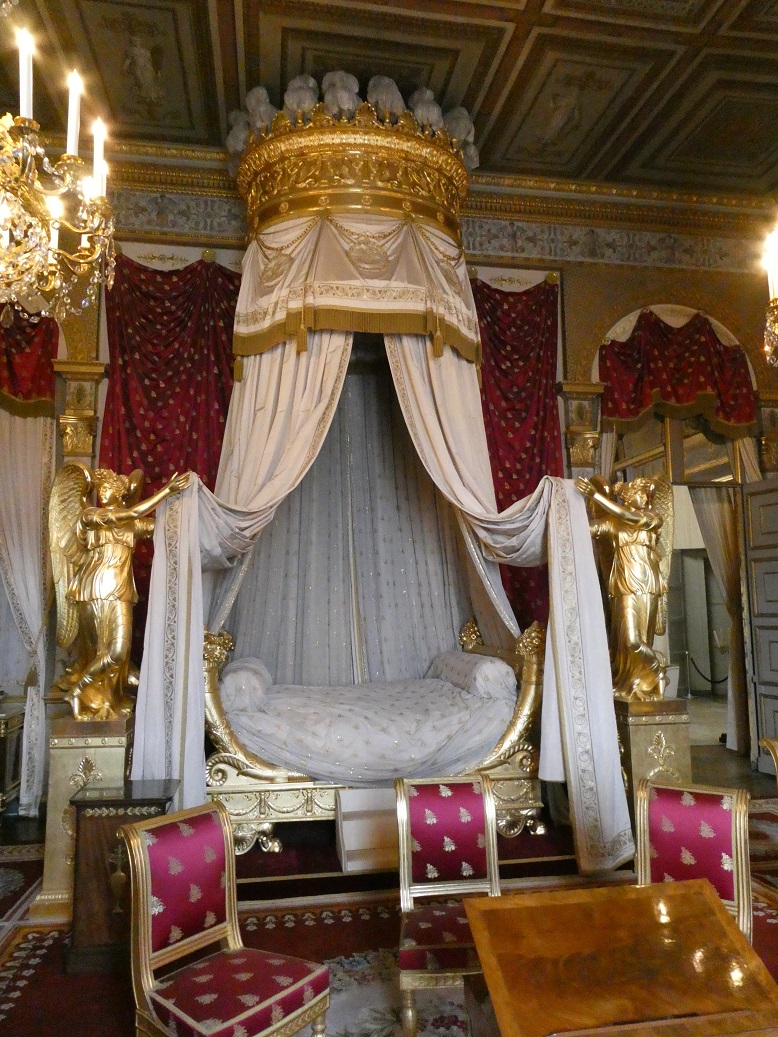
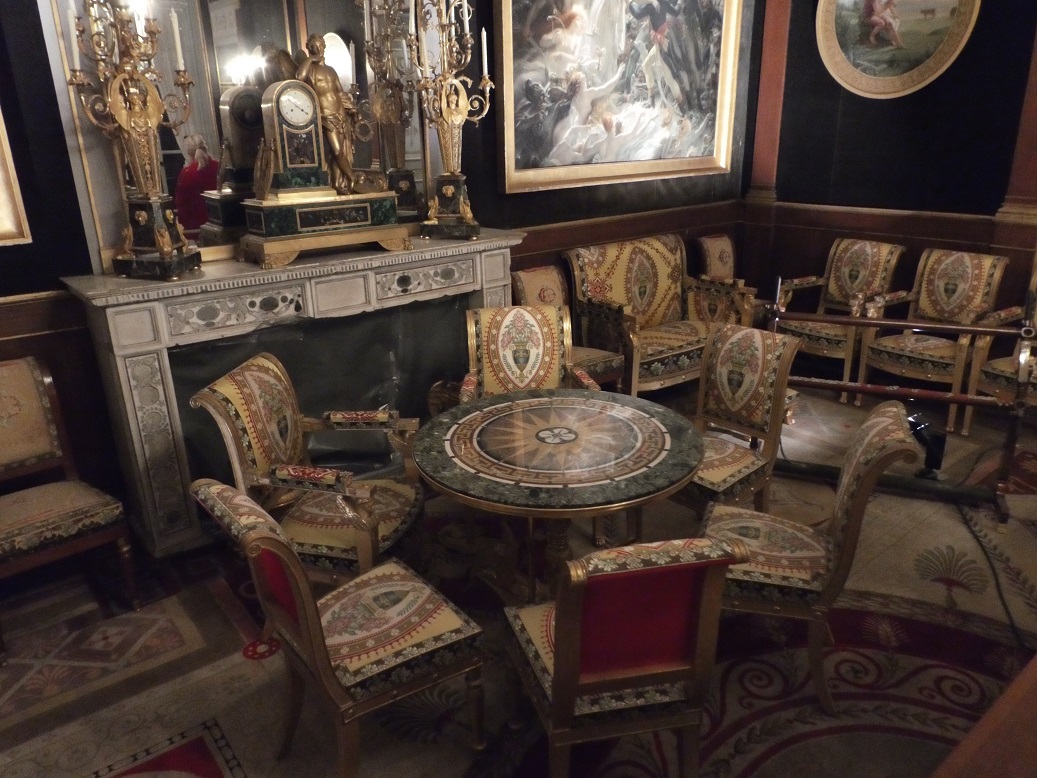
Bougival—Joséphine, wife of Napoleon, acquired the Château de Malmaison in 1799 and set about to make it a haven of peace, far from the court and politics that her husband had to deal with as emperor. Although she succeeded in elegantly decorating the bedrooms and other public spaces where she entertained artists, writers, musicians, and scientists, Napoleon still had his Council Room for meetings with government ministers and generals.

Paris—For day 7 of the cruise the itinerary correctly listed our ending city but couldn’t adequately describe the feeling of floating down the Seine, a glass of sparkling wine in hand, admiring the twinkling lights of ancient buildings on both sides of the river, culminating in the beacon of the Eiffel Tower.
So that’s what we saw in this part of France that to us truly was inédit. Next time we’ll talk about the how and why of vacationing on a hotel canal barge.













 Let's Live In France
Always in awe at your adventurous spirit. Some of us are only playing at living in France! Where is the original Armistice train if it exists ? Wonderful post as always and Christmas greetings to you both.
LikeLiked by 2 people
Thanks, Gary, for your kind words and Christmas greetings to you two as well. Keep in mind that we’ve been living in France a while and vacationing here for years before that so we’ve had a chance to look around, ha-ha! Regarding that rail car, we learned at the museum that the original one had been used twice for signing armistices: first in 1918 and then in 1940, when Nazi Germany forced France to surrender. Hitler had the car moved back to the same site in the Forest of Compiègne for the 1940 signing, as a symbolic act of revenge and then ordered it to be destroyed.
LikeLiked by 1 person
As always, an interesting and informative post. I’ve visited Compiegne (and Paris) but not the other places.
LikeLiked by 2 people
Again (sorry to be a one-note samba) you have done something I’ve always wanted to do (though the Canal-du-Midi might be my first choice.;) Looking forward to the “how” next week!
LikeLiked by 2 people
Katherine, we like the samba! We too would enjoy the Canal-du-Midi but most of the options there seem to be the self-hire boats rather than hotel barges. However, if/when you sail, we’d like to hear all about it 😊
LikeLike
Enjoyed the beautiful photos and description of your travels on the canal boat. What a lovely way to travel!
LikeLiked by 1 person
Having a hotel boat means not having to pack and unpack every day so that is a big plus. For us all food and everything we drank was included in the price as well as all the tours and entrance fees. Next week, Bob will describe the boat we travelled on and the crew (PERFECT).
LikeLike
What a lovely adventure. I’ve always wanted to visit Malmaison after learning about Josephine and Napoleon. It was featured in the new movie about Napoleon which just premiered a few weeks ago. Merry Christmas guys!
LikeLiked by 2 people
Malmaison was much smaller than the other grand properties we visited so it felt more intimate. Thanks for that tip about the new movie and a Merry Christmas to you too!
LikeLike
Those pictures are fabulous! I loved the one of the elegant bedroom and of course the one of the two of you dressed to the nines! It looks like a trip I’d really enjoy!
LikeLiked by 1 person
You really would enjoy this cruise.
LikeLike