

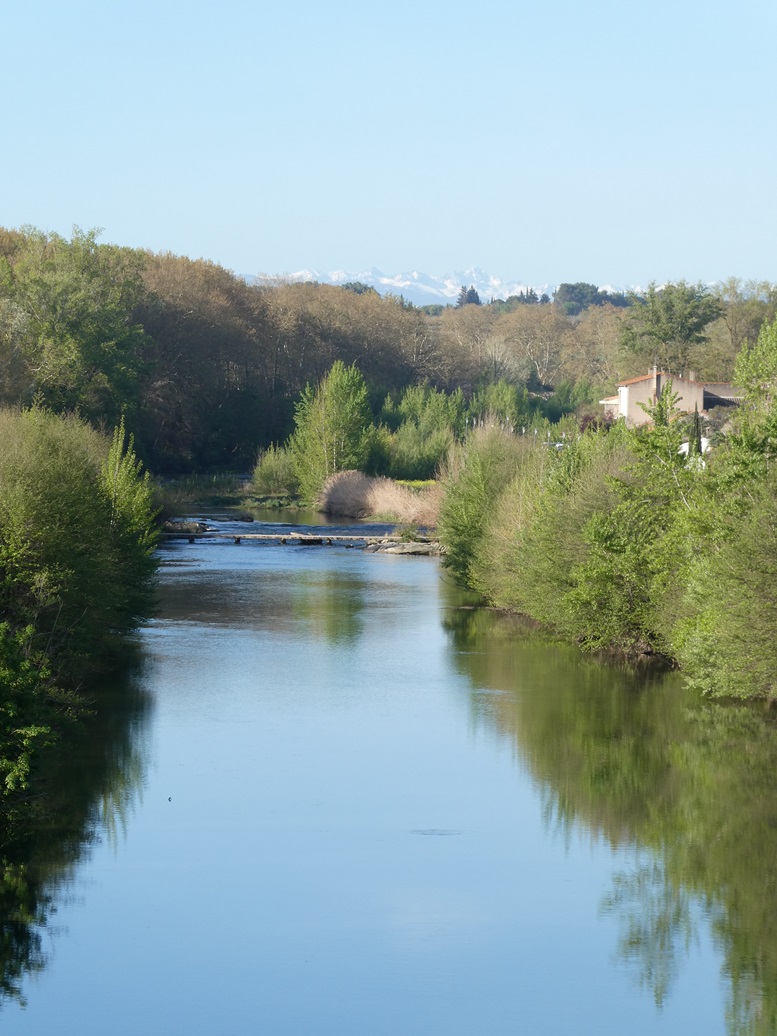
Picking up from where we left off last week, we were now making our way from the lower part of Carcassonne, created in 1247 and known as La Bastide, to the upper town that dates from at least 500 BC and is simply called La Cité. This UNESCO World Heritage Site is Europe’s most complete medieval walled city surrounded by a combined length of 3 kilometers (2 miles) of 2 concentric limestone walls secured by 52 defensive towers. Before we could get there, however, we had to cross the Aude River (photo in this paragraph).

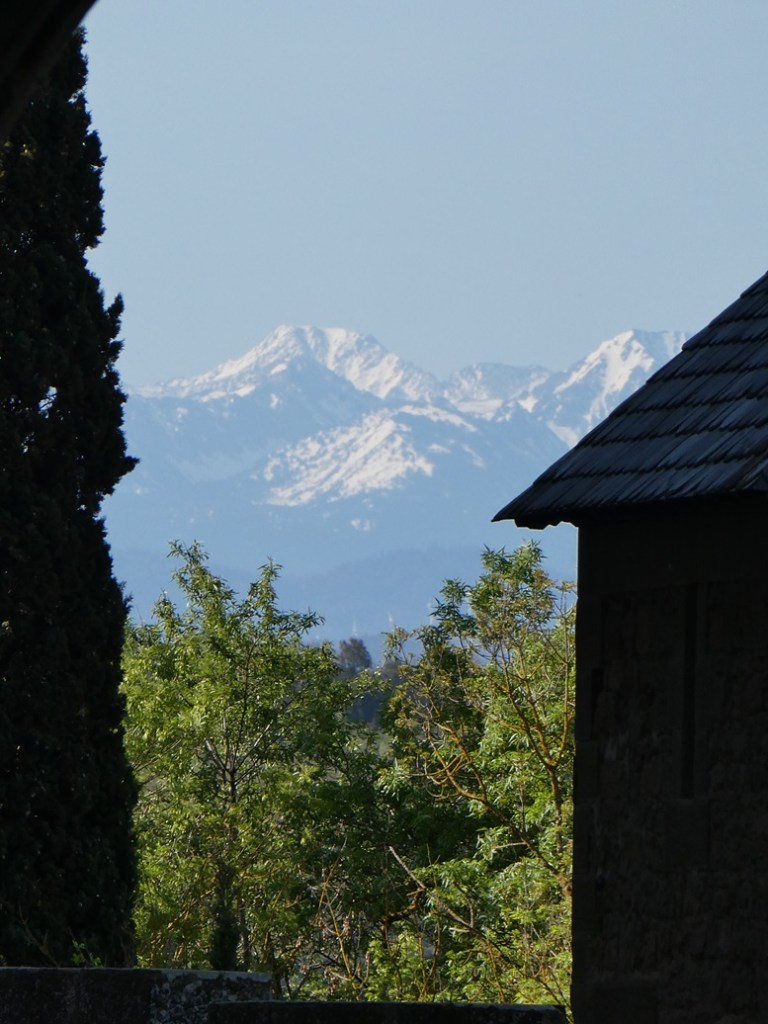
The stone Pont Vieux (Old Bridge) was completed in 1335 to replace what is believed to have been a wooden structure that itself might have been preceded by a Roman bridge since the Romans were known to have been here from about 50 BC up until the 5th century AD. It’s a great vantage point to view La Cité and on a clear day you can see 75 km/50 mi south to the Pyrenees Mountains (featured photo across the top of today’s post).
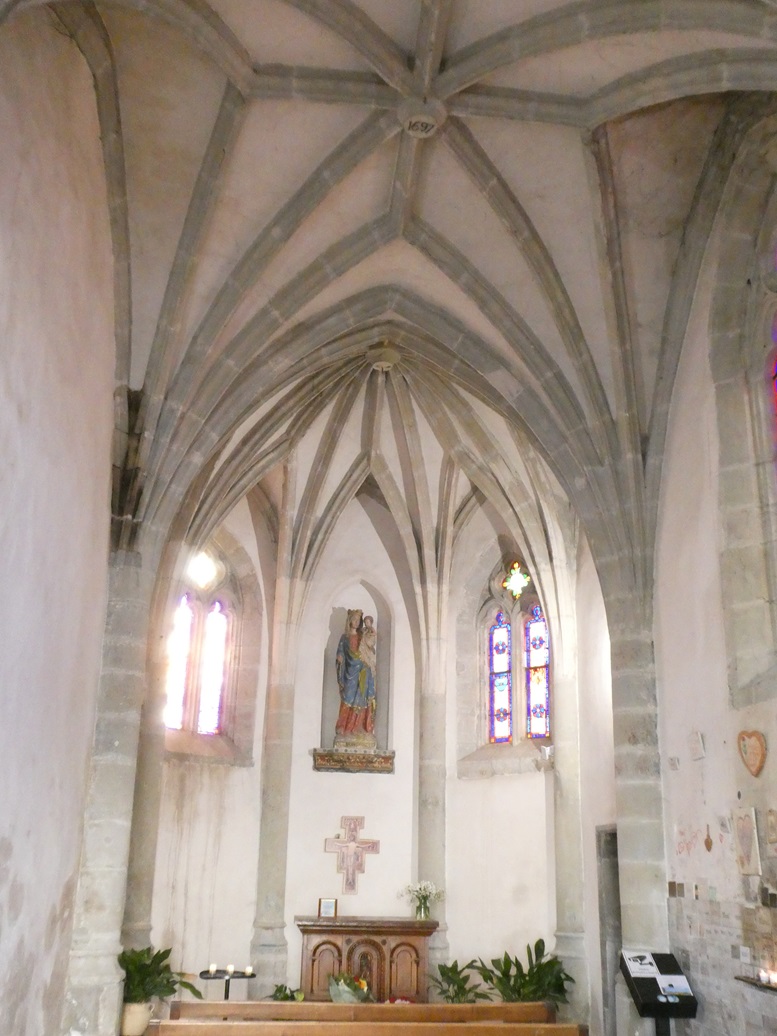
On either end of the bridge are two historically important buildings: from 1527, the Chapel of Notre Dame de la Santé that served the hospital (now a luxury hotel) directly opposite; and the Manufacture Royale, a factory that supplied textiles to the King from 1696 until the French Revolution in 1789.
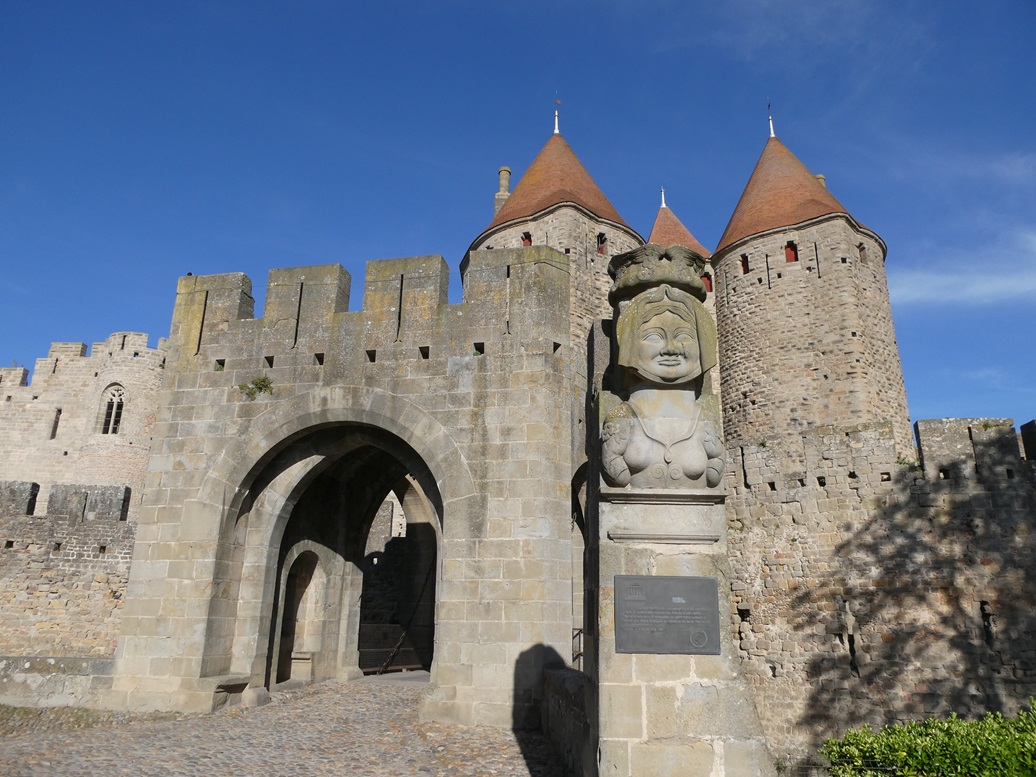
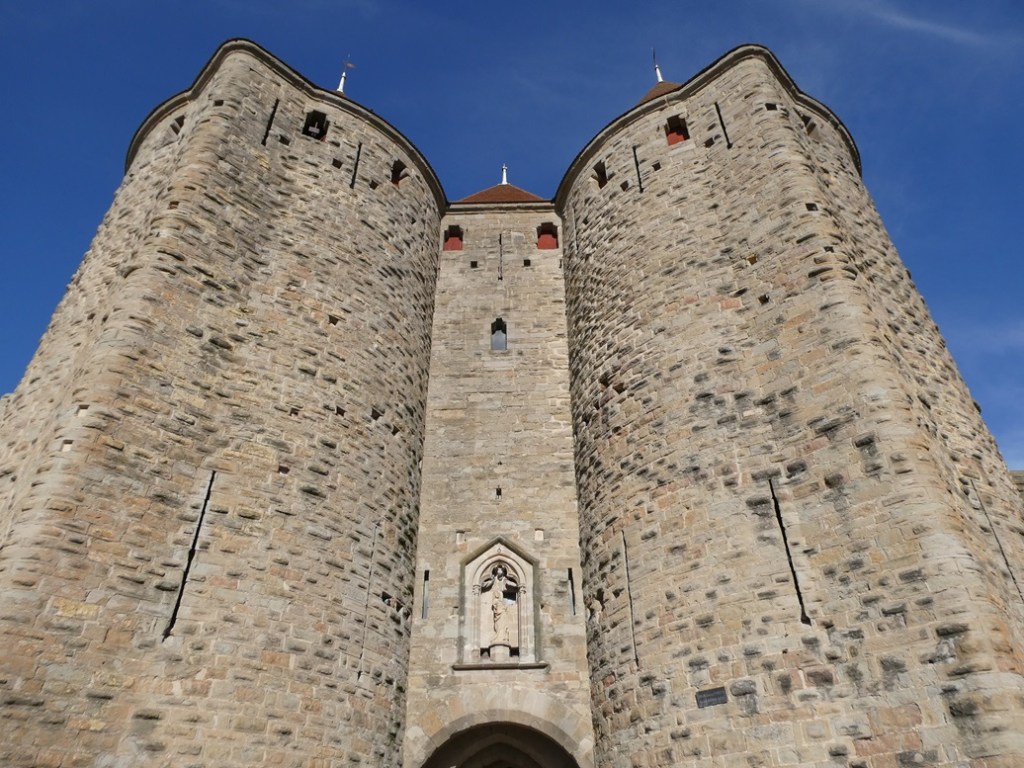
Instead of following the map that might take you to what we consider the “back door” of La Cité (more on that below) we continued our uphill climb via rue Trivalle to the main entrance at the Narbonne Gate, complete with drawbridge. Neither this classic castle feature nor pointed roofs on every tower existed prior to its 1850s restoration but architect Viollet-le-Duc was known for his romantic and artistic choices. You can get an overall feeling for his work from the photo across the top of our home page that Bill took from a hotel on this side of the river.
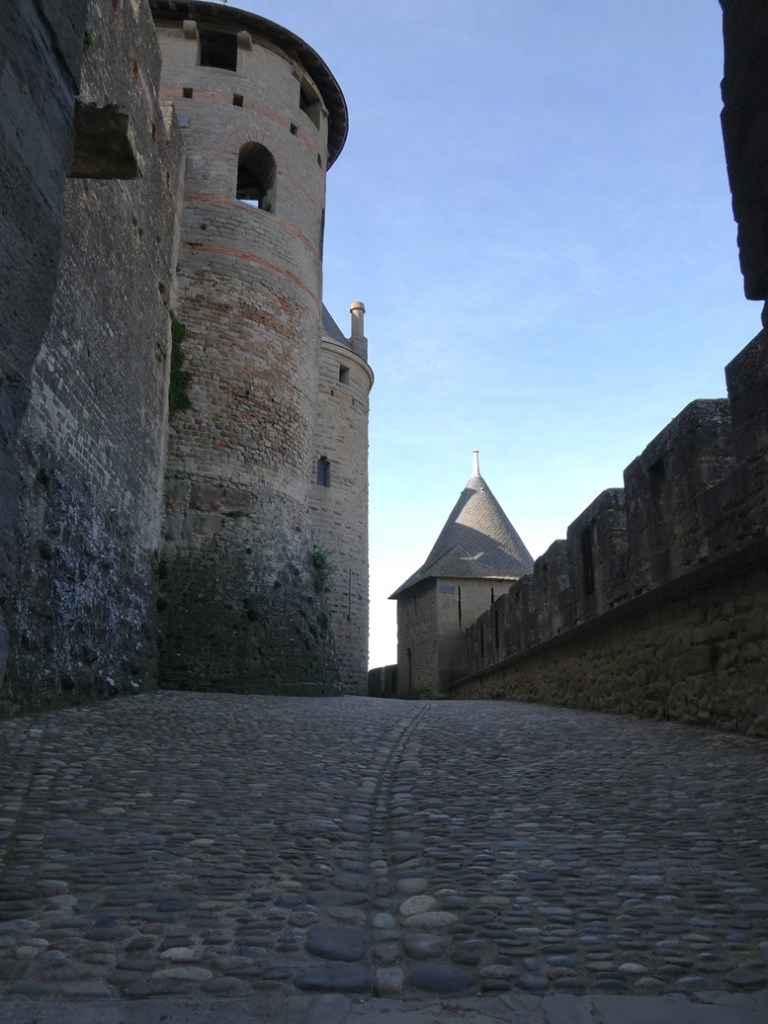
We were now about to enter the site that settlers first occupied from at least 500 BC, followed by the Romans who became a significant force in much of France in 50 BC. In 1226 this strategic hilltop location became a royal property and French King Louis IX finished its transformation into a fortress, much as we see today, to guard the border with Spain.

There are two 14th century wells inside the walls, reputed to hold treasures at the bottom but an archeological dig in 1910 revealed nothing significant. Near the larger well is the Museum of the Inquisition that details the history of the Cathars and the Catholic Church’s crusade against them that predated the Spanish Inquisition by almost 200 years. We opted to skip the brutality on display there in favor of another museum dedicated to education.

The School Museum recreates classrooms from as far back as the 1880s, when education was first made mandatory, free, and secular. You can write with a feather quill pen or participate in a dictation exercise that many French seem to relish as a cherished memory from their childhood.
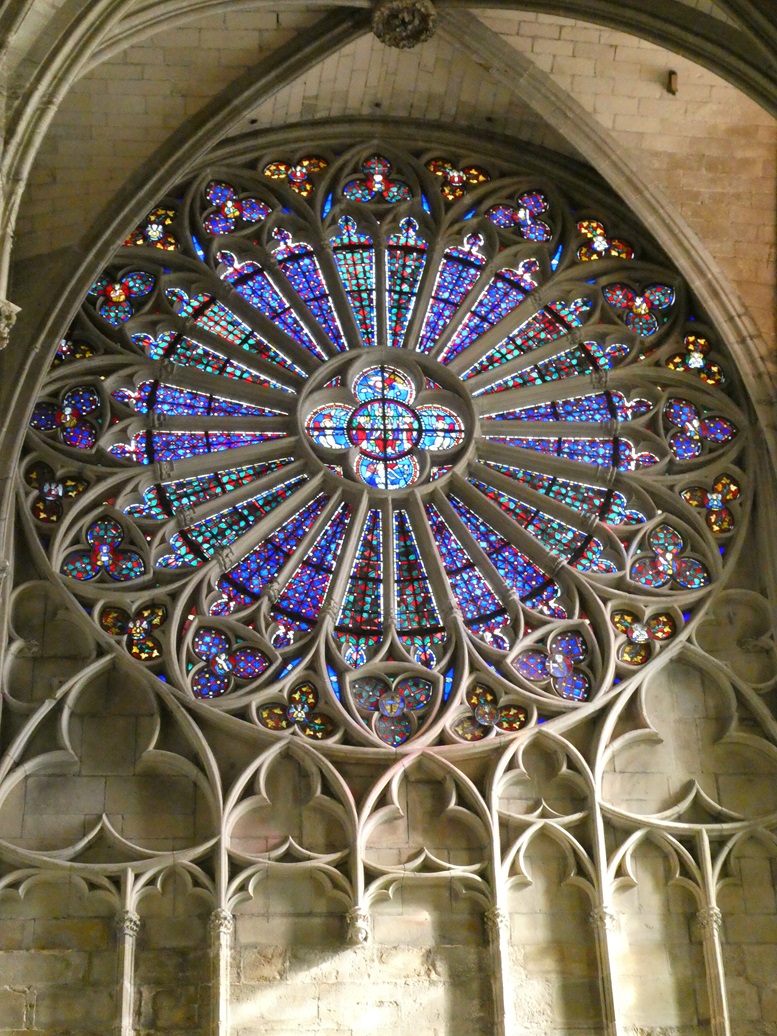
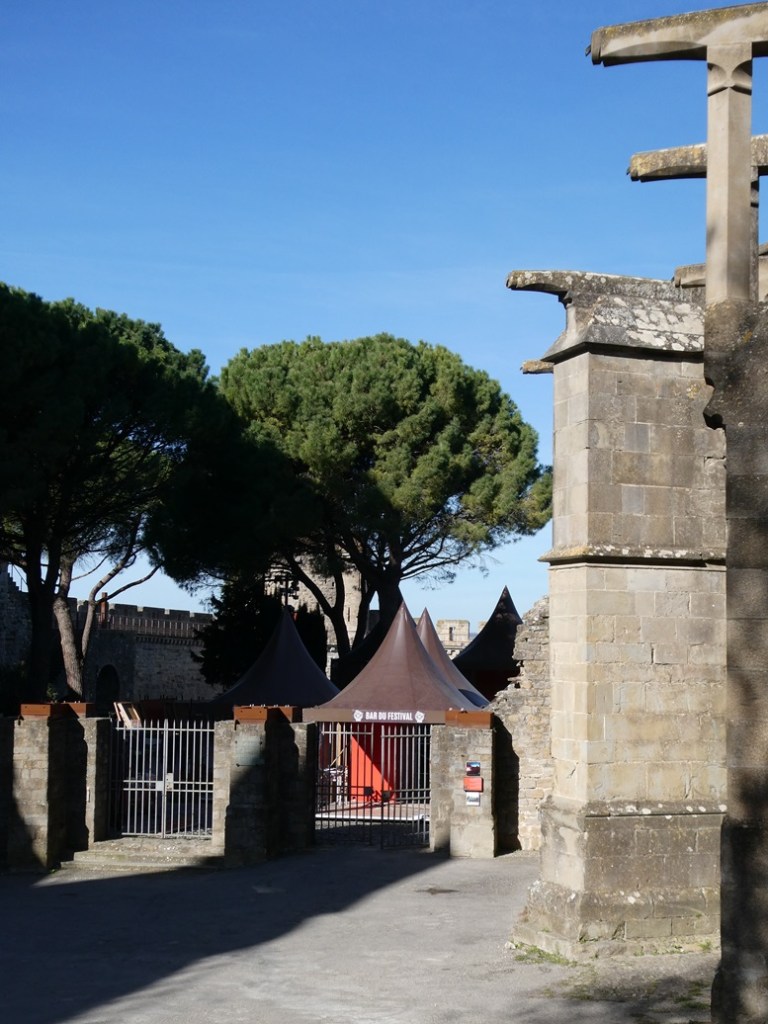
The modern and the ancient exist side-by-side at our next stop. Every summer Carcassonne holds a month-long international music festival and the artists with the biggest crowds fill the amphitheater we passed by next. Performers have included Diana Ross, Elton John, BB King, and Tom Jones while this summer will include Toto and Sting. Right next door is the 11th-century Basilica of Saint-Nazaire with what is said to be the finest stained glass in the south of France. The acoustics are amazing and we heard an Italian singing group performing a cappella that was spellbinding.

Our final stop was truly a castle within a castle. The 12th-century Château Comtal was the last line of defense for the ruling Trencaval family who could barricade themselves inside in case of an invasion. Ironically, La Cité was never breached, yet head of the family, Viscount Raymond Roger Trencavel surrendered to the forces of the Crusade in 1209 and died 3 years later.
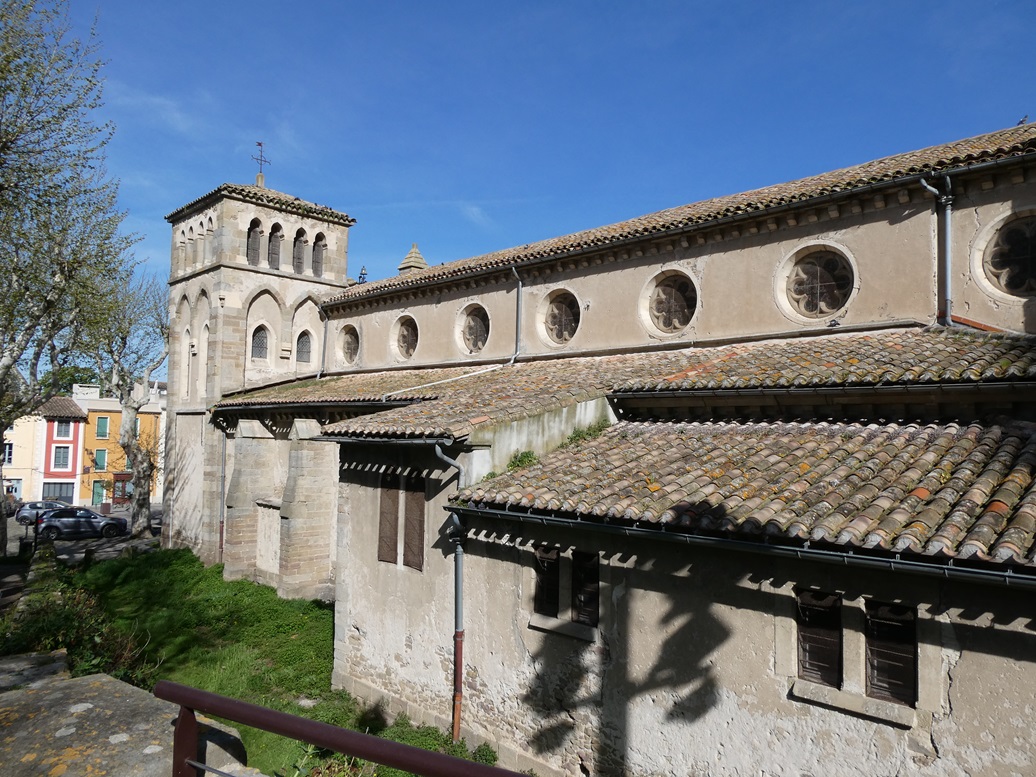
To leave La Cité we went out the “back door” that I mentioned above. The Aude Gate, named for the river below, used to open into a barbican, a fortified walkway that provided safe passage down to the water. Part of that was demolished in 1816 to make way for the St. Gimer Church. We were now on the street where we lived when we first moved to Carcassonne, literally in the shadow of the medieval walls above. It is possible to live up in La Cité, and we had initially considered it, but the thought of up to 3 million visitors passing by our front door each year persuaded us to move across the river to the Bastide.







Hello there, you two!
Thank you for the lovely history and city guide information.
Peak season of city guiding has started over here in Augsburg.
Be well,
Susanne
LikeLiked by 2 people
Hi Susanne, we thought of you especially when writing these 2 posts. Have fun guiding!
LikeLiked by 1 person
They are the kind of preparational work us professional City Guides, or City Hosts, will do. Very well done.
Have a relaxing sunday.
LikeLiked by 2 people
Thank you for the informative guide.
LikeLiked by 1 person
I wish I could “love” this and not just like it. A wonderful tour of La Cité, bringing back memories from 2.5 years ago when we had the privilege of visiting it for the first time. Thanks so much for the great reminders, and, as usual, things we didn’t know. 🙂
LikeLiked by 2 people
Thanks, Katherine! You know, La Cité will be waiting for your return visit–us too 😁
LikeLike
🤗
LikeLike