
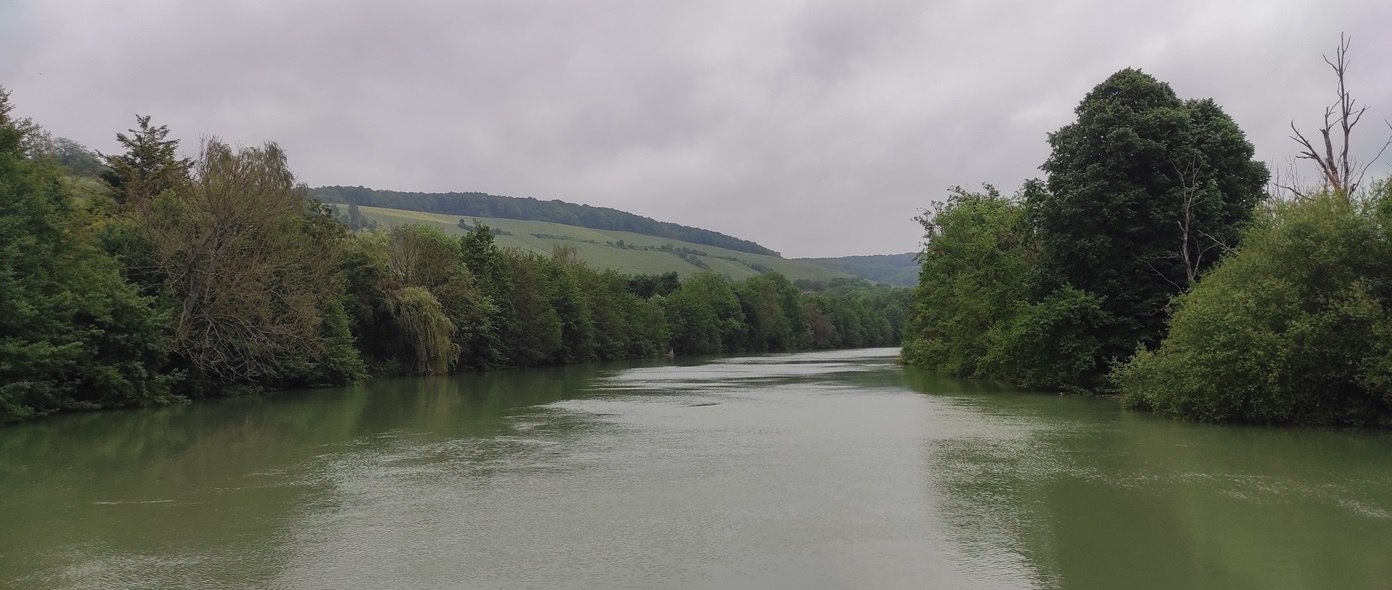

We discovered canal cruising last year when Bill was reading an article in the online magazine The Good Life France about all of the inland sailing opportunities there are in this country. We initially chose that first ship because it was traversing an area that we’d never visited and it was all-inclusive: accommodation, meals, drinks, and daily excursions. Unpack once yet wake up in a new city each morning. Because these barges, péniche in French, are small with only 22 passengers, they can travel where larger river or sea-going vessels won’t fit and can dock very close to a town’s center. All I had to hear from Bill about this latest offering was, “Would you like to start in Paris and end up in Champagne?” Let’s go!
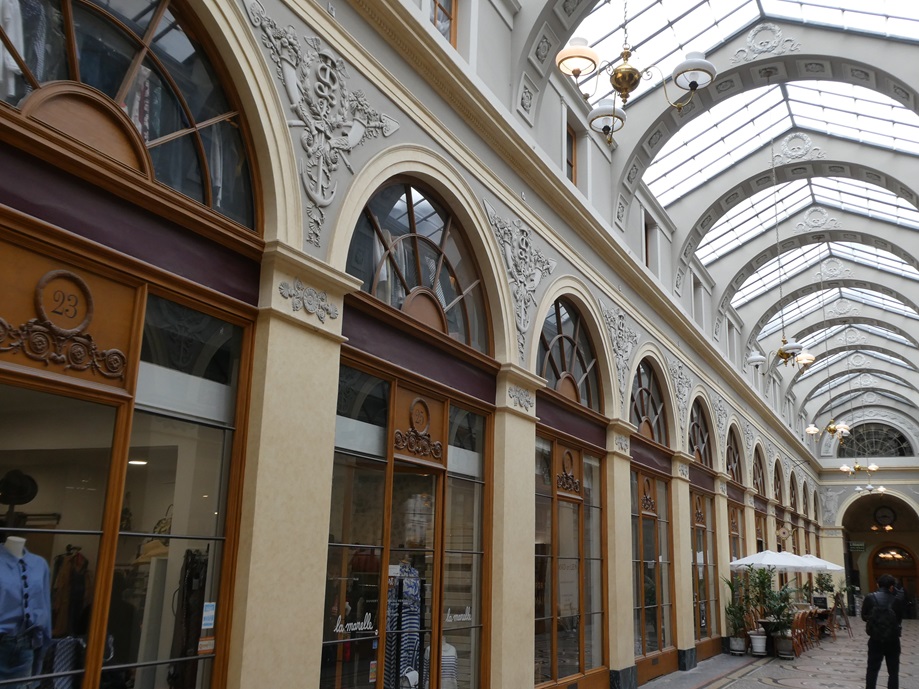
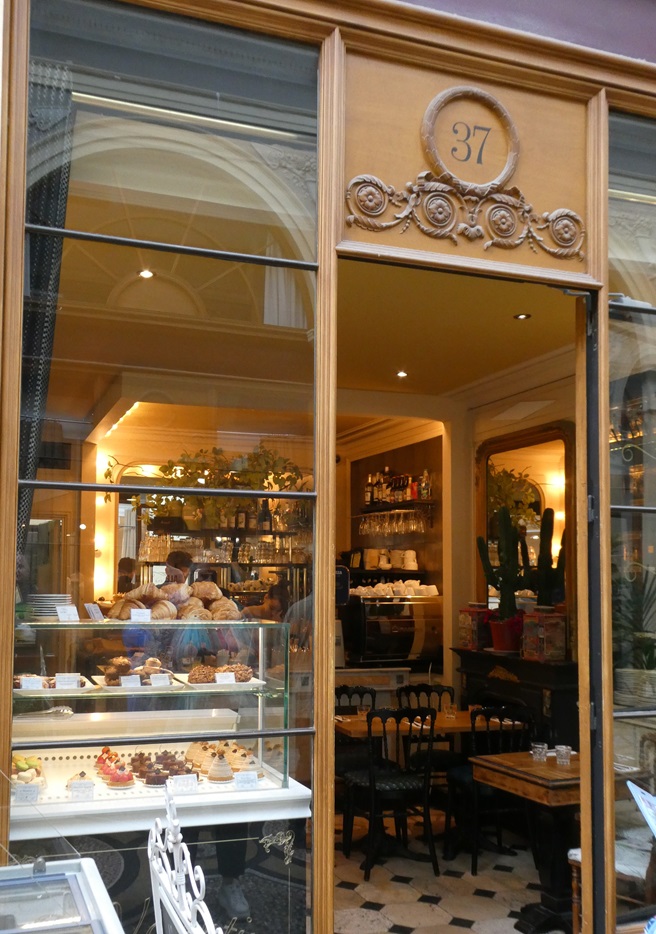
When we boarded the hotel barge it was docked with a great view of the Eiffel Tower and that’s where it stayed overnight. That made it easy to hop aboard a minibus the next morning for a panoramic tour of Paris before we went on a walking tour of the Palais-Royal neighborhood to visit a couple of covered walkways or passages couverts. These beautiful, glass-roofed arcades date back to the 18th century and are lined with shops, cafes, and boutiques surrounded by elegant architecture and intricate mosaic floors.
We were back to the boat in time for lunch while we set off up the Seine passing familiar landmarks including the Musée d’Orsay, the Louvre, and Notre-Dame Cathedral. By apéro hour we had reached our next overnight stop, Lagny-sur-Marne, that the local tourist board calls “Petit Paris” because of its narrow streets, charming cafes, historic buildings, and numerous museums.

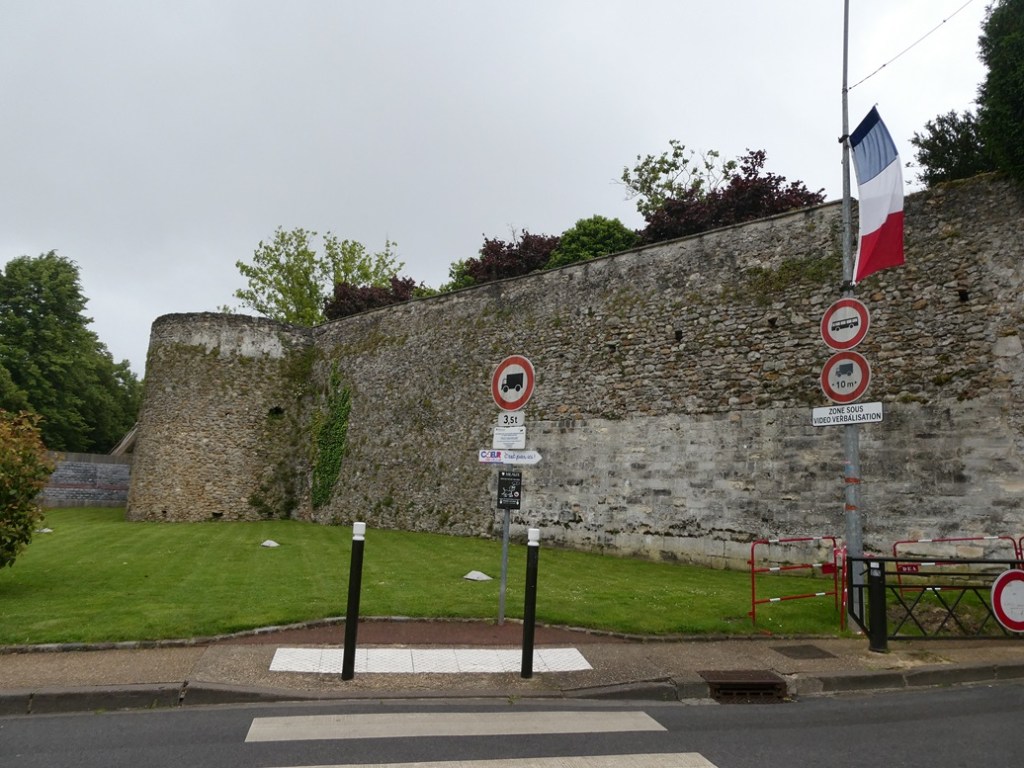
Despite the nickname, we didn’t stick around to see the town but were off early to arrive in Meaux in time for an afternoon tour. I thought that I’d heard of this city before but not because of its 2000 year-old Roman ramparts, the cathedral begun in 1175, with the adjoining Bishop’s Palace and formal garden from the same period, nor the 17th century mansions. It was cheese, Brie to be exact, that was apparently the favorite of Charlemagne. Before our guided tour of the cathedral we went to a fromagerie to see how the cheese is made and then got to taste 4 of their products appropriately paired with a red Bordeaux wine.

Castles and birds of prey just go together or at least they seem to in France. After a morning sail we docked in the town of Château-Thierry named for the medieval castle, the walls of which once surrounded 2.5 hectares (6 acres) of land that provided safety for its residents. Today much of the property is in ruins but there is still the Riomet garden that replicates the fruits and medical plants grown in the Middle Ages plus the Roseraie that houses 48 varieties of old roses. It was a rainy day so the falconry show was canceled but the “stars” were still welcoming visitors to see them: bald eagles, royal eagles, owls, and storks.
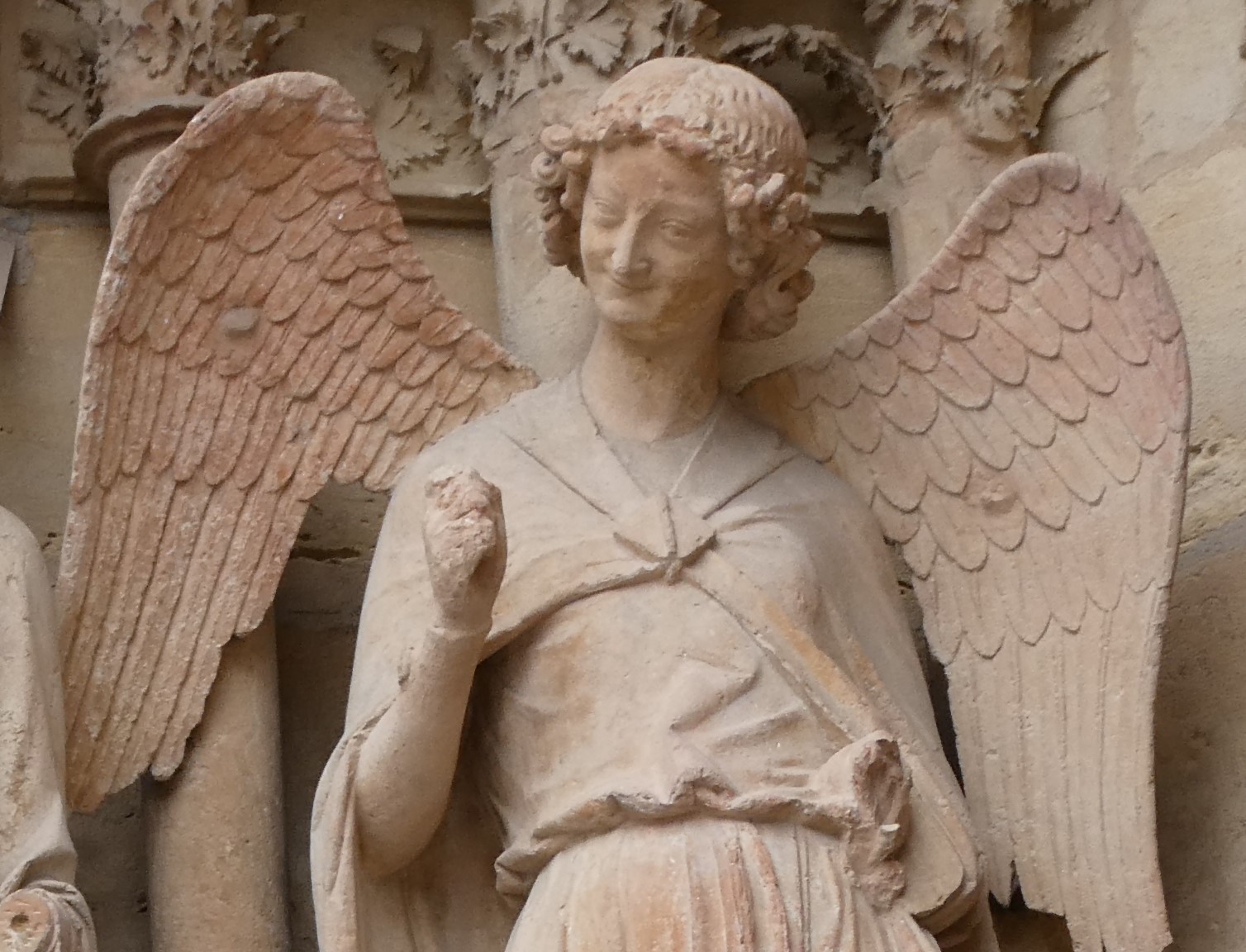
The next morning, the river glided past the Montagne de Reims regional nature park that encompasses hillsides where grapes for champagne have been cultivated since the 17th century. We knew the city of Reims for its beautiful 13th century cathedral where French kings, beginning with Clovis in 498 AD, were crowned for over 1000 years. It’s also known for stained glass windows by Marc Chagall and the smiling angel sculpture on one of the entrances. From there our guided tour took us to see Place Royale, the Hôtel de Ville, the 8th century Benedictine abbey of Saint-Rémi, and lastly to the Palais du Tau where all of those kings stayed after their coronation.

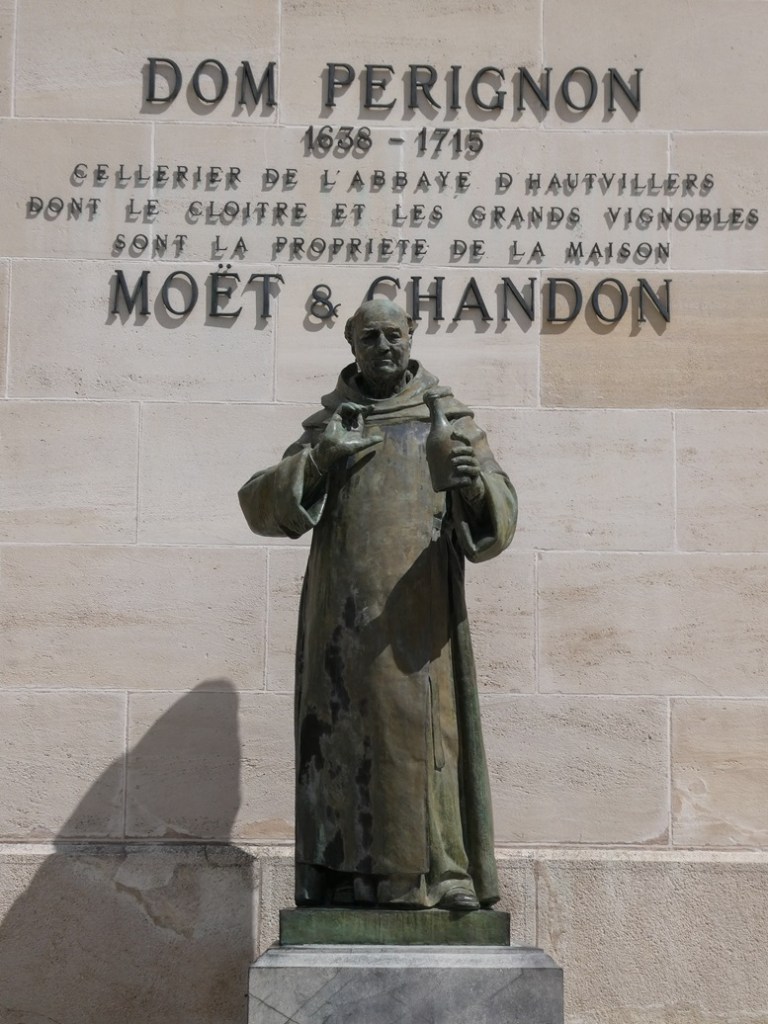
For our final full day onboard, the cruise brochure suggested that this morning we take advantage of the views of hillside vineyards from the sun deck to get a hint of where the next excursion would go. The boat was docked in Epernay where Bill and I chose to explore the city on our own. Soon, however, our shipmates were riding along the Route du Champagne with the village of Hautvillers as the destination. It was here inside the 7th century abbey that still stands today that monk Dom Pérignon worked on the Champagne production process including corking techniques that helped prevent bottles from exploding. After a demonstration of how sparkling wine is made the next logical step was to taste it at one of the many Champagne houses in town. Our farewell dinner onboard that evening was an appropriately “sparkling” event.
If you’re a frequent reader of this blog you’ll know that we like this small-boat concept so much that a couple of months ago we were on the canals in Provence and a few weeks later tried this same company’s 120-passenger Mediterranean ship from Barcelona to Nice. Later this year we’ll be on a canal in Alsace around Strasbourg. I’d read that there are about 100 navigable canals still operating in France from an original 500 that began as early as 1604. We have a few more to see!
Photo notes: The featured photo across the top of today’s post was taken as we approached the champagne region. While there we took another photo with our sparkling wine on the bow of the boat that you see in the first paragraph.









Thank you Bob for this detailed article! Very well written. I was reading and going through all those stops again.The cruise was very good. Would be even better if we had warmer days and no rain. But we met great people, I mean you and Bill.
LikeLiked by 2 people
Our pleasure, thank you! Happy to have spent the week with you two 😊
LikeLike
Sounds a fantastic trip
LikeLiked by 1 person
It was! We’ll see you on the next one? They have bicycles onboard to ride along the canal where there’s a path, you know. 🚲
LikeLiked by 2 people
Ooh tempting
LikeLiked by 1 person
Perhaps my favorite French subject. I mean champagne, of course! Thanks for taking us on a wonderful tour.
LikeLiked by 1 person
Thanks, Bob, for another great tour. We’ll be planning one on a trip in the future. A great way to travel!
LikeLiked by 1 person
Great, John, you’ll have lots of choices!
LikeLike