
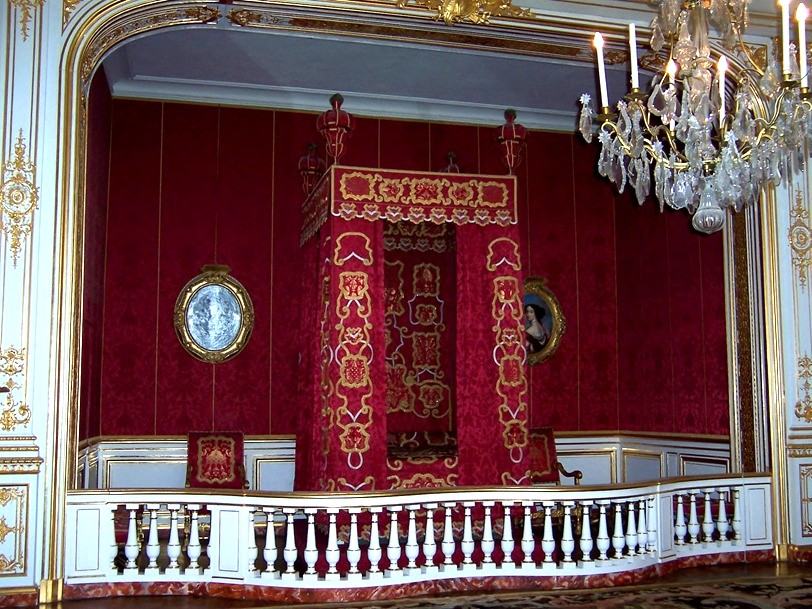

Ah, the good ol’ days of life in a European castle in the Middle Ages from the 5th to the 15th centuries. Knights in shining armor, damsels in distress, jousting, banquets, roaming troubadours, court jesters. But what about widespread disease like the plague, daily hard labor, war, violence, superstition, fear? Perhaps the one place in your home where you could retreat to escape all of the misery surrounding you would be the bedroom. However, a recently translated book on the subject suggests the opposite, especially if you were a peasant so your “castle” would have been a one-room shelter made from hastily-stacked stones or woven sticks and mud with a straw roof. If you were lucky you might have owned a farm animal that, of course, would have shared your living quarters with you.

One of our local newspapers, La Dépêche, reviewed the book, “In Bed in the Middle Ages” by Italian historian Chiara Frugoni who investigated the role of the bedroom in daily life hundreds of years ago. The title of the opening chapter sets the tone: “Only one season: winter”. Our ancestors were apparently cold much of the year. Drafts blew throughout because windows didn’t close tightly and holes in the roof and walls were common. If the room had a fireplace, the flames were extinguished earlier in the day to avoid any threat of a fire while they were sleeping. The same applied to candles so the house interior was dark and chilly.
Beds were typically on a frame above the floor to escape some of the dampness and in France they were often surrounded by drapes and a cloth “ceiling” to retain as much heat as possible. Almost everyone wore a stocking nightcap but little else because their daytime clothing likely held fleas and other insects nesting in the crevices. These garments were usually thrown across a stick that had been jammed between two walls where they could be safe from any rats below.
Few people slept alone, so at home you could be with relatives from your own family, in a hospital with other sick patients, or in a monastery with fellow religious community members. Perfumed pillows were used to mask the odors present in these close quarters from humans and from animals.
Since this room had a fireplace, it was generally used for many additional activities besides sleeping that might today take place in a living room. Guests were welcomed, meals could be prepared and eaten, and business could be conducted. French King Charles VI consulted his advisors here and in 15th century France, the term, “lit de justice” (lit = bed) was used to describe the setting for major trials.
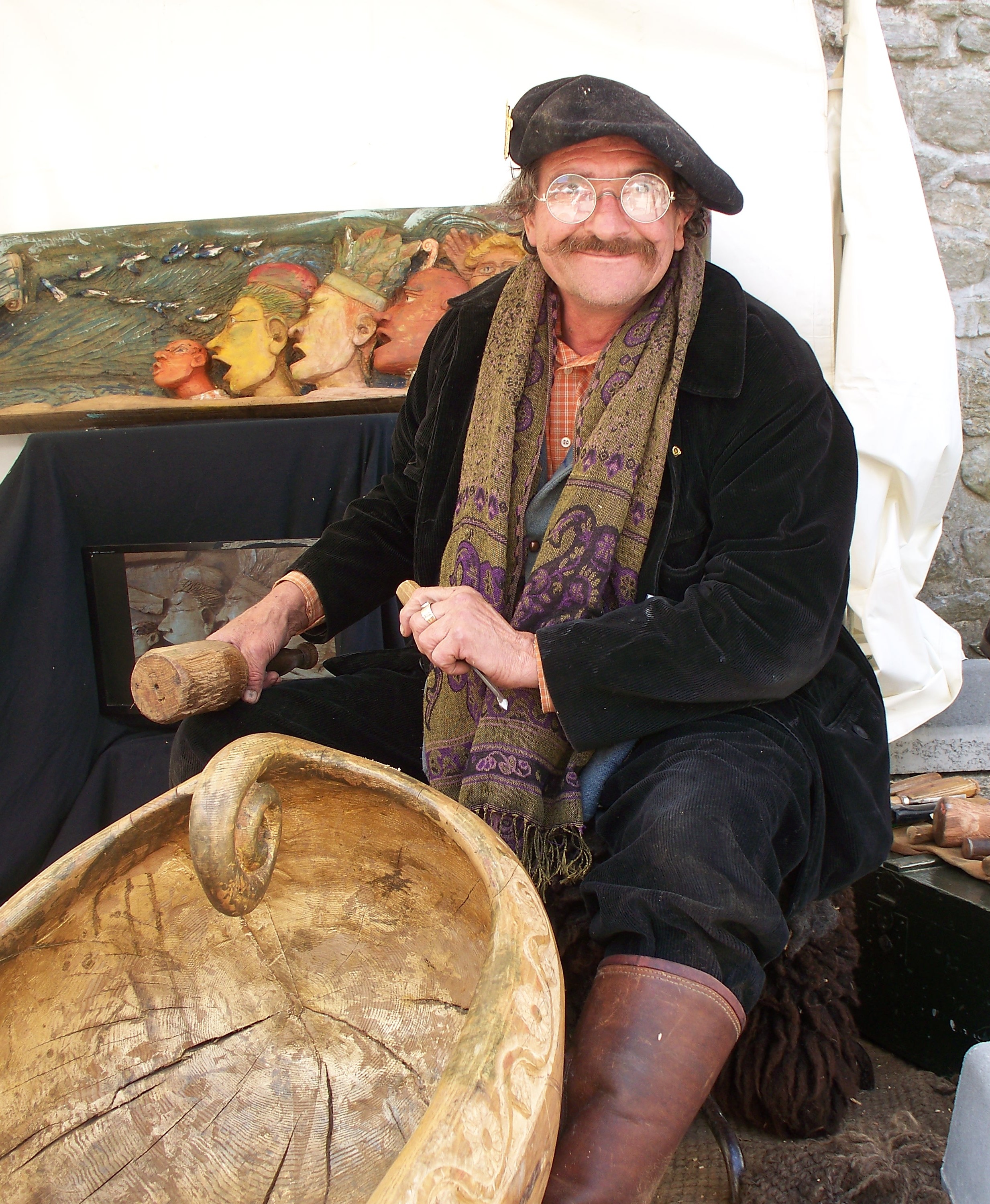
So, the good ol’ days? I think that we’ll stick with watching reenactments of the Middle Ages that take place inside the walls of Carcassonne’s medieval cité and then happily return to our own clean, warm bed safely inside a comfortable, draft-free bedroom.
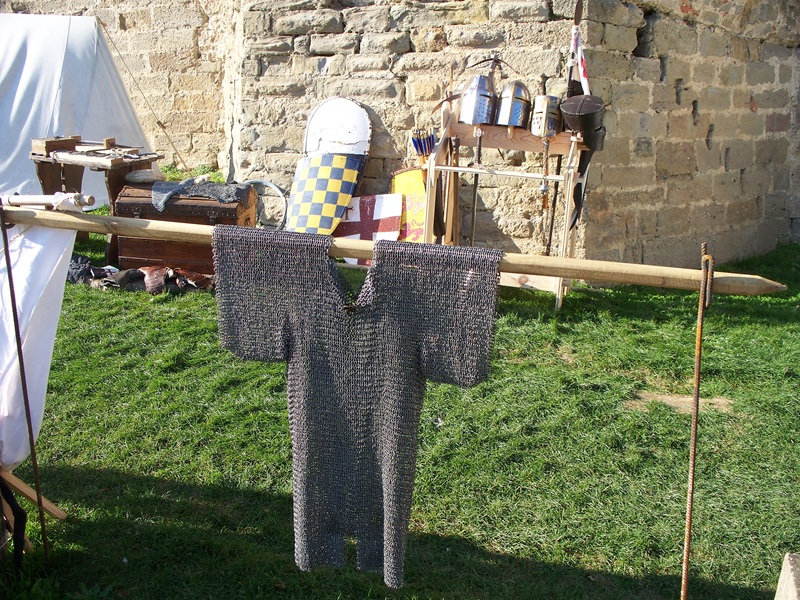
Photo notes: That’s a bedroom in the Château de Chambord across the top of today’s post while you can see weapons outside the walls of Carcassonne in the first paragraph.
 Let's Live In France
Exactly!
LikeLiked by 1 person