
Our move to France from the US a decade ago was never politically motivated; it was more about practicality. We’d been vacationing here for 30 years, although it was really a rehearsal of living here: renting apartments/houses, shopping in local markets, using public transportation, practicing French conversations. Round-trip flights, one year it was even four times, was money (and time) that could be spent on our own place in this country. We hadn’t really thought much about the other dollar amounts covering housing, food, health insurance, gasoline, etc. that clearly impact daily living. A newspaper article about Americans living overseas and contemplating going back addressed that very issue.

Each morning, one of the online papers that I read, Courrier International, has an occasional magazine called Courrier Expat devoted to the concerns of anyone living outside of their birth country. They featured some interviews that the New York Times had done with a few remote working Americans entitled, “When Returning to the U.S. Seems Unaffordable”. Although no one that they talked with lived in France, this was interesting because the concept of living and/or working abroad remains appealing to at least ⅓ of the US population and up to ½ for those under age 35, says Monmouth University.
Nino has worked remotely in the country of Georgia for two years where she has a cook and a housekeeper, takes a taxi on most days, and eats at restaurants on a regular basis. Despite earning a 5-figure salary, she knows that by returning to her home in Baltimore she will have to give up most of those luxuries. According to the Association of Americans Resident Overseas, Nino shares that concern with 5.5 million other Americans living abroad.
A video editor from Denver, Cory, lives with his wife in Kuala Lampur where they can pay out-of-pocket for medical services that would cost them thousands of dollars back in Colorado. Even with the savings that their current living situation has allowed, they fear that their bank balance will not let them return to retirement in the US.

After the COVID restrictions, many Americans were tempted to investigate working in another country that might offer less expensive living. Beyond lower daily expenses, there can be tax incentives. For those who qualify, any income up to $130,000 earned in that other country while living overseas is exempt from US income taxes. Nino in Georgia, benefits from this exemption and locally pays a tax rate of 1% on what she earns there.
James, from Chicago, was another who mentioned being able to afford healthcare costs in Mexico City on a salary of $15,000. He is now back temporarily living with his parents while he earns a degree that will allow him to return south of the border for an even better paying job.
Clearly, health care costs, be they insurance premiums or direct payments, are a concern for many/most people. We know a family of four paying $2000 a month for health insurance and I read of a single man opting for a $5000 deductible to keep his monthly insurance payments at $500. Next time on the blog we’ll address this topic and more regarding budgets specifically for France.
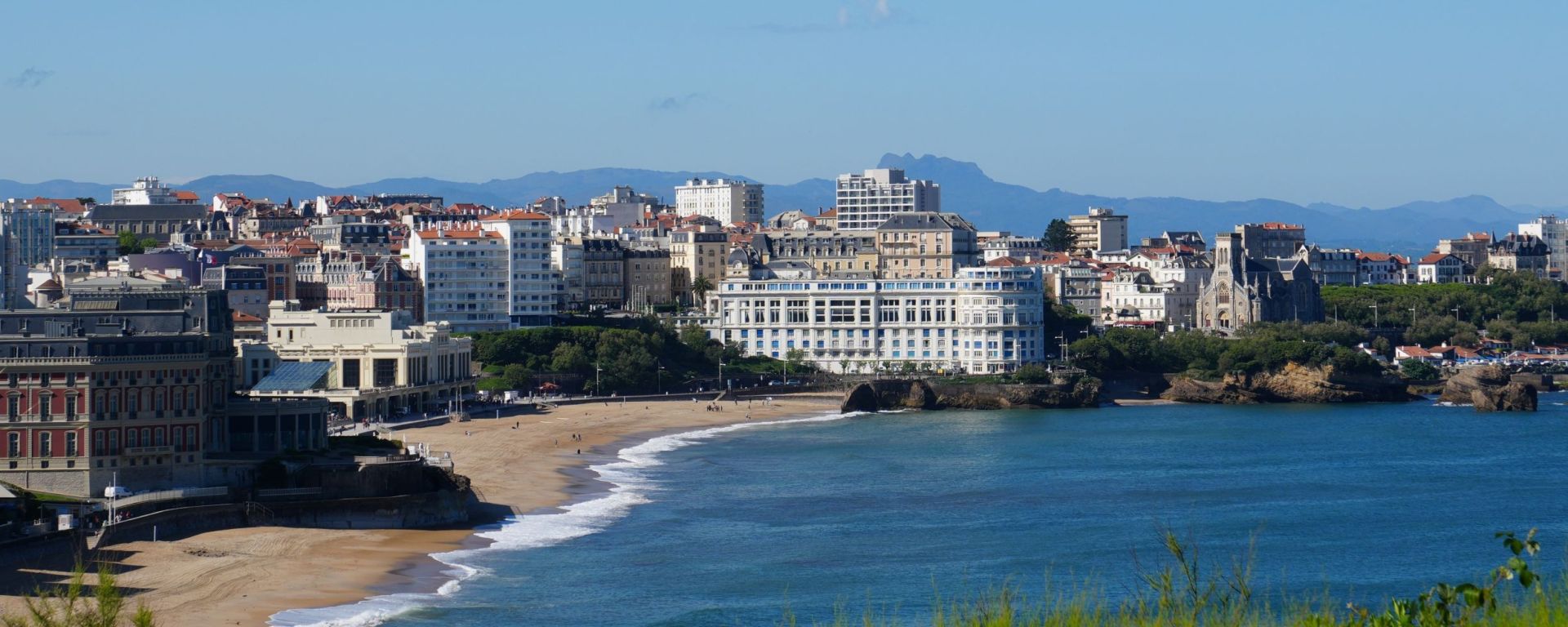
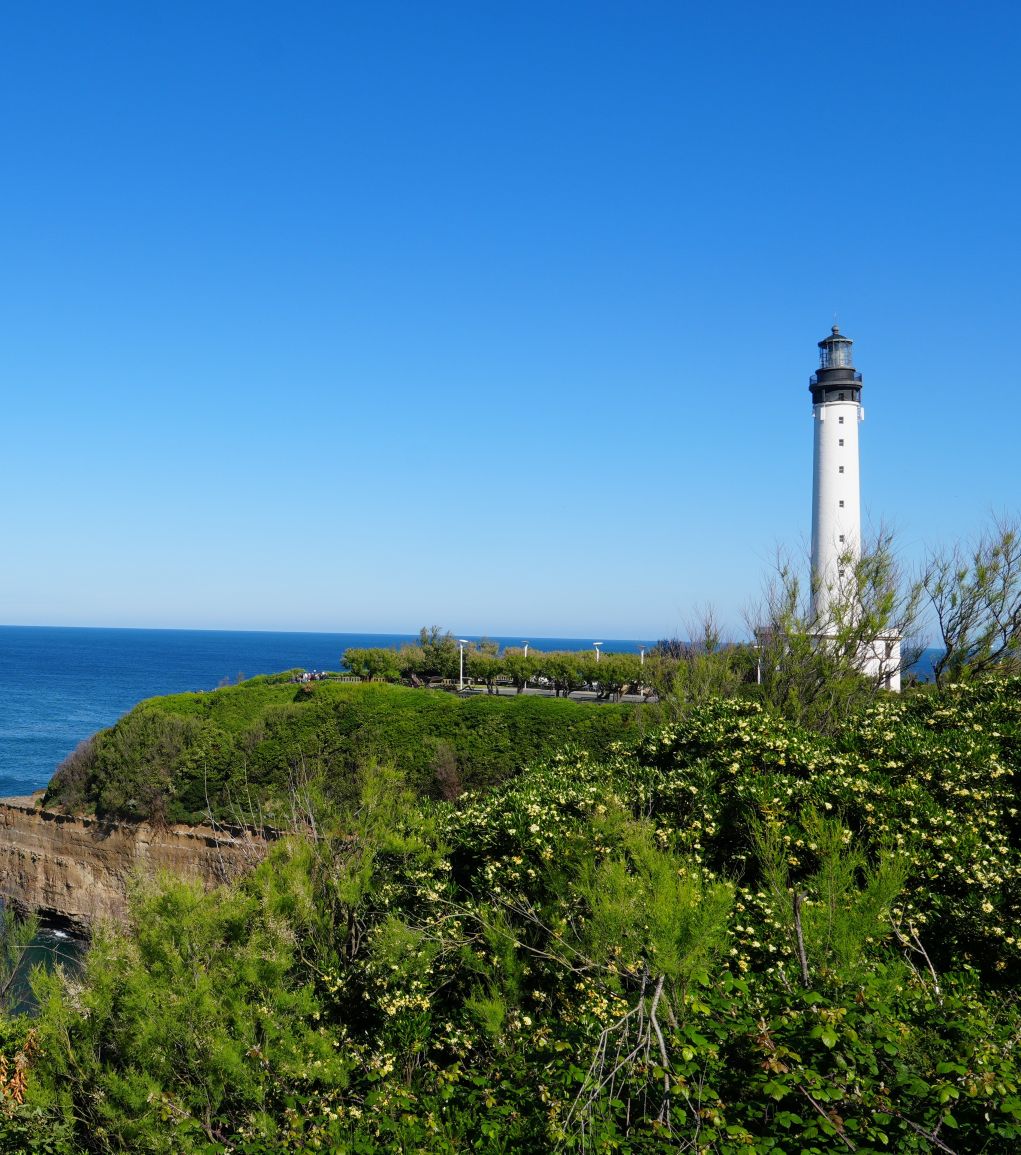
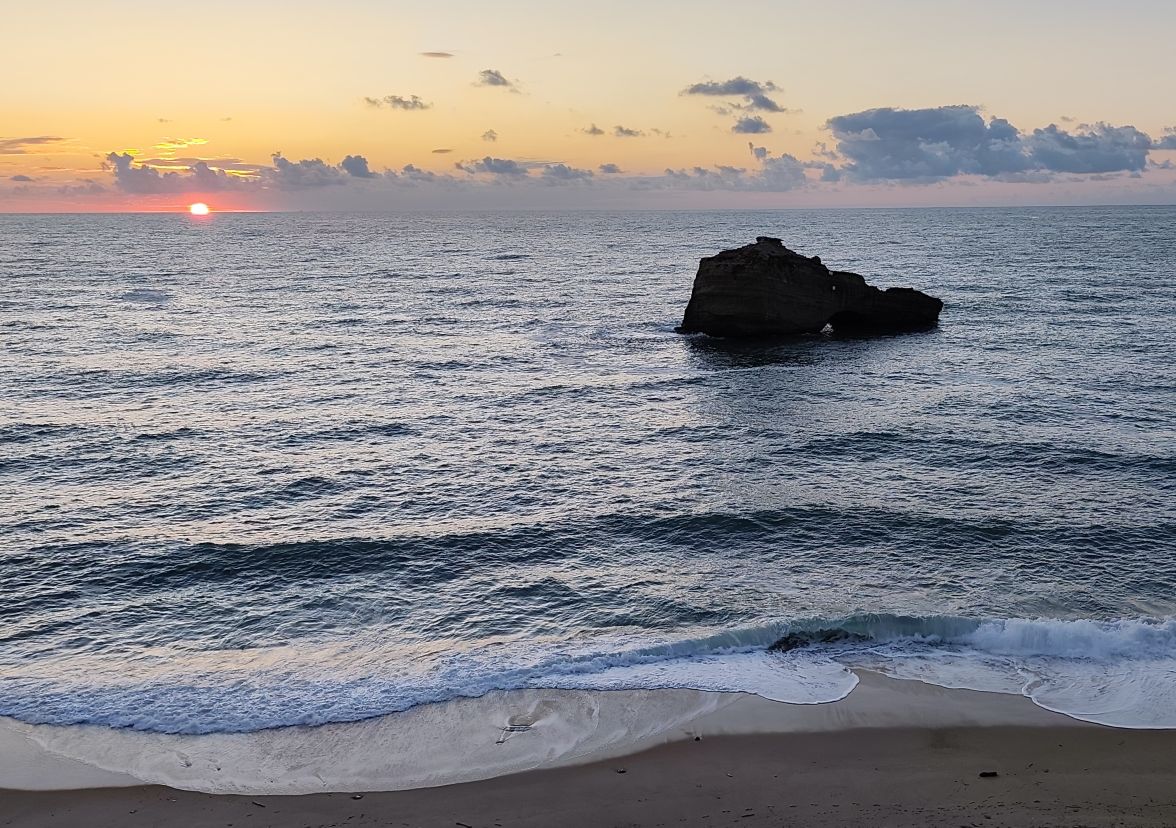
Photo notes: All of today’s photos came from a recent trip to Biarritz on the Atlantic coast near the Spanish border.


Interesting! We have no desire to leave France, but we appreciate each day how easy it is to live well on our U.S. social security. I hope you’ll write about your Biarritz trip; I’m eager to hear how you liked it!
LikeLiked by 2 people
Thanks for asking, Sandy! Since we’d already been to Biarritz letsliveinfrance.com/2022/02/20/basking-in-basque-country/ this time we just enjoyed the views you saw last week and in today’s blog post. As you can see, we liked it as much as you did!
LikeLike
Ah, I just read the Bayonne/Biarritz piece; I must have missed it because it came out just after our arrival in France. Lovely!
LikeLiked by 2 people
I think it would be a lifestyle setback to move back to the US, plus, I think it’d be depressing as can be for me personally. I plan to stay permanently in France.
LikeLiked by 2 people
I thought the photos were Biarritz, hope you had a great time.
LikeLiked by 2 people
We did, Sheree, thanks. With no real plans, just to spend some time by the ocean…and the curious seagulls, LOL!
LikeLiked by 1 person
😎
LikeLike
You are living the never ending adventure!! Your life in France is perfect and you are both so happy! It’s home!!
But….) always a BUT), we miss you and wish you would come visit. Returning home is the best part of a vacation….so come vacation here…we would LOVE to have you. Home will always be there.
xo
LikeLiked by 1 person
Thanks, Elaine, for such nice thoughts! As soon as they build a train tunnel under the Atlantic, we’ll be there, LOL! In the meantime, come on back to Europe and we’ll meet you here ❤️
LikeLike