

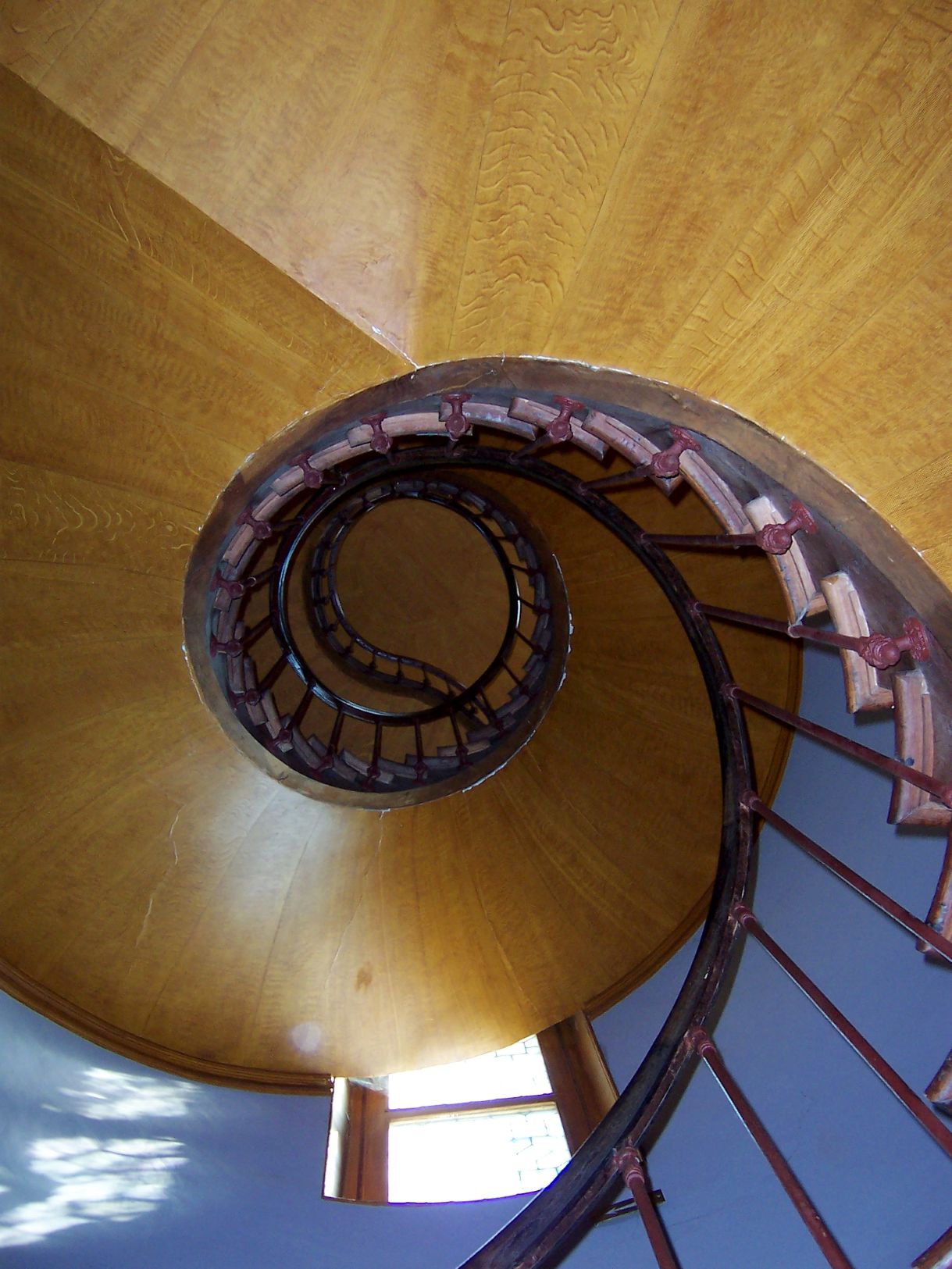
It’s pretty easy to get a consensus from health authorities around the globe on conventional ways to live a long life. The World Health Organization (WHO) reinforces the idea that lifestyle is the most powerful tool citing 4 essentials: regular physical activity, eating well, getting quality sleep of 7 to 9 hours per night, and staying socially connected. To that they would add controlling any conditions such as high blood pressure and cholesterol, stopping smoking, and getting regular screenings for early detection and treatment of issues. While those ideas all concentrate on the body, another avenue of thought revolves around stimulating the mind.

According to keynote speaker Gus Balbontin, one way to exercise your brain is to “embrace discomfort and novelty” that simply means to find new and challenging experiences that require fine motor skills like learning to juggle, knit, or play a musical instrument. Another is to develop a sense of awe and curiosity about the world around you and that’s where learning a language comes into play. This idea is strongly supported by recent research.
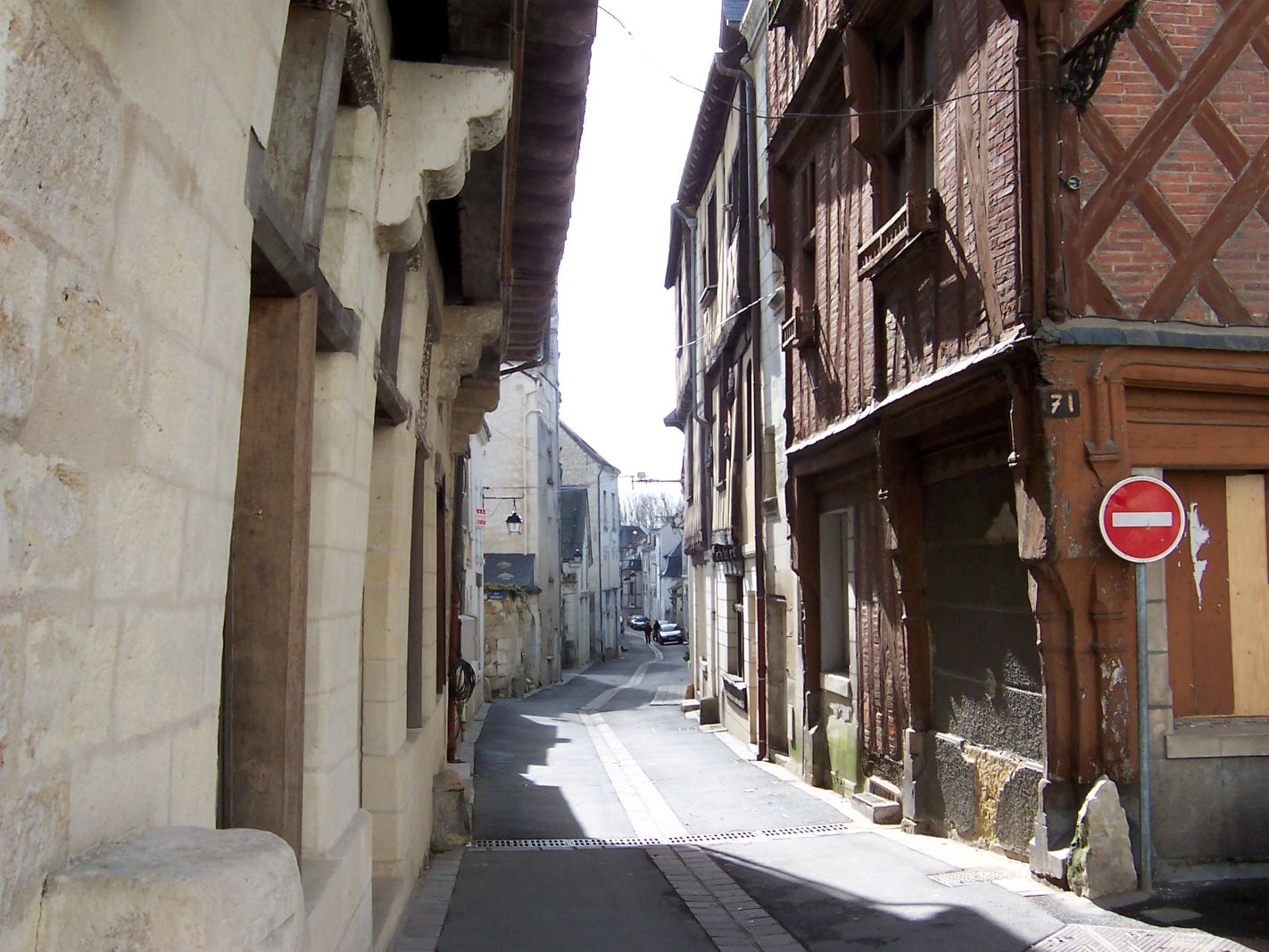
Last year, the journal Nature Aging published a report entitled “Multilingualism protects against accelerated aging…” that analyzed 86,000 people, aged 51 to 90, in 27 European countries. The goal was to see what impact, if any, language had on aging. The researchers concluded that individuals who used two different languages in their daily lives were half as likely to experience accelerated aging as those who spoke only one. Each additional language above two added even more protection from growing old quickly.

But wait, there’s more: these benefits aren’t reserved only for those who learned as children. It appears that acquiring a new language at any age requires precisely the stimulus the brain needs to improve functions like focus and planning. Just one more intellectual tool to add to other non-conventional mind-sharpening strategies like questioning accepted truths (think, flat Earth), achieving a daily goal, and finding a reason for being.
Author Jeannette Maw says, “We live with our best teachers” and a prime example for us is literally on our doorstep. Our neighbor’s mom is 107 years old and weekly we share a chat, often with champagne, and sometimes a meal. She’s never short on words, in French of course, but always has something in English to say to us. Now that’s healthy aging.

Photo notes: Today’s photos highlight the Loire valley. The featured photo across the top is the fortress in Chinon and in the first paragraph is the spiral staircase at Château d’Azay-le-Rideau.


It does make sense that learning another language benefits the brain. Plus, just the joy of being able to communicate better with people who speak that language.
LikeLiked by 2 people
You’re so right, Ron. For us, the incentive was to speak with the husband of our French friend whom we met almost 40 years ago. Now the four of us can carry on conversations together without the need to stop for translations. As you said, a joy!
LikeLiked by 1 person
Learning French (and Portuguese) has been one of the great joys of my life. I know the experience differs and many people struggle but the benefits and cultural enrichment and wider circle of friends that come from learning new languages have all been worth the effort. I hope my brain is in better shape as well !
LikeLiked by 2 people
Well done, Gary–double the pleasure, double the fun!
LikeLike
All very sound advice
LikeLiked by 1 person