
Here’s my translation of a French observation about this past summer’s weather: “The heat is overwhelming, the air is so humid that you feel like you’re melting right then and there, as if the asphalt itself were turning soft under our feet.” All of that just to say that it’s hot. That sounds to me like something that Victor Hugo might have said in the 1850s rather than a comment that you could hear today. Still, it’s an example of how you would be expected to speak and write on an exam of your knowledge of the French language at the near-native-speaker level of C2. This made for an interesting comparison of what the official language level requirements are versus what we hear daily in real life.
And if you plan on living in France, bridging that gap becomes a legal necessity. Just as a quick introduction, countries in Europe follow a standard classification system regarding language skills, divided into three categories—A, B, C—and two levels—1, 2. Beginners are at A1, intermediate is B, and at C2 you are proficient. These letter/number combinations become important when you want to live in France. The table below offers a look at what you need.
| Immigration Stage | Required Language Level | Key Context |
| Year 1: Visitor Long-Stay Visa (VLS-TS) | None (No requirement) | The initial Visiteur visa has zero language proficiency requirements. |
| Years 2-5: Annual Carte de Séjour (Visiteur) | None (No requirement) | Renewing your Visiteur card annually remains exempt from language tests |
| Year 5+: Carte de Résidence (10-Year Card) | B1 (Intermediate) | You must pass a certified B1 language exam and a 45-minute civics test. |
| After 5 Years: French Citizenship (Naturalization) | B2 (Upper-Intermediate) | Requires a certified B2 language exam, a written civics test, and an interview. |
That Victor Hugo-style weather report above was provided by one of the online French language teachers that I follow, Français avec Pierre, who is also a grader for one type (DELF/DALF) of those official exams you need to stay in the country long term. That insight gives him the ability to reveal exactly how to respond to exam questions and to fashion your answers to receive the maximum points. It seems that knowing how to take the test is almost as important as what you write down.
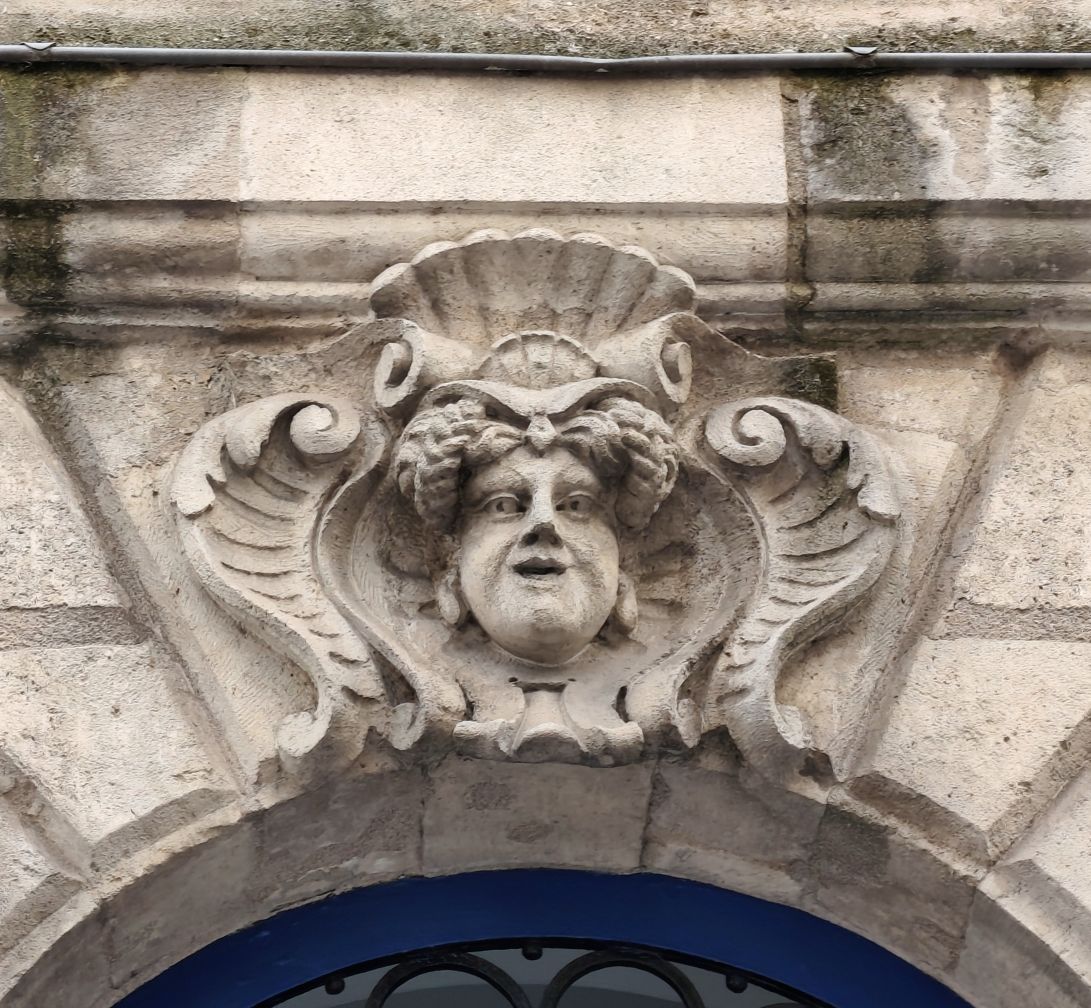
So what would we expect to hear from our neighbors on an especially warm day? A solid B1 response like, “It’s very hot today” perhaps sliding into B2 territory by adding some extra precision with “The heat is suffocating.” What I would be shocked to hear is something like the following from Hugo’s L’Été, “Within the grand palace of summer, the stars light up the chandelier. The hay is being made. Soon, the wheat.” Time for a cool drink!
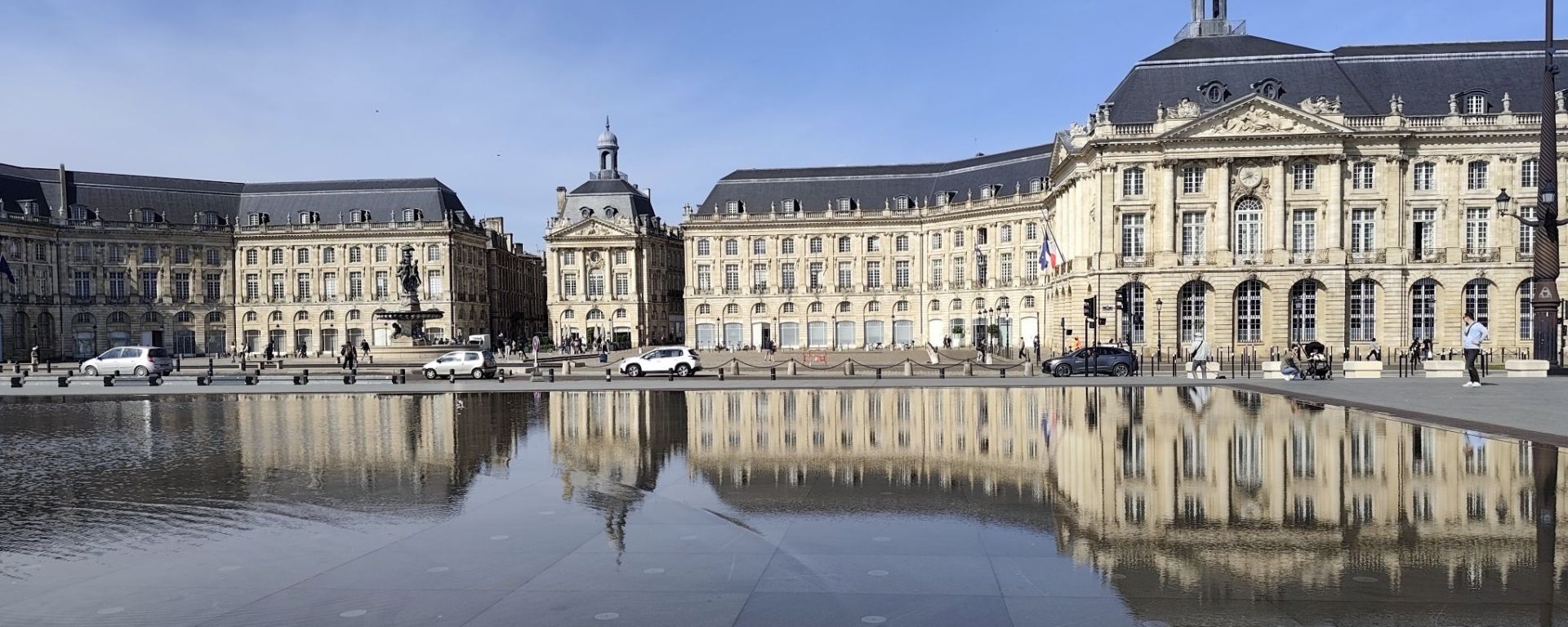
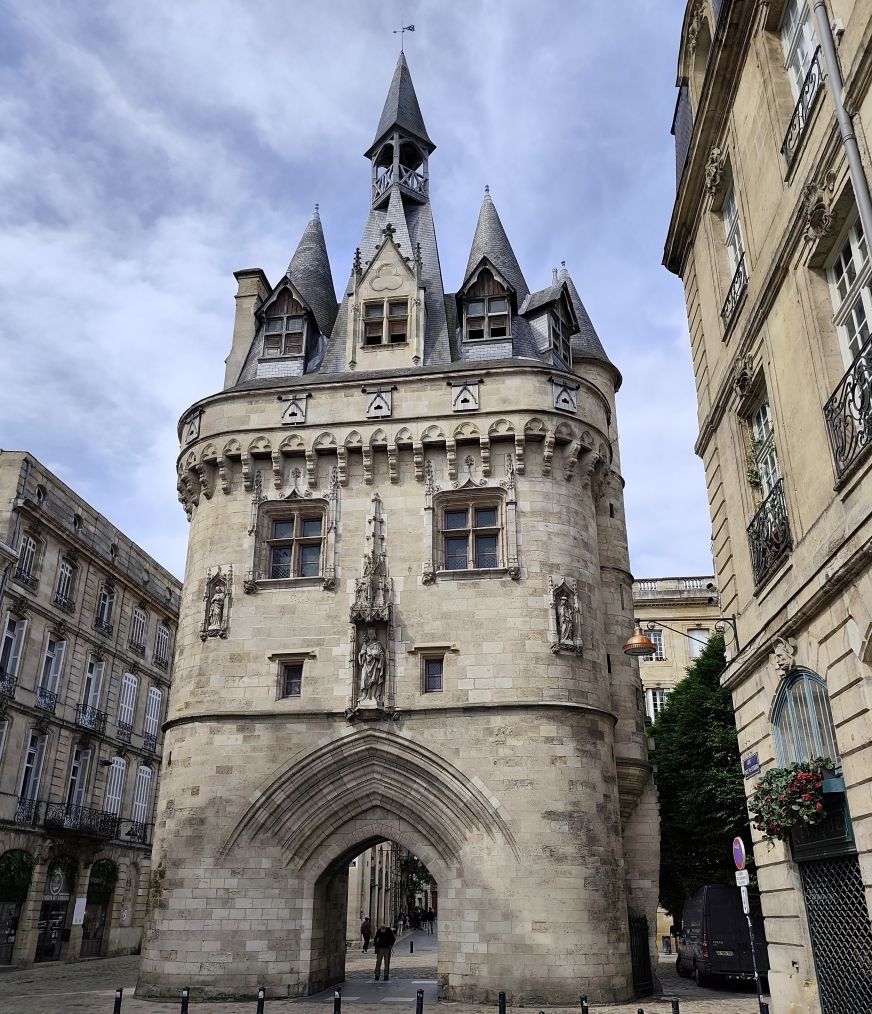
Photo notes: Today we’re highlighting Bordeaux with the Palais de la Bourse as the featured photo across the top and in the first paragraph is Porte Cailhau.

