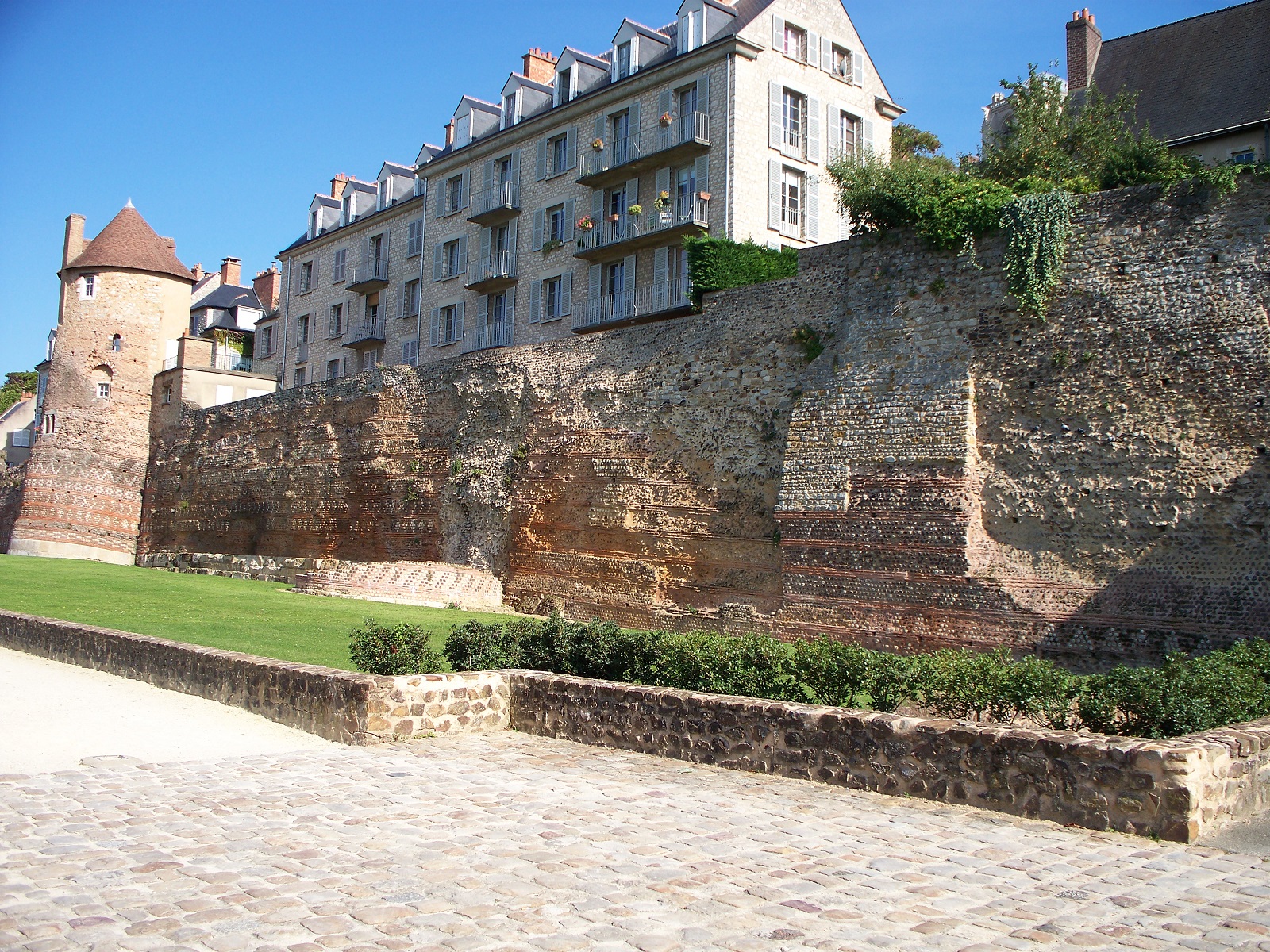
I “shutter” to think

The house that I grew up in had shutters on the windows. To be precise, these were wooden slatted frames screwed into the wall beside the windows and served simply as decoration. In fact, every house that Bill and I have lived in, both in the US and in France, has had them as well but with one major difference: here the shutters open and close so you get window protection as well as ornamentation. And it doesn’t stop there since the hot summer sun is prevented from streaming into your home, meaning that in many situations there’s no need for air conditioning to be comfortable. For the two of us who came from Atlanta where it seemed that we were in cooled air buildings 24/7, that’s been a pleasant change.

Continue reading “I “shutter” to think”

House buying fees

As you would expect, the location of a property that you want to buy has a great impact on the selling price. That 100 square meter (1076 square feet) apartment in Paris with a minimum selling price of 1 to 2 million euros would probably cost you one tenth that price in one of the most affordable places to buy in France, Saint-Étienne, about an hour outside of Lyon. The newspaper Le Figaro has compiled a list (pdf link at the bottom of this post) of cities with a population of at least 50,000 people that they have called, “The cities where the price of real estate is the most affordable.” While this chart will give you a good idea about the sales price of the home itself, it doesn’t include any of the accompanying fees, most of which fall under a category called frais de notaire that will easily be thousands of euros. So, how do you estimate that and are there other costs too?

Continue reading “House buying fees”

Narrow dog to Carcassonne

Walking along the canal in Carcassonne

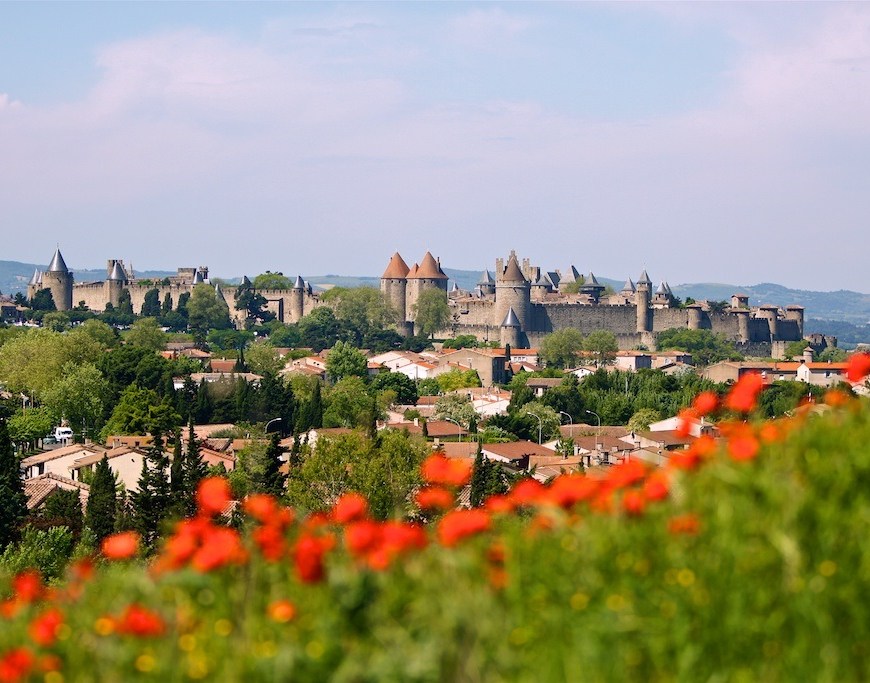
A few years ago when we were playing the Who-What-Where-When-Why retirement game, I thought that there was only one of those Ws unanswered. After all, it was just us making the decisions and we already had a timeline so the one thing left to do was to finalize the location of our next house. By that point we were pretty sure that we wanted to live in Carcassonne so we started reading everything that we could find about this medieval city. There were travel guides, history books, bicycle routes, photo pictorials, and a best-selling historical thriller trilogy by Kate Mosse. Then at the library I saw the book Narrow Dog to Carcassonne by Terry Darlington with the tagline, “Two Foolish People, One Odd Dog, an English Canal Boat..and the Adventure of a Lifetime.” Hmm, that kind of fit our situation since we were two people and one dog about to move to another country 4000 miles away. All that we were missing was that canal boat so it was time to investigate what life onboard might be like.

Continue reading “Narrow dog to Carcassonne”

Two castles and an aqueduct

Since Nîmes is less than a 2-hour train ride from Carcassonne, we’d been there on a day trip and now we were staying a few nights to explore some of the surrounding sites. On previous rail journeys through the area we had spotted two castles across from each other on the Rhône river in the towns of Beaucaire and Tarascon so we wanted to see those up close. Before that, however, was a visit to the  UNESCO World Heritage site connected to last week’s blog post about Uzès. The word “connected” is especially fitting since it’s the 2000-year-old Pont du Gard aqueduct that formed part of the link that brought water from its source in Uzès to Nîmes, 50 kilometers (31 miles) away.

Continue reading “Two castles and an aqueduct”

Uzès in 1 day

According to the tourist office brochure, as you approach the town of Uzès your first impression will be of “the three towers of power: ducal (Bermonde tower), royal (King’s tower) and religious (Bishop’s tower)”. Since there’s no train, we were taking the 45-minute regional bus from Nîmes and although that dropped us off at the edge of town, we were still only an 8-minute walk from the furthest point on our map. That gave us plenty of time to see all of the sites, have lunch with one of our blog readers, and even discover a fourth tower, the only one like it in France. This officially-designated “City of Art and History” (Ville d’Art et d’Histoire) was indeed impressive from a distance and up close. 

Continue reading “Uzès in 1 day”

Keeping your house above water

Years ago when we told our friends who live in the north of France that we were considering moving to the south of their beautiful country, the first thing they said was, “Watch out for the floods!” They were understandably concerned since there had been 14 major inondations involving overflowing rivers in the previous 15 years in this part of the country. We knew that Carcassonne itself had risks since we’d seen numerous high water marks beside the 14th century bridge that crosses the Aude river (featured photo above) that brings us drinking water daily and destruction occasionally. Luckily we’d also seen the flood zone map prepared by the local newspaper so that we knew in advance where to concentrate our house hunt, or more accurately where to avoid. But what if you’re looking elsewhere in France; is there a national database to access?

Continue reading “Keeping your house above water”

Brittany spears

It’s asparagus time! We can always tell what’s in season by the abundance of a fruit or vegetable at the Saturday market. Our area produces lots of kiwis so when it seems as if all of the vendors have those on display we know it’s winter even if the cold temperatures didn’t tell us that already. Since we live so close to Spain, those local fruits are joined by an abundance of lemons, oranges, and other citrus that ripen at the same time south of the border. Sometimes Mother Nature is so generous that in addition to the regular fruit and vegetable stalls that we see every week there will be pop-up displays of farmers selling just one product as was the case this week. Everyone had asparagus: green, white, purple; as thick as your finger or as thin as spaghetti; gathered wild (featured photo above) or from carefully tended fields; mostly local, some from Spain, but none from the French region of Bretagne that we know in English as Brittany. No Brittany spears.

Continue reading “Brittany spears”