

Last year while we were staying in France’s Basque country we made a day trip to the Atlantic coastal town of Saint-Jean-de-Luz and enjoyed it so much that we recently returned there to spend some more time. Having said that, in addition to revisiting many of the places we had seen on that first trip we also used it as a base for a trip into the Pyrenees mountains. We knew the name of this “other” Saint-Jean destination because walkers on the Camino pass through Carcassonne on their way there and now we were going to visit it ourselves.

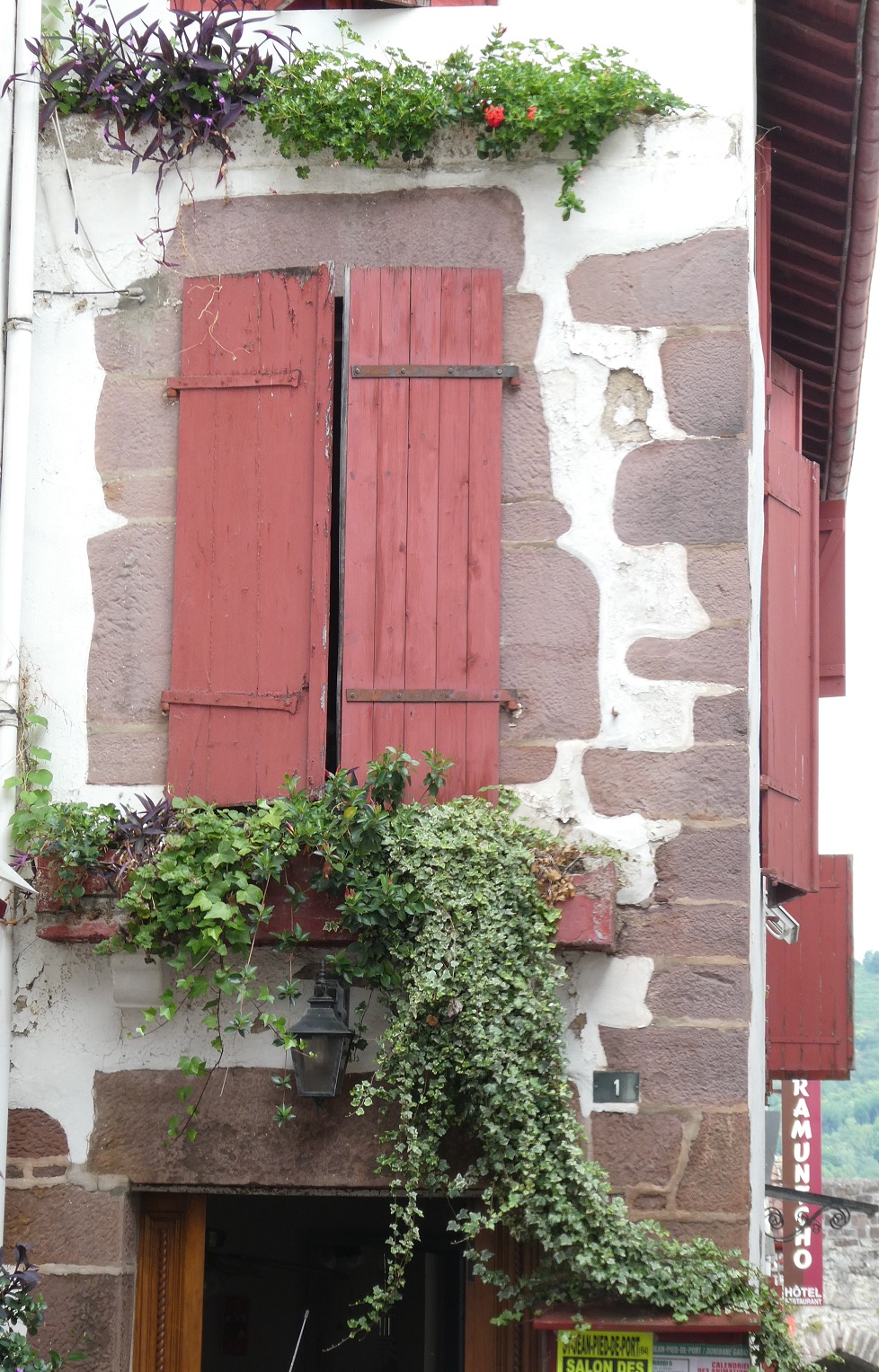
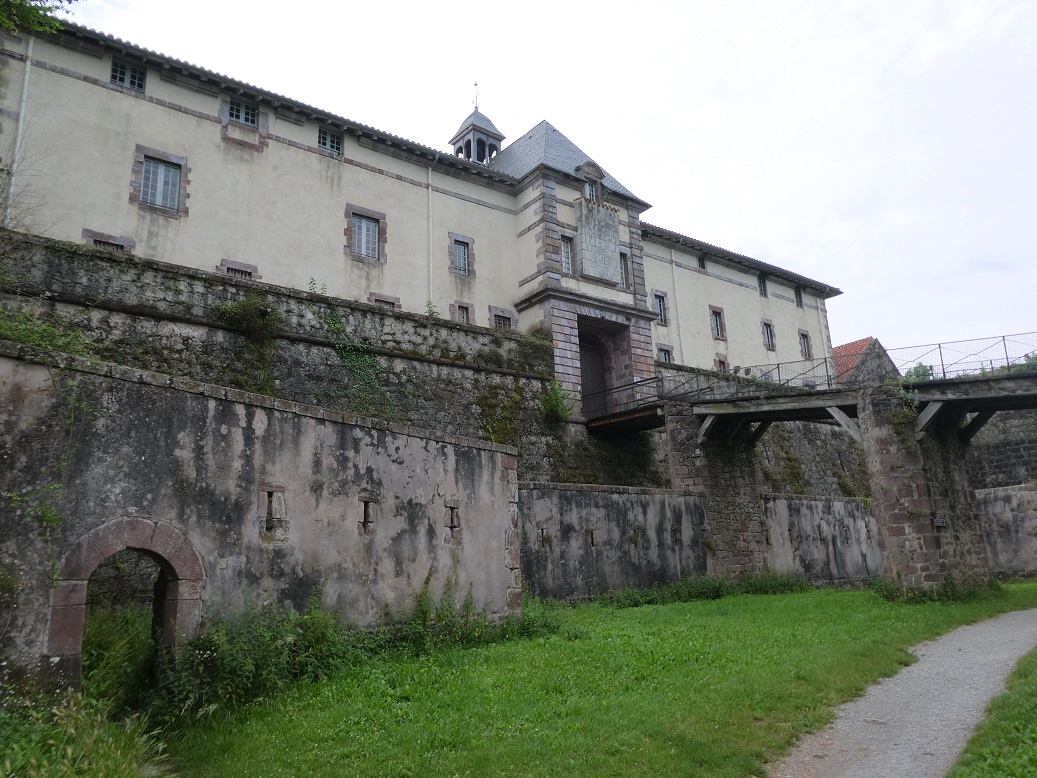
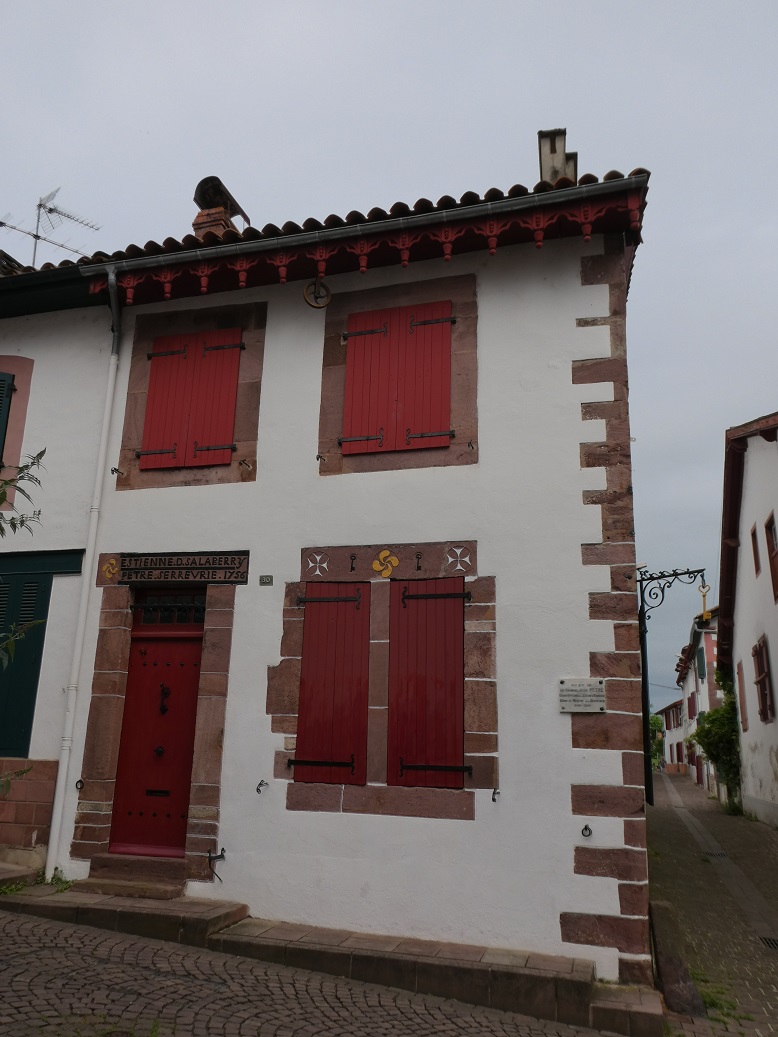
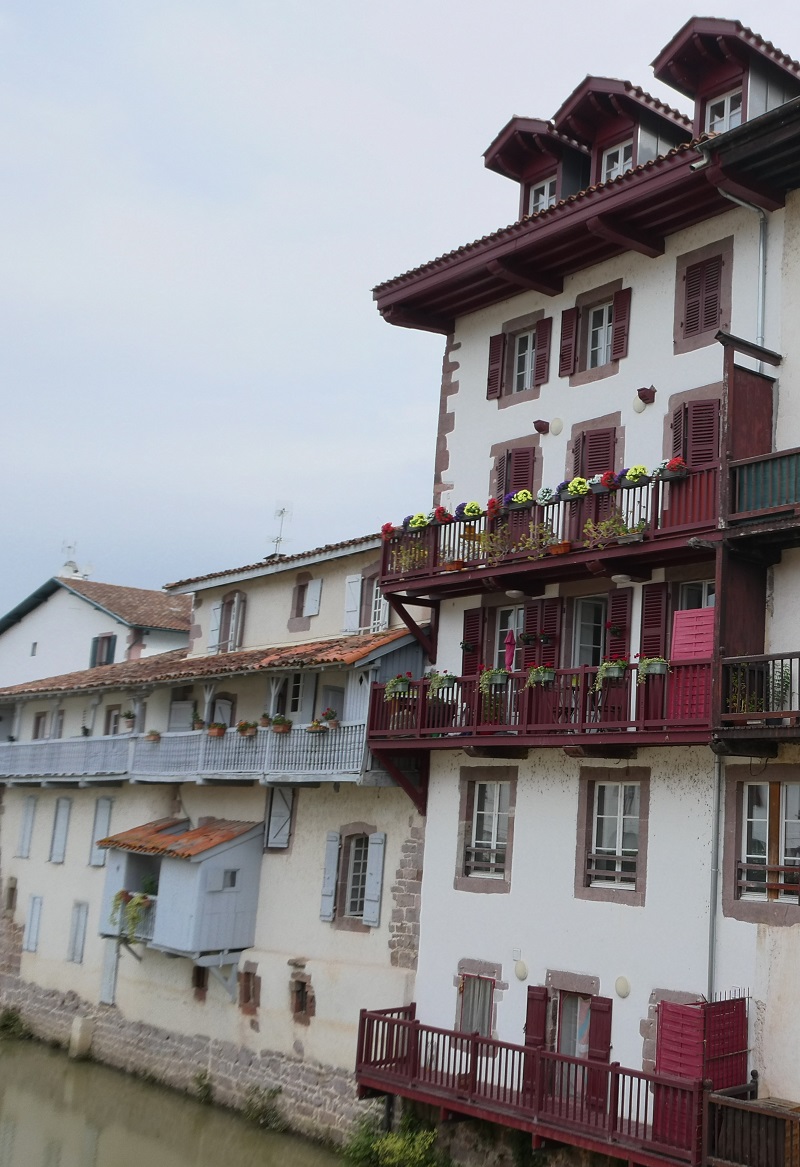
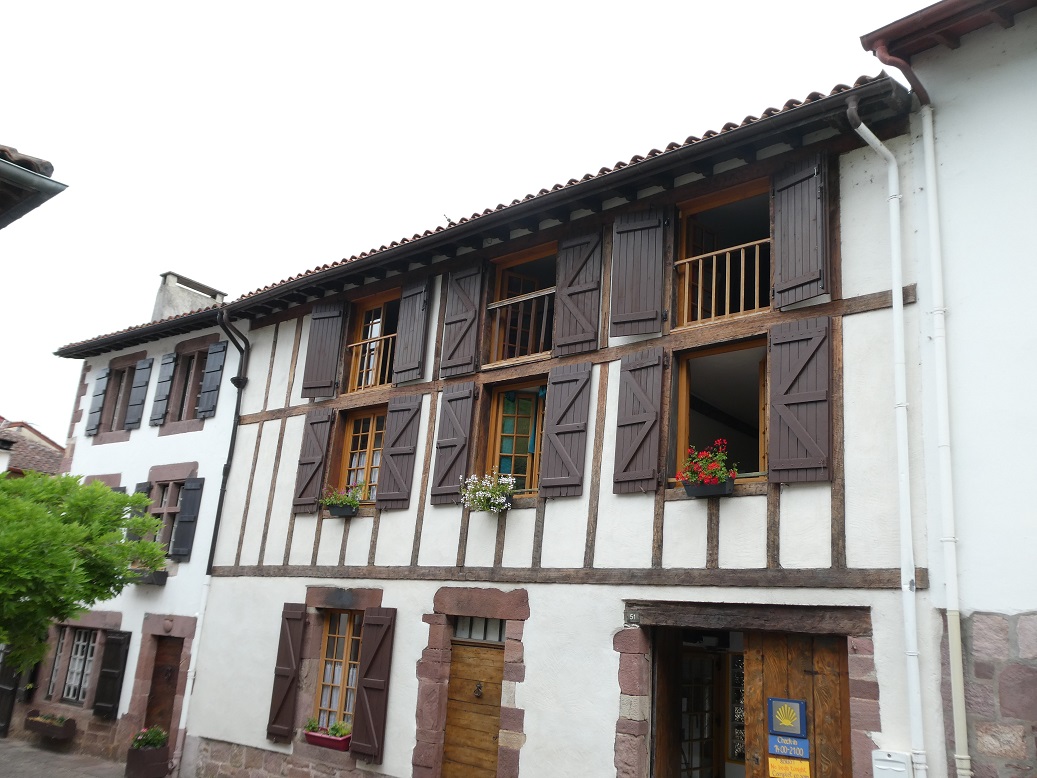
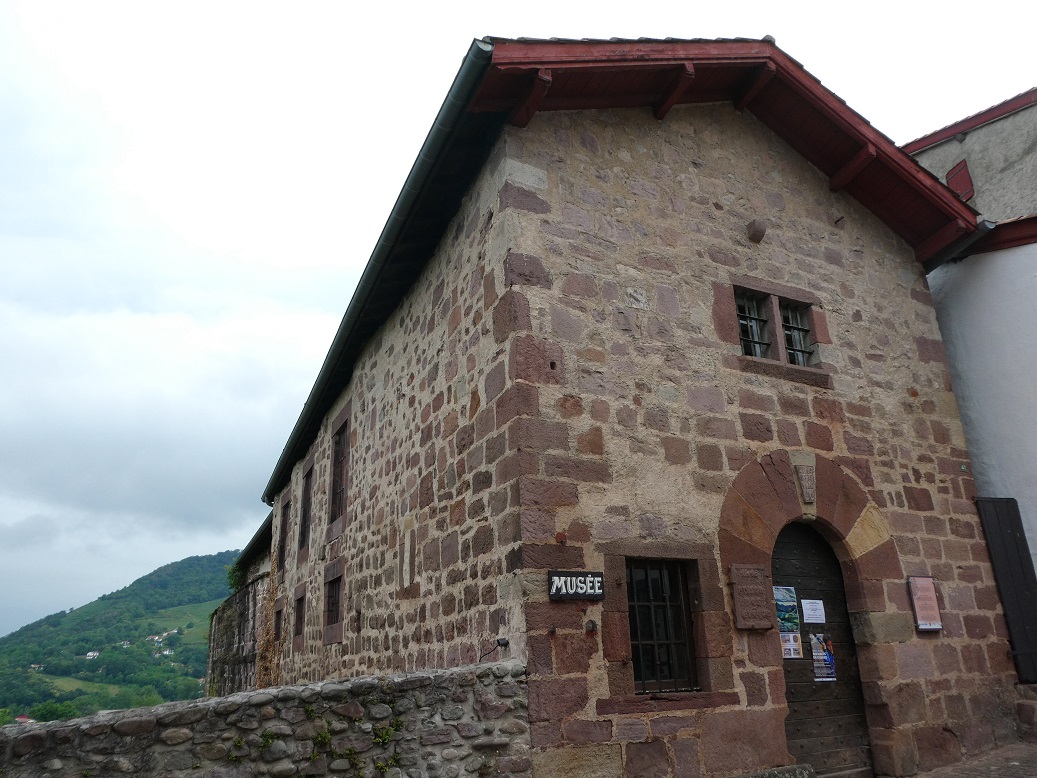
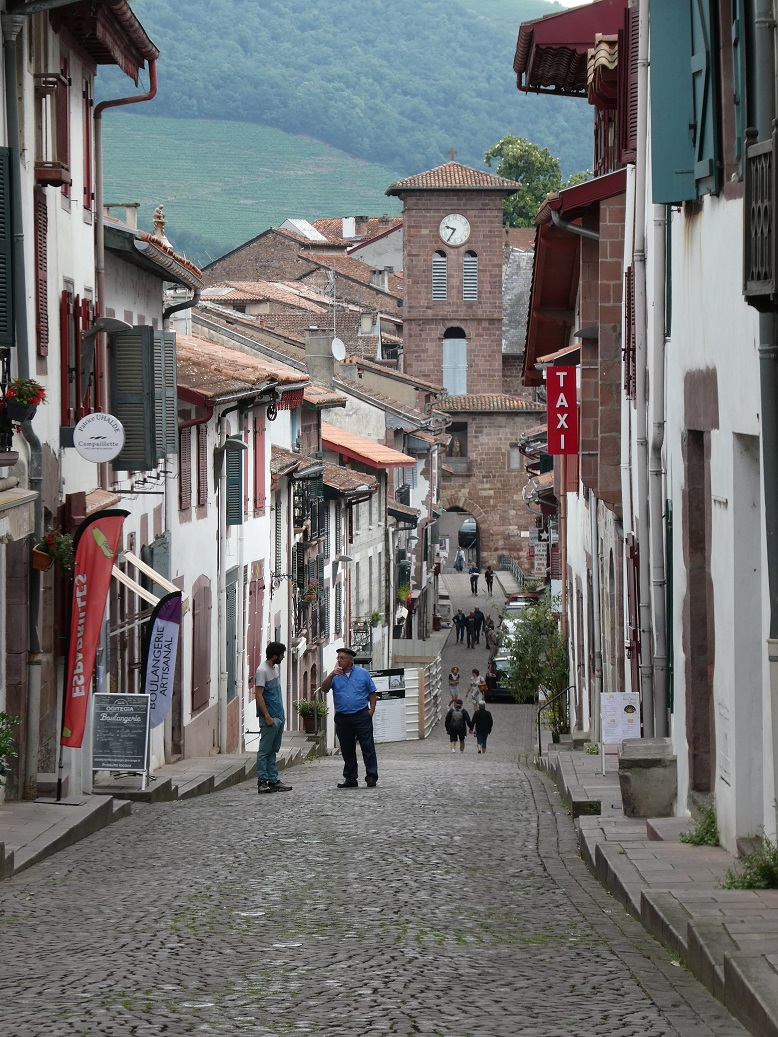
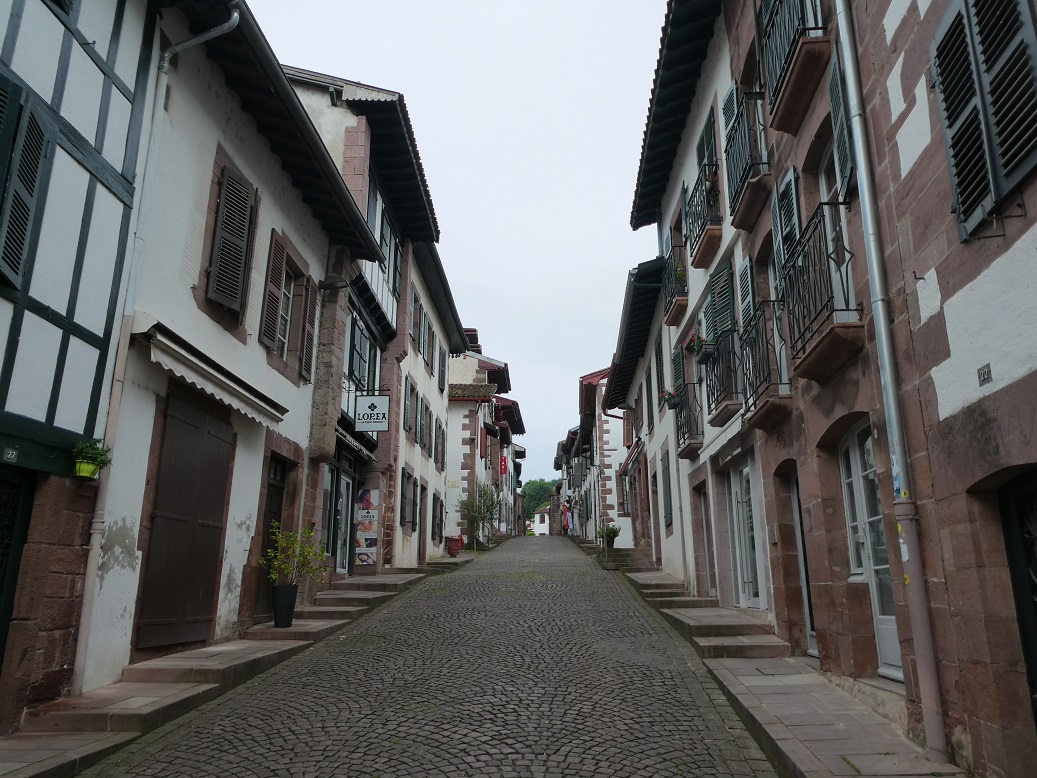
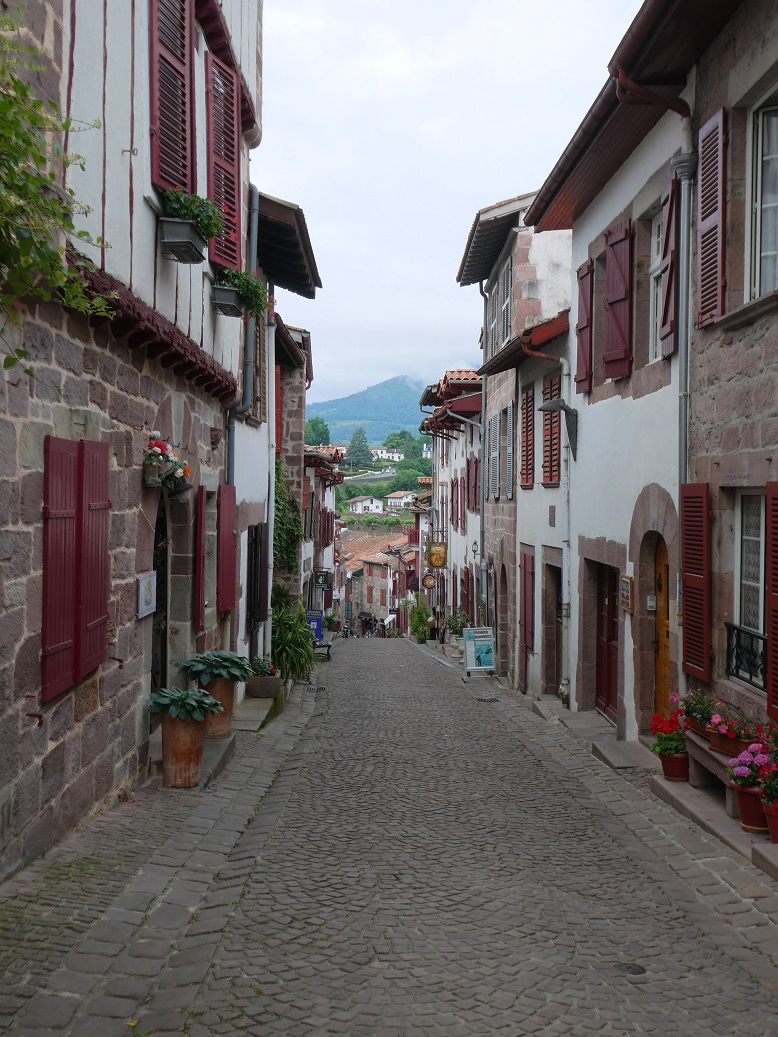
The designation of being a member of the organization “The Most Beautiful Villages of France” is usually enough to attract our attention but we also wanted to know some history of Saint-Jean-Pied-de-Port. It only took a 10-minute walk from the train station to run up against (literally) the first historical monument: the medieval walls surrounding this charming town of cobbled streets, pink sandstone facades, and half-timbered buildings in traditional Basque style. In our wanderings we saw the gothic church, the Prison des Evêques from the Middle Ages, the Louis XIV-style Maison Mansart built in the early 1700s, and of course scallop shells everywhere–details below.

To get a panoramic view of the Nive valley and the surrounding mountains we climbed up to the Citadel, the fortress that military architect Vauban improved in 1685 to ensure that it could protect not only the town but also the surrounding territory. The ramparts, trenches and tunnels still remain in place today.
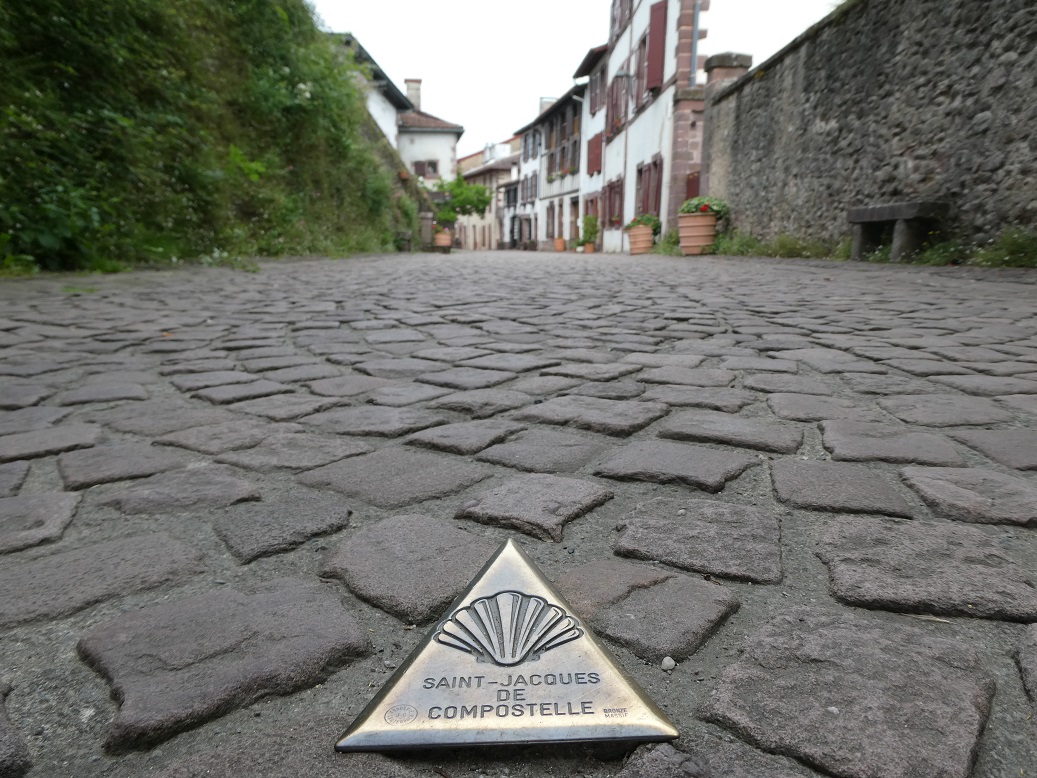
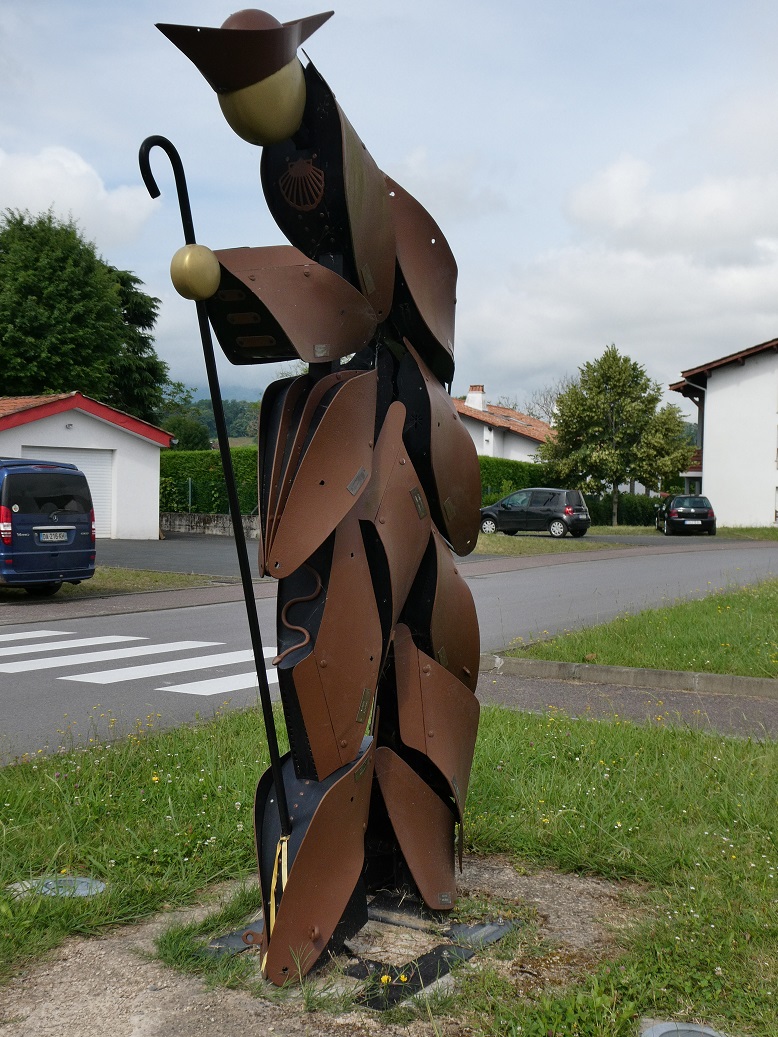
The word “port” in the town’s name comes from being at the foot of the pass or port of the Pyrenees Mountains making this the last stop in France for pilgrims walking the Camino Saint Jacques de Compostela to its conclusion on the Atlantic coast of Spain. The lines on the pilgrimage symbol, a scallop shell, are said to represent the various pathways that people follow to arrive in Santiago (Saint Jacques) de Compostela. We were pleased that our walk back to the station was only a few minutes rather than the 728 kilometers (450 miles) that these pilgrims faced. Today’s train was 90 minutes, each way, with a change in Bayonne.
If you go: We were there in mid-June and arrived on the 9:17 AM train with the town to ourselves for an hour and a half. Once the crowds filled the narrow streets by 11:00 AM we picked up some baguette sandwiches and took them back to the station to await the next train.











 Let's Live In France
What a lovely place. Your adventures are fun and enlightening!
LikeLiked by 2 people
And all only a train ride away 🛤️
LikeLike
I love this part of the world
LikeLiked by 2 people
Quaint little town. Beautiful cat you captured.
LikeLiked by 2 people