


We’re not opera fans so it surprised me when Bill said that he was ordering tickets to the opulent 19th-century Parisian theater, Opera Garnier. We do enjoy architecture, however, so it all made sense when he explained that in planning for a trip to Paris we would now be going on a guided tour inside the beautiful building that we’d admired from the street in front and from the Galeries Lafayette department store rooftop, 8 stories up. Since we would not be attending a performance, I should probably call the theater by its alternative and perhaps more prestigious-sounding name, the Palais Garnier.
Our tour began in the Rotonde des Abonnés, a huge circular vestibule that once served as the audience entrance. This was the first chance “to see and be seen”, as the guide explained, that would continue in other parts of the building.

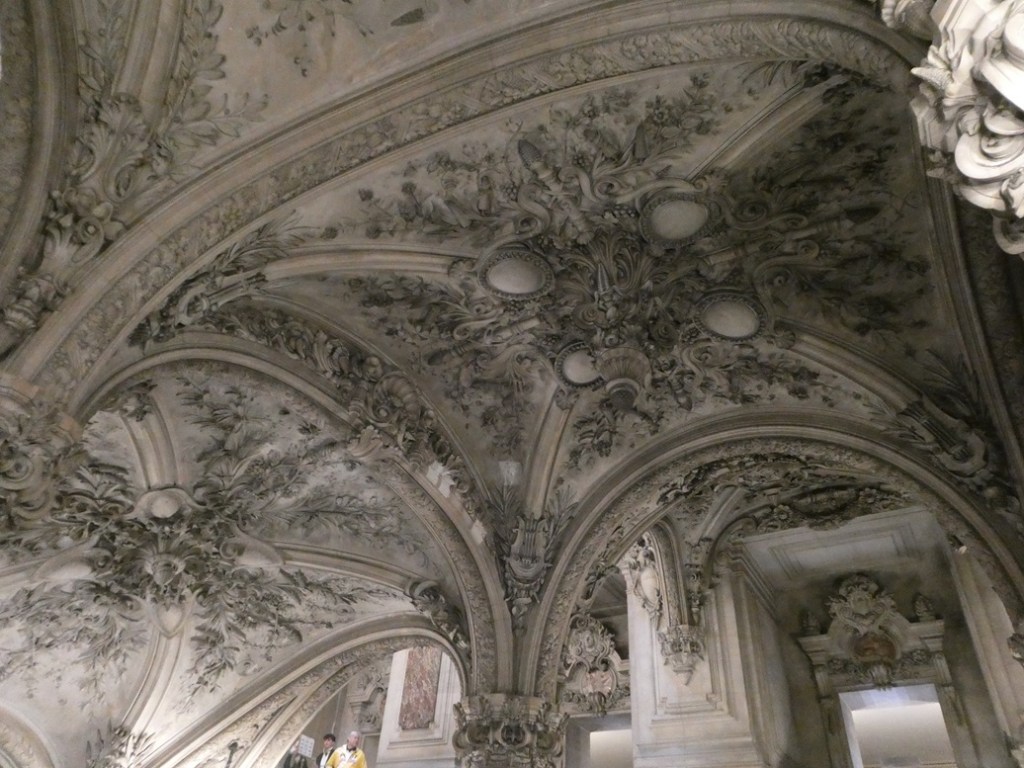
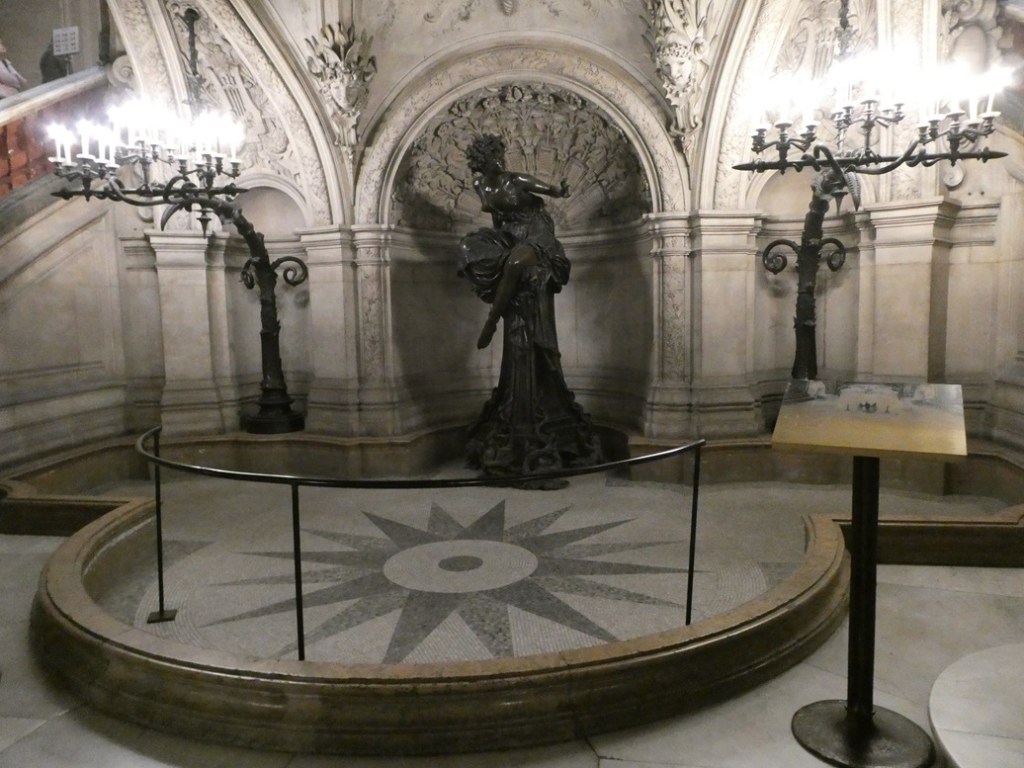
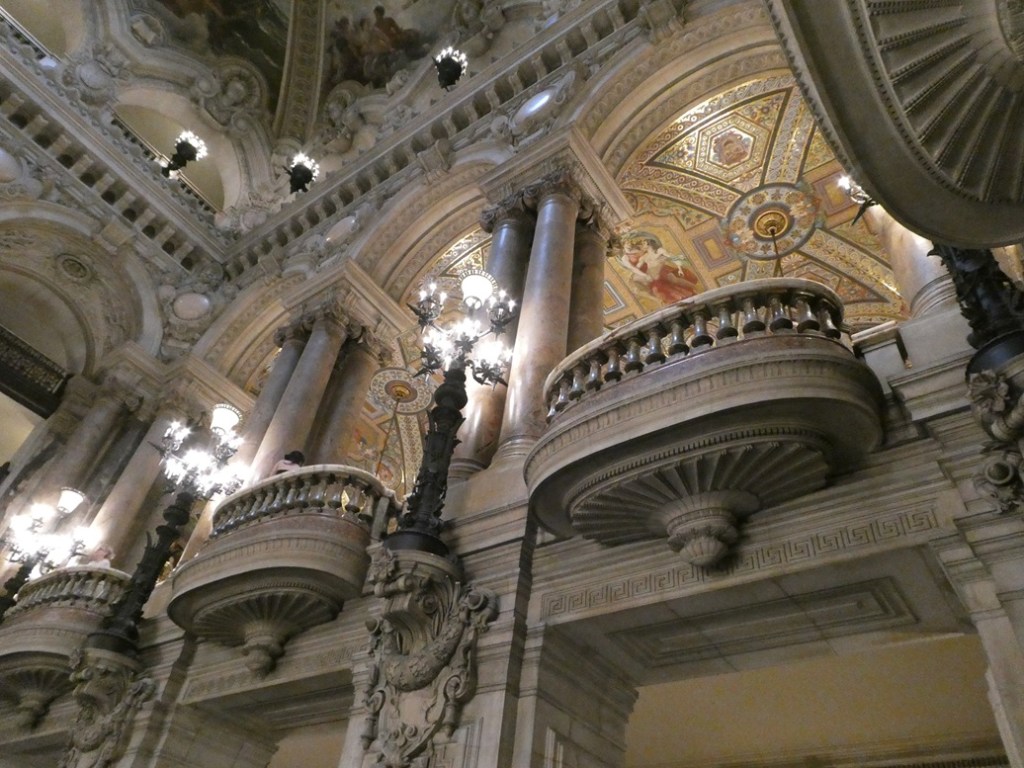
We walked on to the Bassin de la Pythia, a dry marble basin holding a statue of the Greek mythological priestess Pythia. This sits at the base of the Grand Escalier, a lavish split staircase in marble, onyx, and copper beneath a 30-meter high (98 feet) vault. At the top of the stairs we entered the Avant Foyer, a relatively intimate room (given the huge scale of the Opera) where the ceiling is covered in sparkling multi-colored mosaics on a gold background.
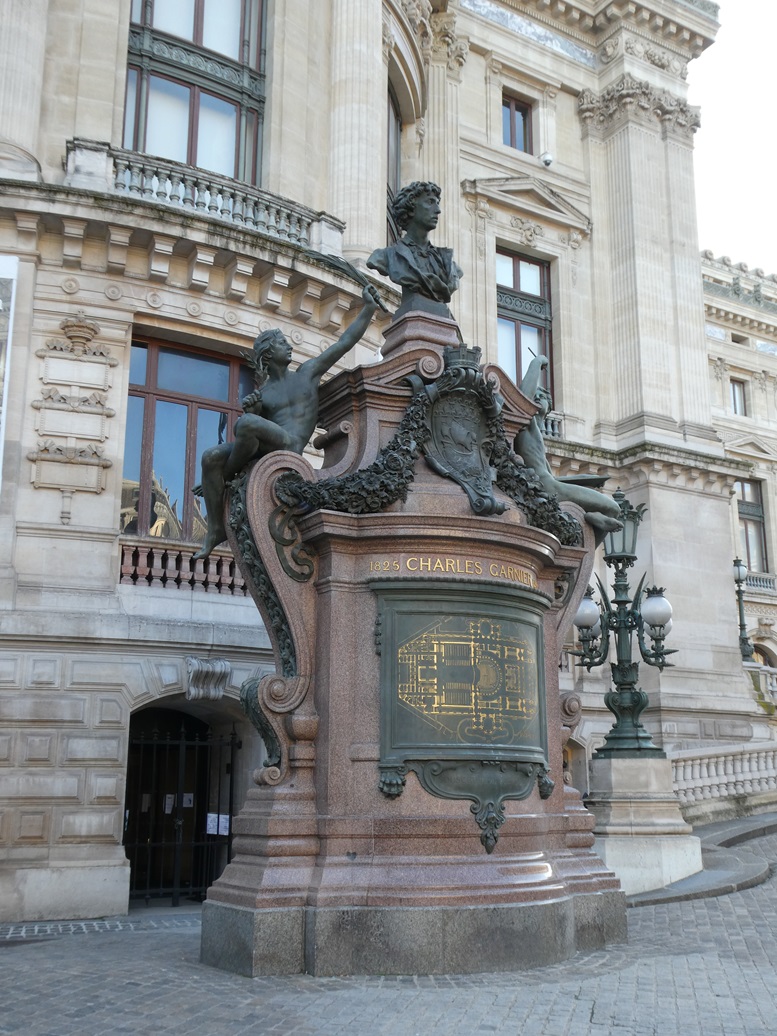
Down a neighboring corridor was the Rotonde du Glacier, another circular room similar to the reception hall on the floor below where, apparently, they used to store ice, hence the room’s name.
We next saw a large unfinished entrance hall and stairway that was quite the contrast to the elaborate spaces we’d already visited. This area was originally begun as a private and secure entrance for Napoleon III. At a different opera house he had escaped an assassination attempt and here he wanted to ensure safe passage in and out of the building; however, he died before the building opened, so this was entry never completed.

We’ve been to some pretty spectacular royal properties across Europe—Versailles comes to mind for France—but even those would have competition from the sumptuous Grand Foyer that we saw. It was as if every exposed surface had been covered in gold. A closer inspection of this immense space showed that the effect was magnified by gigantic mirrors also reflecting marble, elaborate moldings, and mythological paintings on the ceiling.
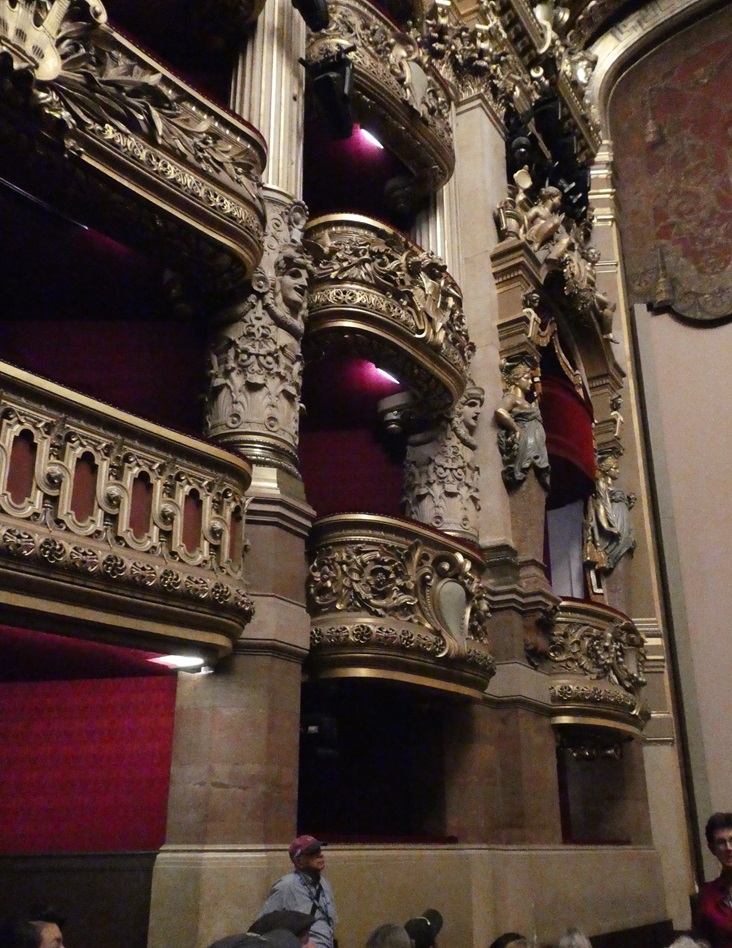
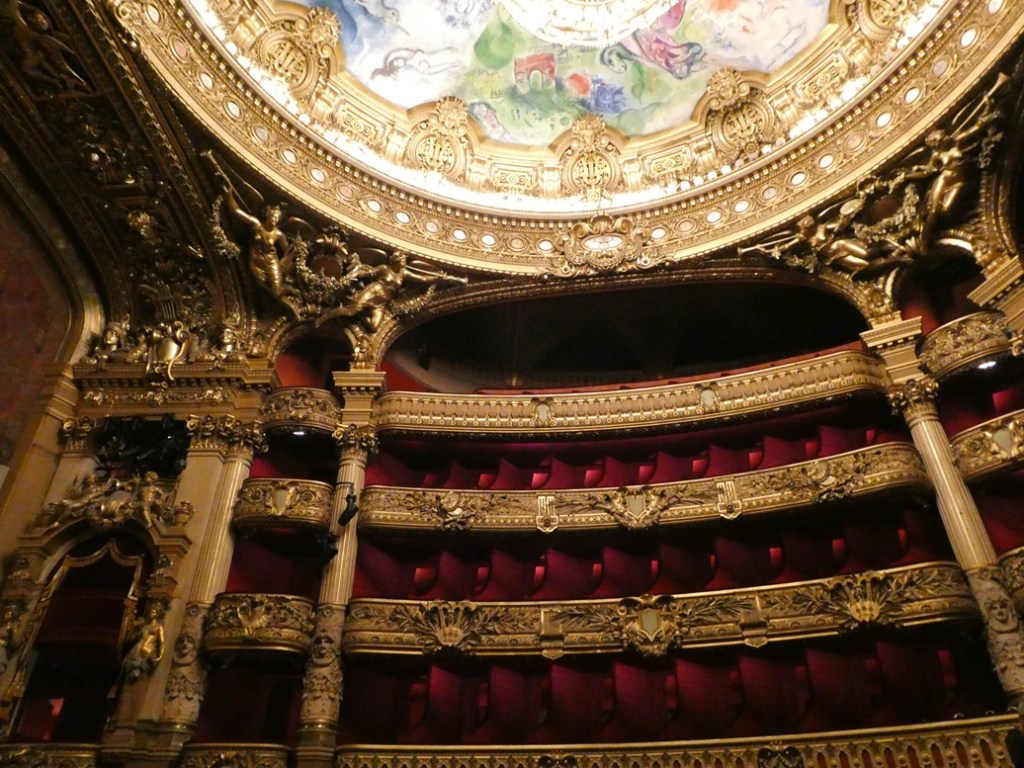
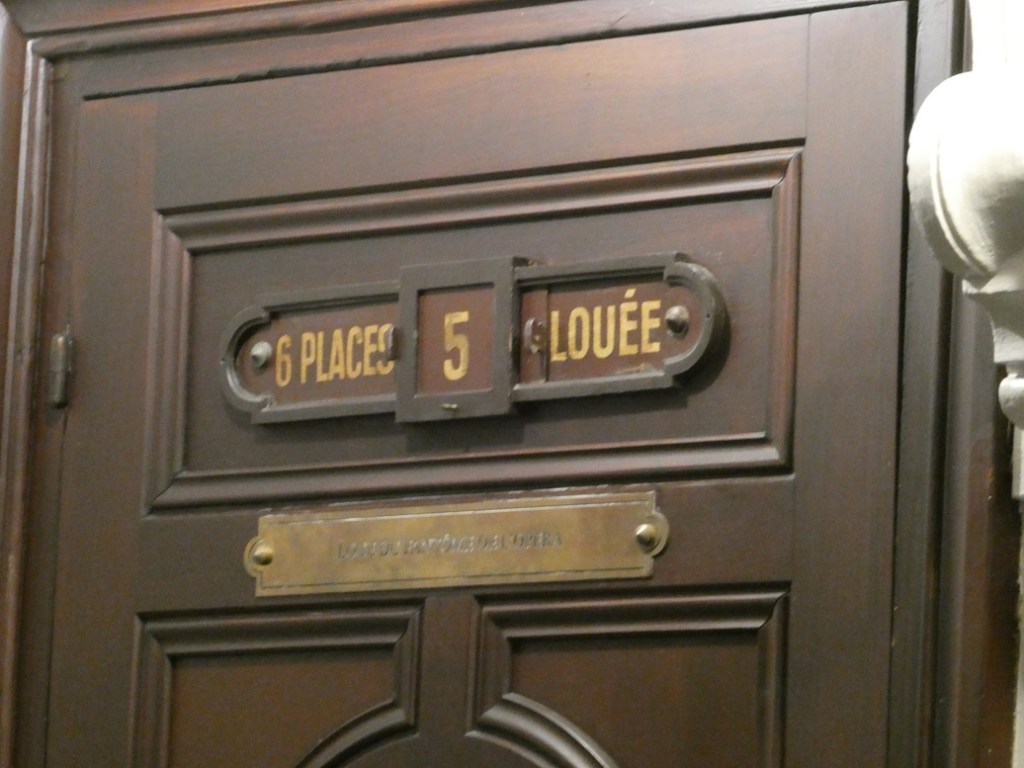
If you’re familiar with the novel or the musical, The Phantom of the Opera, you’ll know about the crashing chandelier, the underground lake, the Phantom’s opera box #5, and the stage, all associated with the Opera Garnier. Having done our homework, Bill and I knew that the auditorium, where 3 of these are located, is seldom open to tour groups. The day we were there, luck was on our side, so we did get to pause in some of the best seats in the house while the guide described our surroundings. Still, that lake (really a cistern or tank that traps groundwater) is only accessible to firefighters. As this was a daytime visit, all that’s left now is to buy a ticket to a show and spend A Night at the Opera!
PS: Thank you Marx Brothers for the inspiration for today’s blog post title.







Love this! We’ve attended several performances (ballets) there but have yet to take a tour. I think now the operas are pretty much all at the Opéra Bastille, and the Garnier is used mostly for dance performances. I was just in Paris last week with a friend, and we both loved three exhibitions going on right now: the Louvre Couture, and at the Grand Palais both the Chiharu Shiota and the Dolce & Gabbana exhibits. Wonderful!
LikeLiked by 1 person
Wow, Sandy, nice trip! Thanks for sharing 🙂
LikeLike
It’s magnificent
LikeLiked by 2 people