

Bill and I don’t have any children but our friends and neighbors do so we still get some exposure to the behavior of young people here. Our friend, Larry, sent us a link to a story that was in the Huff Post with the title of “5 Key Differences Between Parenting In The U.S. And France”. Author Marie Holmes refers to an Instagram story by American moms Annabel and Dale who noted some differences about how children are brought up here from what they were used to in the US. Their observations matched ours and we had even written about one of the standouts—4 course school lunches—in a blog post years ago. Let’s see what else they found to be different.

When we make comparisons about our life in the US and France, we often use the word “different” rather than “better” since that’s typically how we feel but Ms. Holmes is a little more direct. Concerning the French, she writes that they, “have better bread, cheese and produce, better fashion sense and better cosmetics, less stress and better health overall.” She attributes those advantages to:
- European Union bans on chemicals in food and other products
- Universal health care
- Subsidized child care
- Paid maternity leave, 16 weeks for mothers and 25 days for fathers
- A superior quality of life
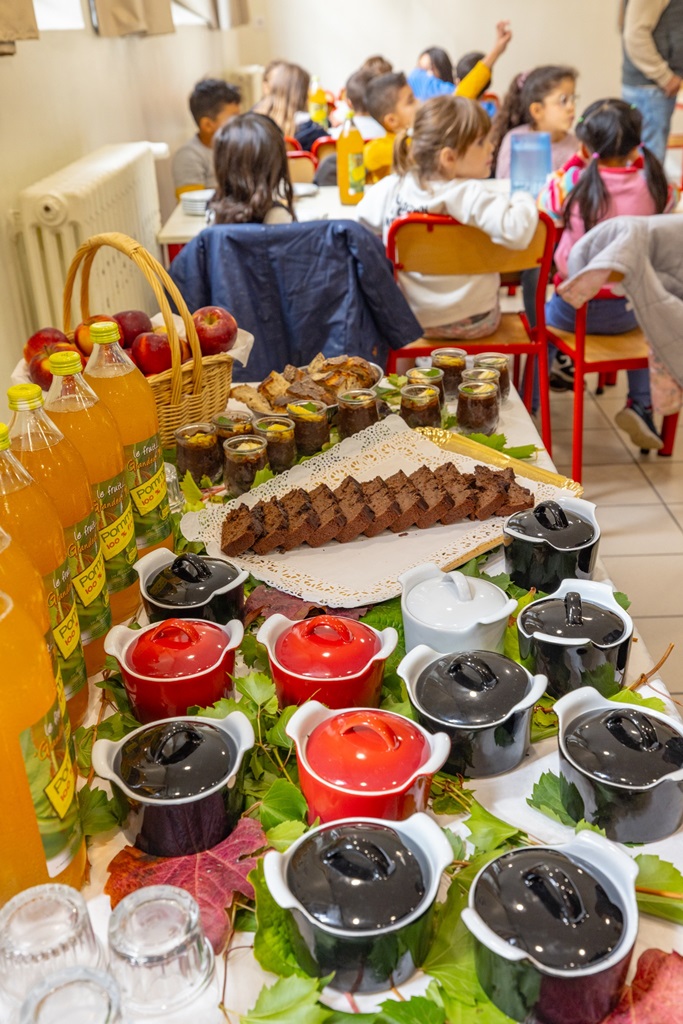
The school lunch that she mentions contained a lentil salad, butter-fried salmon with ratatouille, a cheese course, and finished with organic fruit salad for dessert. Students used real plates, cutlery, and drinking glasses that they filled with water from a pitcher on each table. Ms. Holmes feels that children learn about nutrition, balanced meals, and trying new things all while “practicing socializing, self-sufficiency and sustainability” during a break from the classroom.
Those Instagram moms discovered (in their own words):
- “Day-to-day in Paris we would see kids sitting quietly (with no screens) while their parents ate meals and engaged in quality time together. Kids would play independently while their parents socialized….
- Regarding items for babies—Clean products were readily available at pharmacies and grocery stores, were at an accessible price point and were less processed….
- French children do not spend all day slurping pouches of pureed fruit and pulling Cheerios or puffs from portable snack cups. Instead they consume three meals a day plus a gouter, or snack, in the afternoon.
- Compact, travel strollers seem to be the norm without the need for giant strollers to go into enormous SUVs.
- Less judgmental attitude toward other parents’ choices about when to return to work and how to feed their babies. No pressure to parent a certain way.”

As always, it’s fun to make the comparisons between one country and another and to find out what’s better or is that just different?
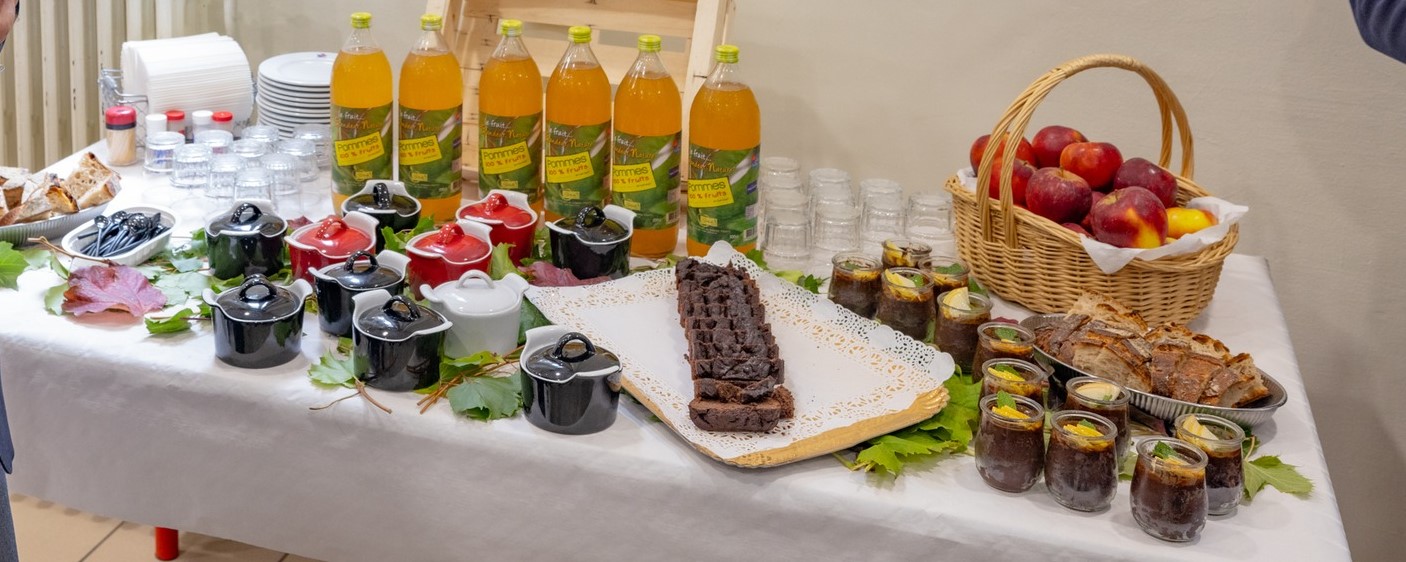
Photo note: All of today’s photos come from the city’s FB page, © Ville de Carcassonne – Julien Roche, thank you! The featured photo is an elementary school lunch that the city described as a vegetable risotto with Marseillette rice, organic chickpeas and red beans from Laure Minervois, organic vanilla-flavored yogurts from Saint Denis and organic apples from Montolieu. All seasoned with Gruissan salt and Castelnaudary onions. Eat local!
 Let's Live In France
Many, many years ago while we were on vacation in France, a French lady remarked to my mother that we were such well behaved children, particularly at the table, she thought we were French!
LikeLiked by 1 person
And it appears those good manners have stayed with you!
LikeLiked by 1 person
Most kind of you Bob
LikeLiked by 1 person
Thank God for my german Mamma, who taught us how to behave in restaurants from an early age. No running around and making noise for us. It was considered essential that children understand the need to also be quiet, when appropriate.
LikeLiked by 1 person
Wow, what a well-behaved group we are 🌟🙂
LikeLike
Year ago in the US when I first was learning French, I took a separate class that went into the differences between American and French cultures. One thing that stuck with me is that she said that in most Anglo cultures (not just the US) children are supposed to be just children, whereas in France children are considered “apprentice adults”. That’s a difference in focus that I think explains many of the differences in comportment (generally speaking).
LikeLiked by 1 person