
Thank you, Sally, for the link to an article in The Telegraph entitled, “France’s 20 greatest villages, ranked and rated.” British journalist Anthony Peregrine lives in Montpellier and has been reporting on France for over 20 years. His articles offer insights into French life, history, and travel as does this one we’re highlighting today. What I liked especially about this story is that he says it covers, “French villages that I get most excited about returning to.” Glancing down his list, there are a few that we’ve been to so we’ll add some photos from those trips with information about new locations to discover.
While there’s not enough room here to provide lots of details for each of his choices, listed below in the author’s ascending order, I did want to put something about the villages that the author thought might entice all of us to visit. At the conclusion, I’ll attach a link to a pdf of the original 24-page article for more details. Saving Mr. Peregrine’s favorite spot for last, we’ll start with:
Les Rousses in Jura, At 3,700 feet there’s everything outdoors from skiing in winter to hiking and zip-lining in summer. You can even find a hotel where the French-Swiss border divides the bar in two.
Oingt in Beaujolais, an hour from Lyon, where Barbary barrel organs fill the cobblestone streets with music. Well-preserved medieval walls provide the perfect Christmas market background.
Abjat-sur-Bandiat in the Dordogne offers a unique British twist with its annual National Conkers Championship, a game involving horse chestnuts (conkers), threaded onto a string.
Val-d’Isère in Savoie, though known for its skiing, provides a wealth of non-ski activities year-round and maintains the charm of a proper high Alpine village.
Rieutort de Randon in Lozère, Occitanie, provides a sense of self-sufficiency and magnificent surroundings reminiscent of the Scottish Highlands.
Saulieu in Burgundy for its gastronomy and for being the birthplace of François Pompon, creator of the famous Polar Bear sculpture, the original of which is in the Musée d’Orsay in Paris.
Gordes in Provence is a stunning hilltop village known for its beauty and its past as a wartime resistance center, with its steep steps and stone streets.
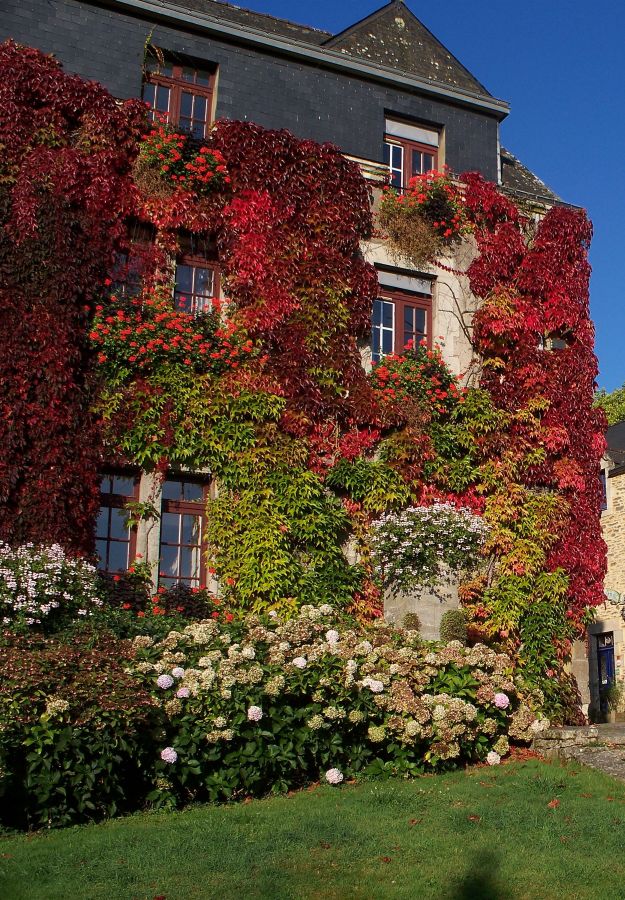
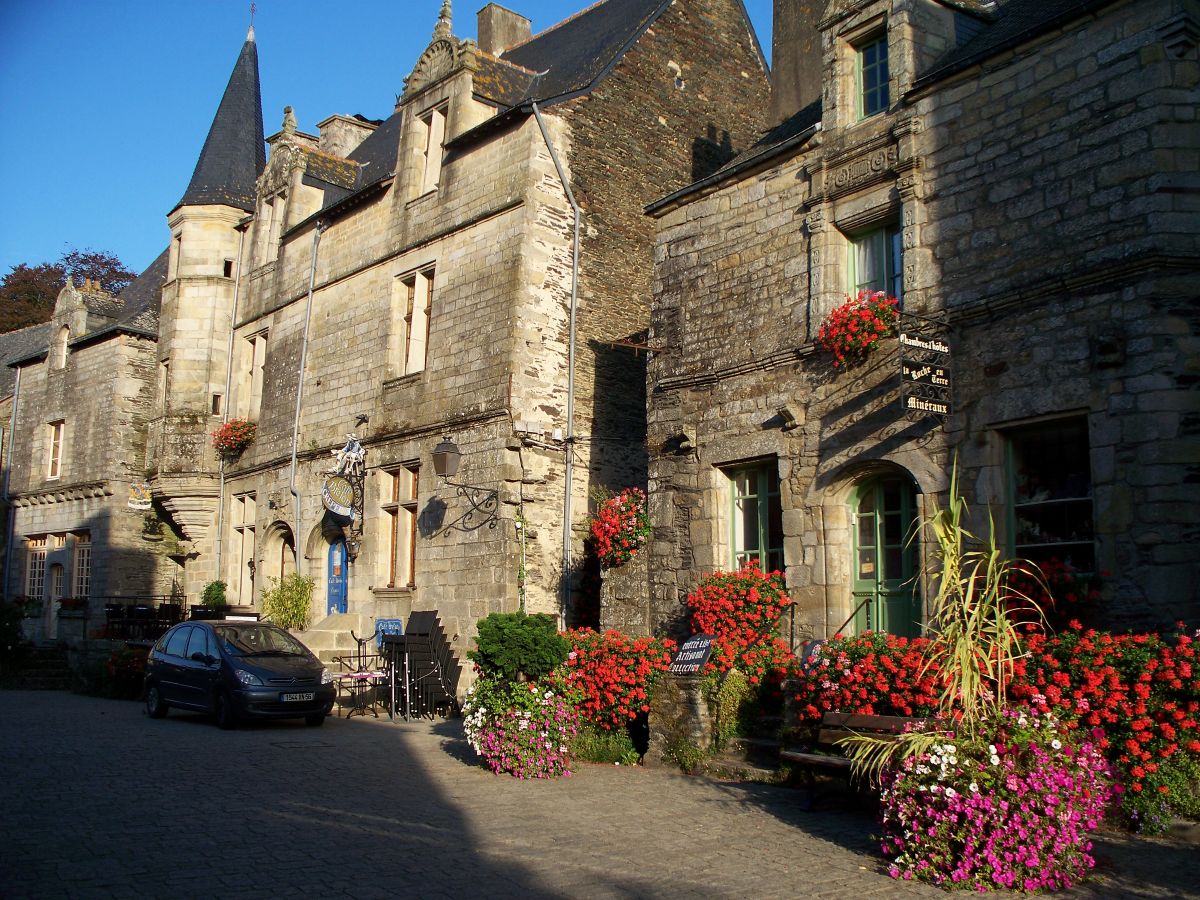
Rochefort-en-Terre in Brittany is wonderfully preserved with a rich history including a witch who could apparently be in two places at once. A flower-filled village when we were there.
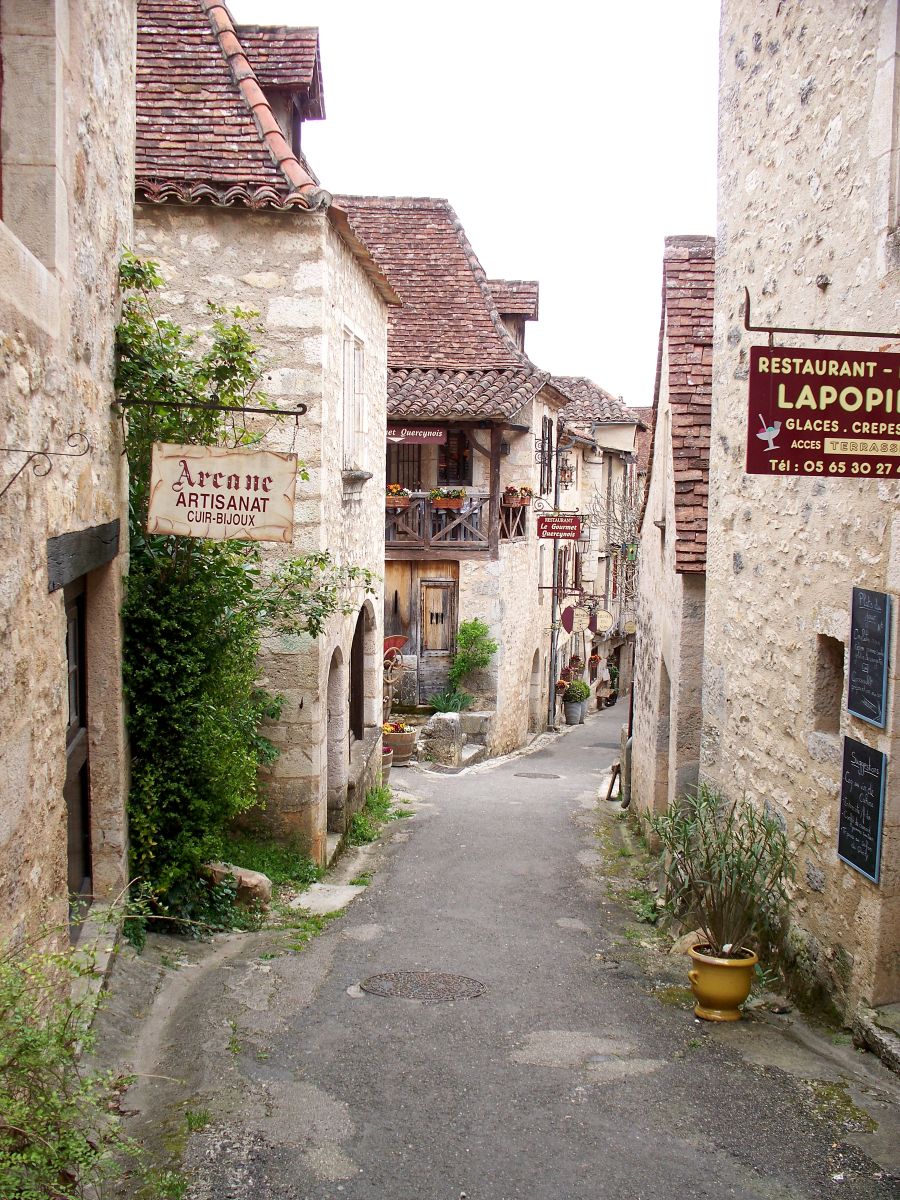
Sancerre in the Loire Valley is deservedly known for its sauvignon blanc wine. Steep and narrow medieval streets.
Beaumont-du-Périgord in Dordogne, built by Edward I, retains its 13th-century charm with a vibrant arcaded central square that hosts a lively market.
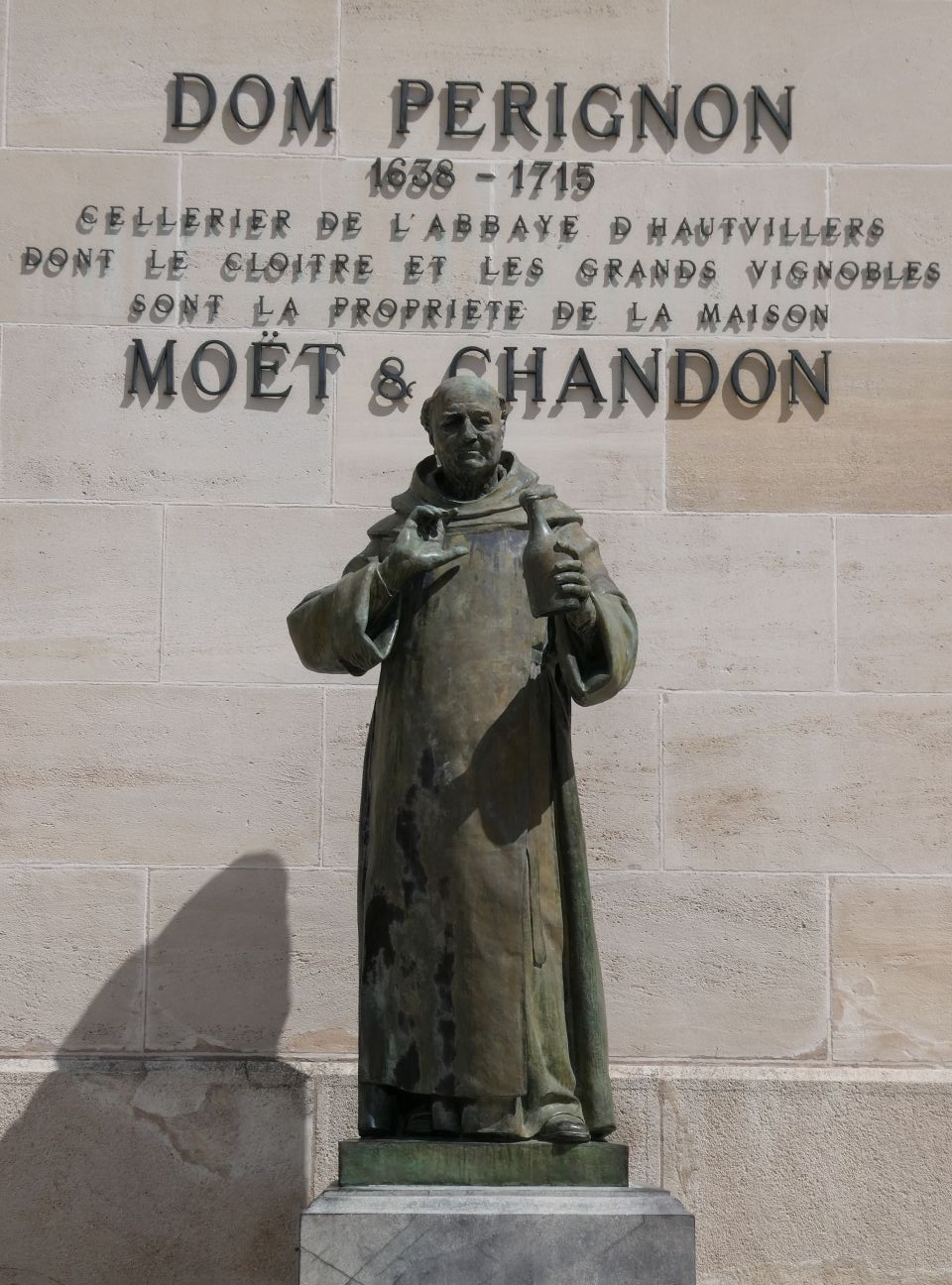
Hautvillers in Champagne where 17th-century monk Dom Pérignon improved the bubbly beverage and family operations continue even today.
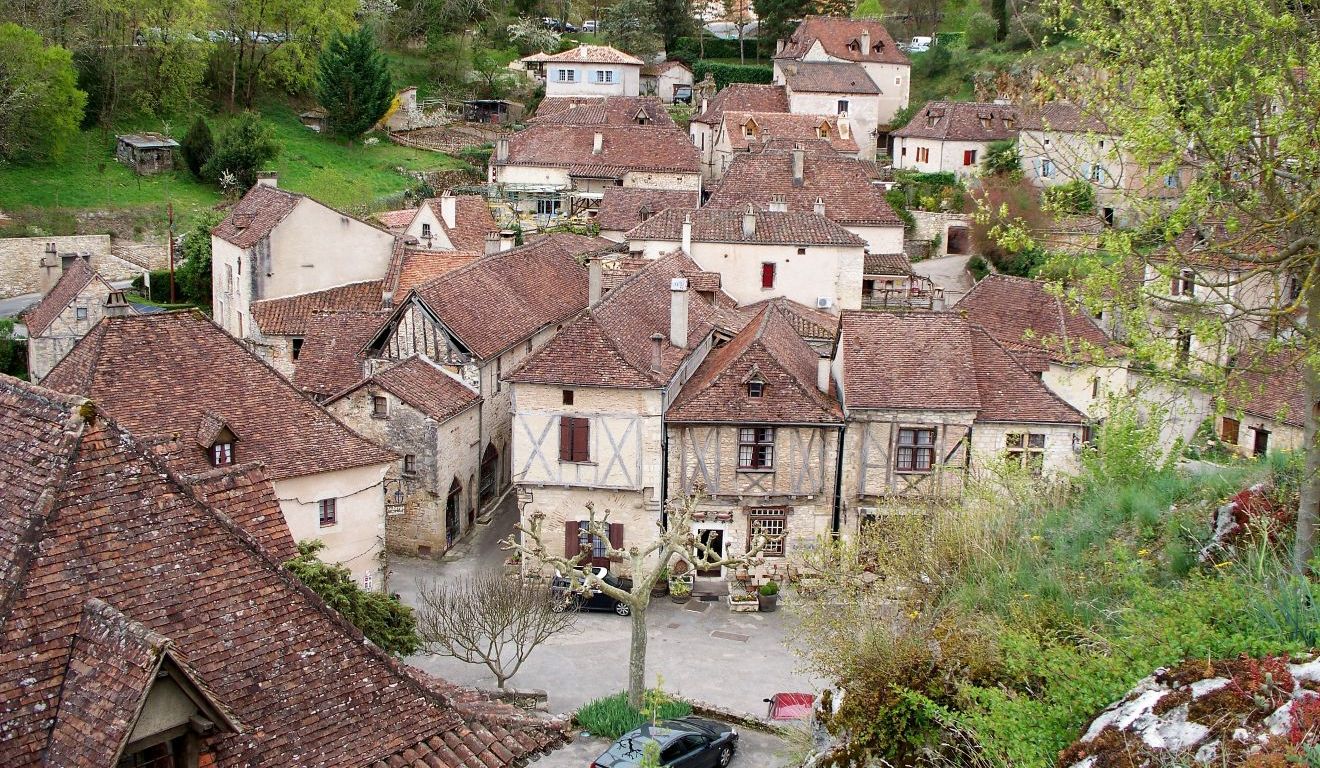
Saint-Cirq-Lapopie in the Lot valley is a marvel of vertical stone streets, and in our opinion a quintessential example of a hillside village.
Bagnoles-de-l’Orne in Normandy is an elegant Belle Epoque spa town that feels like more of a garden than a town, surrounded by 18,000 acres of forest.
Barcelonnette in the Alps, like a Mexico village in France where they annually celebrate vibrant Fêtes Latino-Mexicaines.
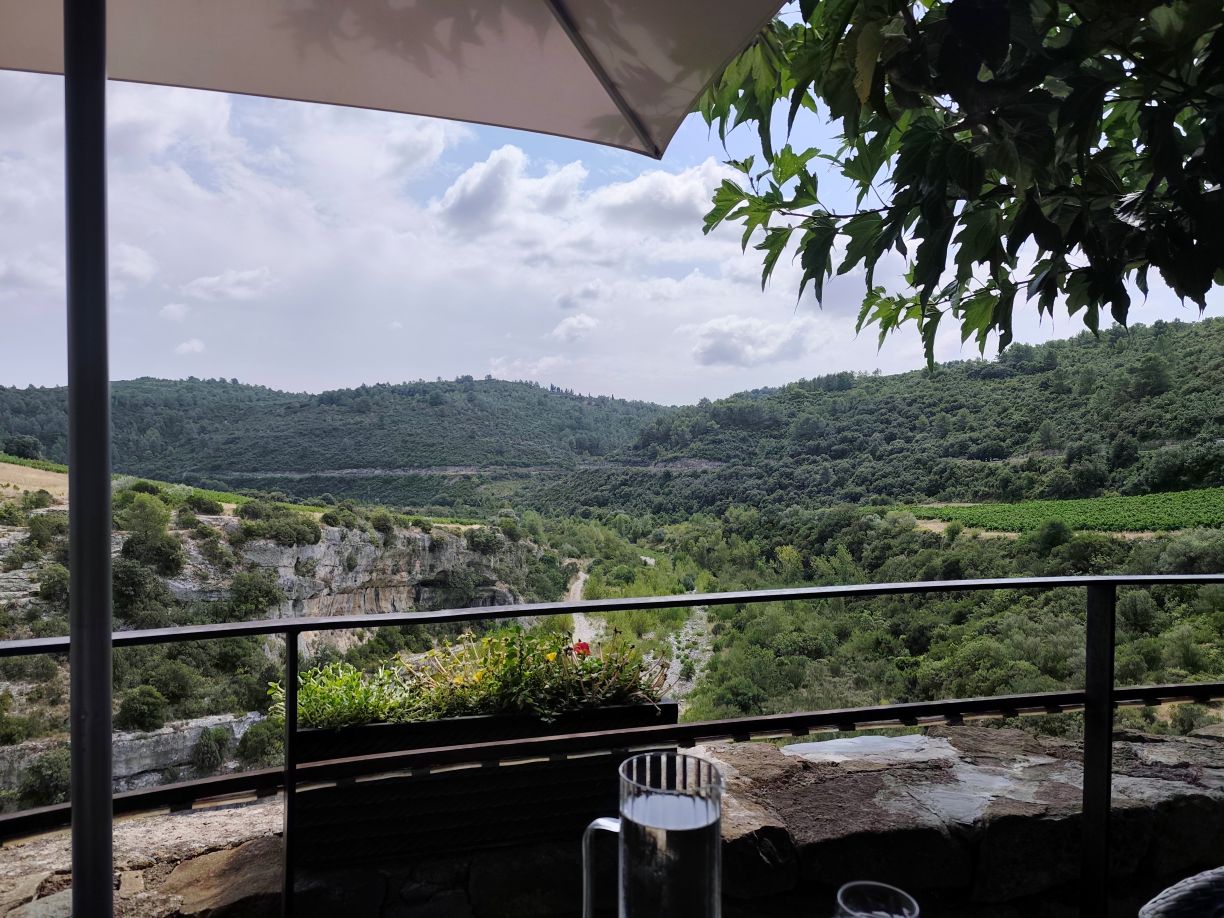
Minerve in Hérault, Occitanie (an hour from us in Carcassonne) is a member of the organization “The Most Beautiful Villages of France.”
Kaysersberg in Alsace, like a German half-timbered village on the wine route, and the birthplace of Nobel Peace Prize winner Albert Schweitzer.
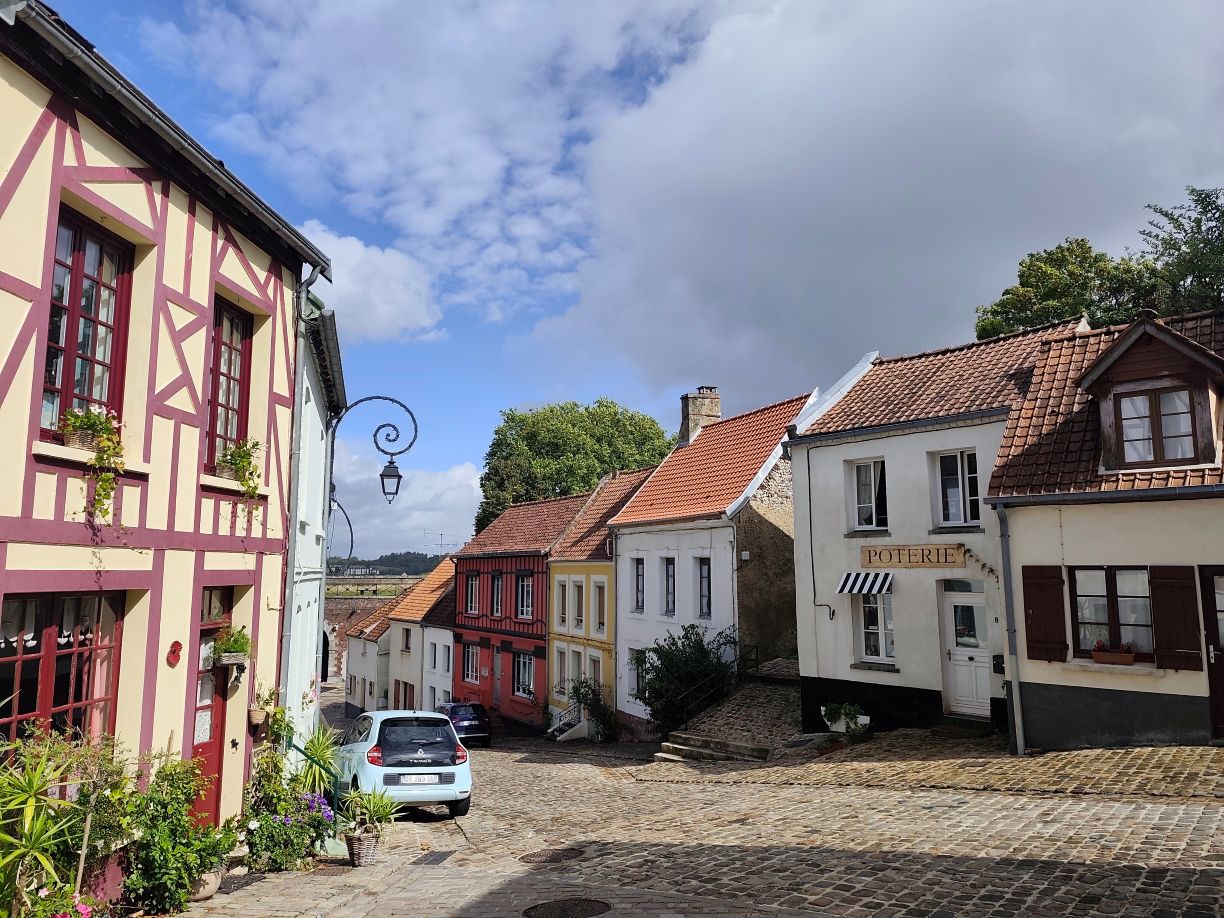
Montreuil-sur-Mer in Pas de Calais, near the English Channel, is a delightful hill-top village with ramparts and nicknamed the Carcassonne of the North.
Angles-sur-l’Anglin in Vienne, Nouvelle Aquitaine, near Poitiers, is startlingly pretty on its rocky promontory providing a view and serenity.
Le Pont de Montvert in Cévennes, Occitanie, a close-packed village along the Tarn river in the middle of the largest national park in mainland France.
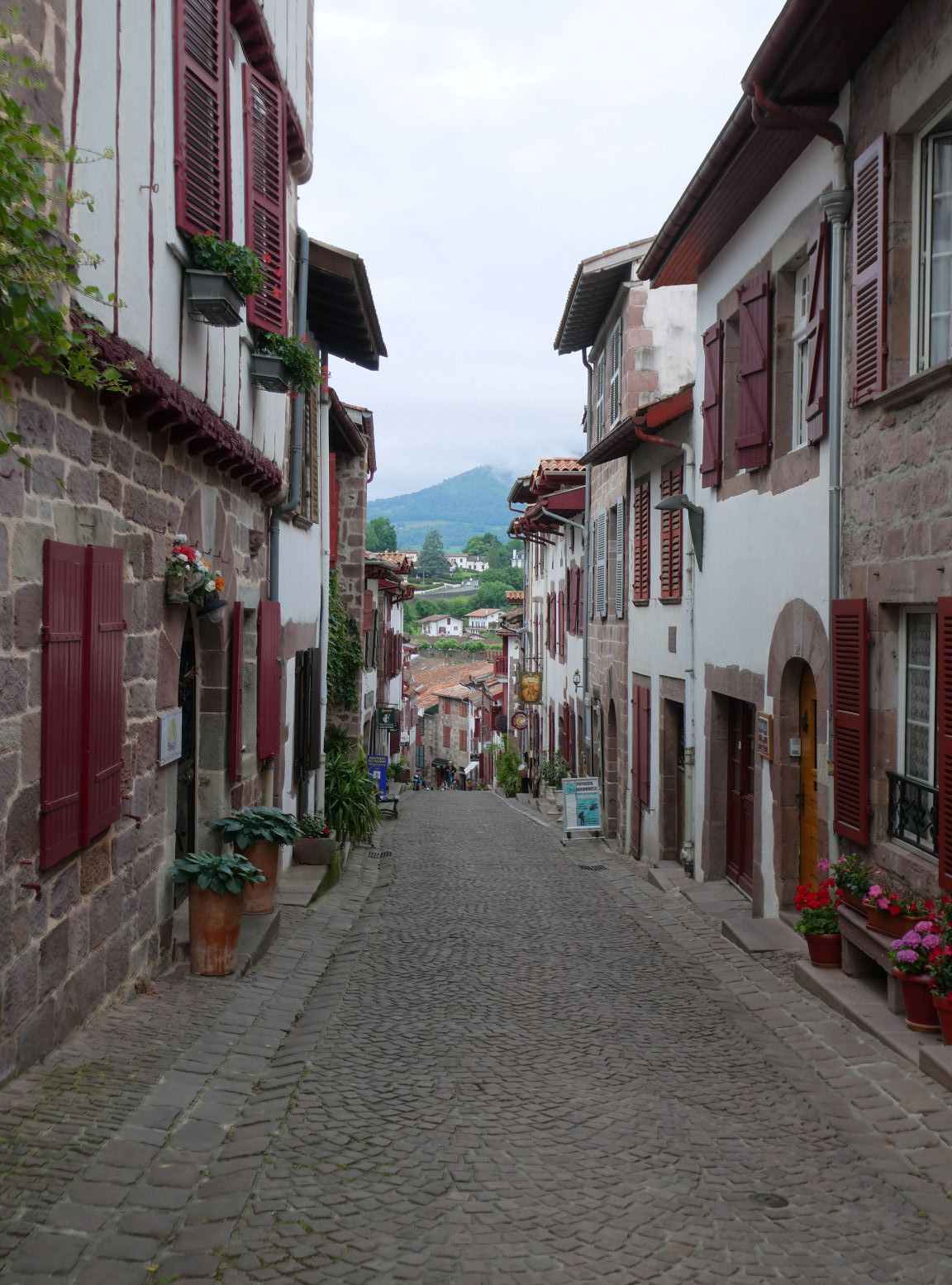
St.-Jean-Pied-de-Port in the Basque country. Walled and self-contained, it’s a vital stopping point for pilgrims on their way to Santiago-de-Compostela. Bill still remembers his foie gras sandwich he had for lunch when we visited.
It was no surprise to discover that at least 7 of these communities belong to “The Most Beautiful Villages of France” association and 2 of those have even been voted “Favorite Village of the French.” Time to make some road/rail trips!
The Most Beautiful Villages of France: https://www.les-plus-beaux-villages-de-france.org/fr/
France’s 20 greatest villages, ranked and rated pdf
Photo notes: The featured photo across the top of today’s blog post is Saint Cirq Lapopie and in the first paragraph is Rochefort-en-Terre.
 Let's Live In France
I’ve visited many of these delightful spots but not all. I’ve taken notes.
LikeLiked by 2 people
Ha, ha, better get peddlin’ 🚴♀️😊
LikeLiked by 1 person
Thanks Bob
LikeLiked by 2 people
I was just in Rochefort-en-Terre last fall. It’s an amazing place, with such great choices of artisanal foods, etc. One guy has a shop on the main street with sausages, smoked meats, etc., that he prepares from local farms that he personally knows. Just the passion for his work was worth a visit. That’s one of the things I love in France, you so often come across people whose passion is for the things they create.
LikeLiked by 1 person
We agree, Ron, Rochefort-en-Terre is beautiful!
LikeLike