
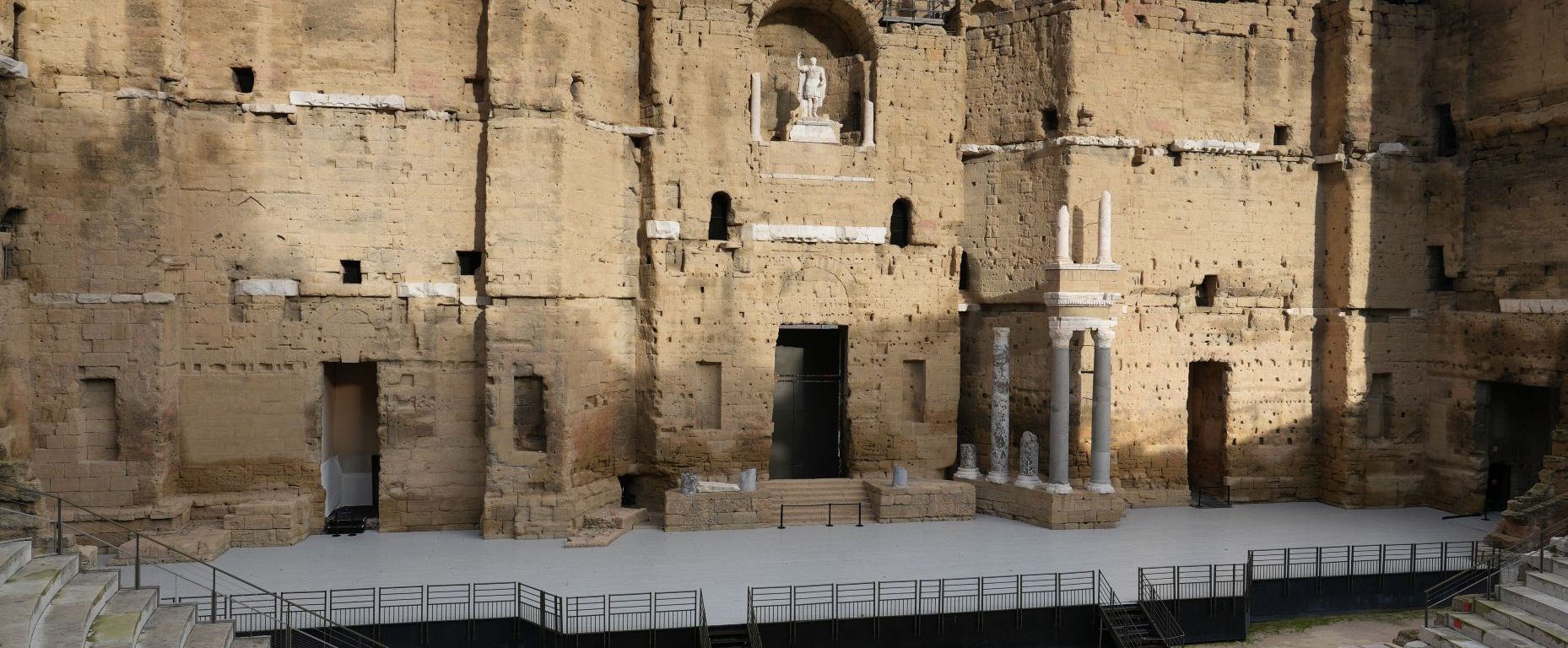
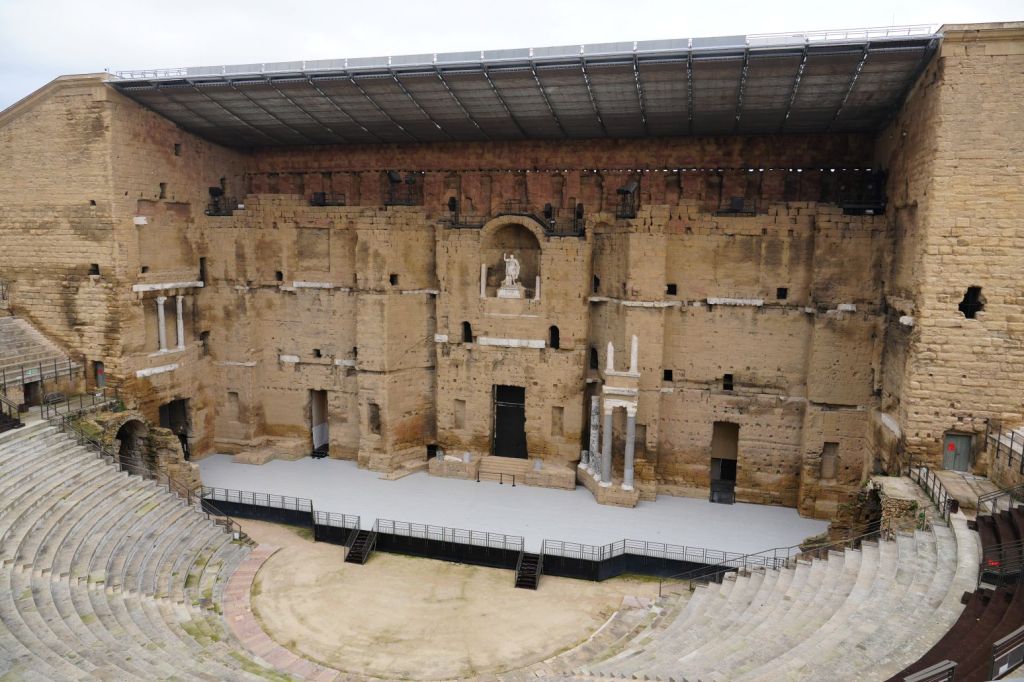
When I was preparing for my French citizenship interview, one of the sources that I studied was the Livret du Citoyen, the government’s official publication for those who wish to become naturalized citizens. It highlights the country’s principles, values, language, culture, and history. In that last category, under “Antiquity”, the booklet mentions the arrival of the Romans around 50 BC and shows a photo of the theater in Orange that’s still standing—and in use—after 2,000 years, today’s featured photo across the top above. We’d visited other cities like Nîmes and Lyon that have substantial Roman ruins but since Orange was included in this authoritative text as an essential piece of history, we quickly added that to our “must see” list.
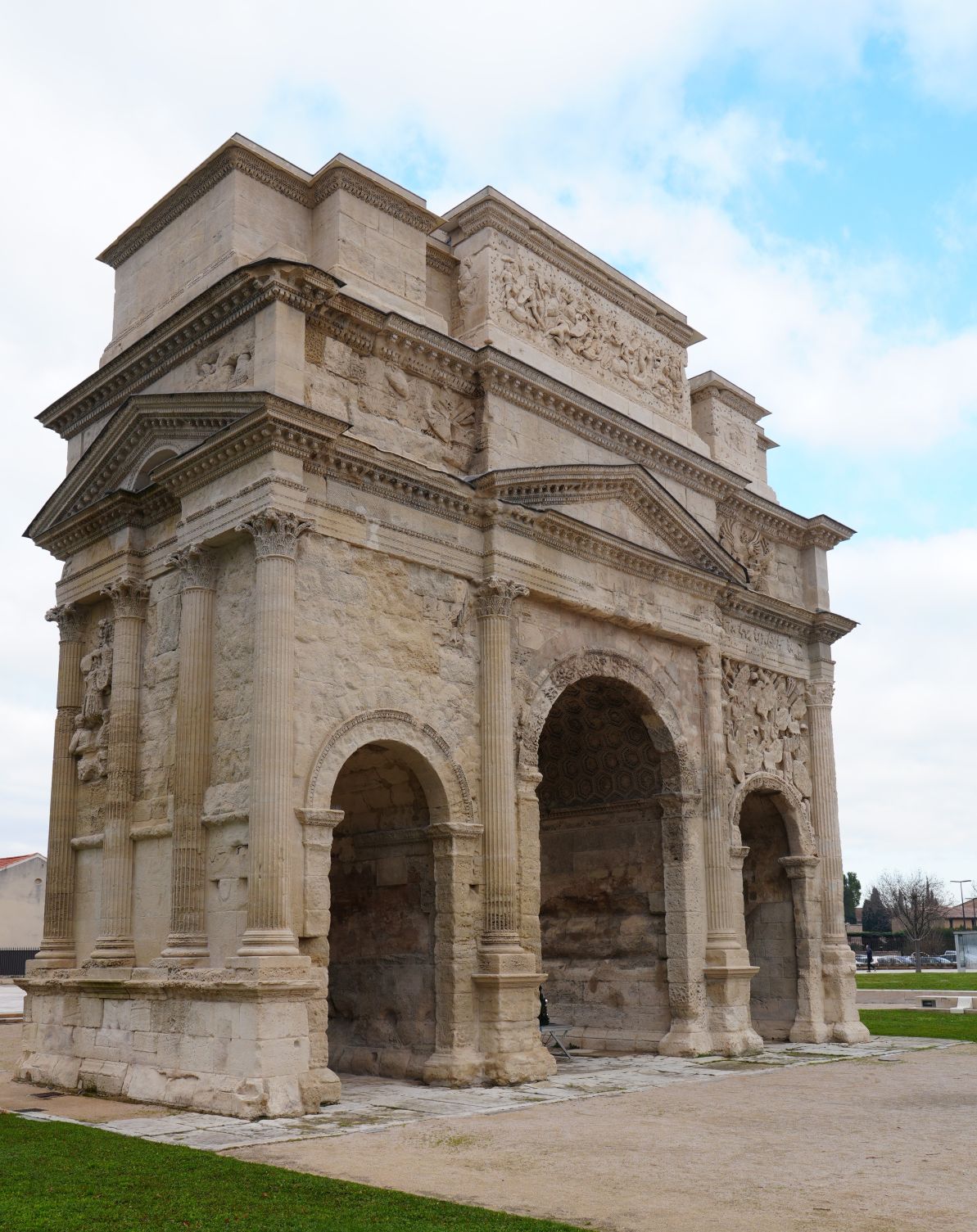
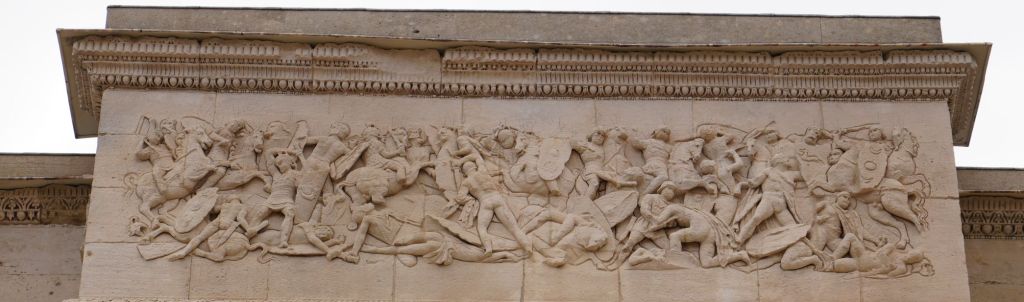
Ancient Roman roads have the reputation of being built as straight as possible as was the case with Via Agrippa that connected Lyon, through Orange, with Arles. There, we stood at the towering Arc de Triomphe (Triumphant Arch) that once straddled that Via and acted as a symbol of power and an indication that you were entering a Roman city. Dating to the 1st century AD, it’s the world’s oldest surviving triple-arched Roman triumphal arch. During the Middle Ages, the arch was incorporated as a gate in the town’s defensive walls, helping to preserve it over time. If more modern buildings had not been in our way, we could have looked half a mile (800 meters) directly ahead into the center of the ancient complex that contained a theater, temple, and forum.
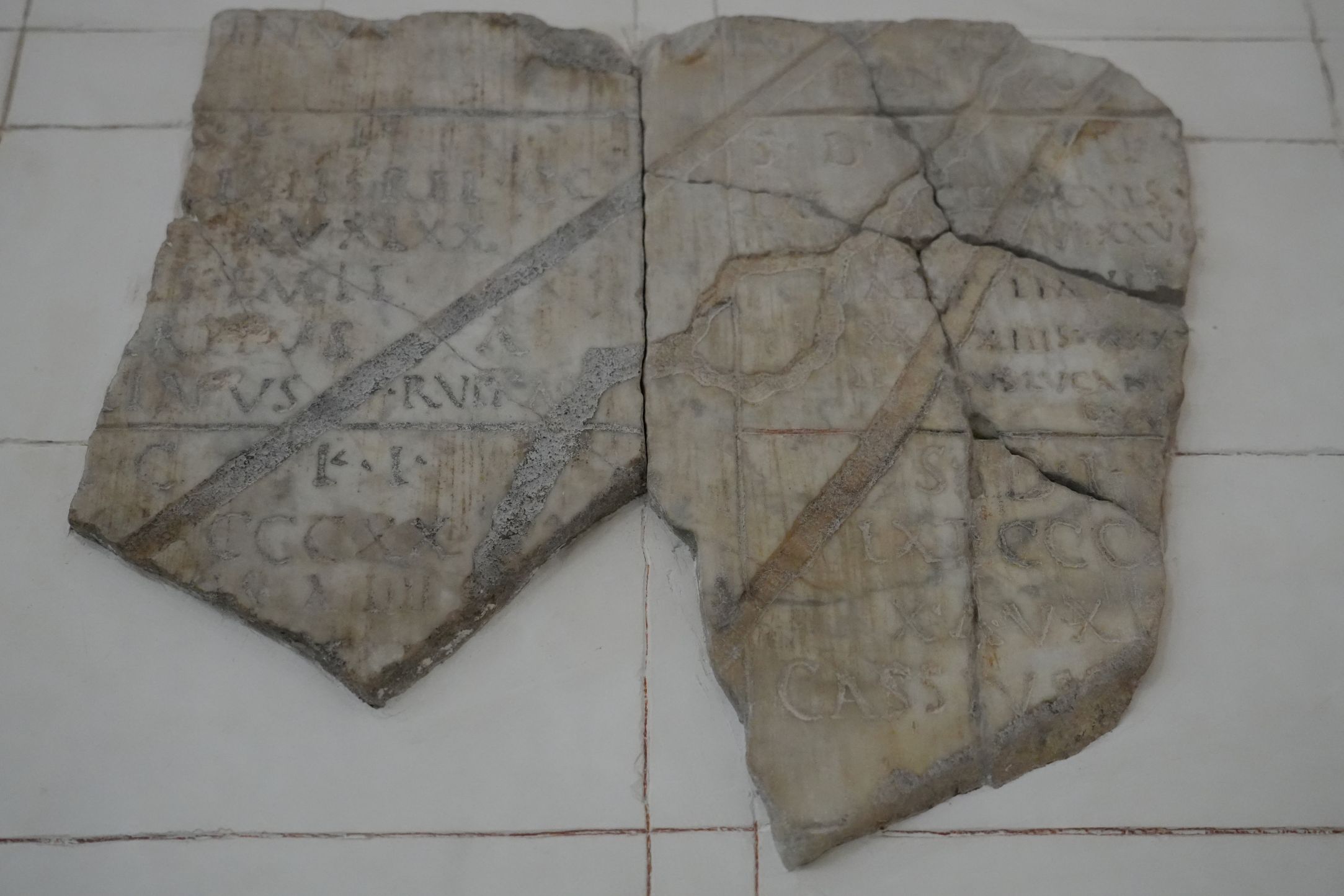
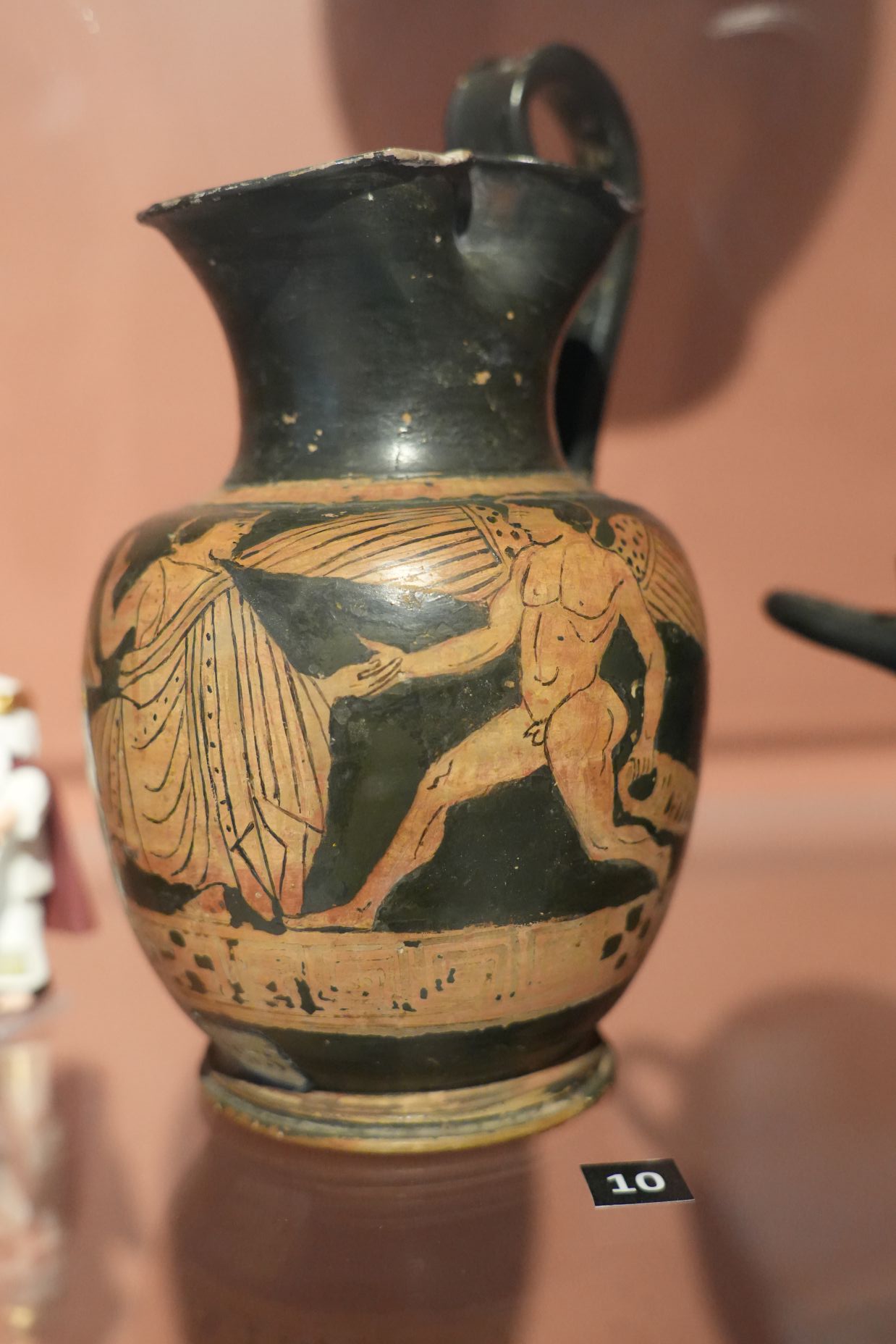
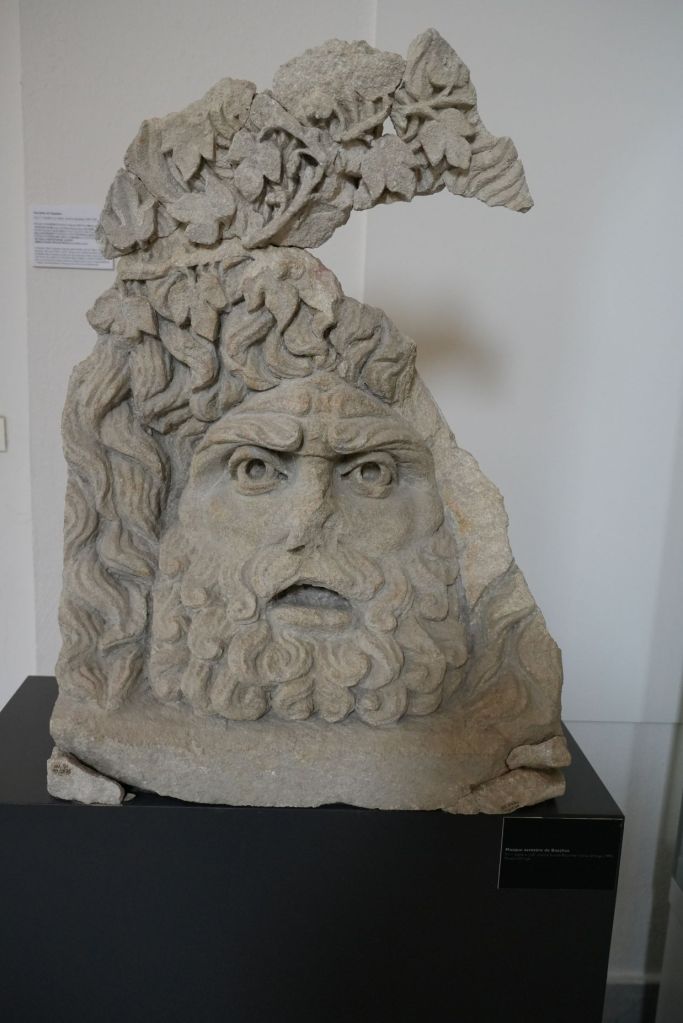
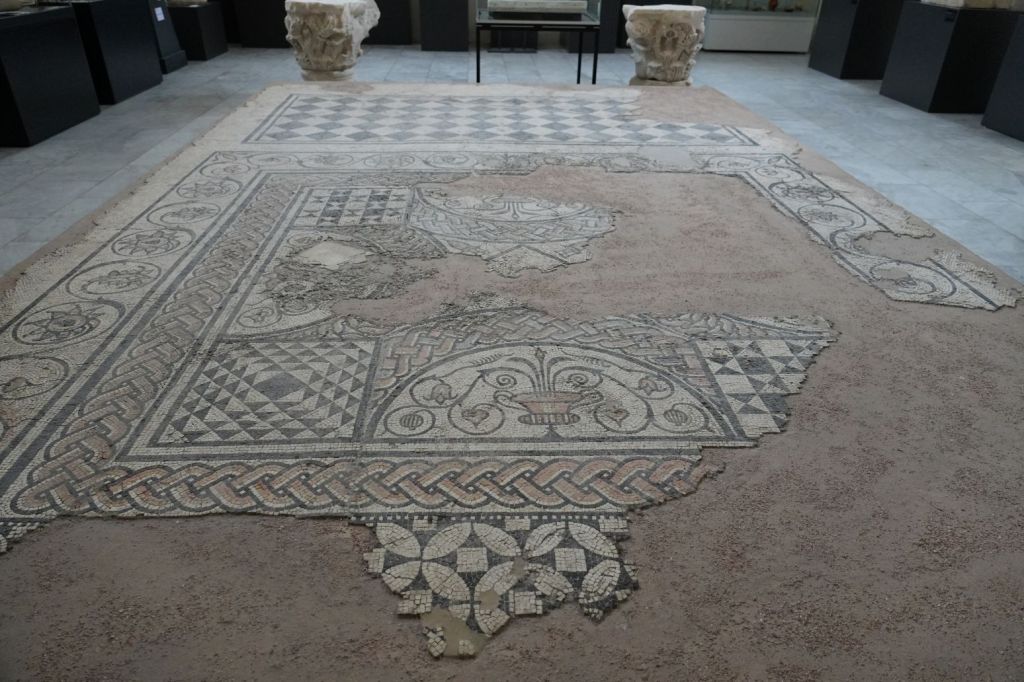
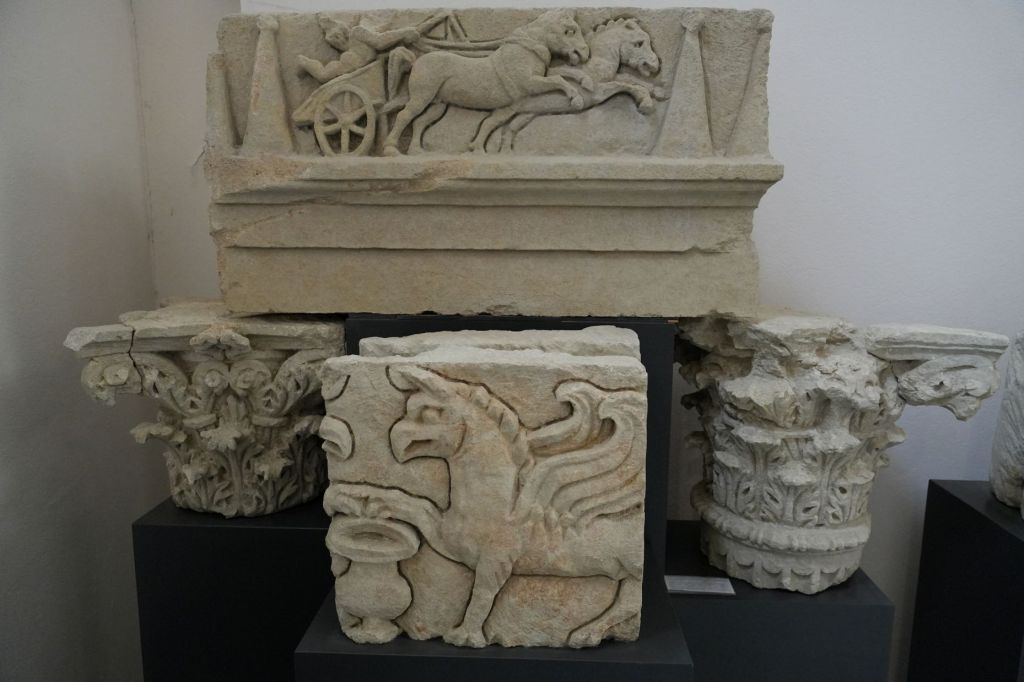
Heading towards that complex, we were now walking on a sidewalk about 2 meters (6 feet) above the original Via Agrippa buried below. Our first stop was the Museum of Art and History where we were especially interested in their collection of archaeological treasures recovered from the theatre and surrounding areas. There are mosaics from Roman residences of the time, plus sculptures from the theater. Their most valued possessions are the fragments of three cadastres (land registers) engraved on marble that document the organization and division of the province’s land.
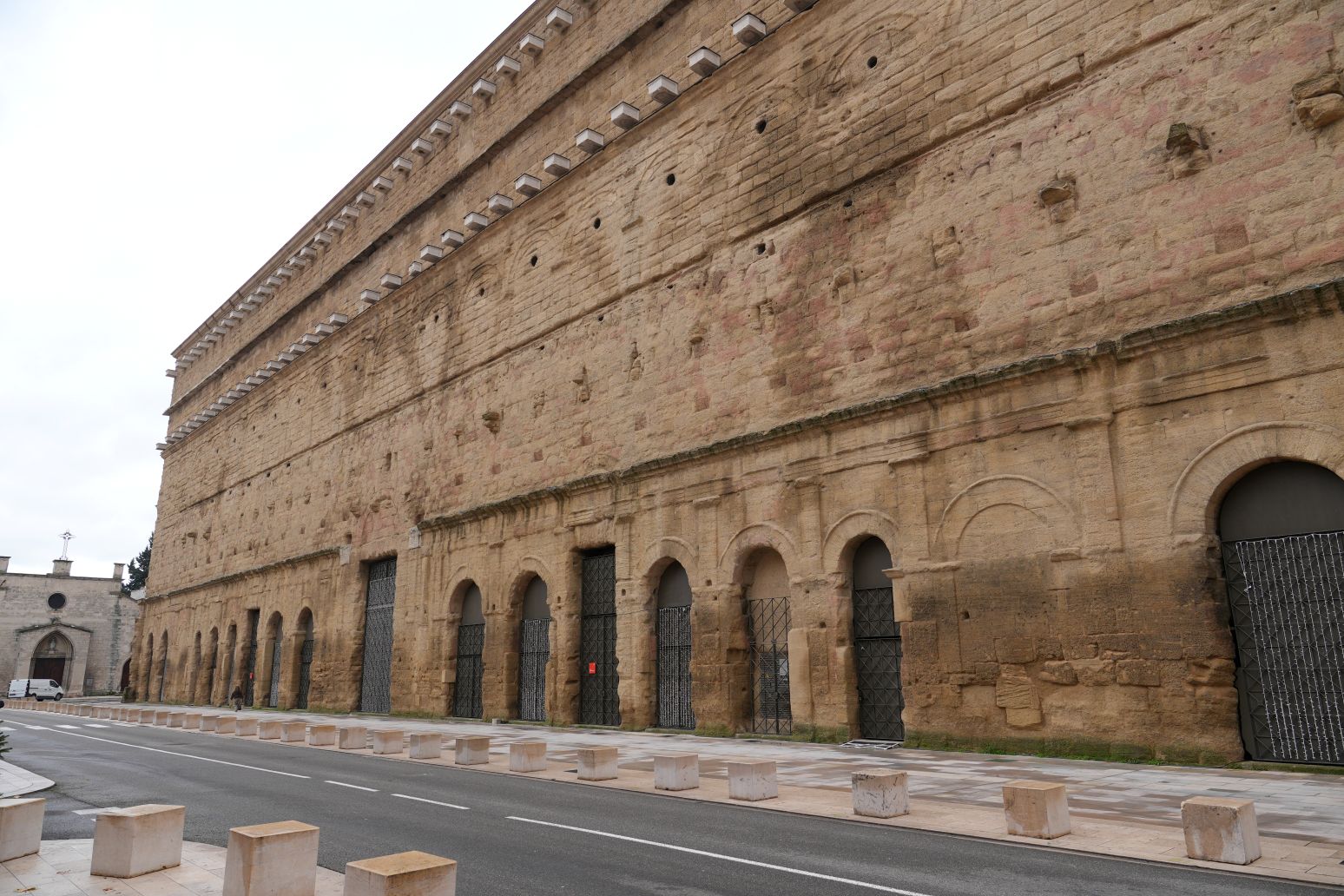
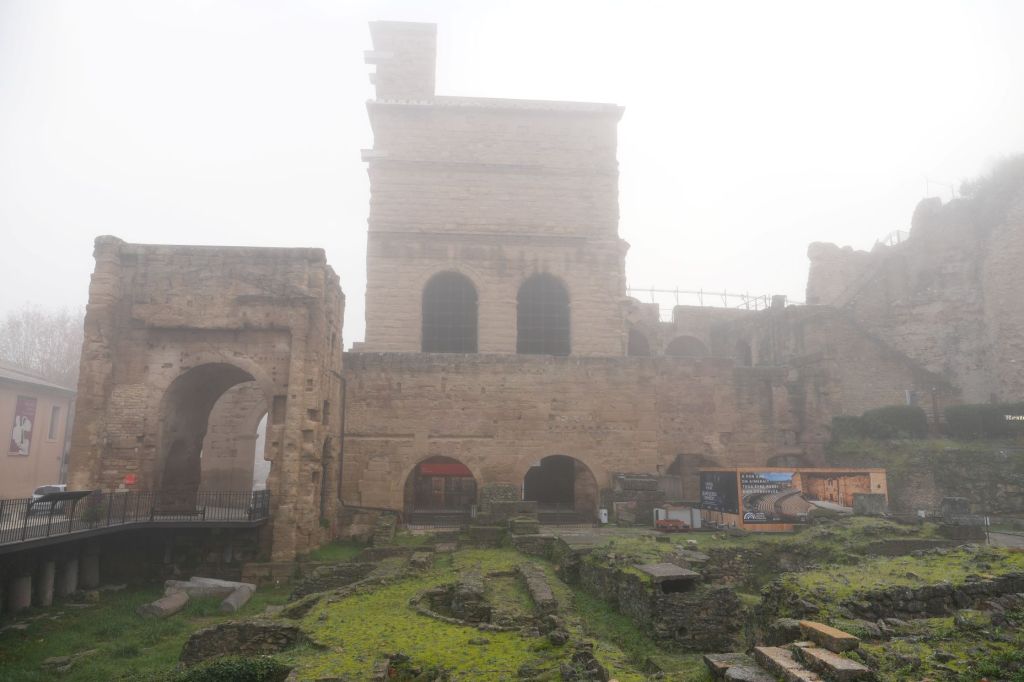
Directly across the street, our ticket (11.50€) also included an entry with an audio guide of the theater highlighted in the citizenship handbook. From the street, you are confronted by a massive stone wall (103 meters long and 37 meters high or 338 ft. X 121 ft) that Louis XIV called “The most beautiful wall in my kingdom”. On the backside is the well preserved scaenae frons (stage wall), complete with columns, niches, and the central statue of Emperor Augustus. This theater from the 1st century AD, could originally seat up to 9,000 spectators and still welcomes crowds today.
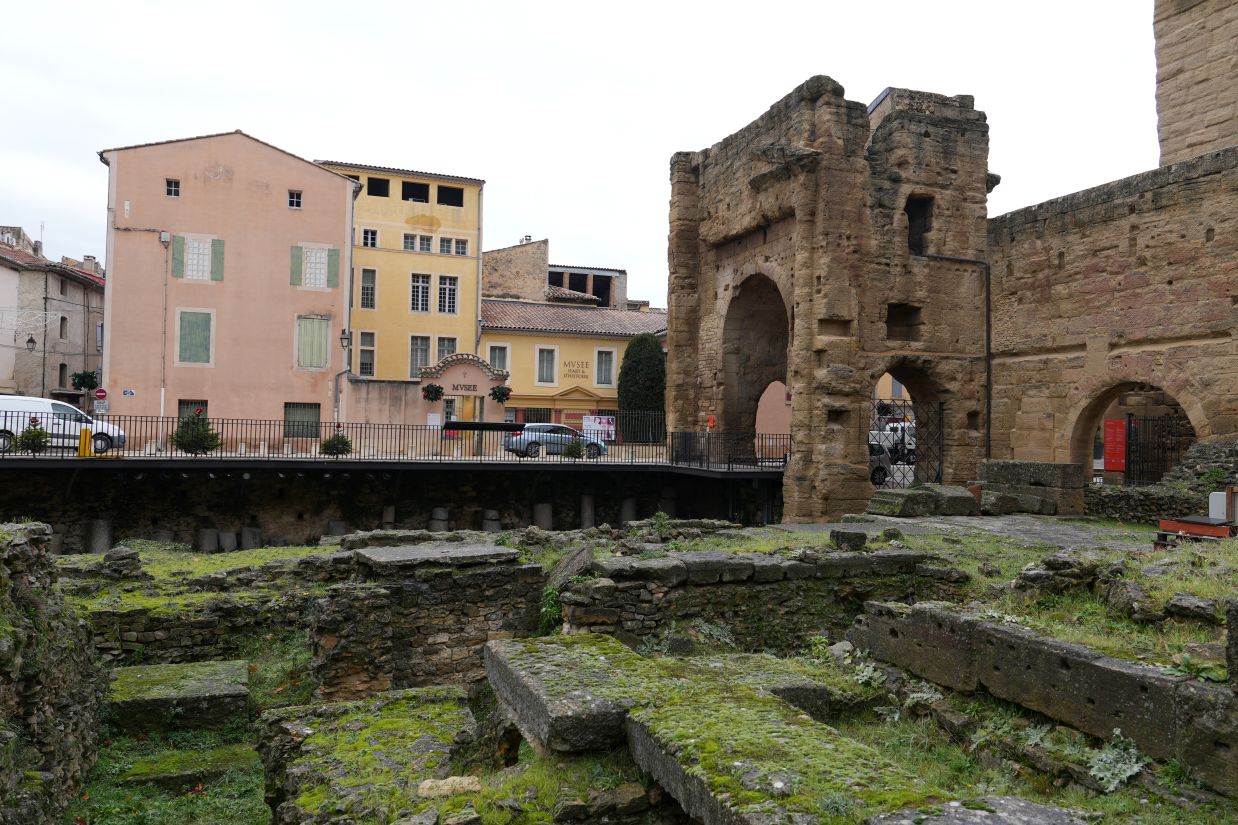
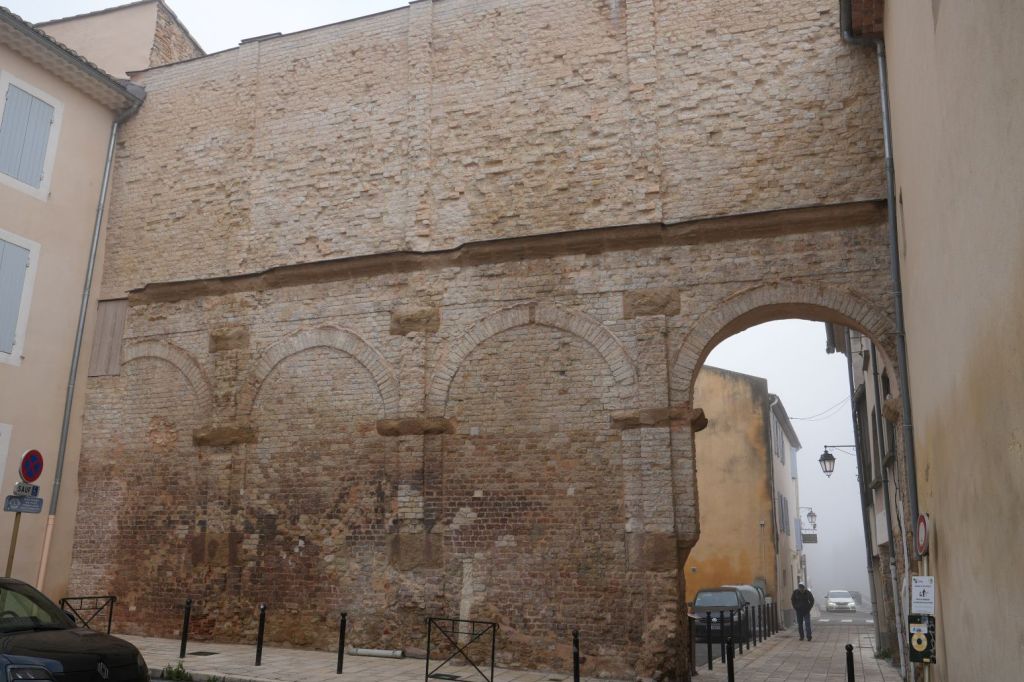
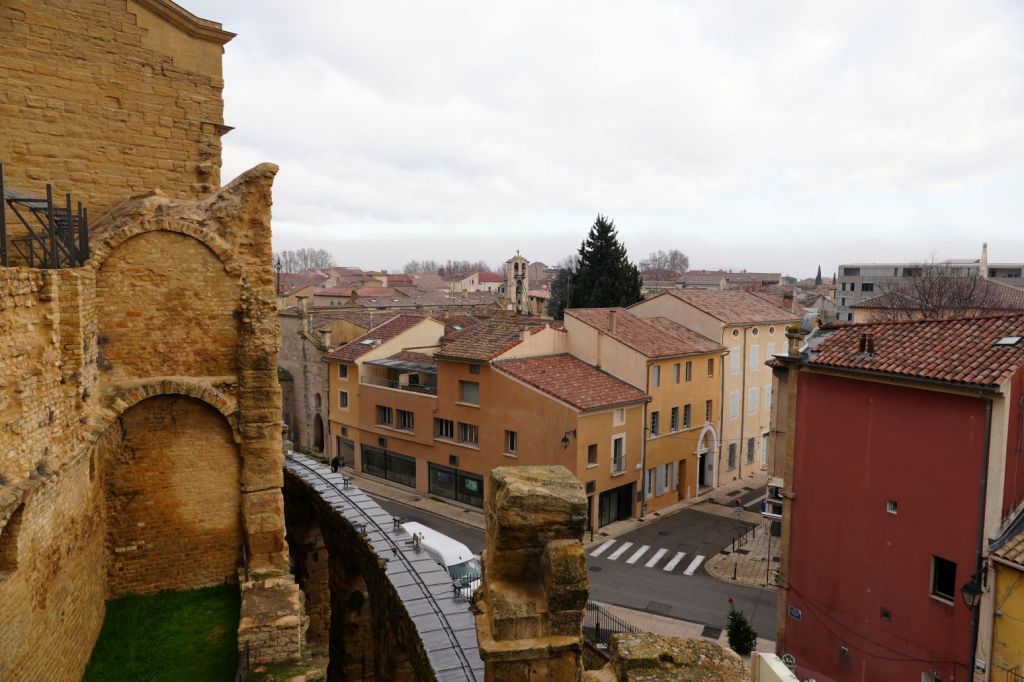
Back outside, we walked around the nearby streets in search of other ruins. Right beside the theater are the excavated footings of a religious complex including a temple. As in other Roman outposts, a forum did exist in Orange but has now apparently been buried below the modern city; however, we still were able to find one of its exterior walls.
While we were particularly interested in seeing Roman ruins in Orange, websites with titles like “The 13 must-sees” and “19 things to see and do on foot” had lots of other suggestions. Ideas included the botanic garden, the Cathedral, a 14th-century bell tower, and the remains of a 12th-century château. Looks like if we go back to this Provençal city, there will be more to see.
 Let's Live In France