
If you saw the movie Monuments Men, you may remember that it tells the story of art historians, curators, and museum directors during World War II who set out to rescue and preserve works of art and cultural artifacts stolen by the Nazis. They were in a race against Hitler’s “Nero Decree” that ordered the destruction of anything of value to prevent it from falling into Allied hands. This collection of civilians from 13 different countries, generally not trained as soldiers, worked side-by-side with the military to locate, protect, and recover the looted treasures. We knew that the film was based on true events but we had no idea that our own local Fine Arts museum was connected with the restoration and repatriation effort.
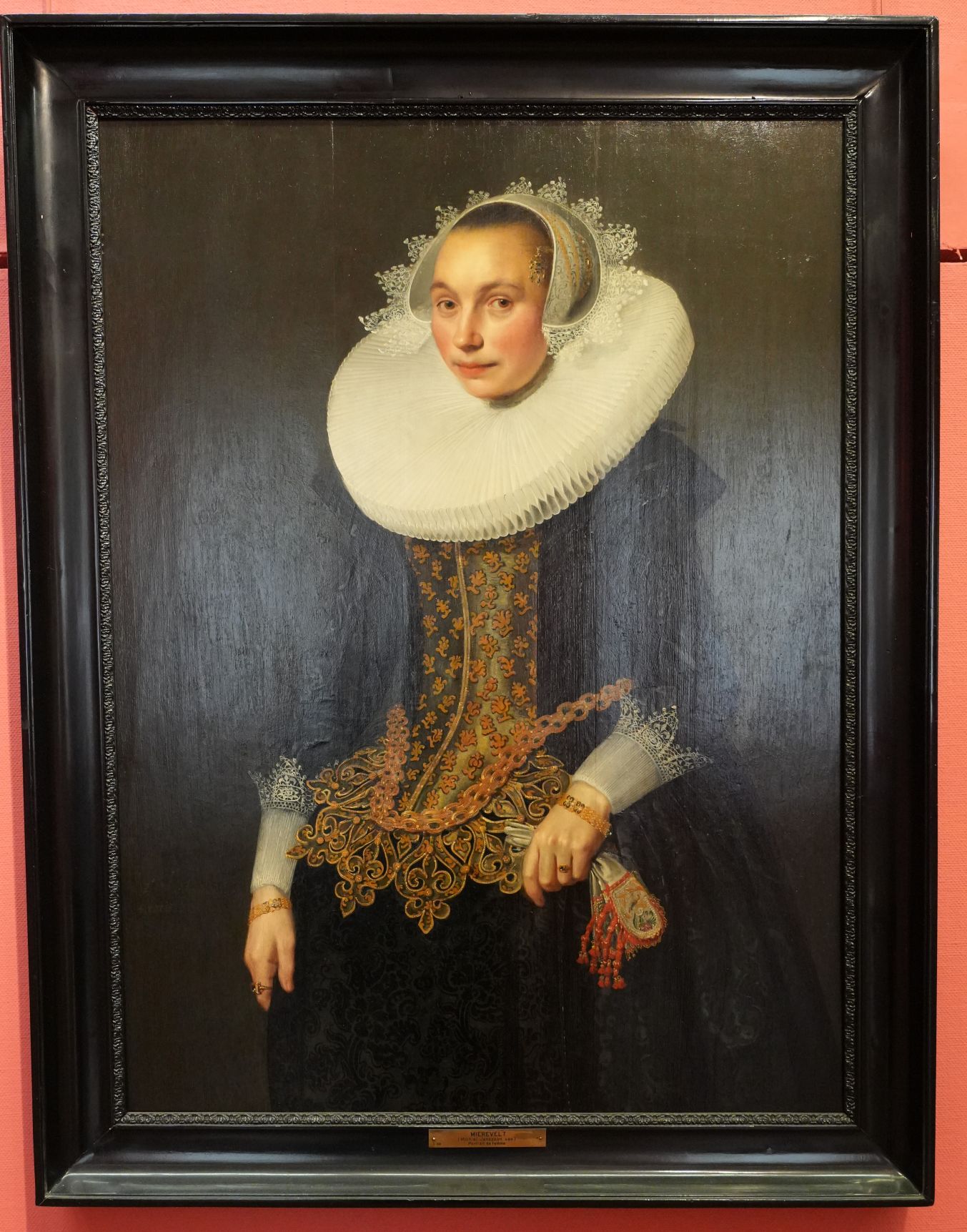
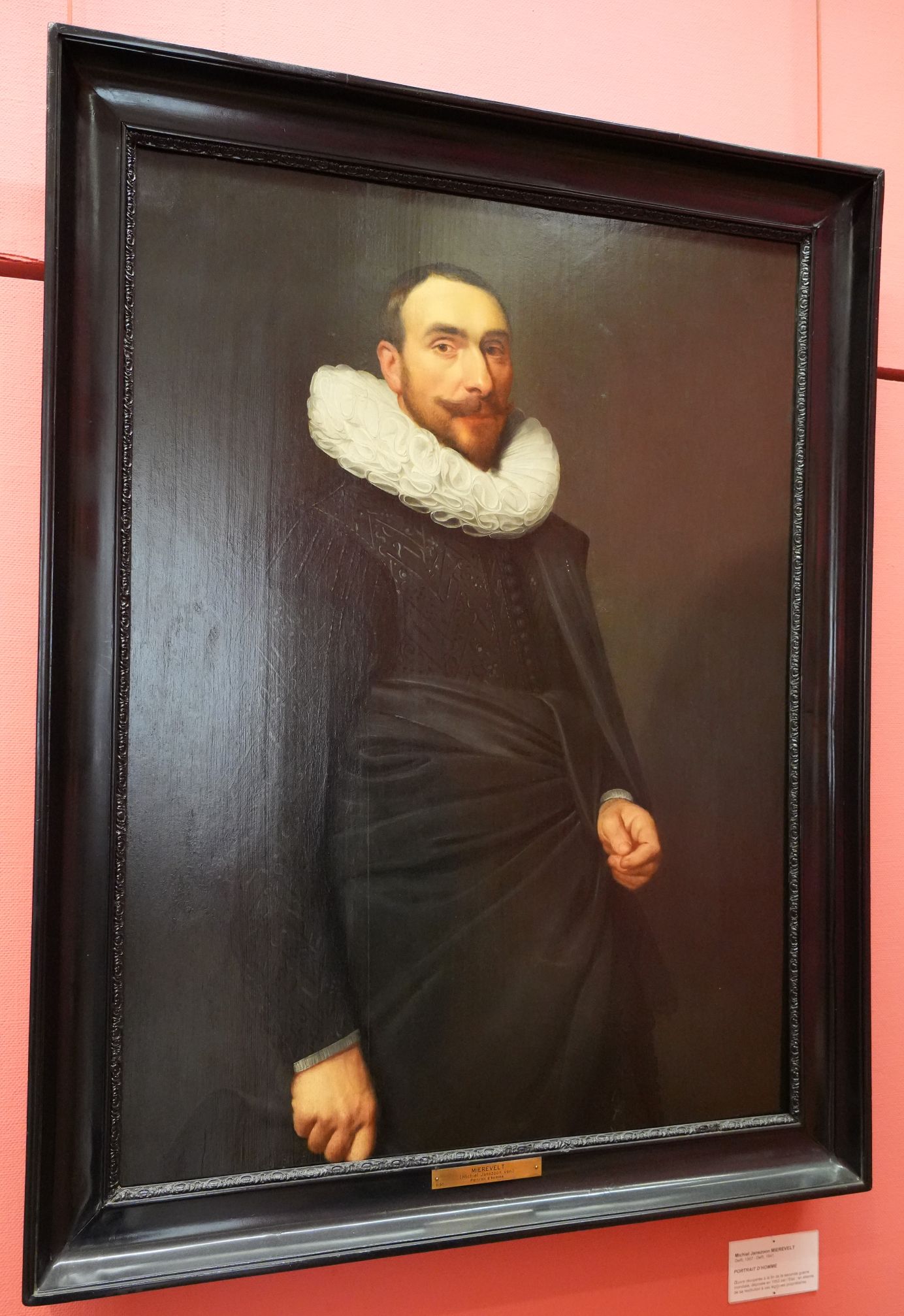
Bill and I have visited the Musée des Beaux-Arts in downtown Carcassonne several times since it’s just a 15-minute walk from home and even better, the entrance is free. They have an agreement with the Louvre to put exhibits on display here that we would otherwise have to go to Paris to see. While the museum concentrates on items of local interest, it also includes a selection of paintings from the 17th to the 21st centuries, as well as a collection of porcelain. And now we know about 4 particularly interesting pieces, identified in this paragraph and below.
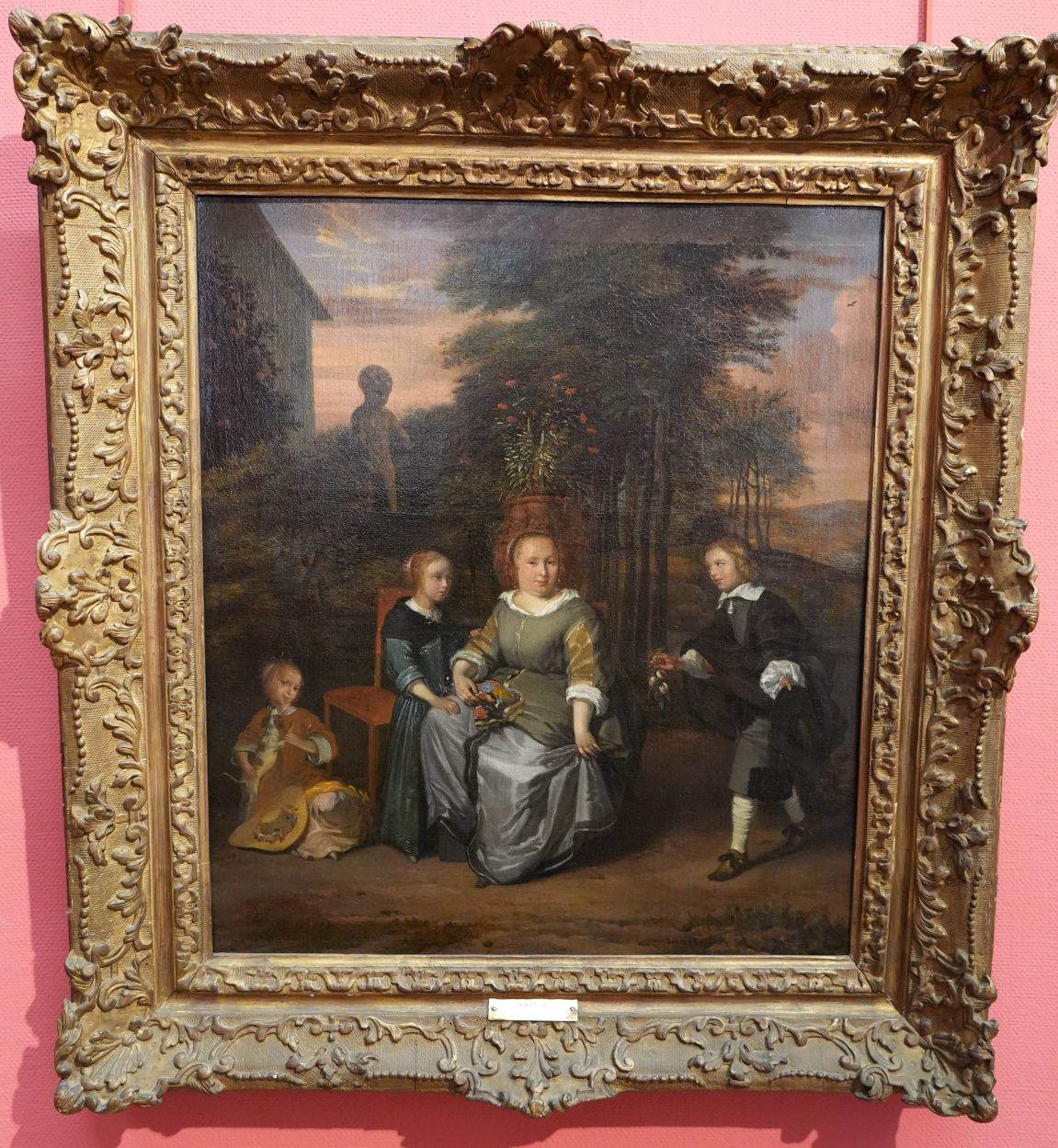
It turns out that the Musée des Beaux-Arts in Carcassonne is one of the French museums that holds MNR goods (Musées Nationaux Récupération), which are art and artifacts recovered after being looted by the Nazis during World War II. The museum serves as a guardian of this history and is responsible for conserving, studying, and, if possible, returning these stolen treasures to their rightful owners.
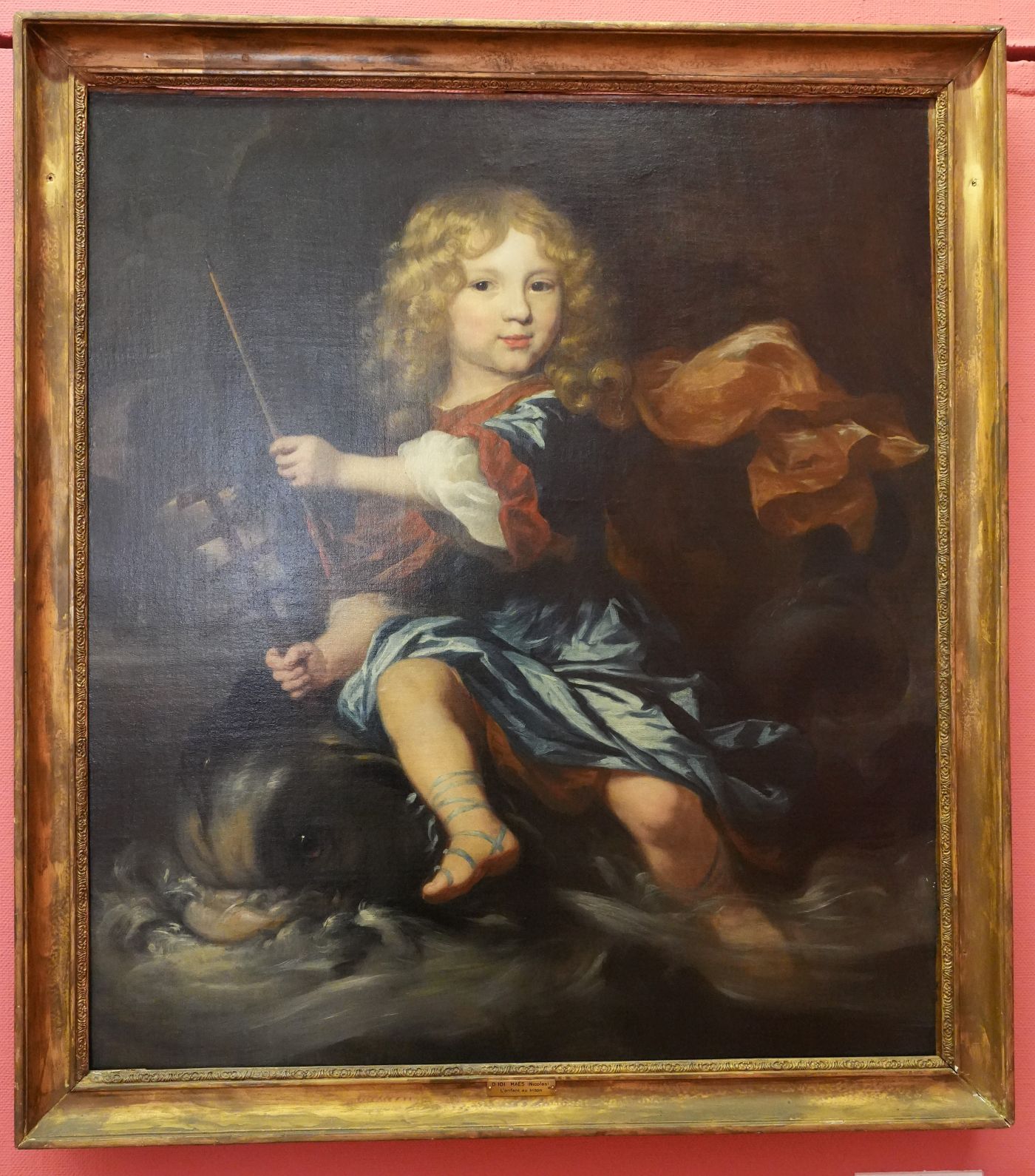
After the war, 60,000 works and objects were recovered from Germany and other controlled territories with 45,000 of these successfully returned. The remaining works, including 2,100 that were entrusted to the care of French national museums, were placed in regional museums like the one here in town. Initially, there was a plan to make the works state property, but this idea was abandoned, recognizing that the right of ownership has no time limit. The museums holding these works are not the owners; they are simply the custodians, awaiting the potential identification of the true heirs.
While we’ve enjoyed each of our visits to the Fine Arts Museum, we now have even more respect for the role this institution plays in the history of France.
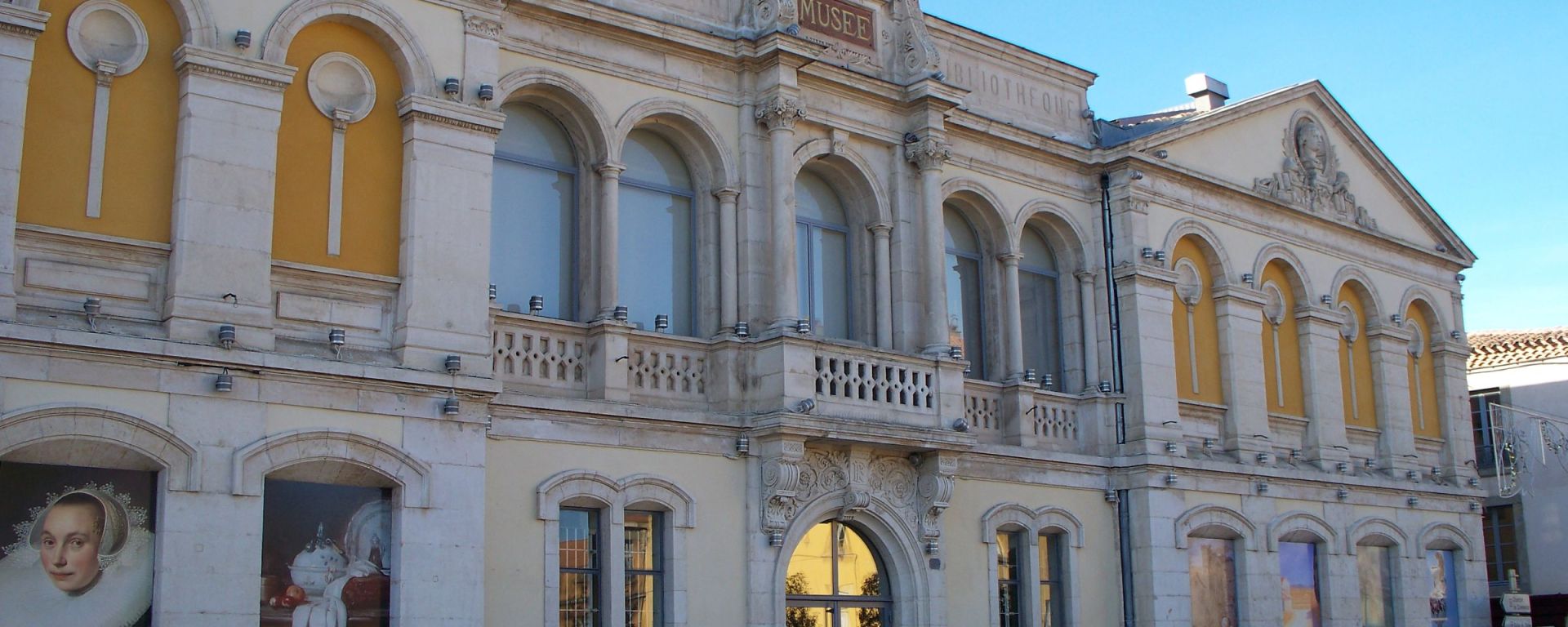
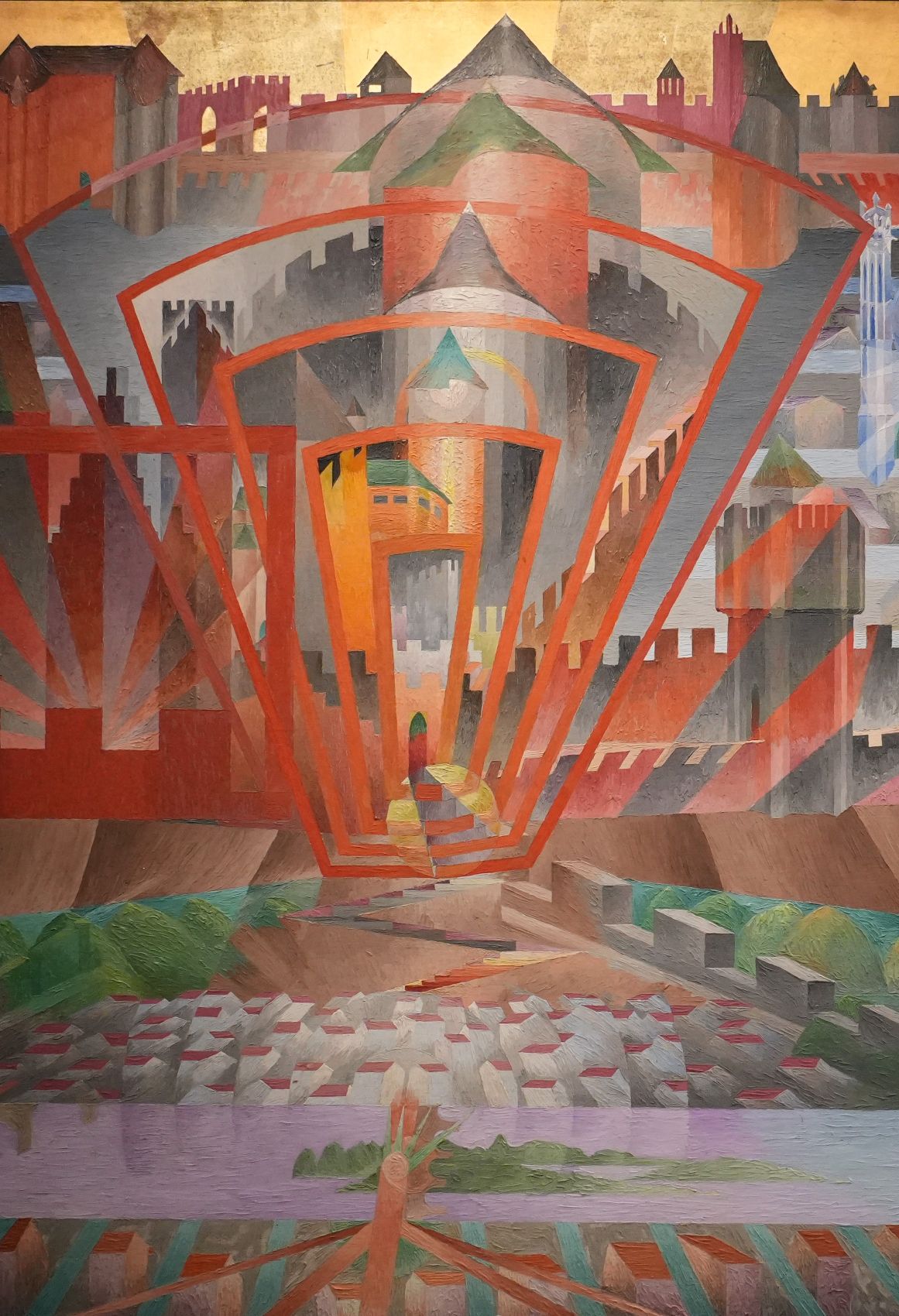
Photo notes: The featured photo across the top is the entrance to the Beaux Arts museum. In the first paragraph is an oil on wood entitled La Cité de Carcassonne painted by Henri Valensi in 1934. It was a gift to the museum in 1955, so not a part of the MNR goods; simply a colorful painting that we liked.


Fascinating and, not having seen the movie, I had no idea.
LikeLiked by 2 people
Very interesting! I’ll be sure to look for these paintings the next time I visit the musee.
LikeLiked by 2 people
I quite like the La Cité painting as well!
LikeLiked by 1 person