
Just like the sailors in the Broadway musical, “On the Town”, who sang of New York, “We’ve got one day here and not another minute to see the famous sights!”, Bill and I had the same in Niort. We were spending the week in nearby Poitiers with chances to visit a few other towns in the area. Adding to our collection of blog posts with “pun-ny” names like the one about asparagus from northwest France called “Brittany Spears” and the springtime fruits of “Kumquat May”, today’s story title was inevitable. With the song lyrics promising, “We’ll find the romance and danger waiting in it…” we were off on a new adventure.
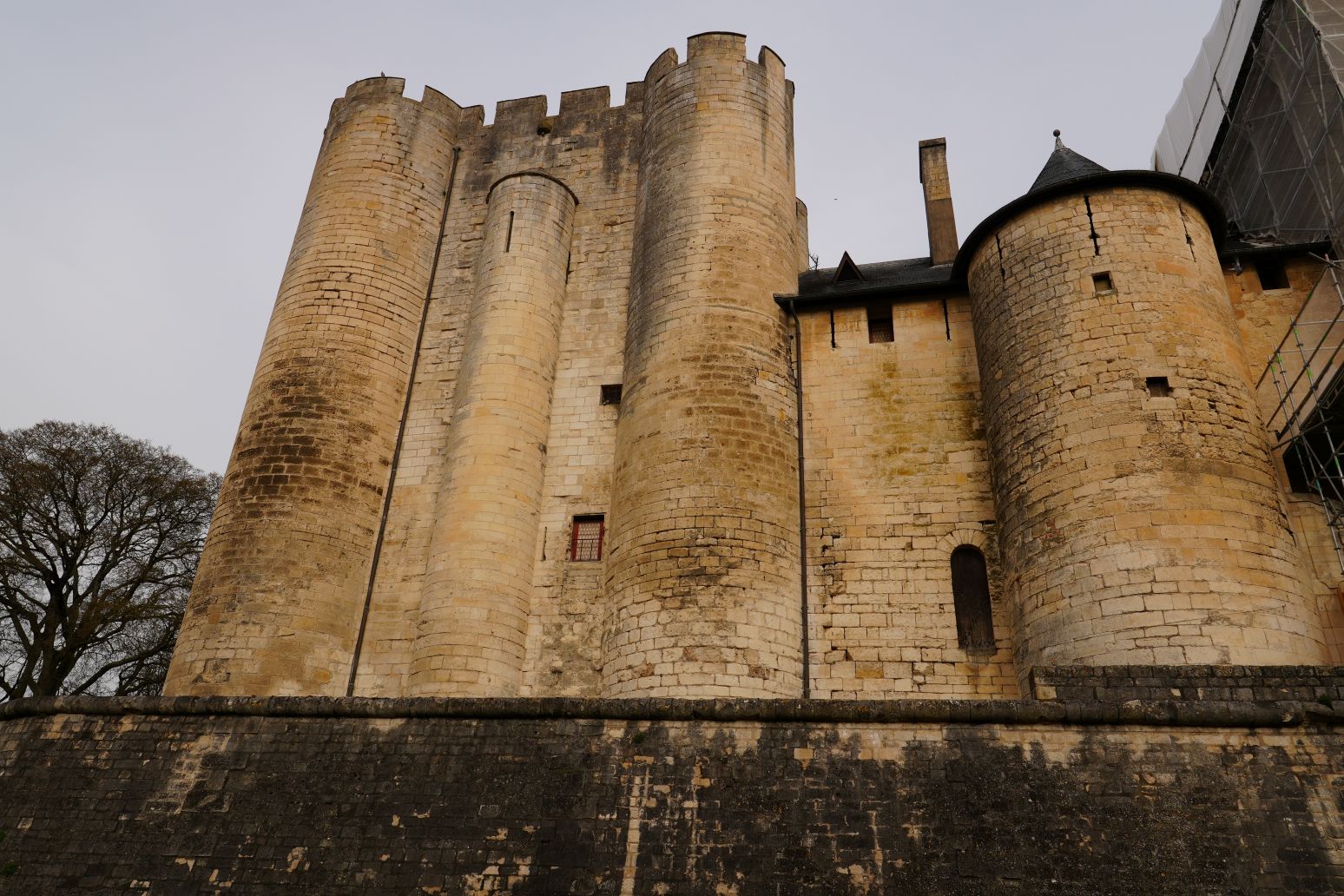
When England’s Henry II married France’s Eleanor of Aquitaine in 1152, their kingdom suddenly stretched from Scotland to the Pyrenees. To control the massive territory, they needed multiple castles, one of which was a huge fortress, the Donjon, our first stop soon after we left the train station in Niort. The twin towers of the “keep” are each about 28 meters (90 feet) tall, with a combined width of 50 meters (160 feet) across when you add in the connecting stone building. It was an effective way to protect the trade routes of wine, salt, and grain.
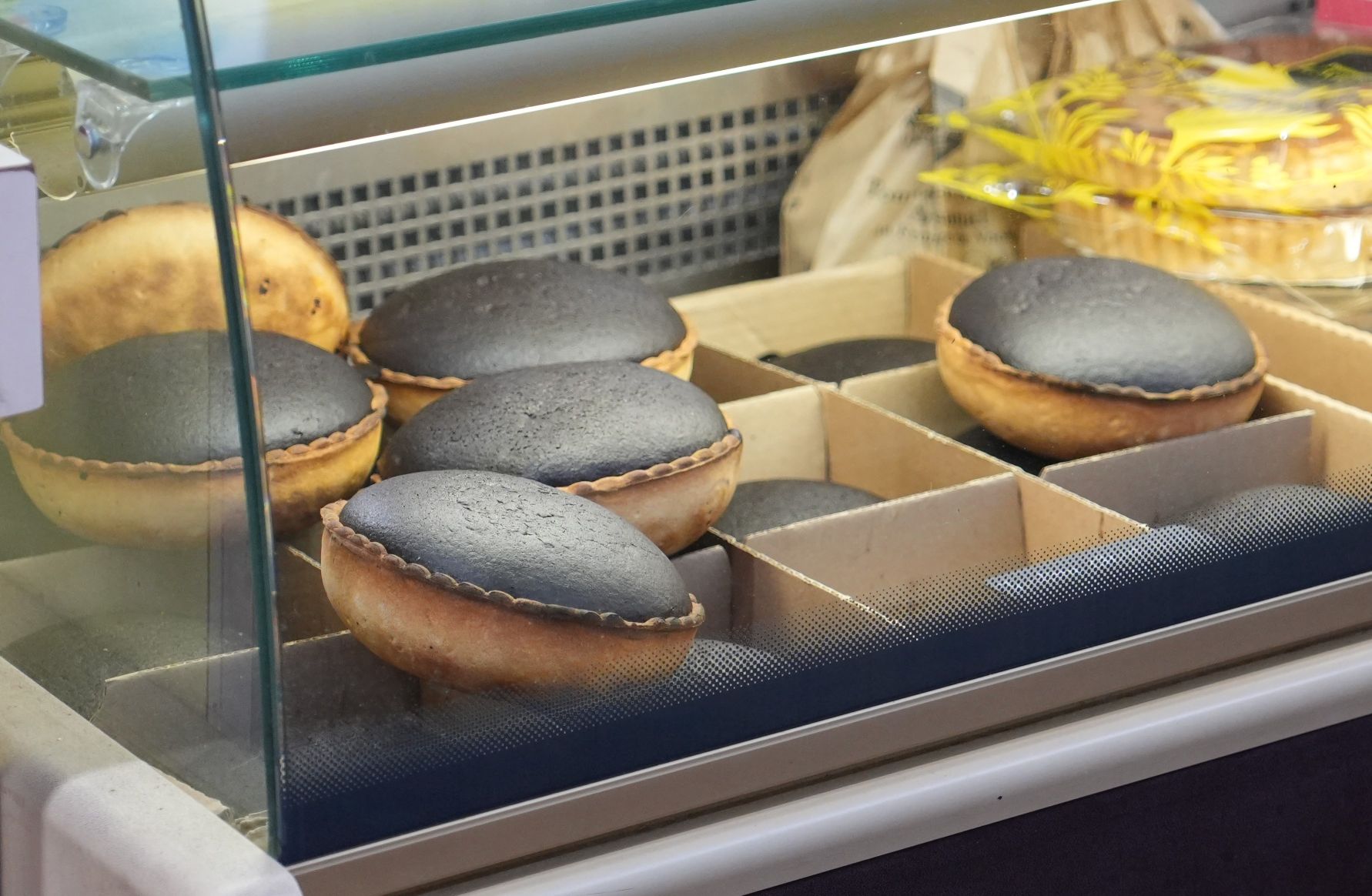
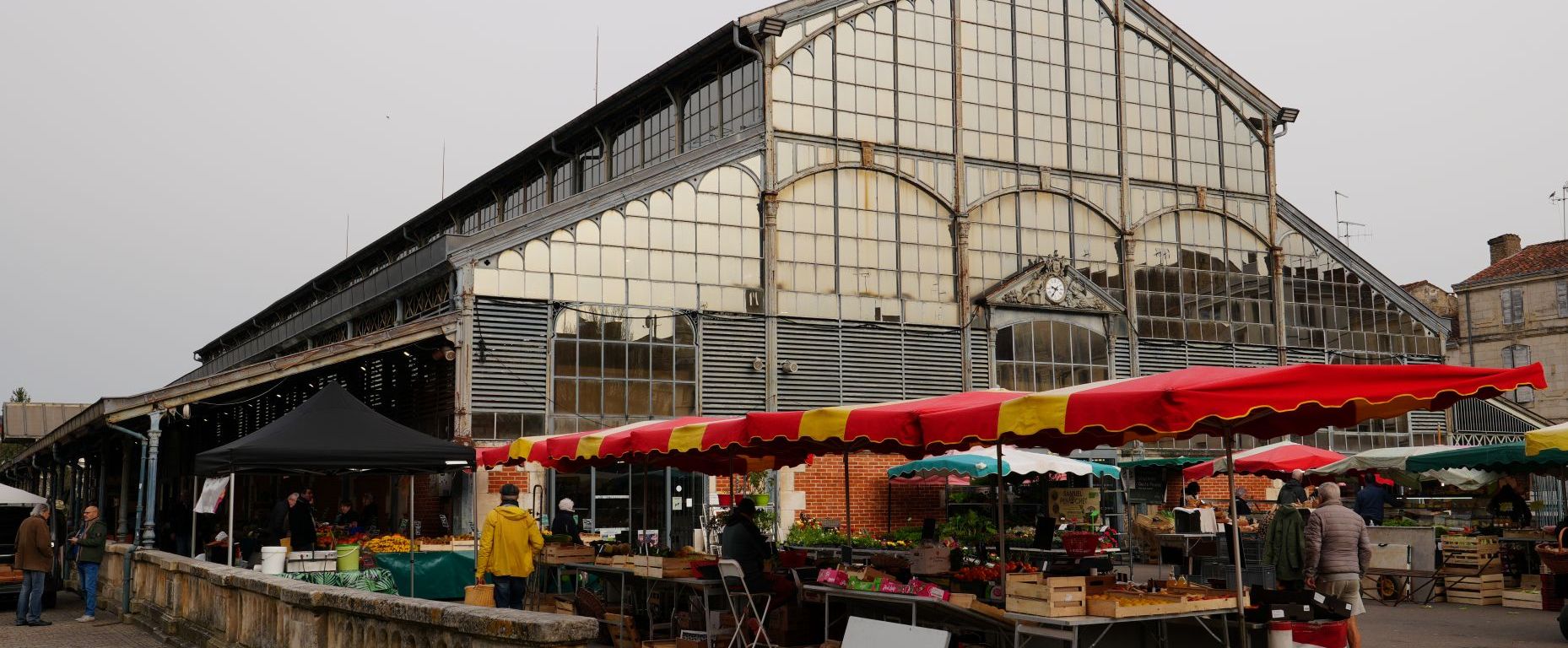
Next to the Donjon was another big structure but this one from iron and glass built in 1869. The covered market, Les Halles, has about 100 vendors selling fruit, vegetables, meat, fish, cheese, and bread. A local specialty that we wanted to look for was a cheesecake called, “Torteau Fromagé” (cheese turtle) with a domed shape and blackened top, said to resemble the animal. To wash that down you’re supposed to find a bottle of Liqueur d’angélique, a sweet, botanical liqueur with a luminous green color.
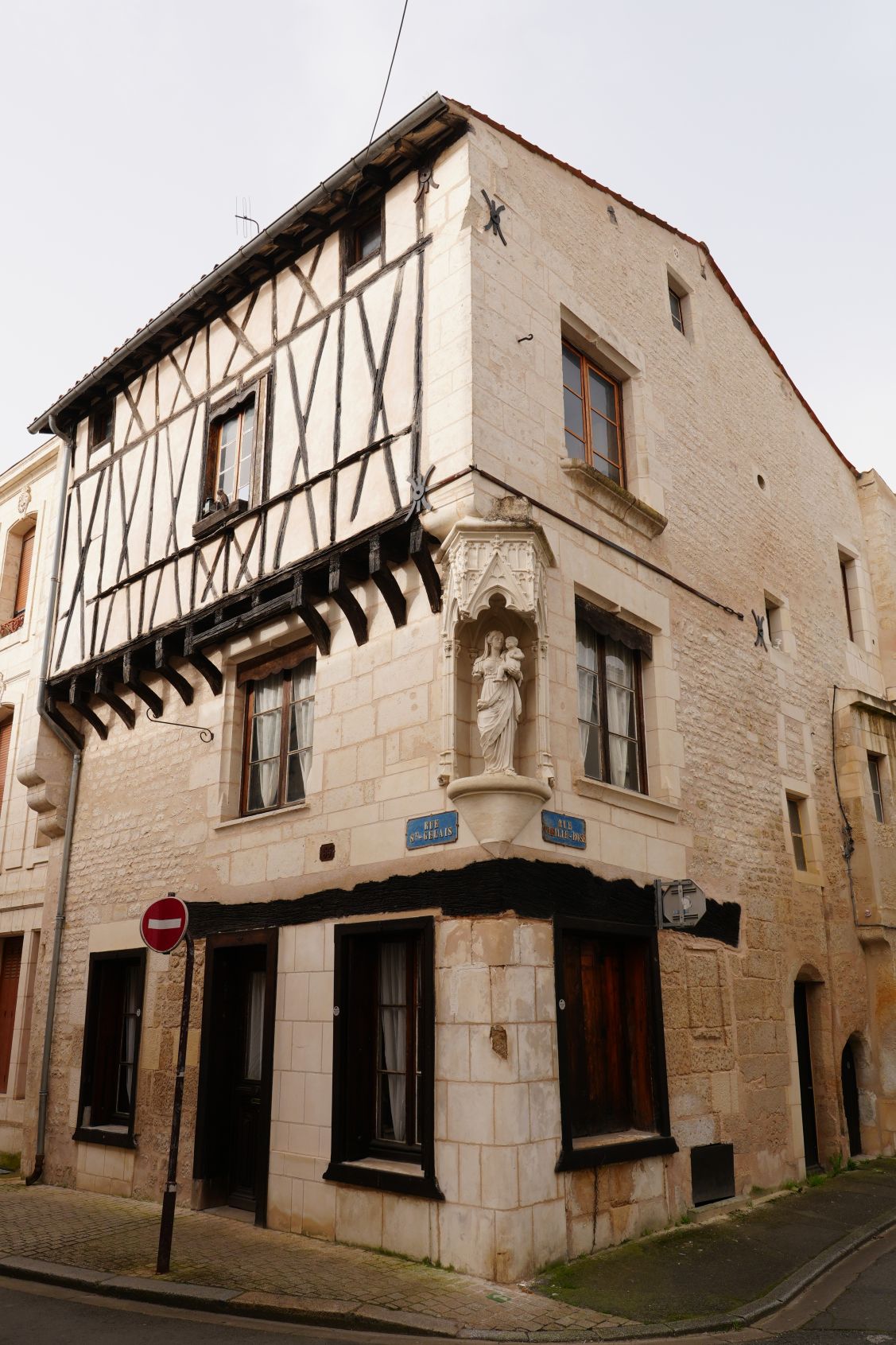
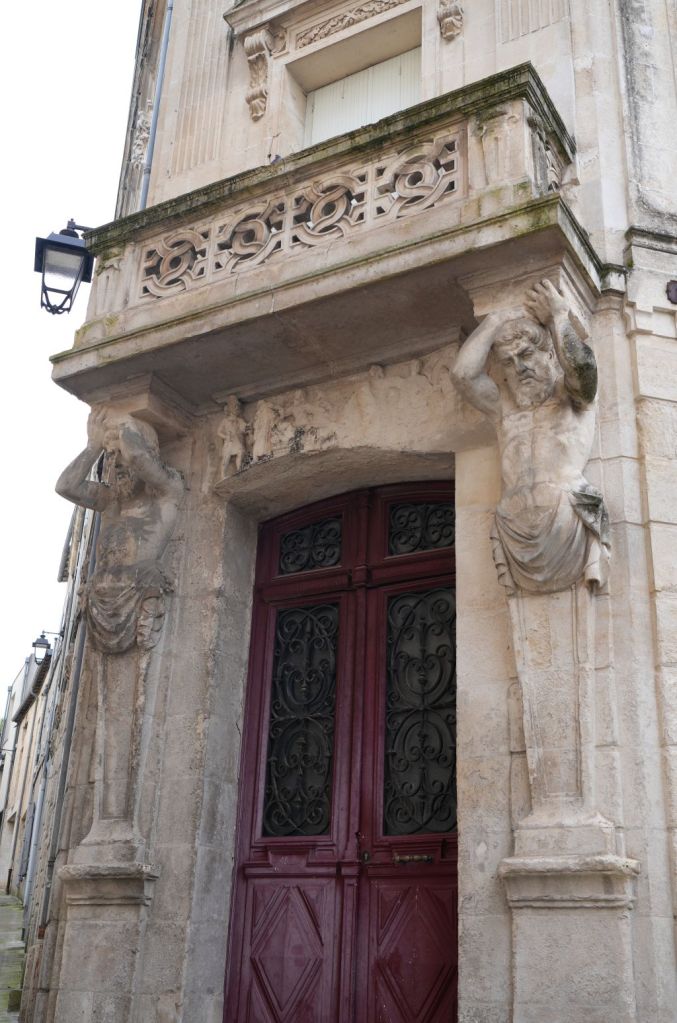
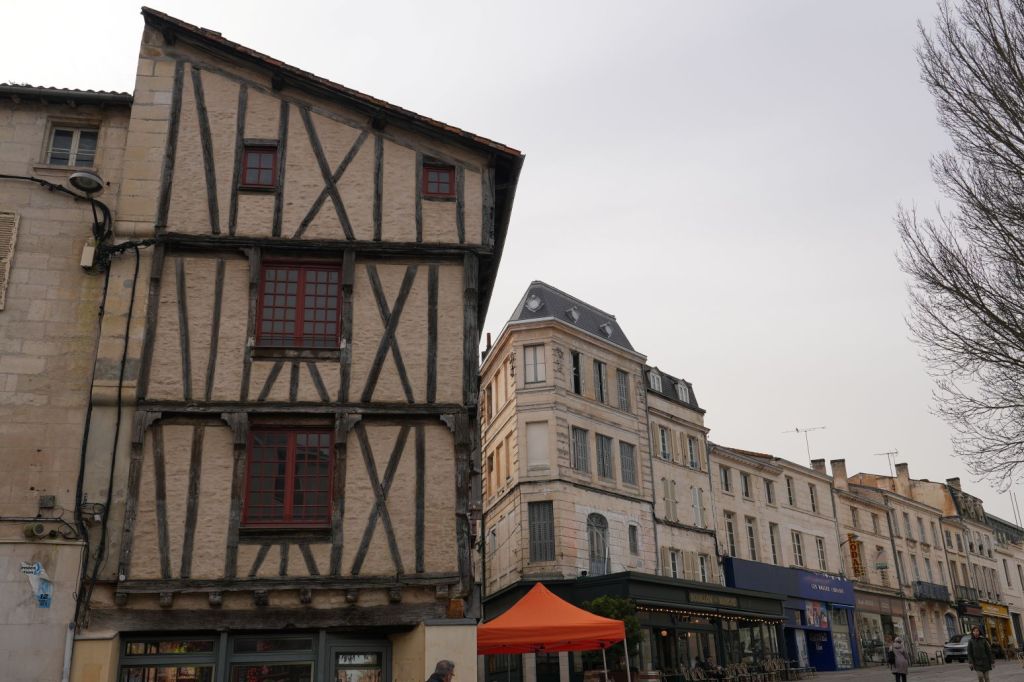
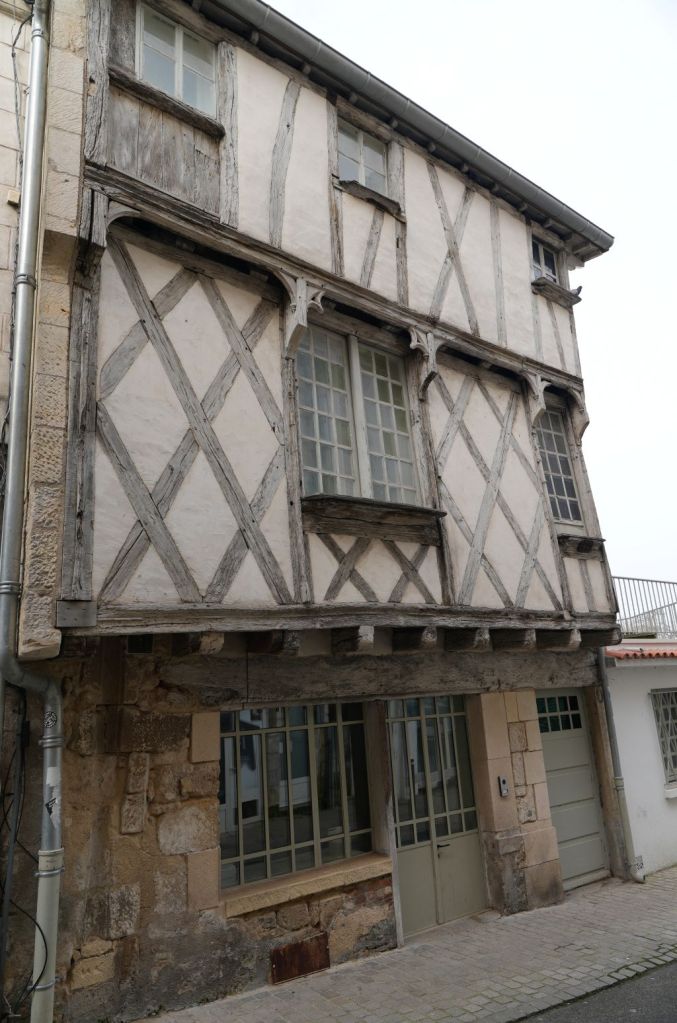
Close by in “old town” we were told to look out for some particularly interesting private mansions. Apparently the most-photographed “hôtel particulier” is the House of the Virgin from the 15th century and so-named because of the Virgin and Child sculpture that served as a landmark for pilgrims on the Way of St. James. Next was L’Hôtel de Chaumont built in the 1400s and birthplace of Françoise d’Aubigné because her family was being held as prisoners there for her father’s opposition to Cardinal Richelieu. Despite that start, she later became the second wife of King Louis XIV.
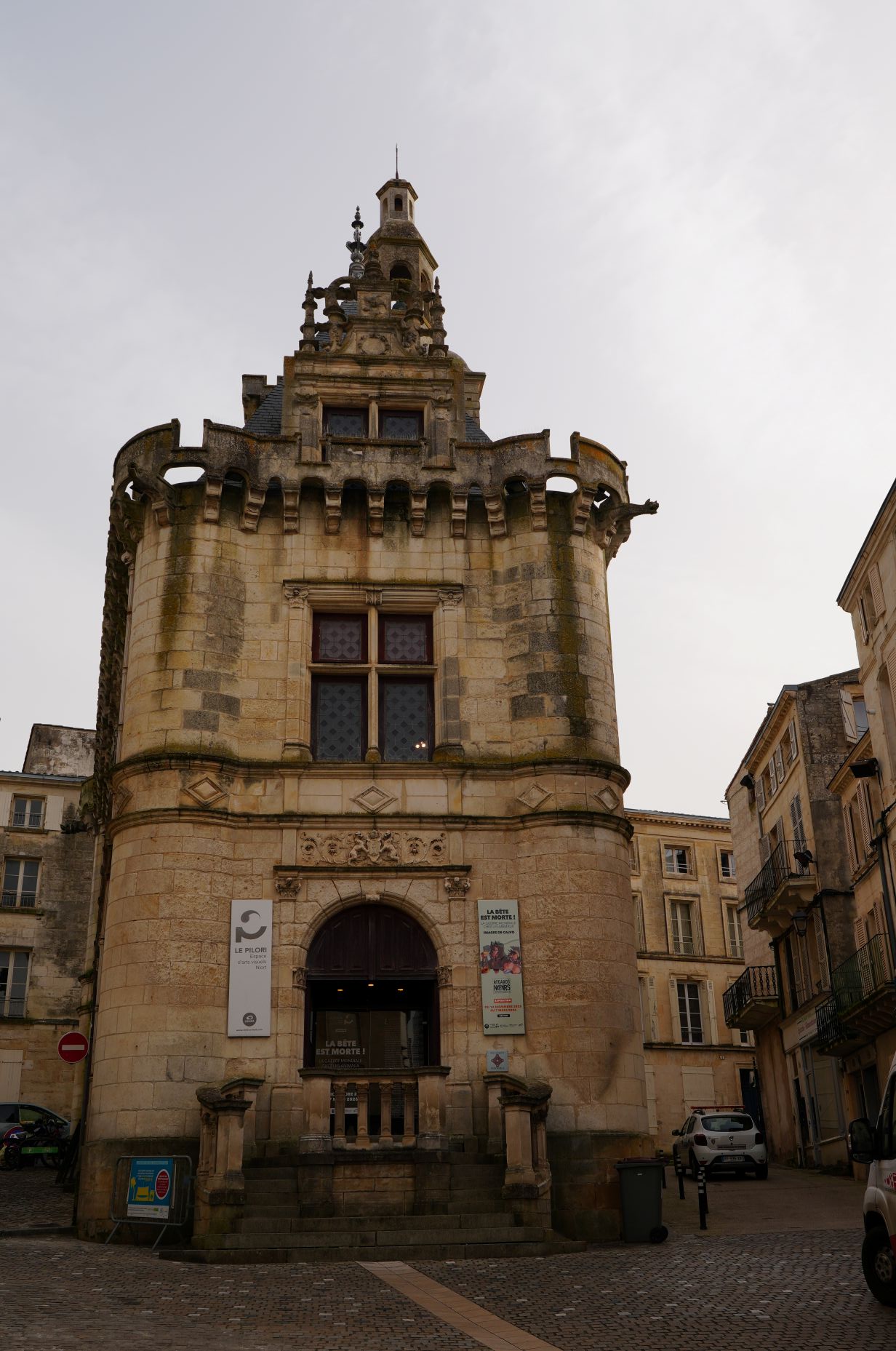
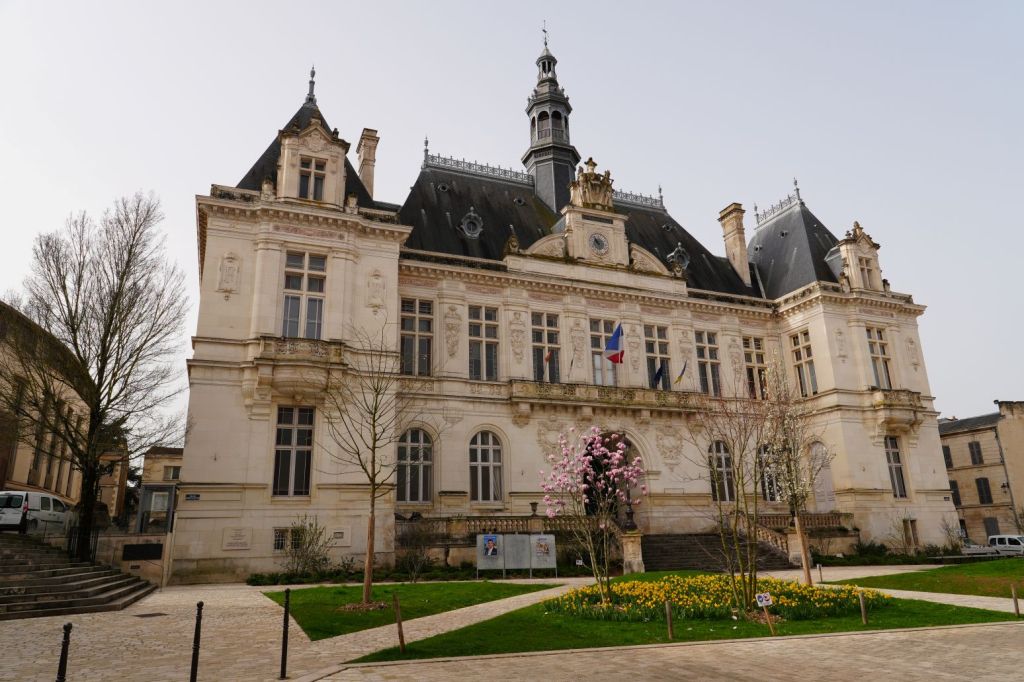
The former town hall was built in the 1500s and is still called Le Pilori (stocks used to publicly humiliate prisoners) since that’s where this medieval device once stood. To me, the building actually resembles a pilori with its semi-circular towers joined horizontally by a central wall with windows mimicking the holes for the prisoner’s head and hands.
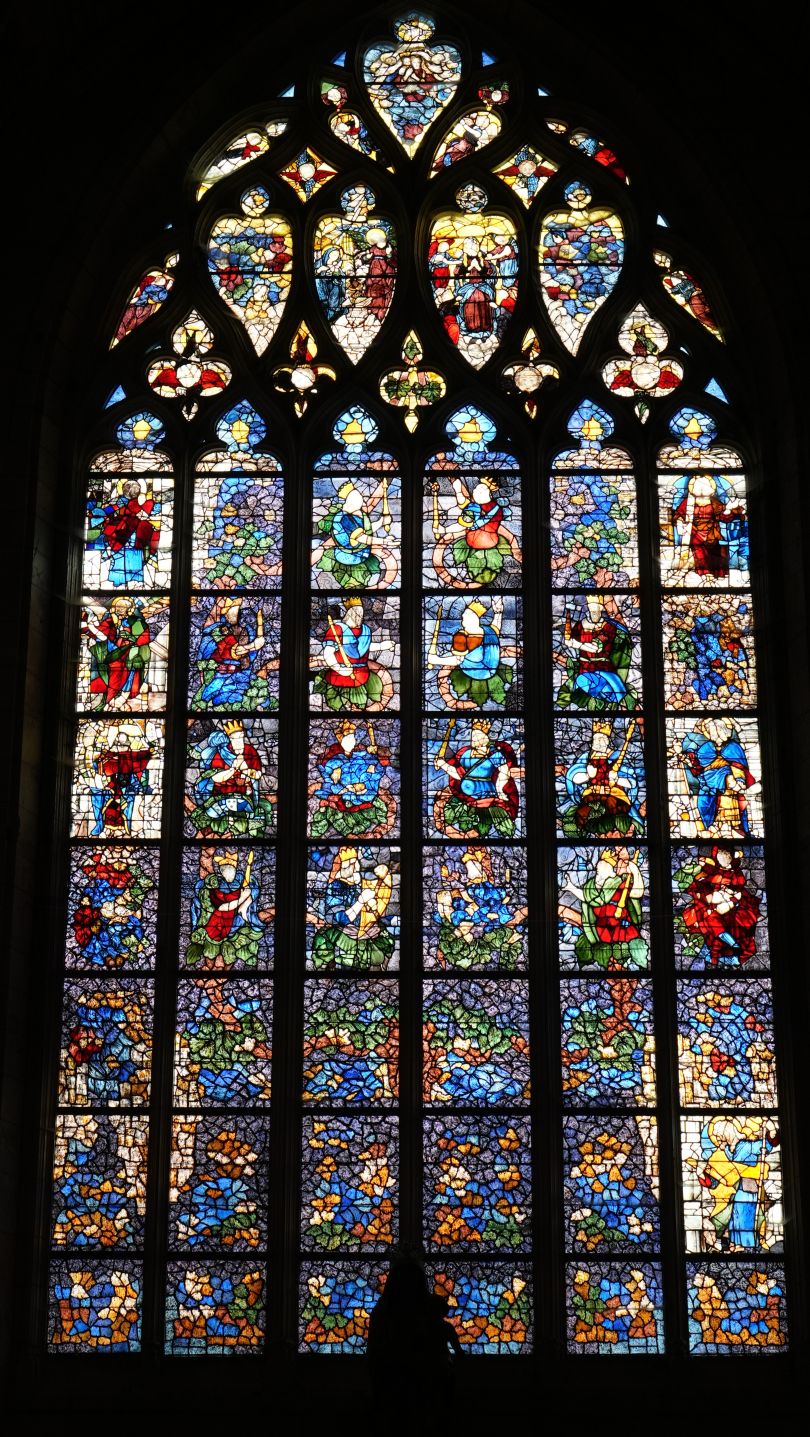
The oldest surviving church in Niort is Eglise Notre Dame finished in 1534 with a prominent spire reaching 75 meters (246 feet) high. Despite the Wars of Religion (1562-1598) that brought significant damage when its interior was ransacked, with many of its original statues being destroyed, yet some of the stained glass “Tree of Jesse” from around 1491 survived.
So, after our day in Niort, we found a bit of the romance but none of the danger mentioned in the Broadway song. And yes, the original stage show lyrics were somewhat stronger in their description of that “wonderful” town (altered to appease the movie censors of 1949), but we think this slight change fits France well.
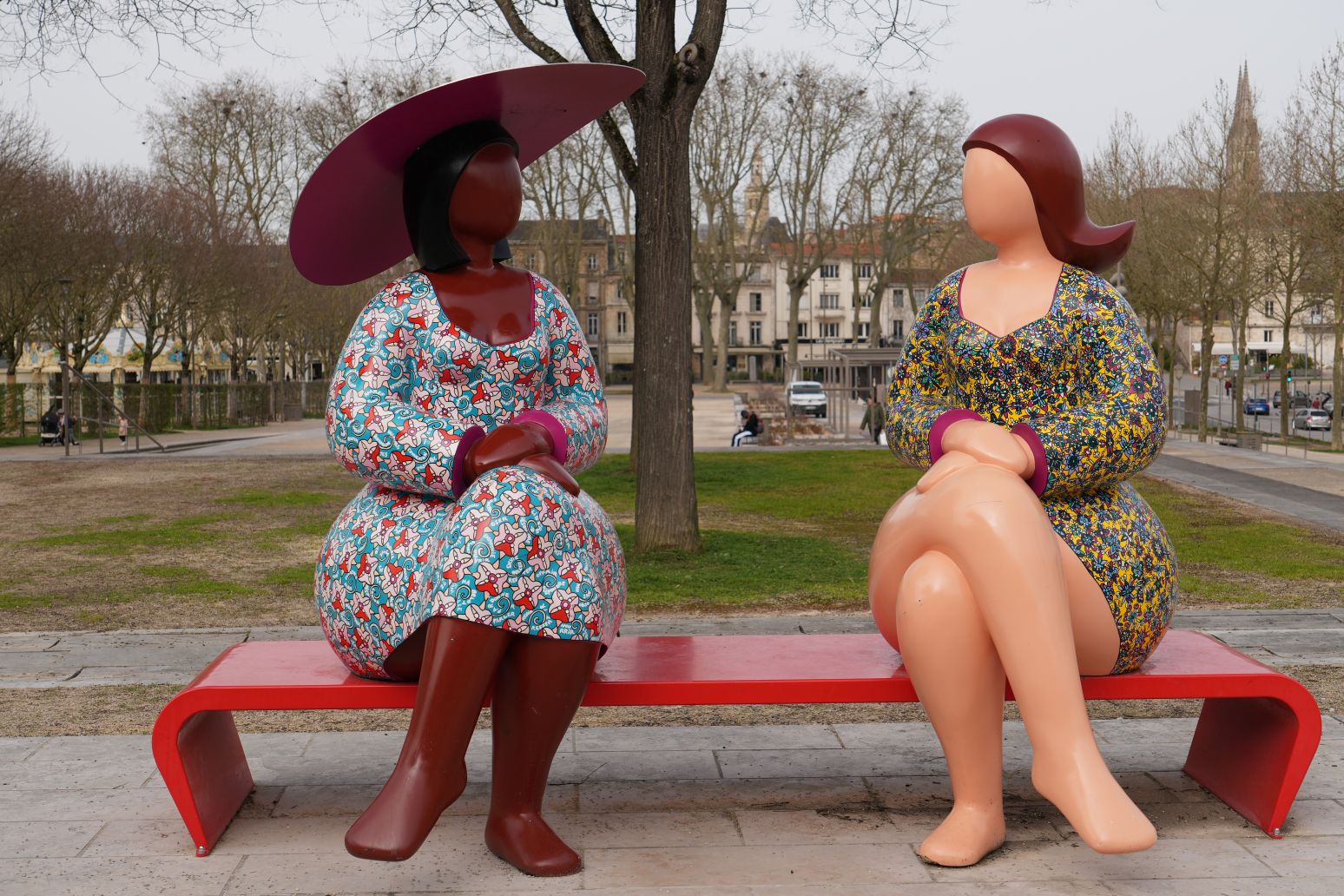
Photo notes: The featured photo across the top is the covered market and in the first paragraph is the sculpture “Les Dames de la Brèche”.

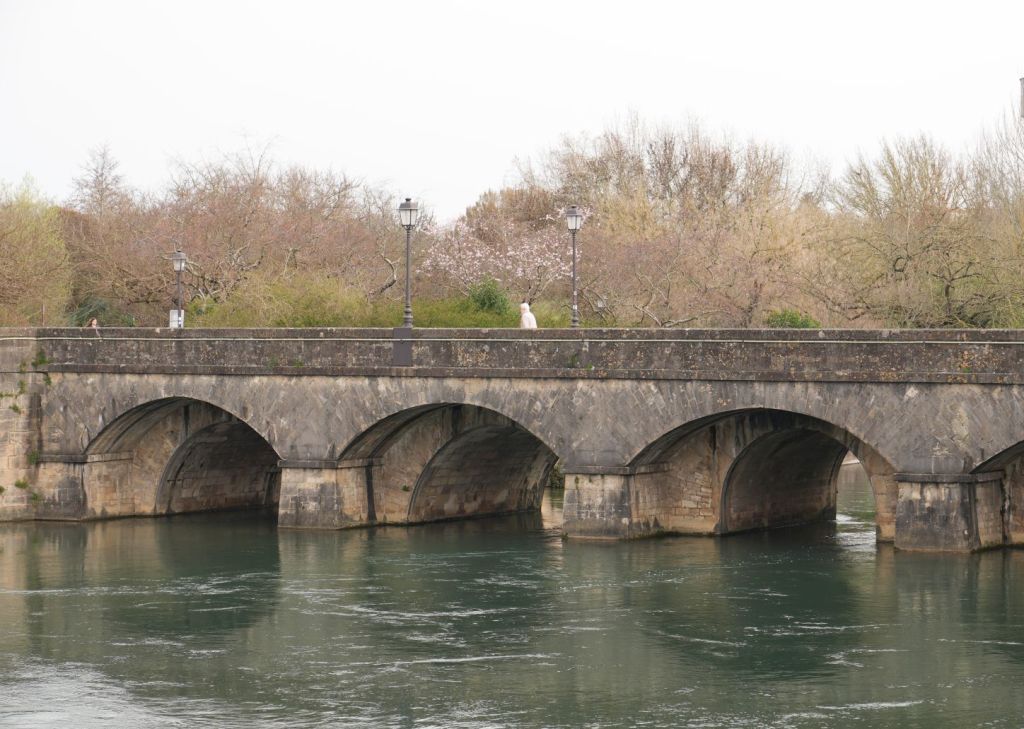


Yet another gorgeous spot!
LikeLiked by 2 people