
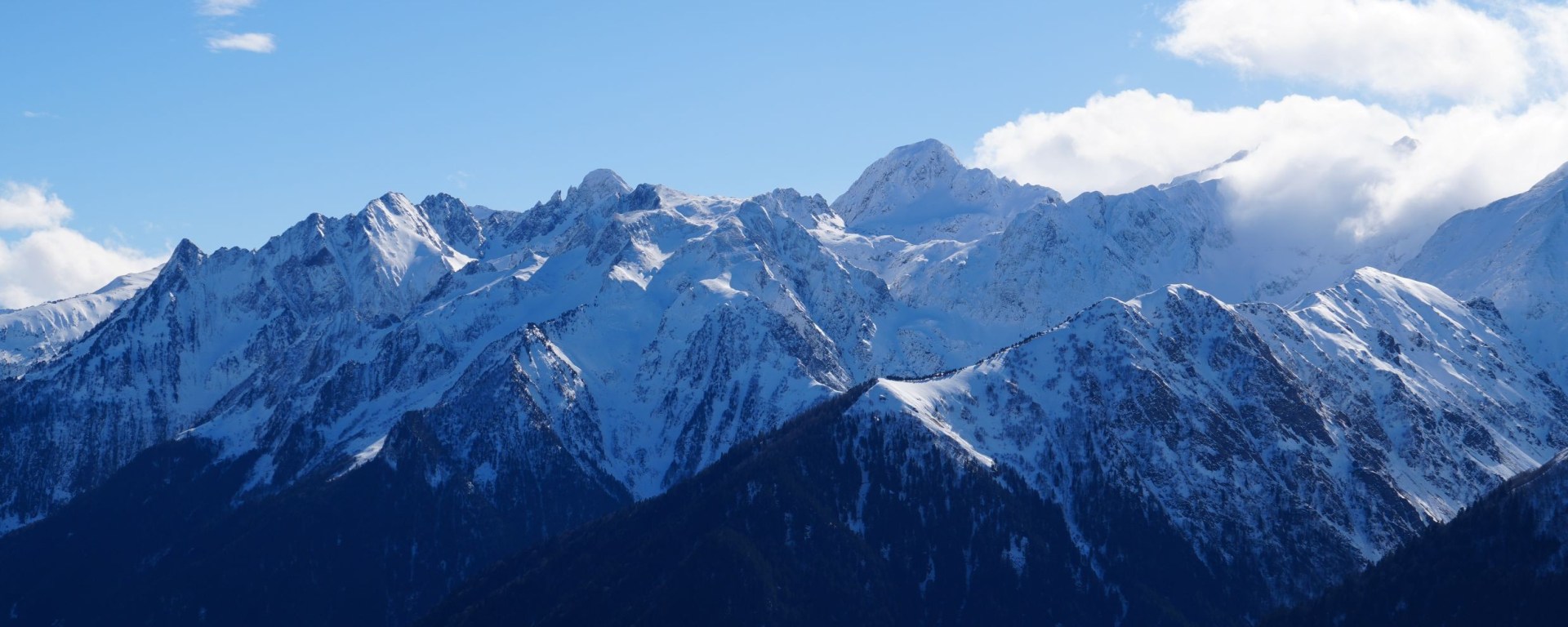
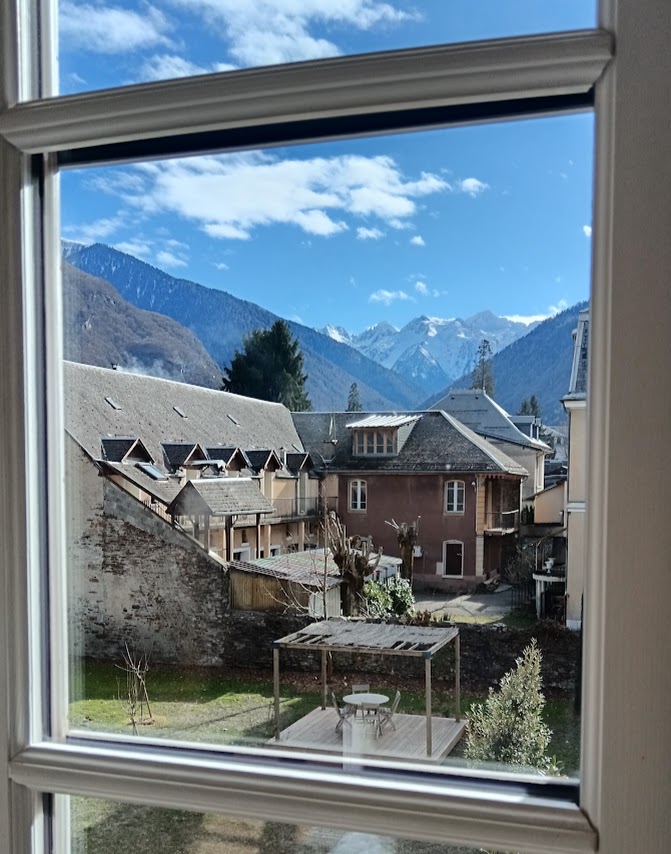
In honor of today being the first day of summer, is the story of our wintertime visit earlier this year to Luchon in the Pyrenees mountains. It will be one year ago tomorrow when the train line into this ski and thermal baths resort town reopened after a 10-year absence. We’re always on the lookout for a new part of the country to discover—by train—so this was a great chance to add another destination to our list. Since we seldom see snow where we live, a visit in the winter was going to be ideal.
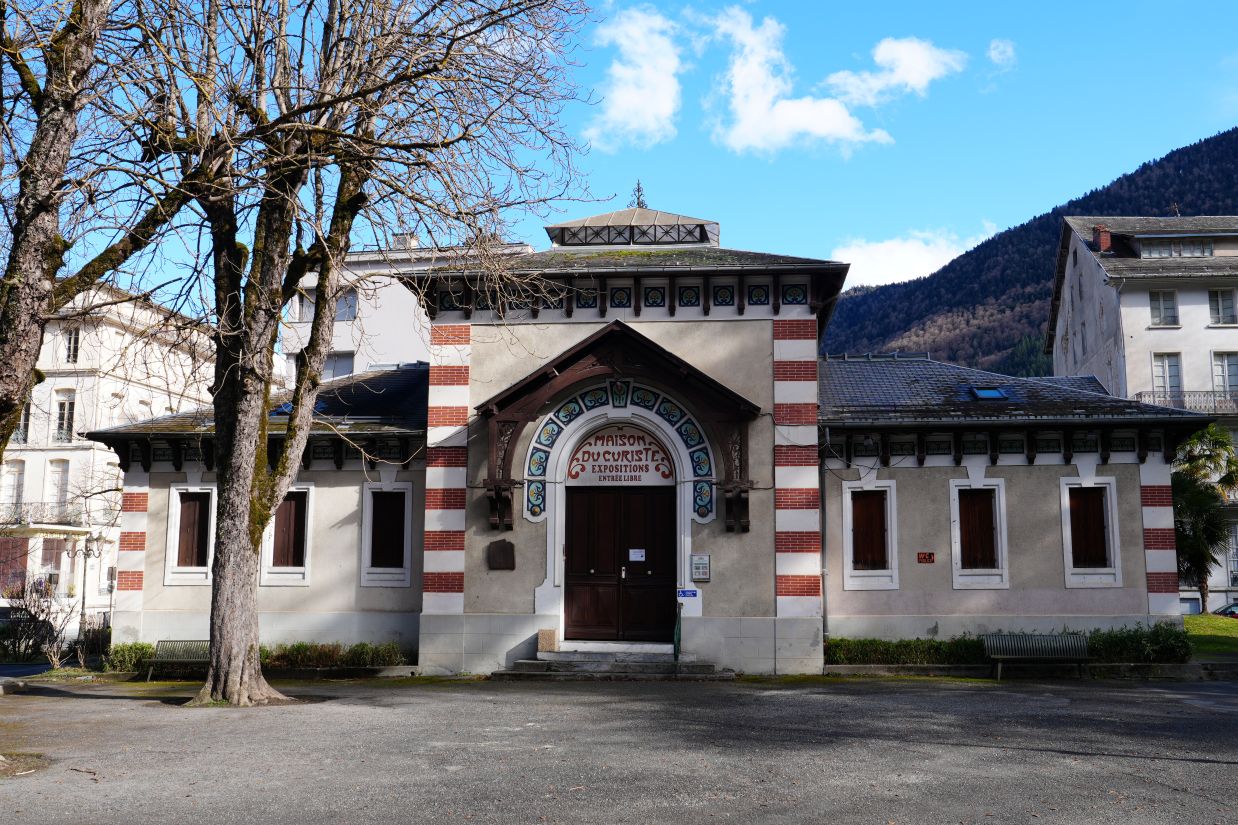
As in many places across France, it was the ancient Romans who first significantly developed the thermal springs in Luchon, officially called Bagnères-de-Luchon to highlight the existence of the baths (banhèras in the local language). Around 25 BC, they dug three large pools and lined them with marble to contain the water. I read that the motto “The Baths of Luchon are the first after those of Naples” originated in the Roman era and I even saw it still in use today by the main thermal bath complex.
With the fall of Rome, the area’s prosperity declined although there is a text dating from 987 mentioning this village and its baths. Two hundred years later, the religious order of the Hospitallers of Saint John established a hospice for pilgrims on the Way of St. James.
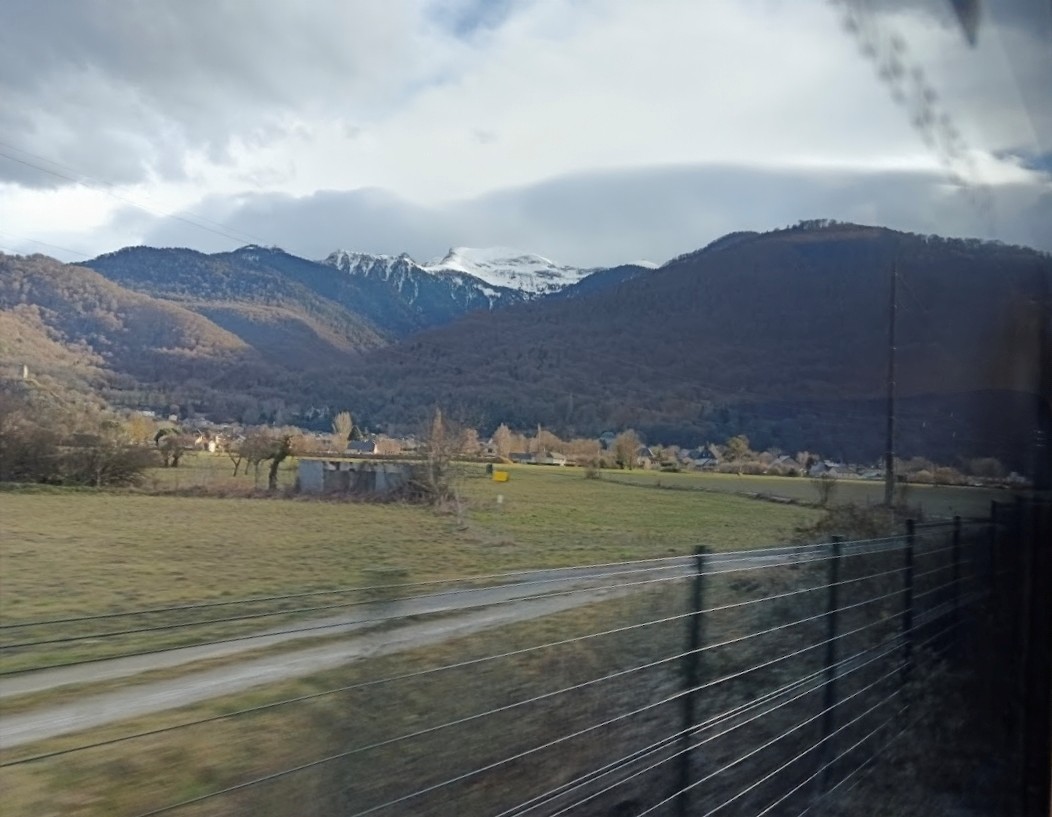
Fortune returned in 1759 with the arrival of a royal administrator, Baron D’Étigny, who had grand plans to revive Luchon as a spa town, an especially fashionable concept at that time. He ordered the creation of a tree-lined avenue through the heart of town and arranged for medical services to be offered at the spa, financed with royal funds and his own. Interestingly, he also had a carriage way built northward to connect Luchon into the road network serving the rest of France; it was alongside this route that our train took us into town.
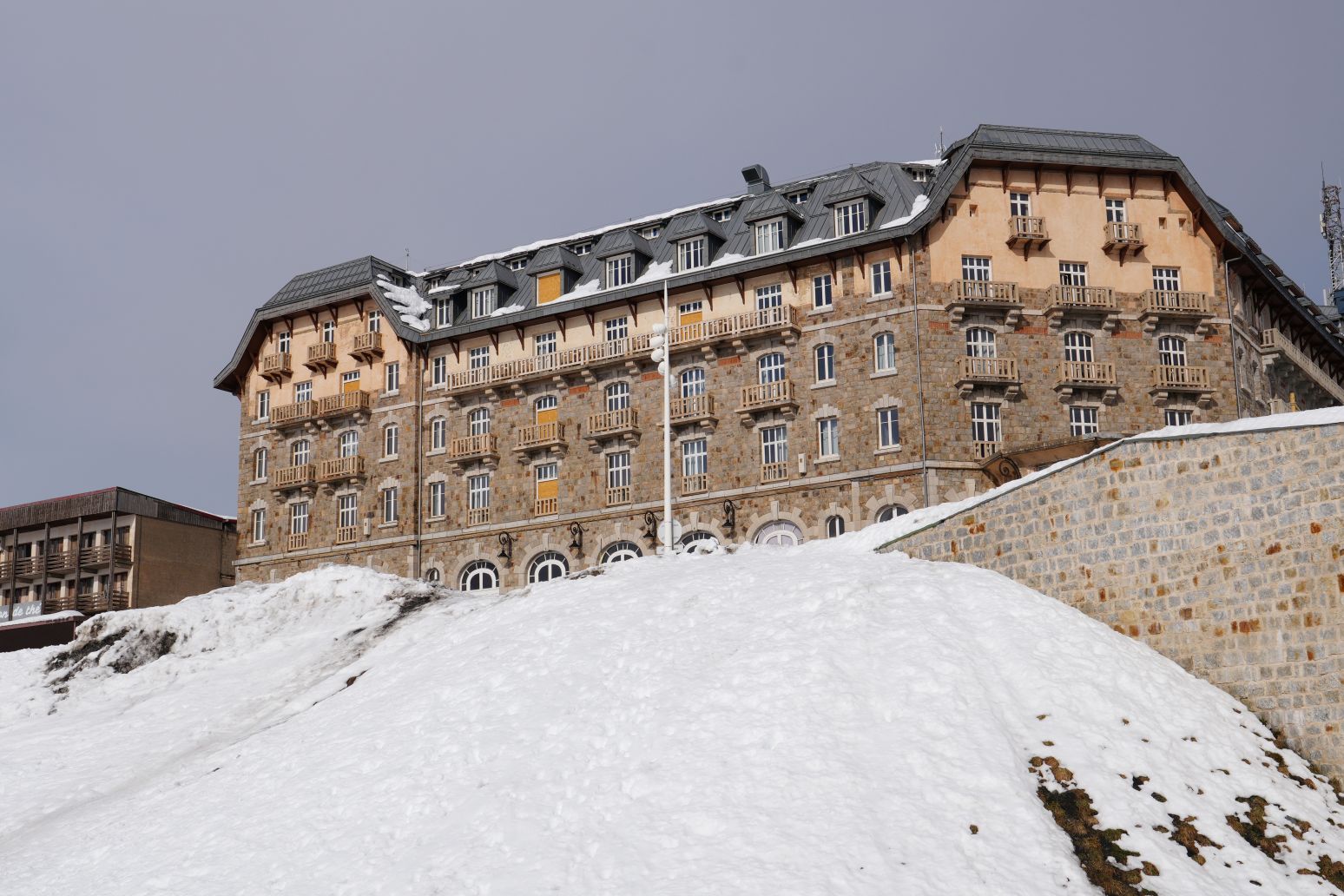
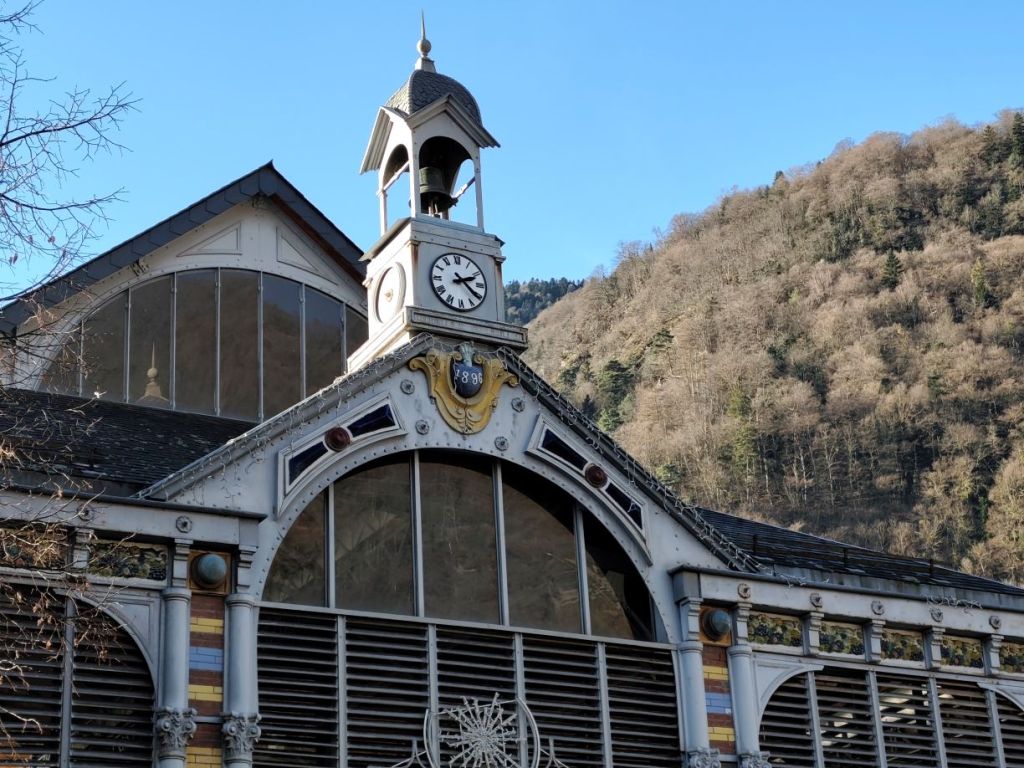
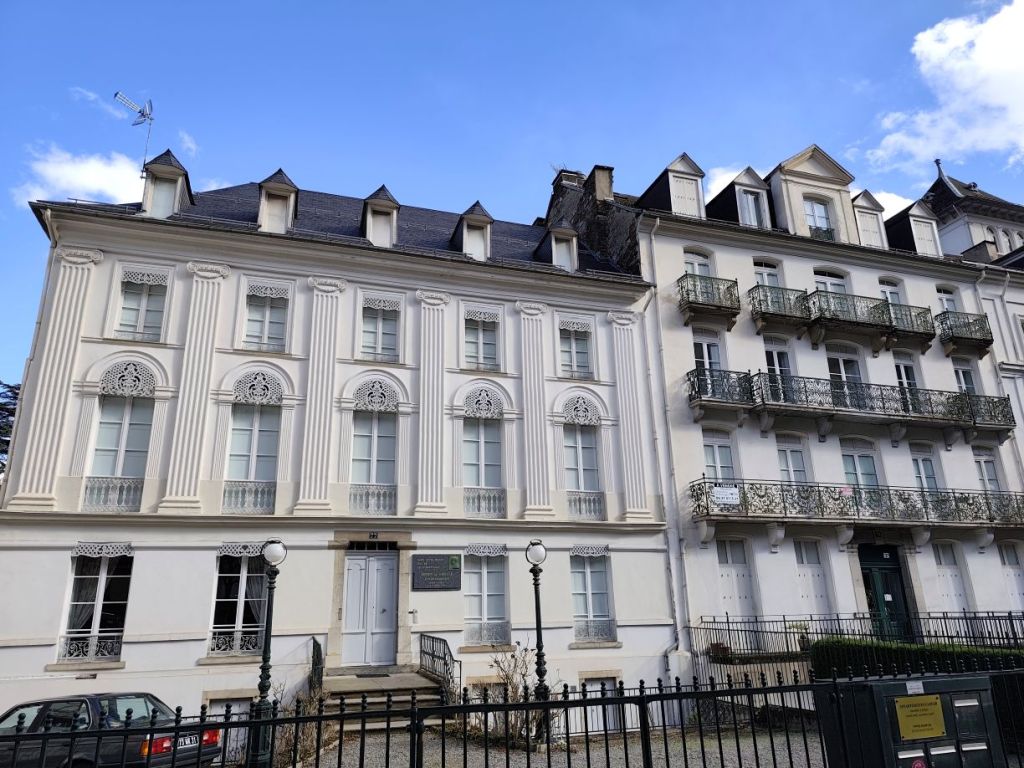
Eventually the town became a fashionable destination for European high society, attracting visitors including Napoléon III. There was also the construction of the beautiful, grand-style hotels, villas, and the central Chambert Thermal Baths. A casino was opened in 1880 to add to its appeal.
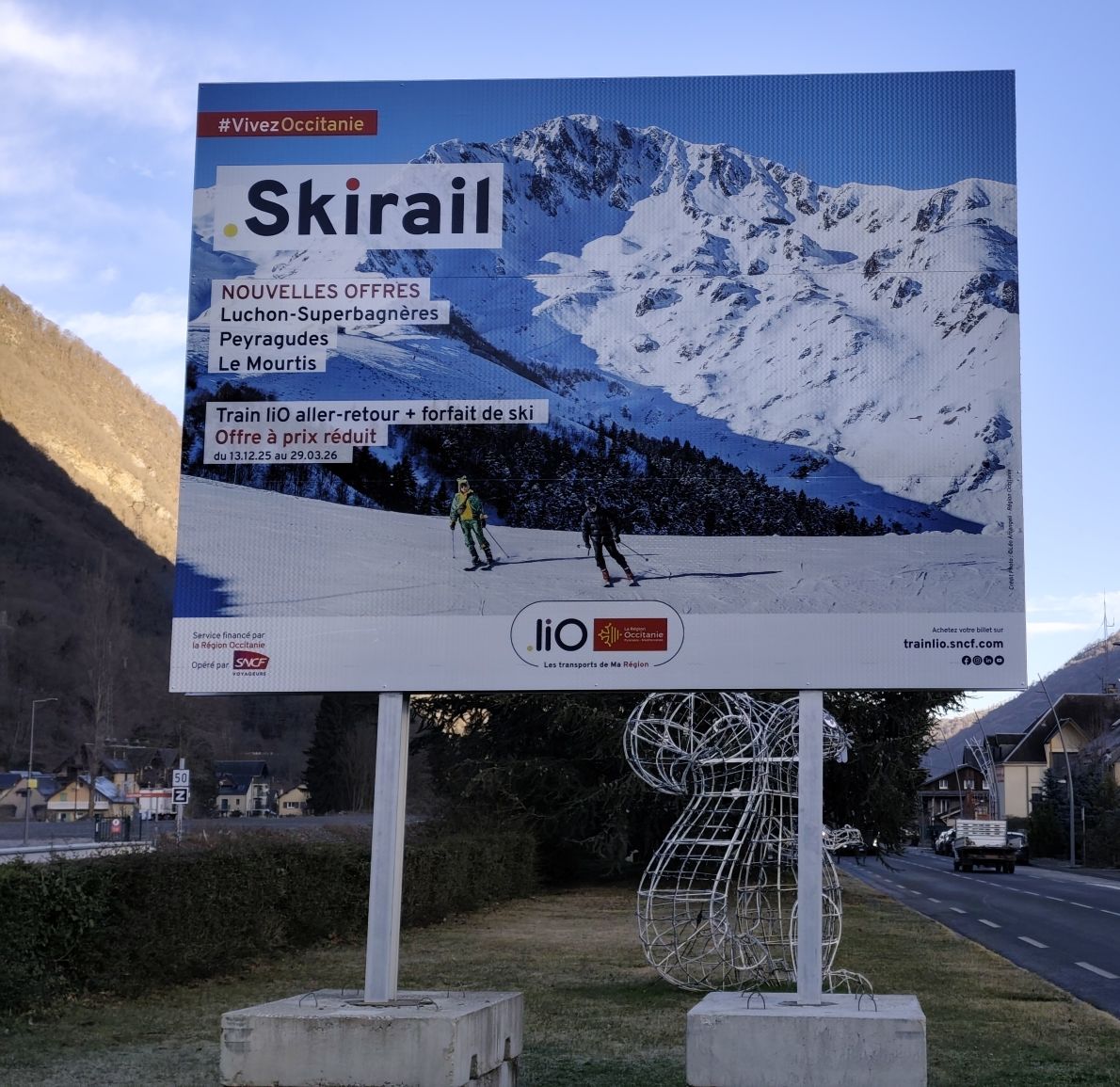
About 100 years after Baron D’Étigny’s road opened, passenger rail service began in 1873 and continued until 2014 when severe flooding damaged the tracks, closing the route. Now the rails have been completely refurbished as has the station, allowing for several roundtrip journeys each day including one direct trip from Toulouse for early birds.
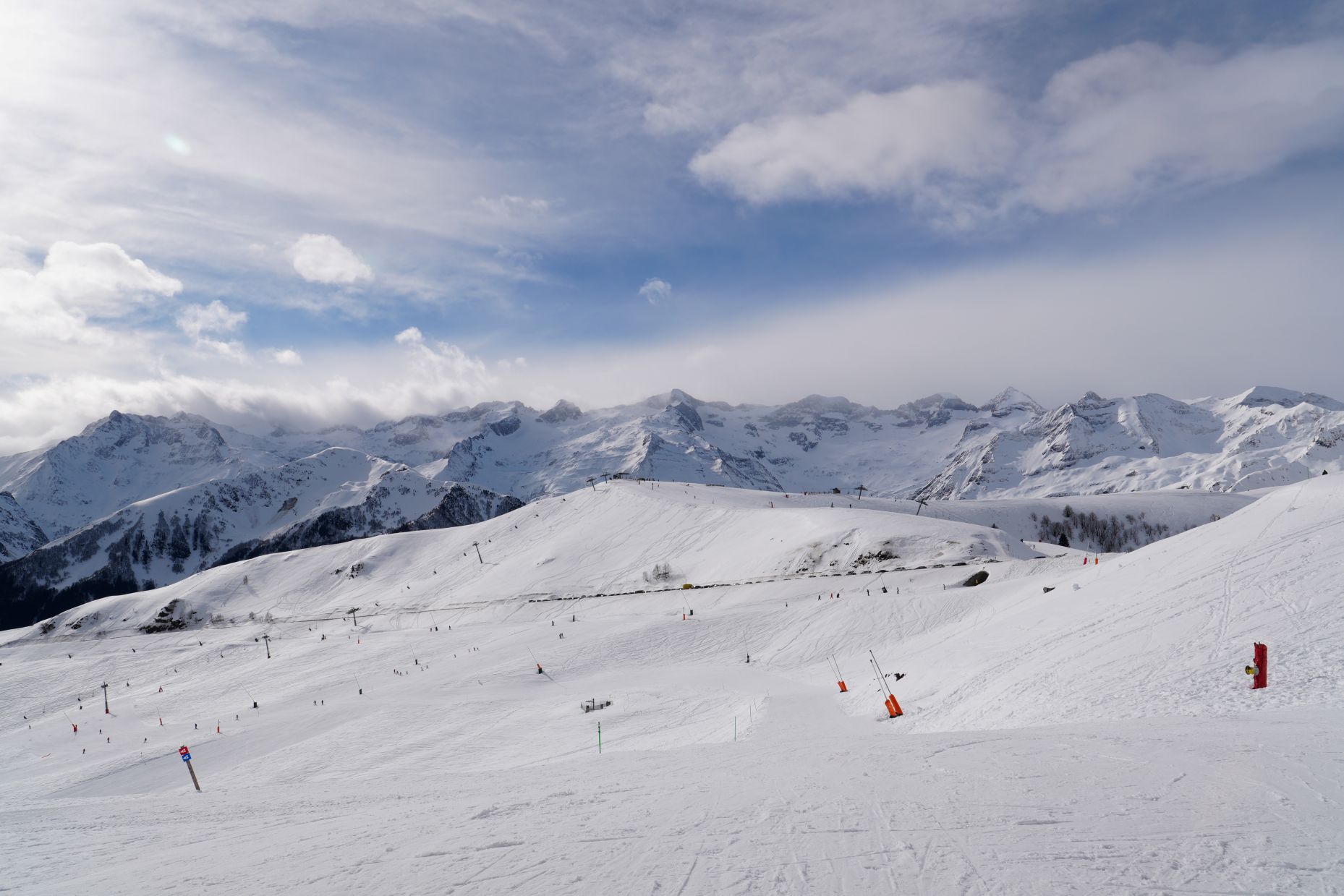
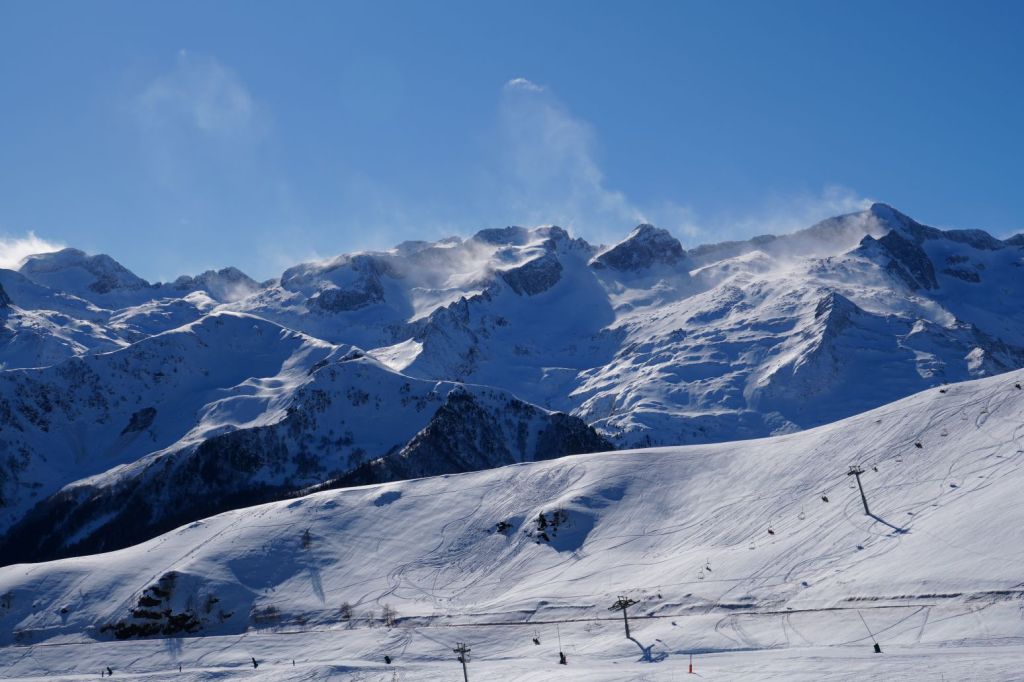
While the town itself became famous as a thermal retreat, the focus eventually turned upward to the surrounding mountains. In 1912, the Superbagnères ski resort opened, becoming one of the first of its kind in the Pyrenees. Originally, access was on a rack railway that climbed the slopes in about 45 minutes. Today, the journey is via an aerial gondola that carried us from the center of town to the summit in just 8 minutes. Even for us non-skiers, the ride offered a breathtaking perspective of the “Queen of the Pyrenees.”
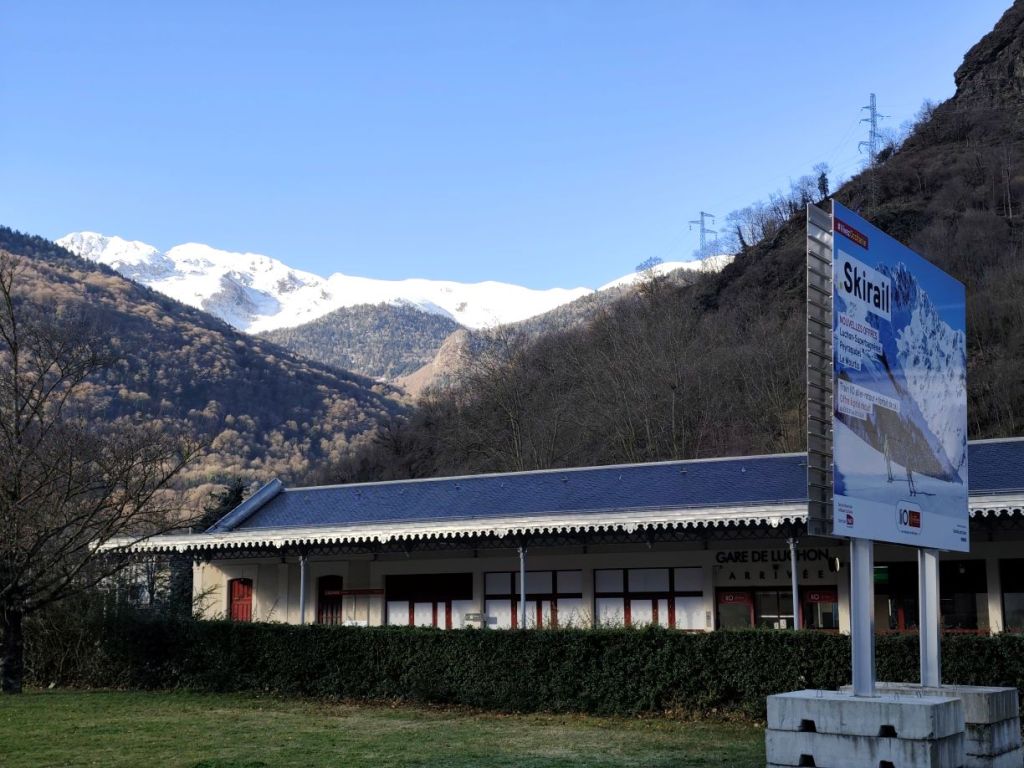
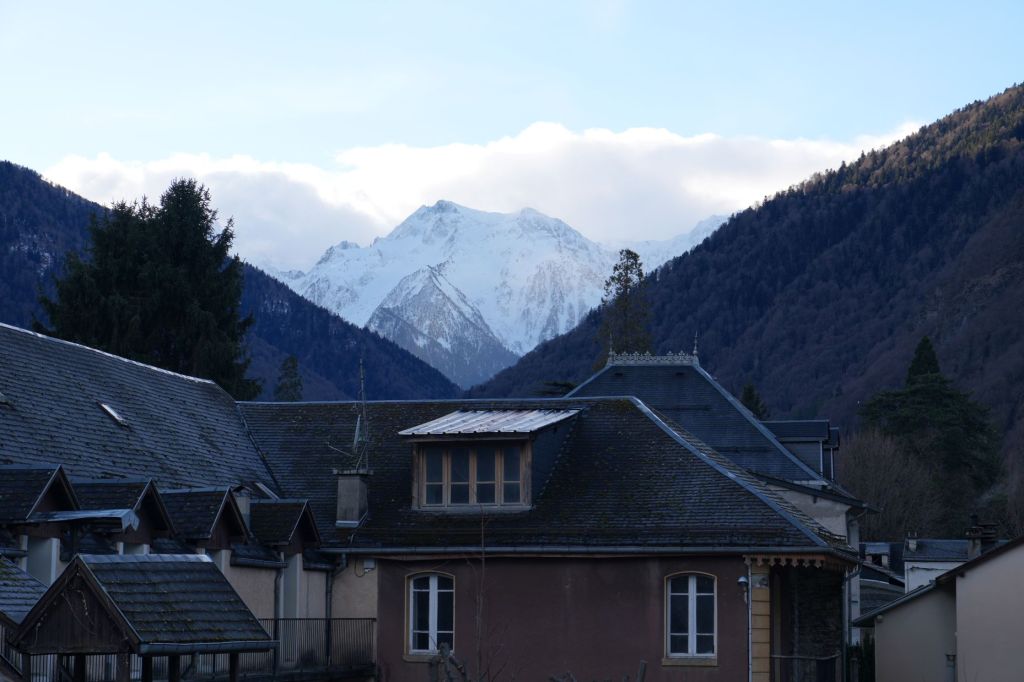
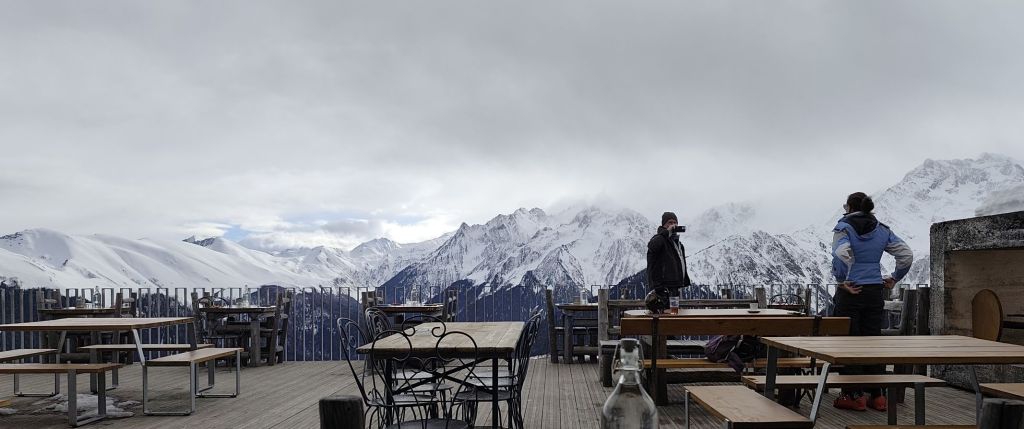


We’ve been there while following the Tour de France in July.
LikeLiked by 2 people
Did you visit the thermal baths? Where did you stay overnight? Thanks.
LikeLiked by 2 people
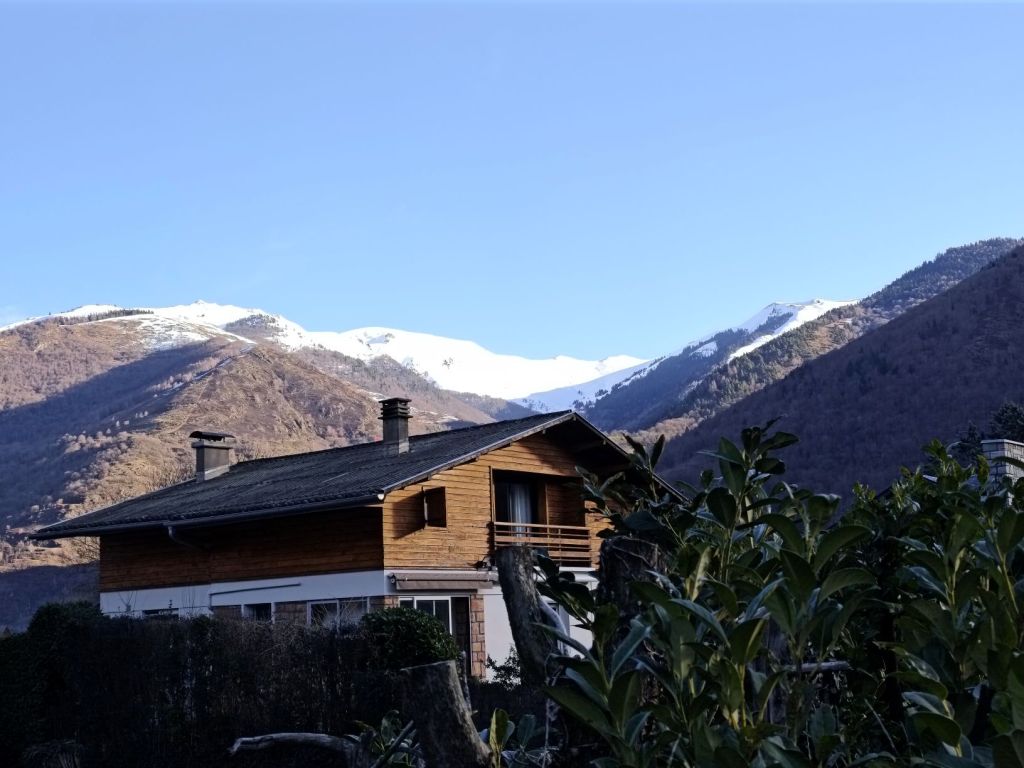
We didn’t visit the thermal baths because the cures area is not open in winter and the sports/thermal spa was only open after lunch. We went up to the ski area in the morning to have lunch one day and lunch in the town other times. The afternoons were spent in front of the fireplace in the Maison Milady Luchon house we rented.
LikeLike