

Here are some fun facts about Rome: 250 museums, 400 major monuments, 900 churches, 2000 fountains, and the entire historic center of 14,000 square kilometers (5,400 acres) is a UNESCO World Heritage site. And the biggest secret: while those churches aren’t technically classified as museums, dozens of them house masterpieces by Michelangelo, Caravaggio, and Bernini that you can view entirely for free. Although we were first-time visitors to the Eternal City, it already felt familiar, so we were hoping to explore some of the places that don’t immediately come to mind when you think of Rome. Last time on the blog we talked about the ancient center and now we’ll look at some Renaissance and Baroque areas before crossing the Tiber river.
As before, we won’t be listing every possible site that we got to; instead we’ll show some highlights (about a dozen and a half) with a brief description of each. The first two tables might be called the “Old City” followed by the “West Bank & Trastevere” on the other side of the Tiber. Photo galleries are below each table.
| The Old City (Table 1) | |
| Site | Description |
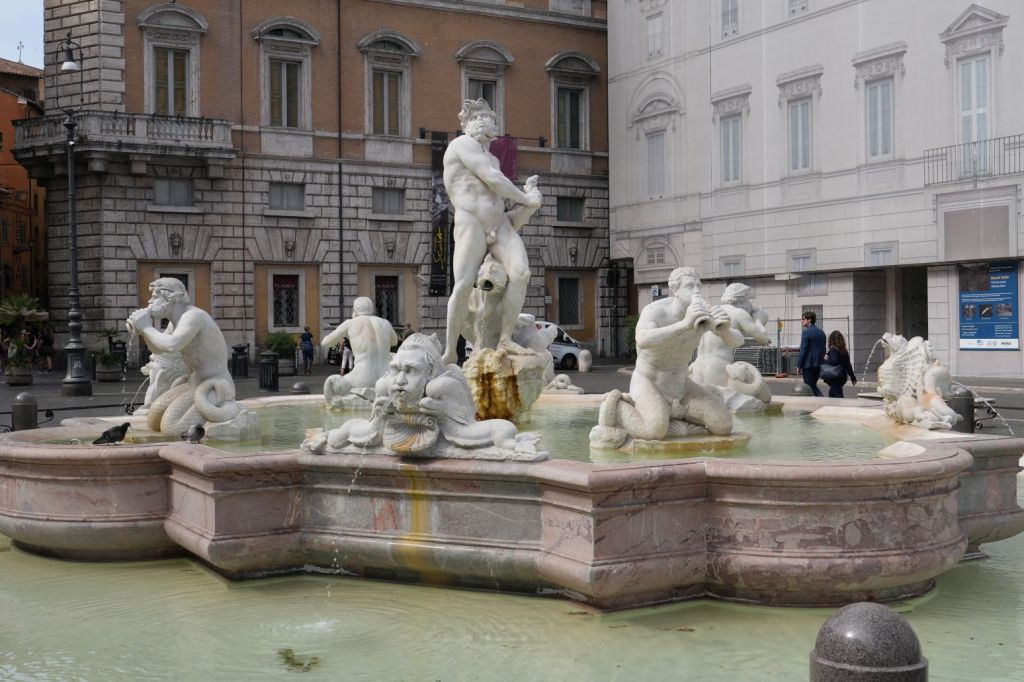
| Piazza Navona | An elegant square built on the site of the 1st-century Stadium of Domitian, featuring Bernini’s famous fountains. (Developed in the 15th century) |
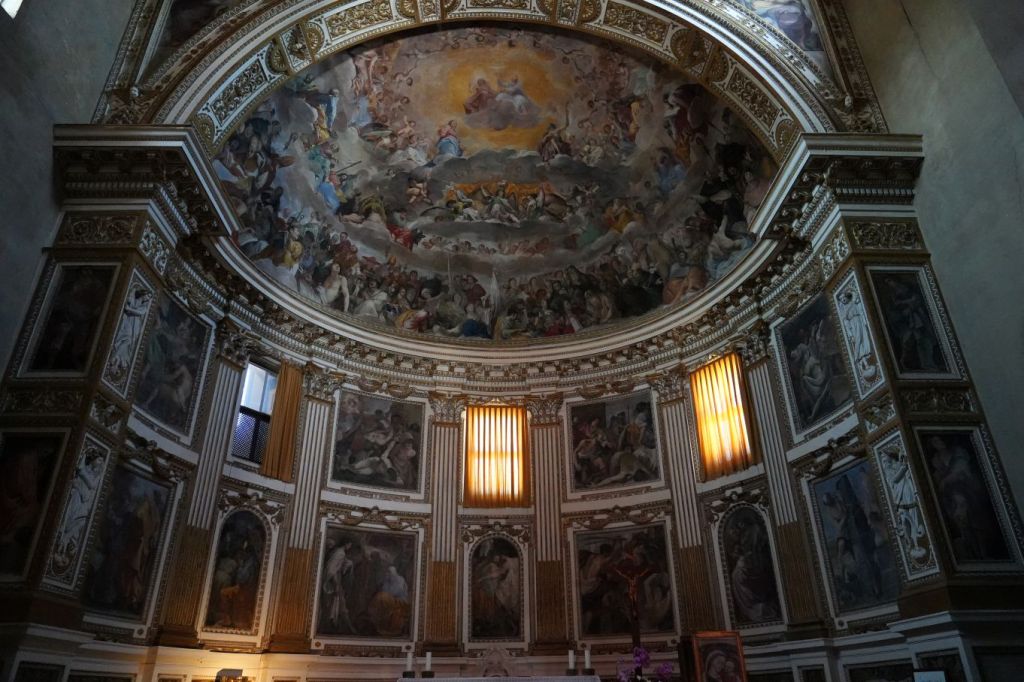
| Saint Louis of the French | The national church of France in Rome, home to three masterworks by Caravaggio. (Completed 1589) |
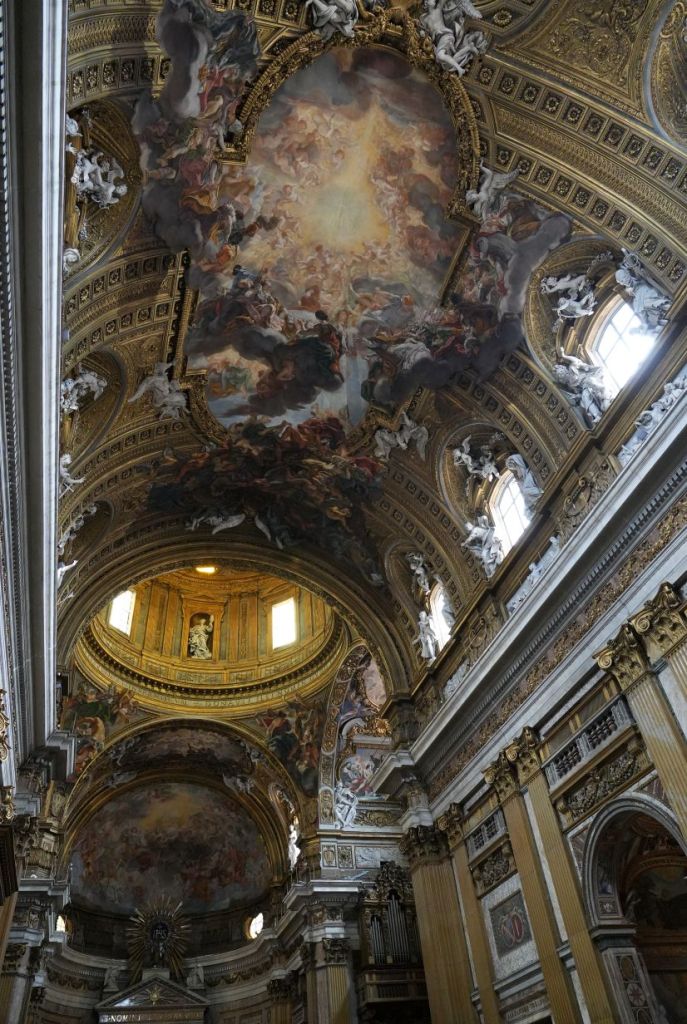
| Sant’Ignazio di Loyola | A Baroque Jesuit church famous for Andrea Pozzo’s trompe-l’œil ceiling frescoes. (Completed 1642) |
| Basilica of Santi Quattro Coronati | A fortified medieval church complex near the Colosseum, known for its tranquil 13th-century cloister and rare frescoes inside the Chapel of Saint Sylvester. (Rebuilt 1116) |
| Galleria Colonna | A palatial art gallery showcasing Italian Baroque art, featured in the movie Roman Holiday. (Opened 1703) |
| Largo di Torre Argentina | An open-air square containing the ruins of four ancient Roman temples and the remains of Pompey’s Theatre, where Julius Caesar was assassinated. (Temples date to the 4th–1st centuries BC) |


| The Old City (Table 2) | |
| Site | Description |
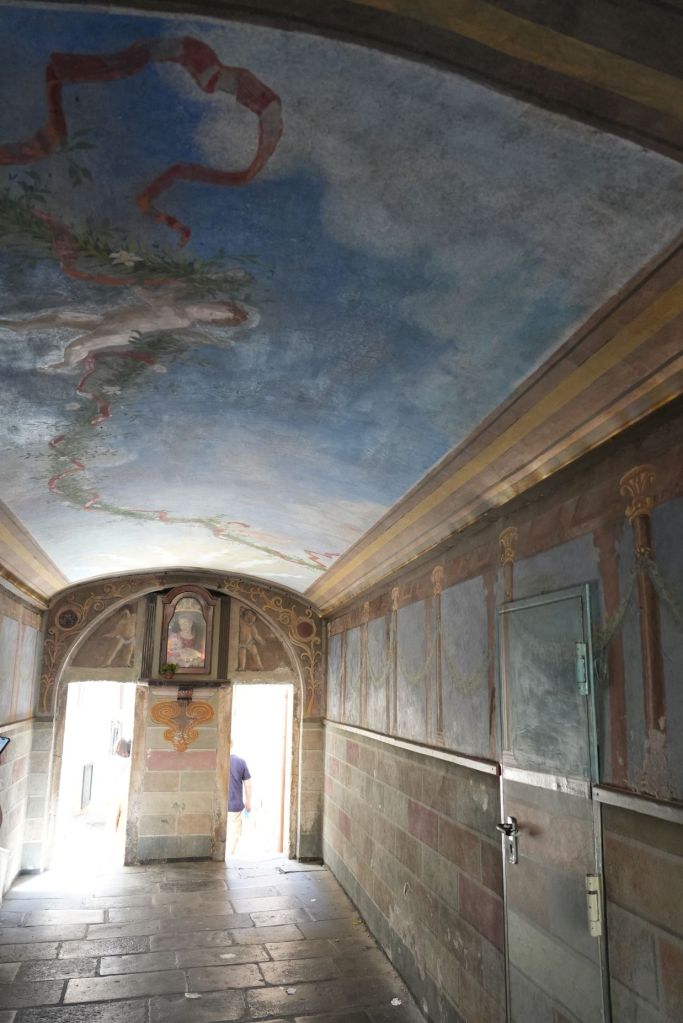
| Passetto del Biscione | A hidden, covered passageway decorated with Renaissance frescoes. (Originally ancient Roman, frescoed in the 16th century) |
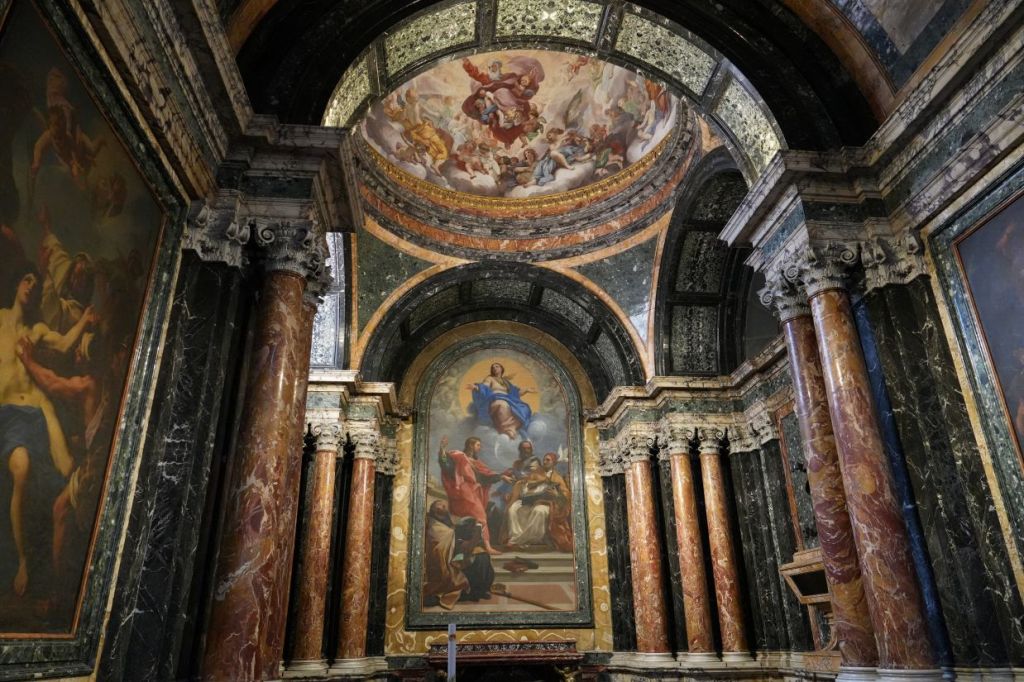
| Santa Maria del Popolo | A prominent Renaissance church containing masterpieces by Caravaggio, Bernini, and Raphael. (Reconstructed 1477) |
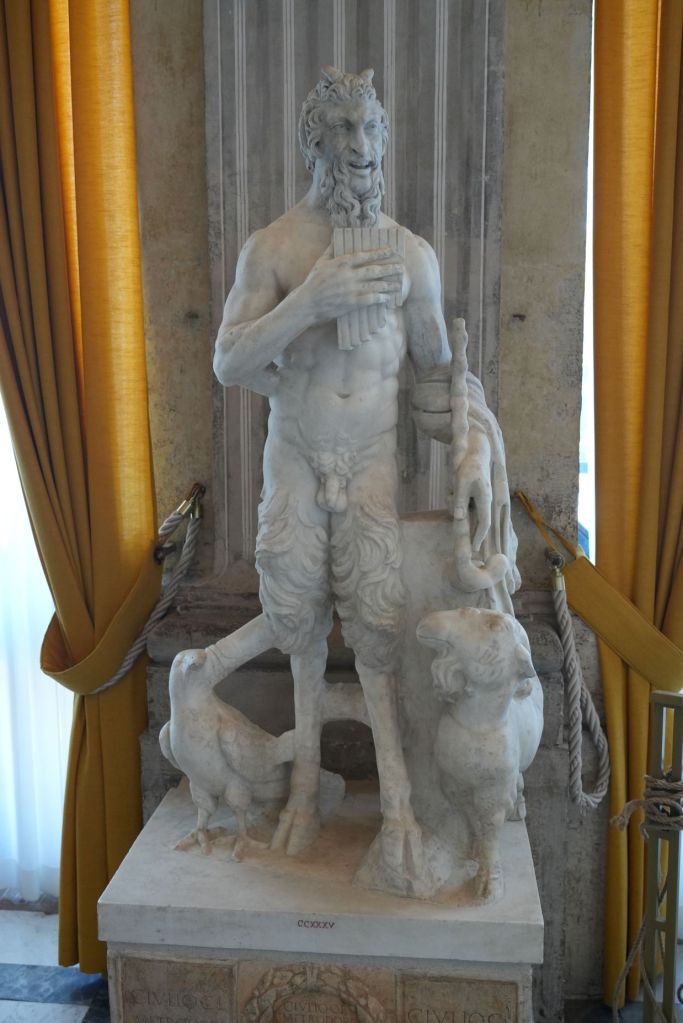
| Galleria Borghese | A renowned art museum housed in a Borghese estate villa, containing Bernini sculptures and Caravaggio paintings. (Villa built c. 1613) |
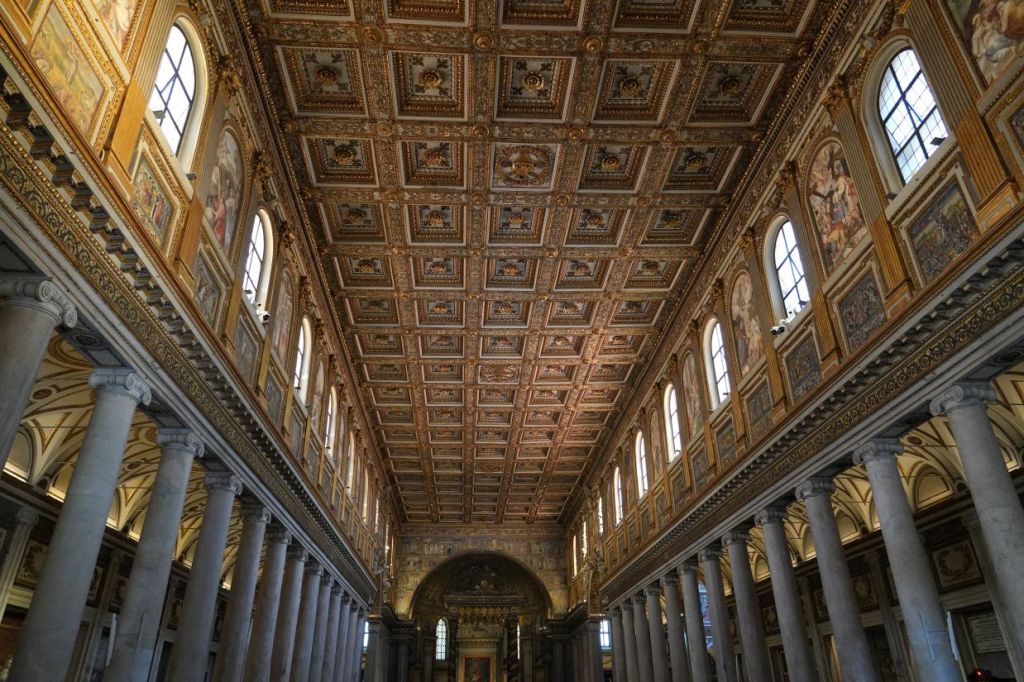
| Papal basilica Saint Mary Major | A 5th-century basilica built on the site of a summer snowfall, featuring ancient mosaics and a ceiling gilded with the first gold from the Americas. (Dedicated 435) |
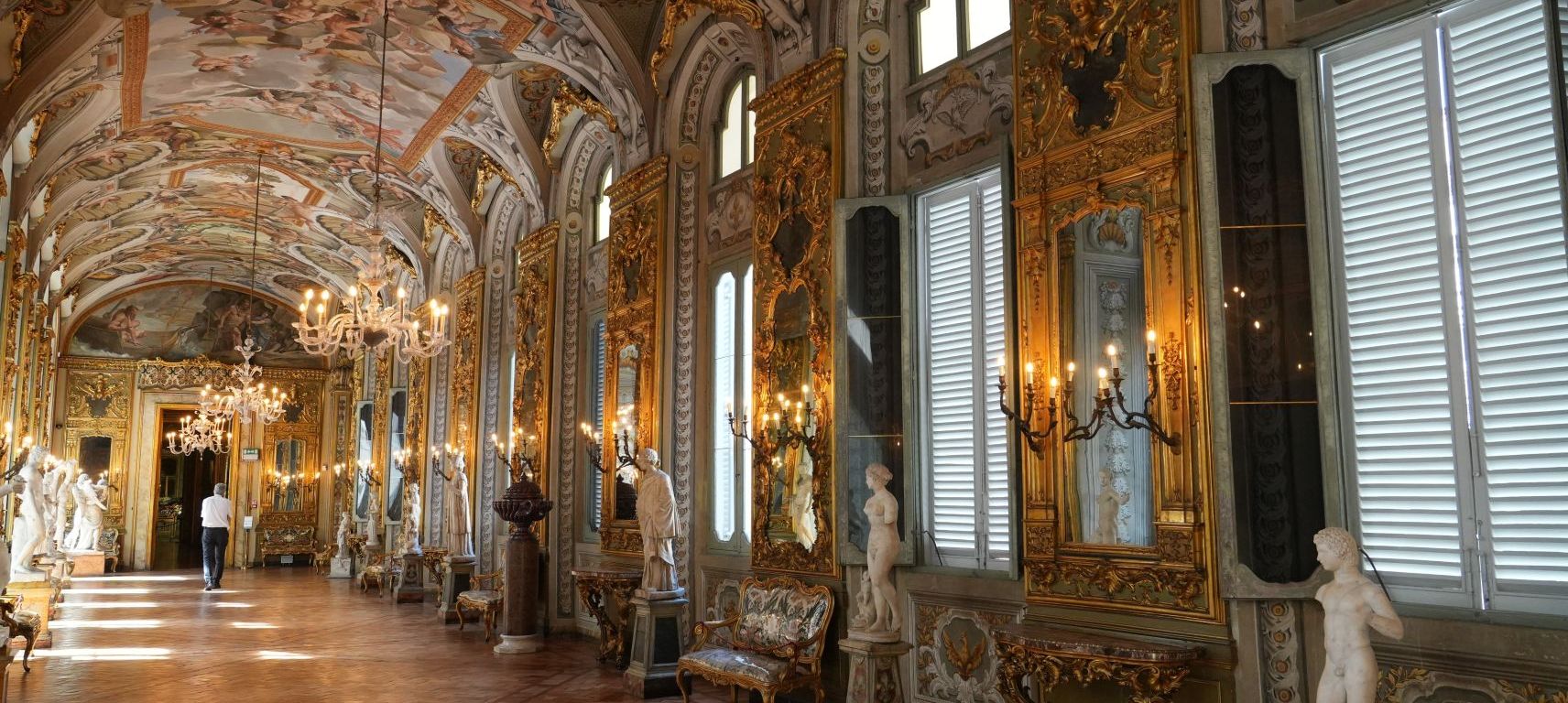
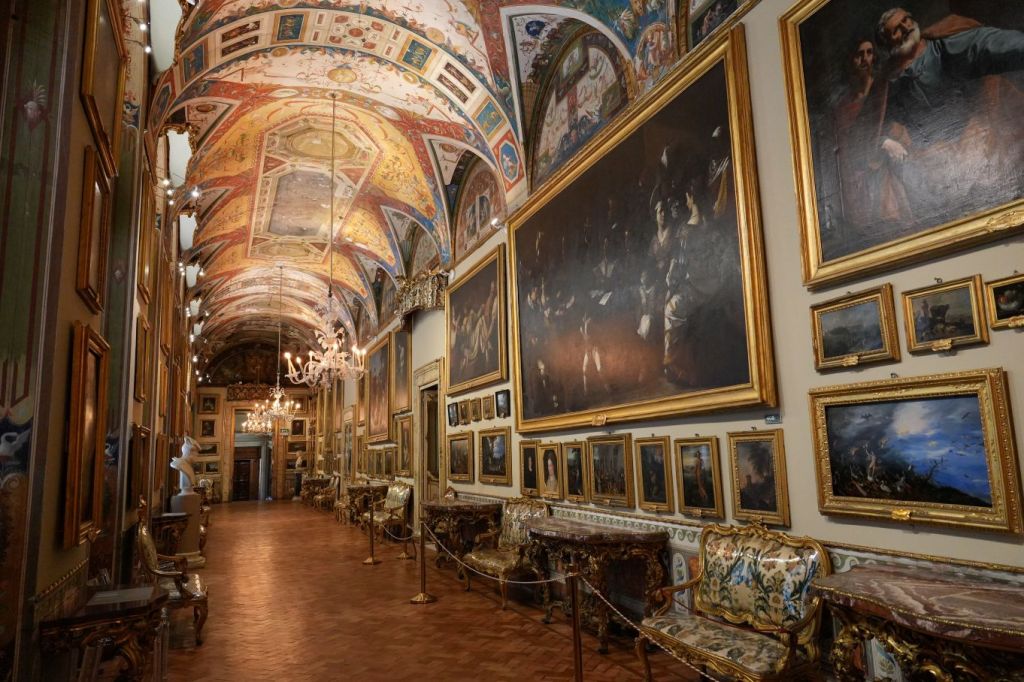
| Galleria Doria Pamphilj | A private art museum housed within a 17th-century palace, boasting mirrored, Versailles-style galleries packed with masterpieces by Caravaggio, Velázquez, and Titian. (expanded 1734) |
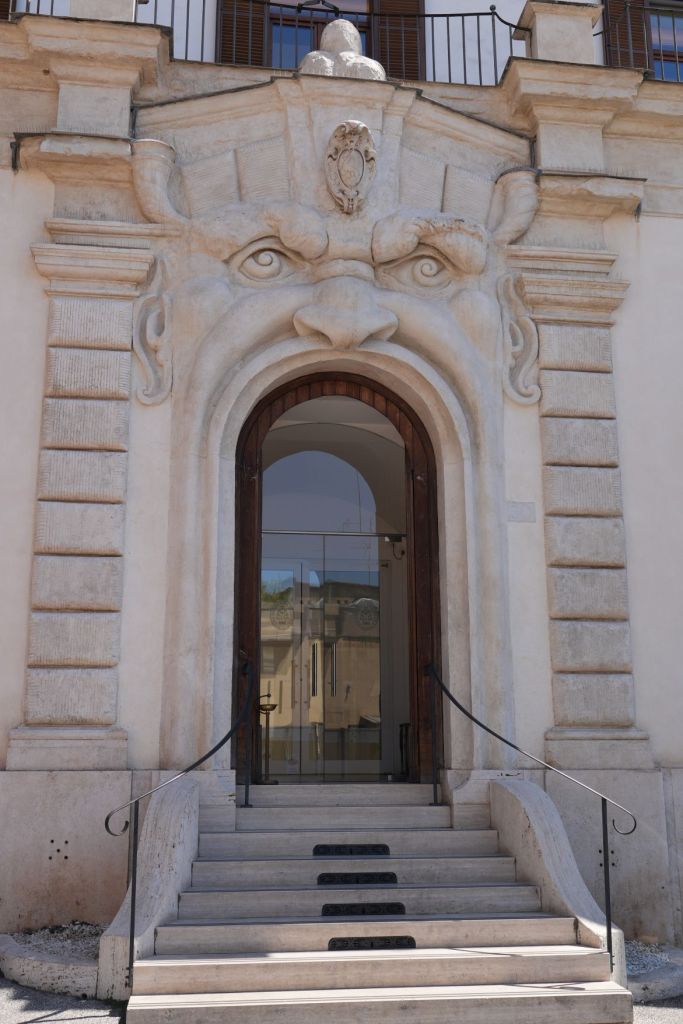
| Palazzetto Zuccari | A palace known as the “Monster House” due to its doors and windows being sculpted into the shapes of gaping, monstrous mouths. (Built 1592) |
| West Bank & Trastevere | |
| Site | Description |
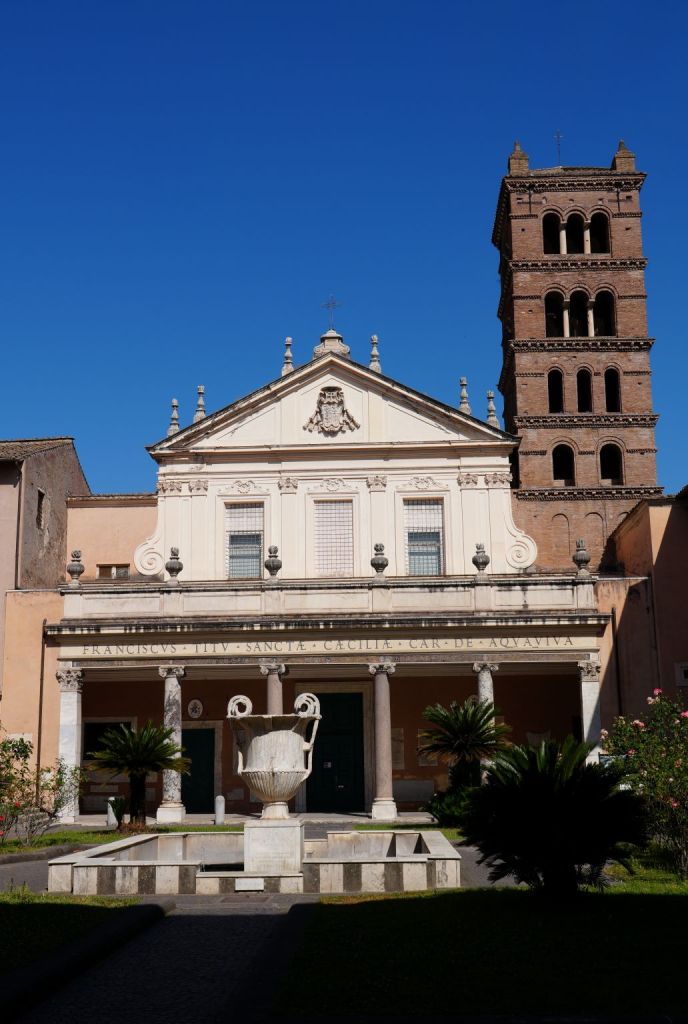
| Santa Cecilia in Trastevere | A church dedicated to the patron saint of music, built over her historic family home, featuring a marble statue of the saint. (Founded 5th century; rebuilt 9th century) |
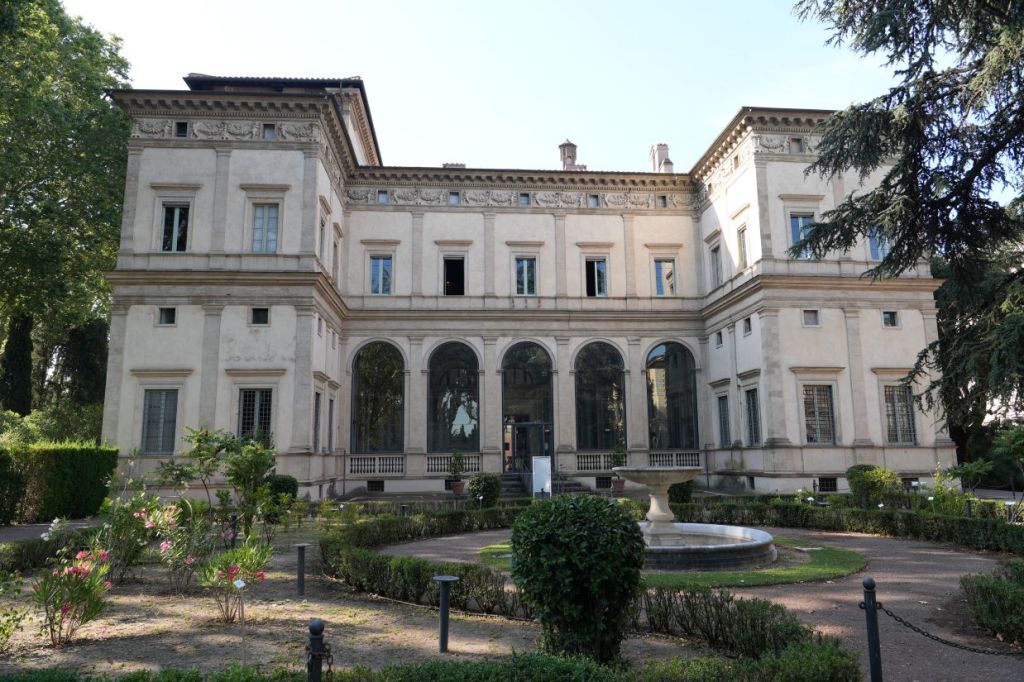
| Villa Farnesina | A Renaissance villa decorated with light-filled frescoes by Raphael and his pupils. (Completed c. 1510) |
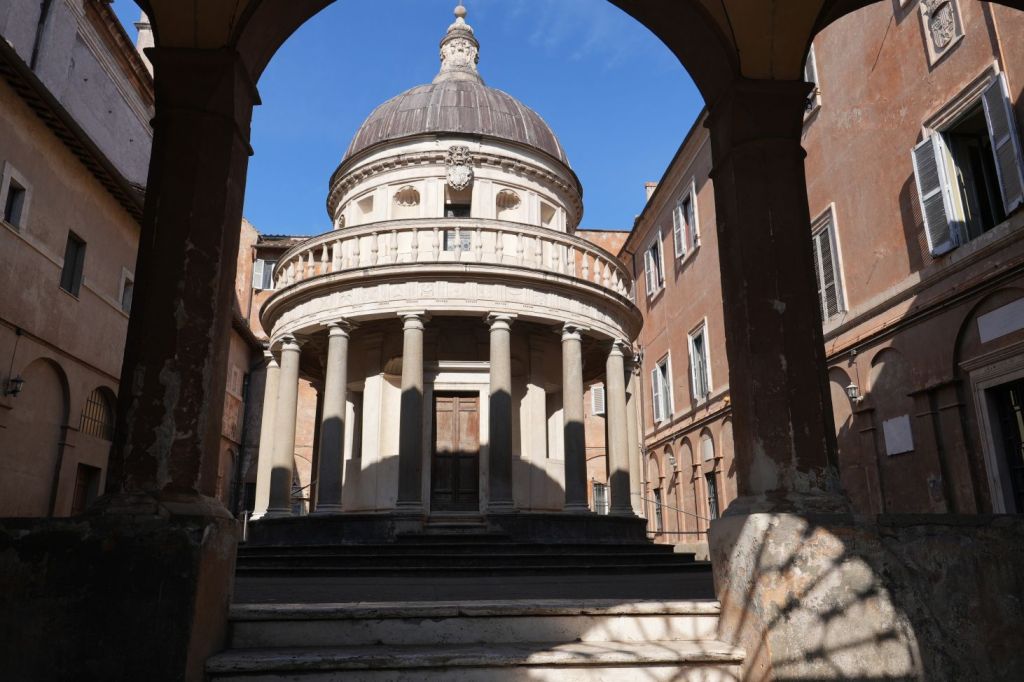
| Church of San Pietro in Montorio | A circular Renaissance church perched on Janiculum Hill, built over the site believed in the Middle Ages to be the location of Saint Peter’s upside-down crucifixion. (Consecrated 1500) |
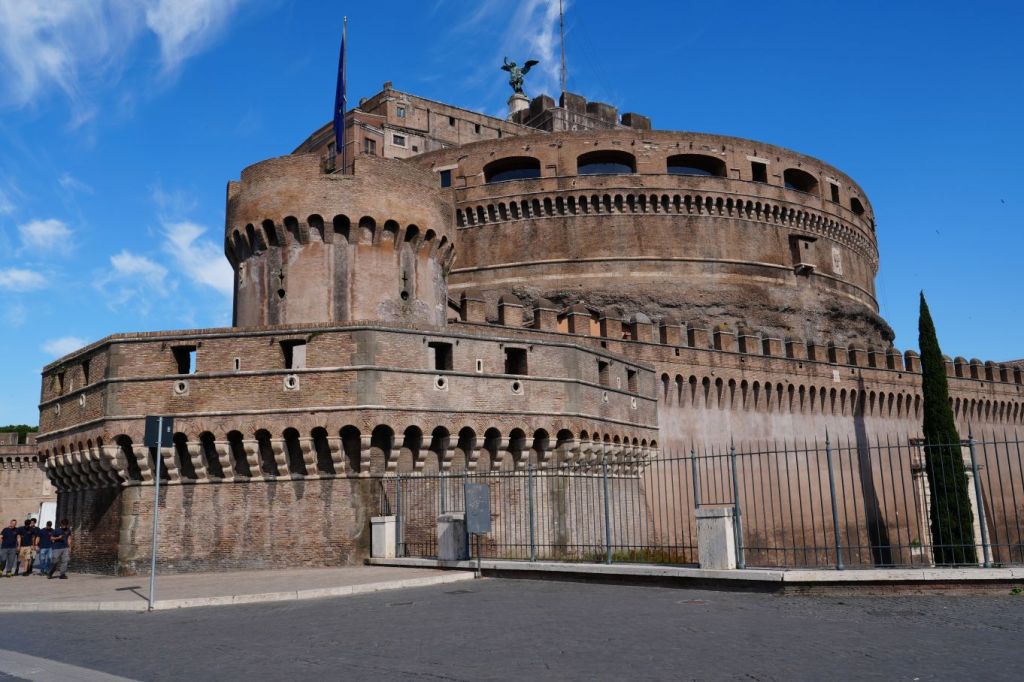
| Castel Sant’Angelo | A towering, cylindrical fortress, commissioned by Emperor Hadrian as a mausoleum for his family and later used as a papal castle. (Completed 139 AD) |
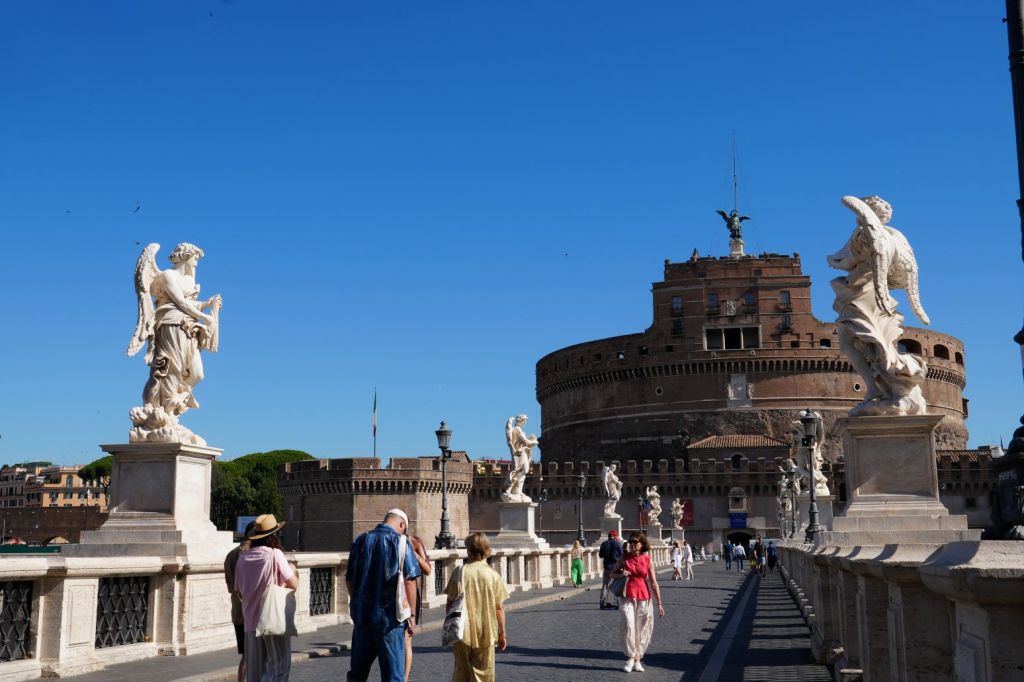
| St. Angelo Bridge | An ancient Roman pedestrian bridge lined with Baroque angel sculptures designed by Bernini. (Completed 134 AD; angels added 1669) |
Next time on the blog we’ll still be in Italy, but we’ll travel an hour south to Naples with a morning out in Herculaneum.
Photo notes: Today’s featured photo across the top is the Hall of Mirrors at Galleria Doria Pamphilj and in the first paragraph is St. Peter by Caravaggio at Santa Maria del Popolo.


Very informative
LikeLiked by 2 people