
We’ve crisscrossed Europe by rail for decades, discovering countless destinations. For us, train travel is all about the convenience: a quick walk to the station, a relaxing ride (often with a picnic lunch!), and arrival just steps from our hotel. Amsterdam, Berlin, Brussels, Lisbon, Madrid—with more to be discovered. We’ve even explored Italian treasures like Milan, Turin, Bari, and Venice; yet, one iconic place remained unseen: the Eternal City. All roads (or in our case, rails) lead to Rome, but somehow, we’d never taken that particular route. We decided to change all of that by embarking on a special train journey from Paris (we joined it in Lyon) to that fabled destination for our 40th anniversary.
On their services between Paris and Milan, Italian train company Trenitalia offers an Executive Class with meals, drinks, and only 10 extra-wide leather seats in the carriage that got us to Milan at 10 PM. After a long weekend in the Fashion Capital, we resumed that parlor-on-wheels comfort on a connection to arrive in Rome for an afternoon check-in to our apartment. Although this was our first time in the capital, it felt as if we already knew many of the famous places including the Colosseum, the Pantheon, and Trevi Fountain. Consequently, Bill assembled a list of about 75 lesser-known sites (to us, anyway) that would get us into 3 major sections of Rome—the classical center (ancient Rome), the old city (Medieval and Renaissance), and across the Tiber—and maybe avoid some of the crowds.
We had two weeks to explore, but with even that much time, there was no way to see everything on our list. Challenges involved scaffolding surrounding a monument or covering a ceiling, a site being totally closed or having limited hours, and the ever-present summer heat, even in mid-June. Flexibility was the key. Rather than trying to show every site that we hoped to get to, here are about a dozen highlights—some familiar, others less so—with a very short description of each, plus photos in the two galleries below. This blog post will concentrate mostly on ancient Rome while next time we’ll visit some medieval and renaissance neighborhoods plus go across the river Tiber.
| Sight | Description |
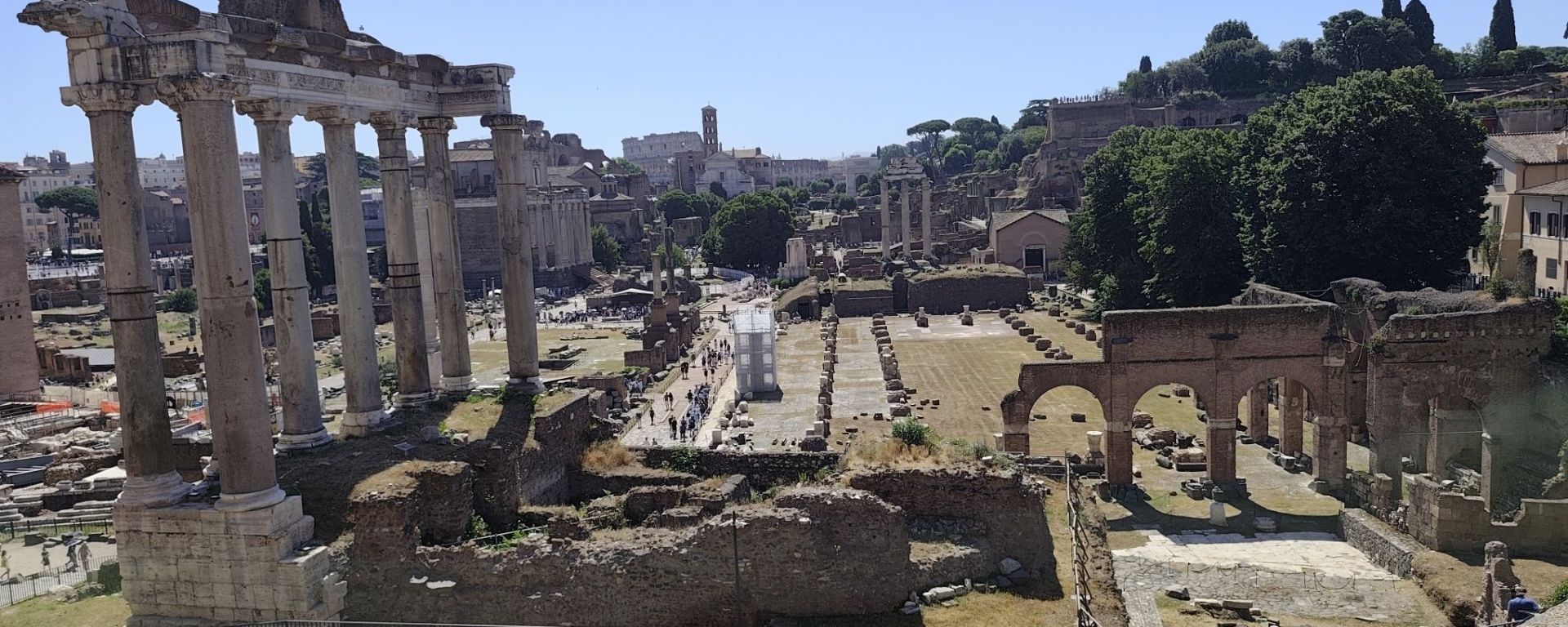
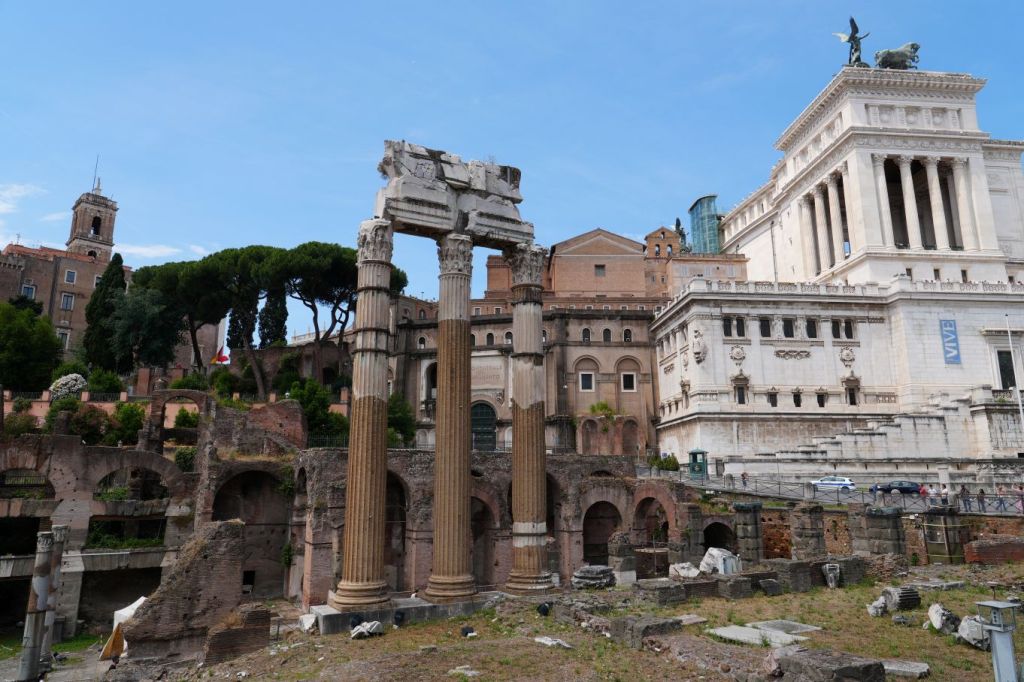
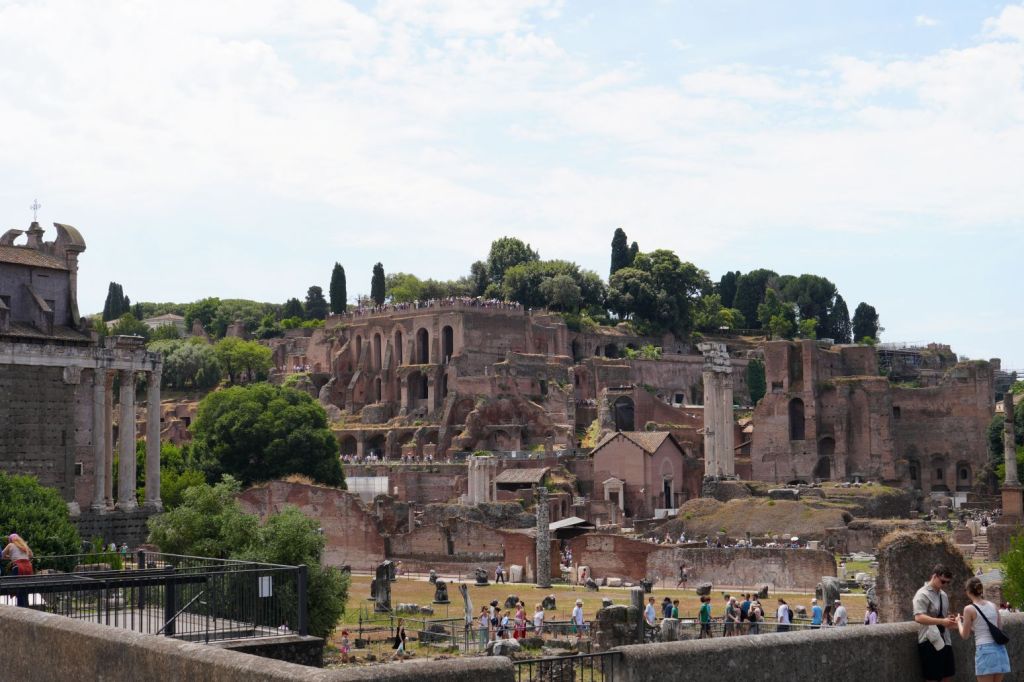
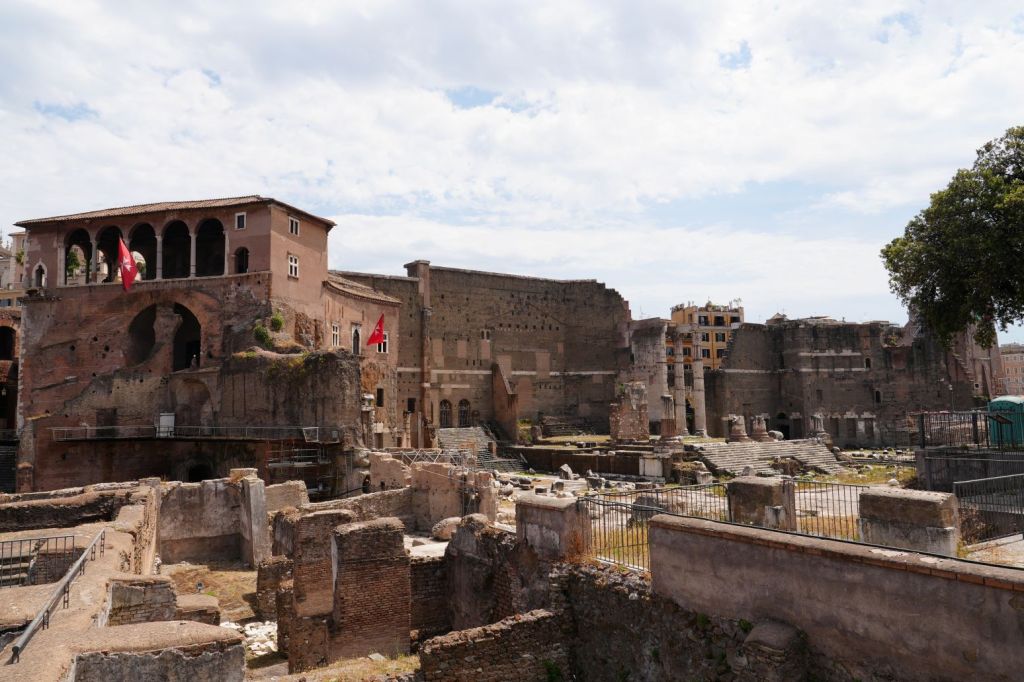
| Roman Forum | Plaza at the heart of ancient Rome, surrounded by the ruins of government buildings and temples. (from the 6th century BC) |
| Palatine Hill | The centermost of the Seven Hills of Rome (Inhabited since c. 1000 BC) |
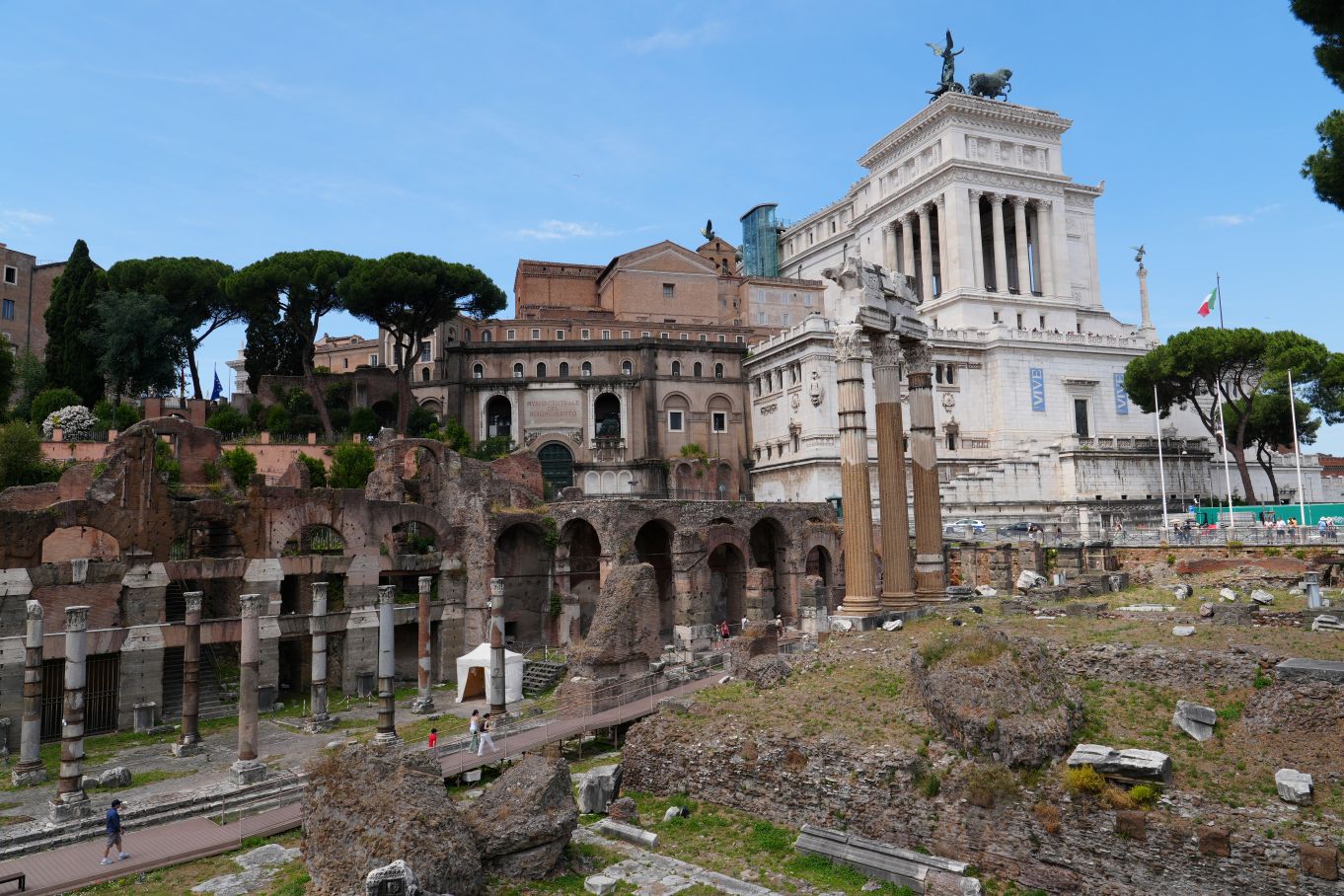
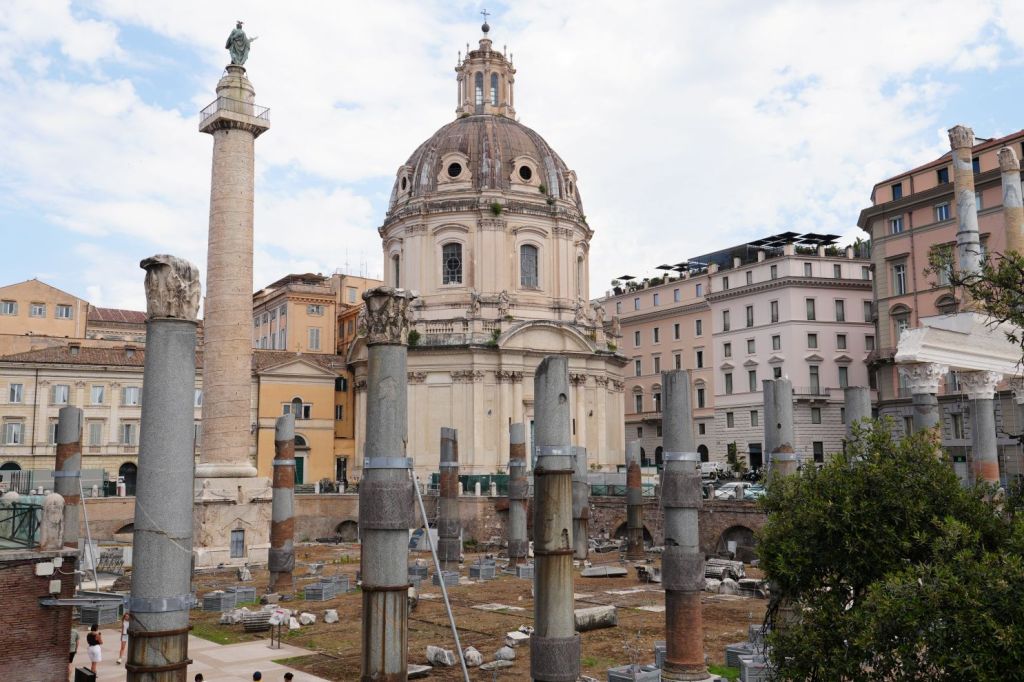
| Trajan’s Forum | The last and largest of the Imperial Fora (Inaugurated 112 AD) |
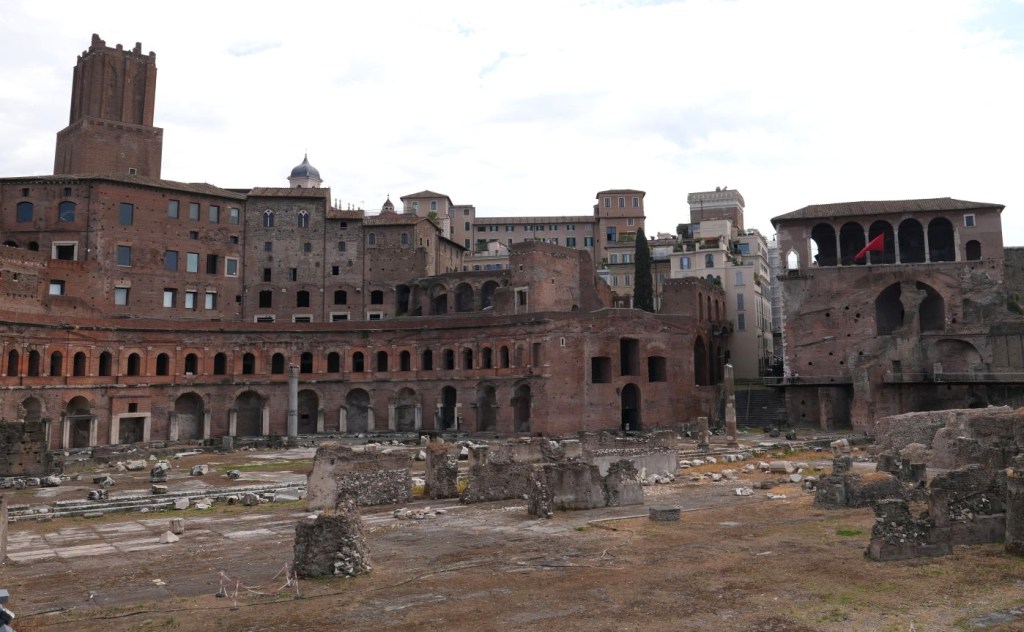
| Mercati di Traiano | A large, multi-level ancient Roman commercial complex. (Completed 113 AD) |
| Forum of Augustus | An imperial forum built by Emperor Augustus. (Inaugurated 2 BC) |
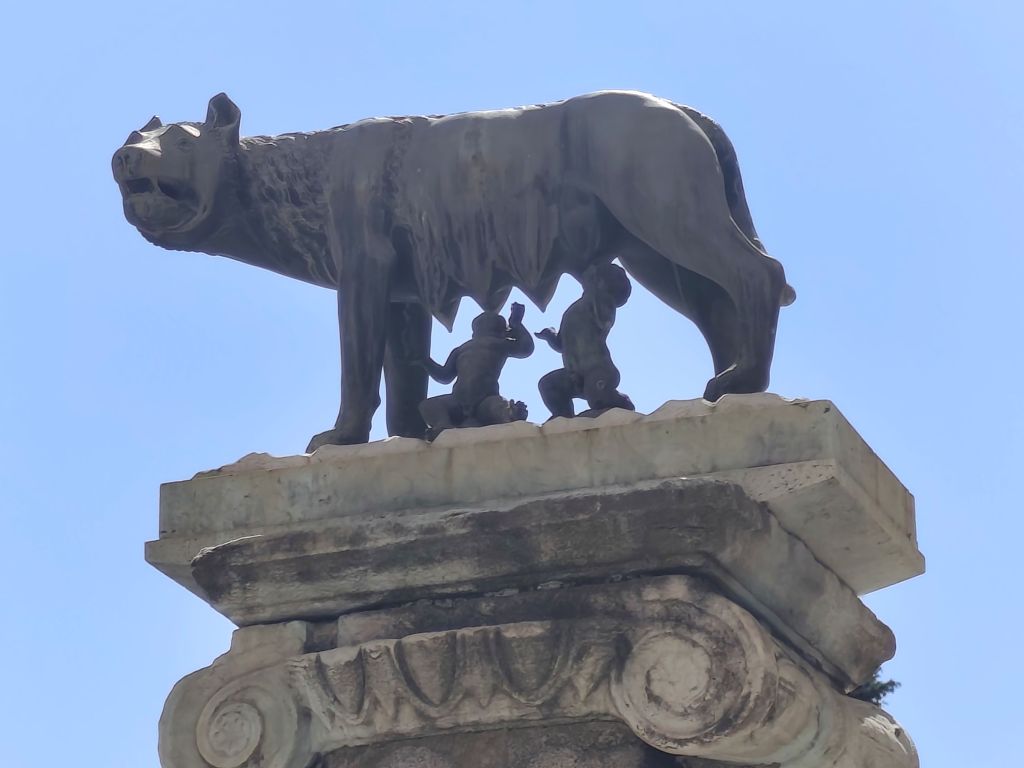
| Lupa Capitolina | A famous ancient bronze sculpture of a she-wolf nursing the mythical twin founders of Rome. (Wolf is likely medieval or ancient; twins added 15th century) |
| Sight | Description |
| Basilica of Saint Mary of Minerva | Rome’s only intact Gothic church, built over an ancient Roman temple complex once dedicated to the Egyptian goddess Isis. (Completed 1453) |
| Column of Trajan | A victory monument wrapped in a continuous 620-foot spiral frieze serving as both Roman propaganda and the emperor’s ultimate resting place. (Completed 113 AD) |
| Circus Maximus | An ancient Roman chariot-racing stadium. (First developed in the 6th century BC) |
| San Giovanni in Laterano | The Pope’s official cathedral, built by Emperor Constantine directly over the razed barracks of Nero’s former elite horse guards. (c. 324 AD) |
| San Pietro in Vincoli | Home to Michelangelo’s Moses statue, built over an imperial palace and propped up by 20 ancient Roman temple columns. (c. 439 AD) |
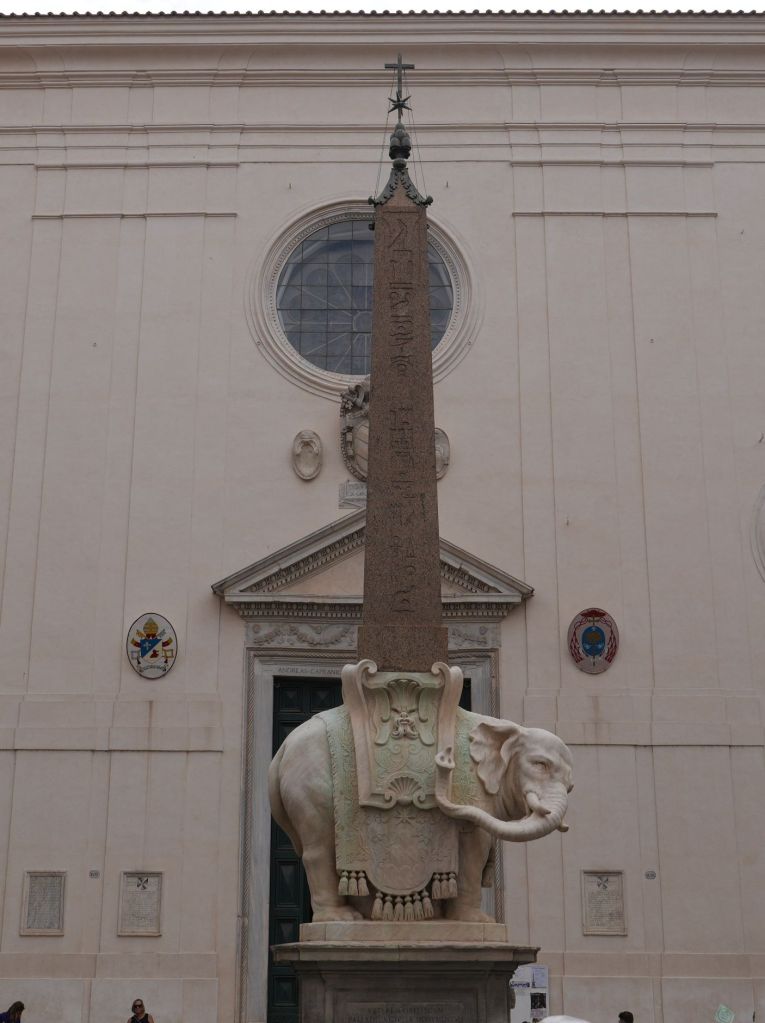
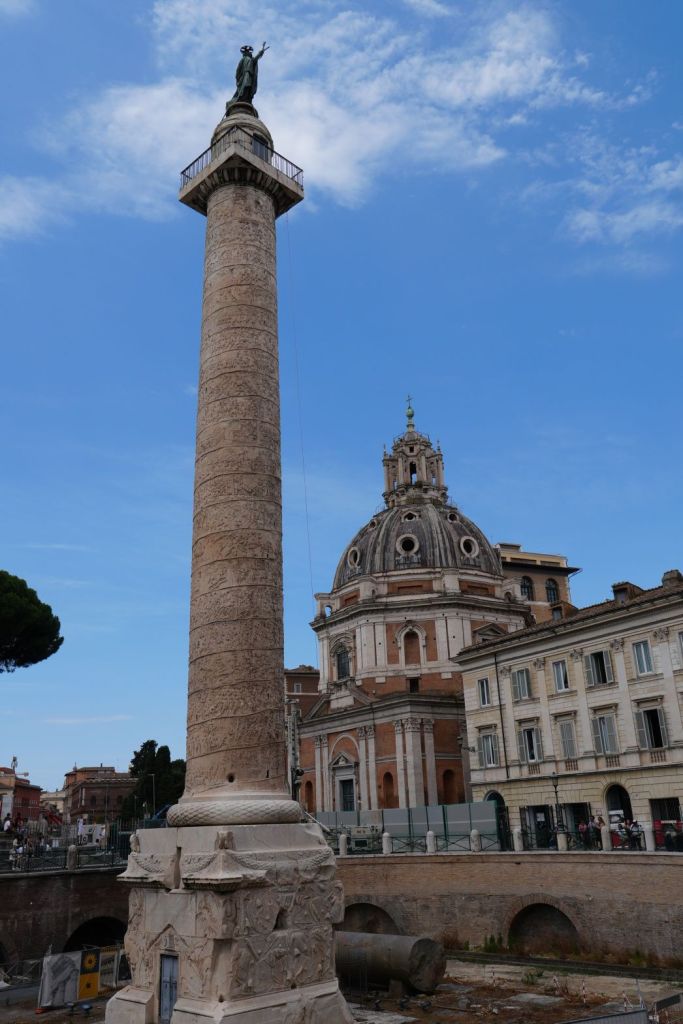
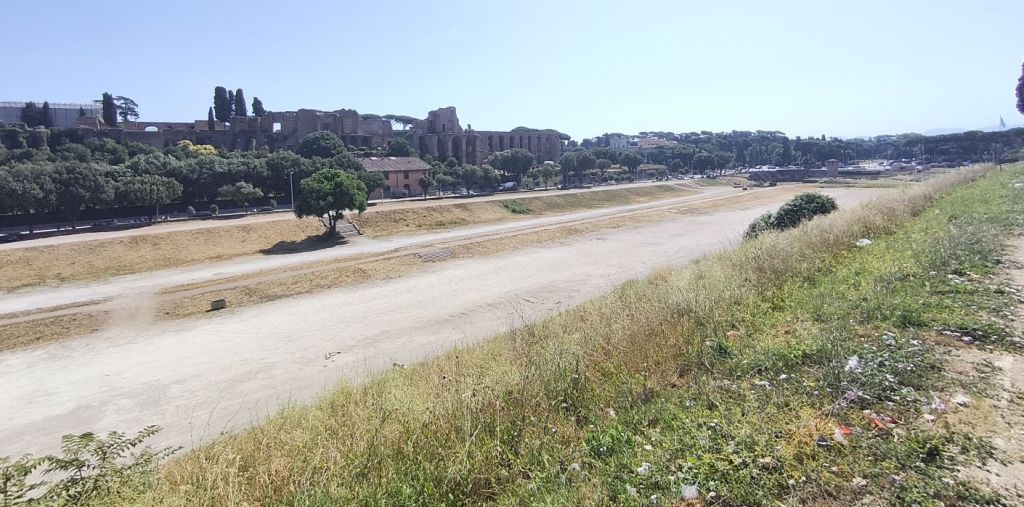
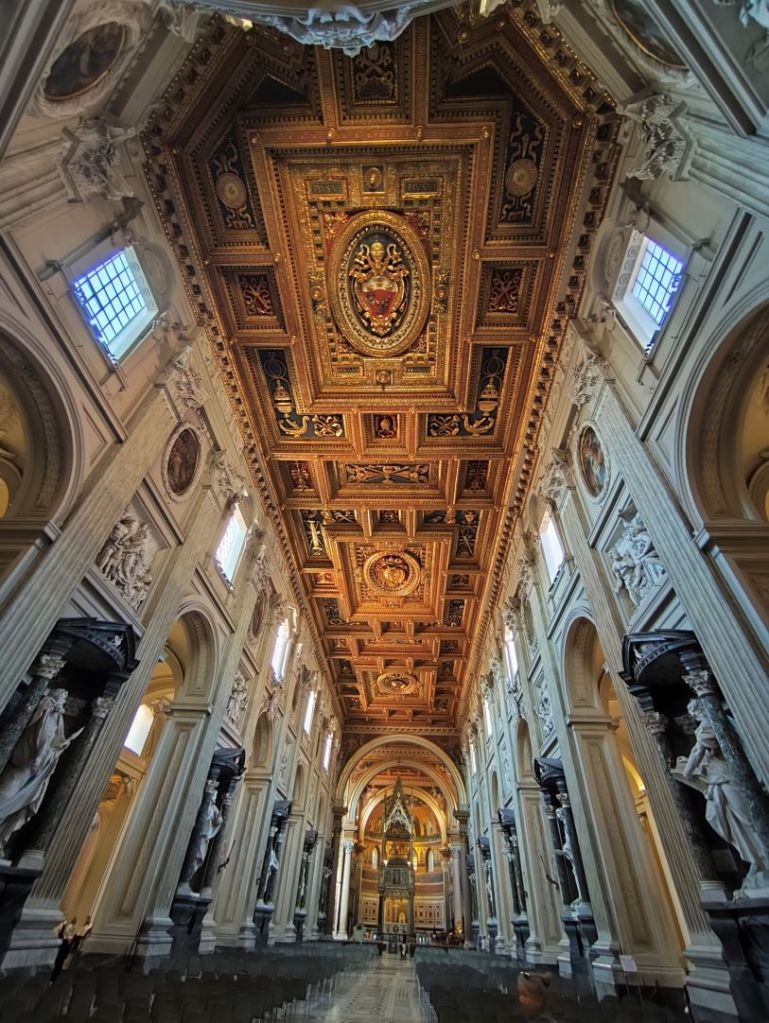
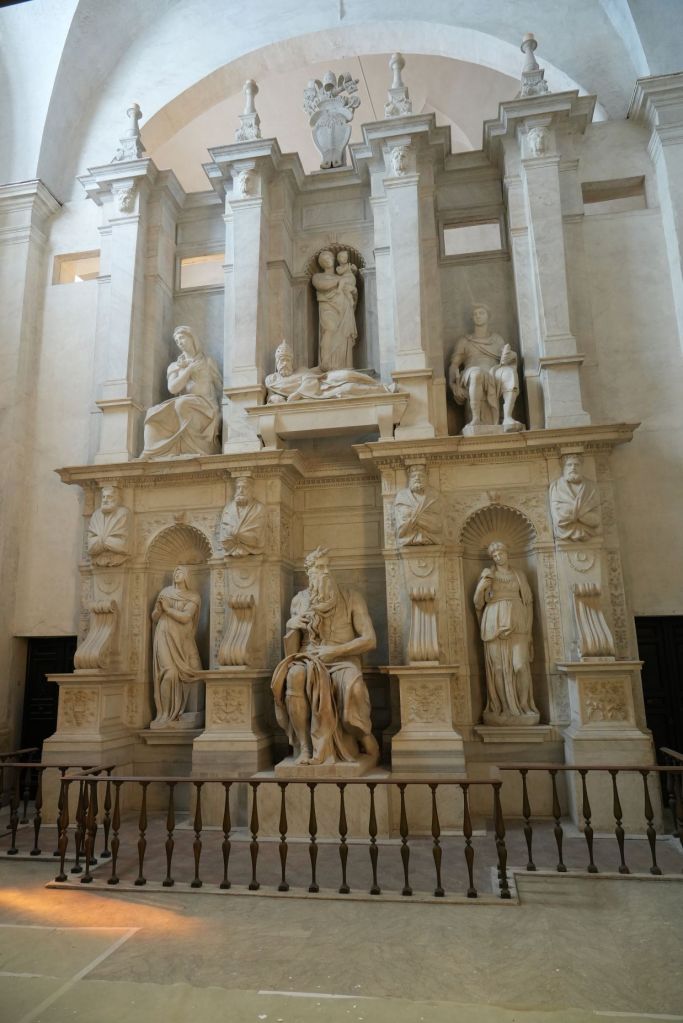
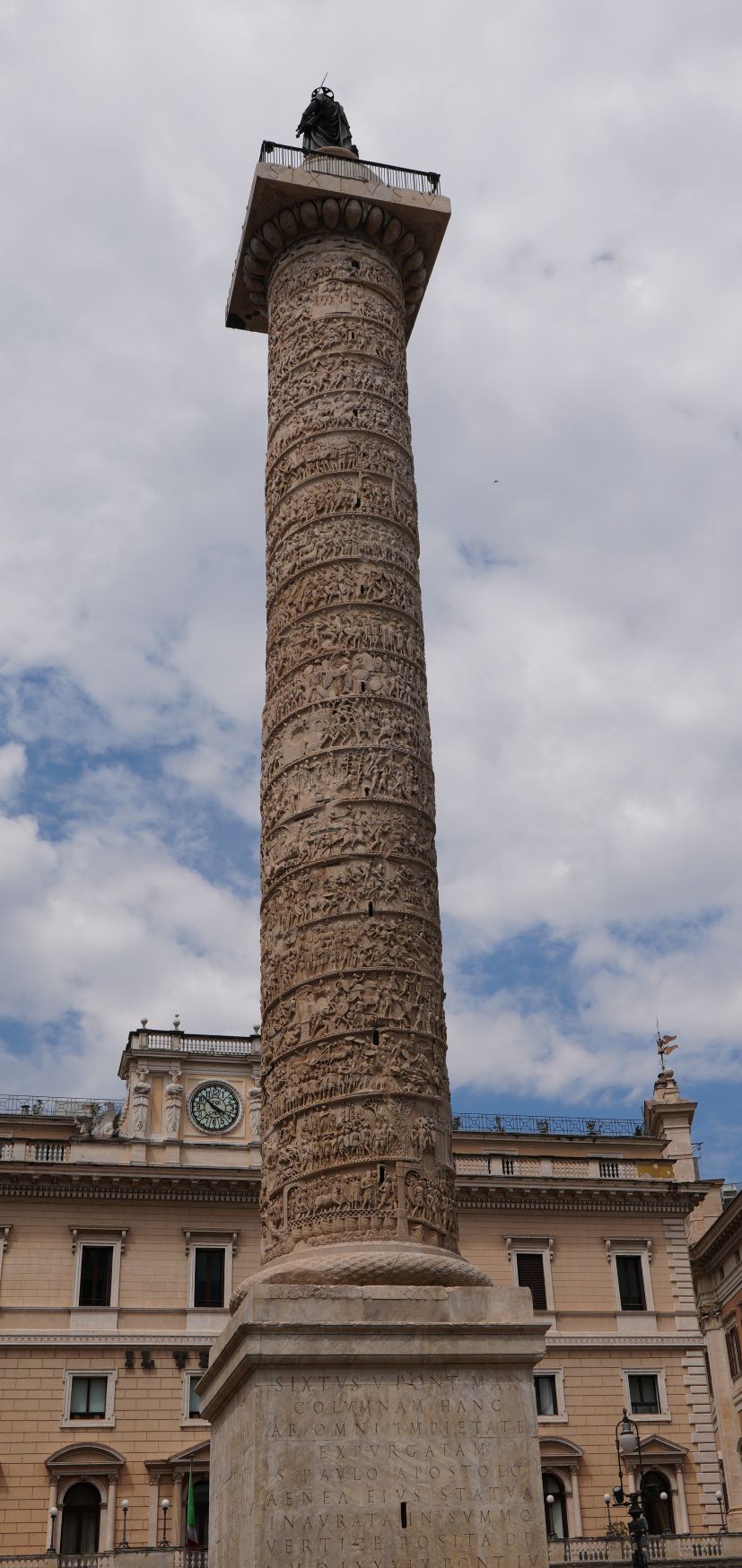
Photo notes: The featured photo across the top of today’s post is the Roman Forum and in the first paragraph is the Column of Marcus Aurelius.


Many congratulations on a special anniversary- love the top class rail journey and hard to go wrong in Rome even with occasional scaffolding!
LikeLiked by 2 people
Thanks, Gary! You’re right about Rome; even if one site is covered with scaffolding there are a dozen more so see. So many choices.
LikeLike
Wishing you both many more happy years together. I’ve spent a lot of time in Rome but my OH has never visited. I’m going to use your excellent notes to craft a trip for next year, on the train. Thank you.
LikeLiked by 2 people
Thank you, Sheree! Sounds like you’ll be the perfect tour guide for Rome, all aboard 🚂
LikeLiked by 1 person
Many thanks Bob
LikeLiked by 1 person