

One of our neighbors needed a new computer so Bill and I decided to order one for her as a gift and have it delivered to our house. In reality, it was a practical decision since it would fall to Bill to set everything up and then explain how to use it, so getting it sent directly to our home was going to be the easier option. The leading seller of electronics and appliances in France has a store in Carcassonne but the specific computer that we wanted for our neighbor was only available from their online catalog. Two days after placing that order, we were anticipating the delivery and as expected the mailman arrived at our front door but something was clearly wrong since he waved to us with the box in his hand as if it weighed nothing.

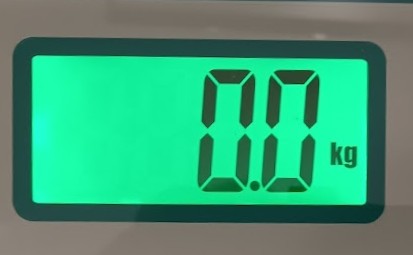
Knowing that the shipping weight was listed as 2.6 kg. (5.7 pounds) it was apparent that the gentleman from La Poste was about to deliver an empty box. Fortunately, Bill recognized what was happening so he didn’t even touch the package; instead, refused it and that was noted on the post office’s record as “damaged–return to sender”.

Immediately, Bill posted a public message on the selling company’s Facebook page that was quickly responded to with a request to send the details via a private message. With that information sent, a reply came back that we should file a claim with the transporter, La Poste. Bill reminded them that we had bought the computer from them, the selling company and not the Post Office, with a reply saying that they would respond “tomorrow or the day after”.

Next was an email exchange with the company’s Customer Service. They said that the weight of the package was correct when it left their warehouse, that the transporter had not indicated any abnormalities within their network, and that it had been delivered, “sans réserve”, that is, without any notation of damage or weight discrepancy. Sending them the notification from La Poste that the package had been returned to the sender as “damaged” solicited a similar email response—no refund due.

Step 3 was to send a certified, return-receipt-requested letter (Lettre Recommandée avec Accusé de Réception) to the company’s Customer Service department with a copy to their headquarters. We included all of the details with the request for a full refund within 14 days of receipt, which seems to be the standard allowed time here to resolve problems. Because of a national holiday and the weekends, we waited 3 weeks to give them ample time to respond.

Hearing nothing, we went to the website of the government’s consumer protection agency, SignalConso https://signal.conso.gouv.fr/fr, filled in the online form and included a pdf of each message and email that we had exchanged with the company from whom we had ordered the computer. Within 1 hour we had a response from SignalConso that they had contacted the company in question and had also forwarded our complaint to the government’s fraud department. An hour later we got an email from the company’s mediator saying that she was investigating and would reply either directly to us or to the government.

The next day we got an email from the company announcing, “Your refund is being processed” and the money was back in our bank account less than 24 hours later. From 2 months of waiting, all through which I kept thinking, “Just do the right thing”, to only 2 days of action, thanks to SignalConso, we got the refund. An example of a French government office working as a swift and effective advocate for the people.
Illustration notes: The cartoons come from the SignalConso and La Poste websites, thank you.


Well done for holding your nerve – sometimes the system works. Did you ever get your neighbour’s computer ?
LikeLiked by 2 people
We ordered another similar computer from a local national competitor and had it delivered to the store. We opened it in the store in front of employees before leaving the counter. It was not as convenient but we did finally get a computer for her.
LikeLike
Well done!
LikeLiked by 2 people