
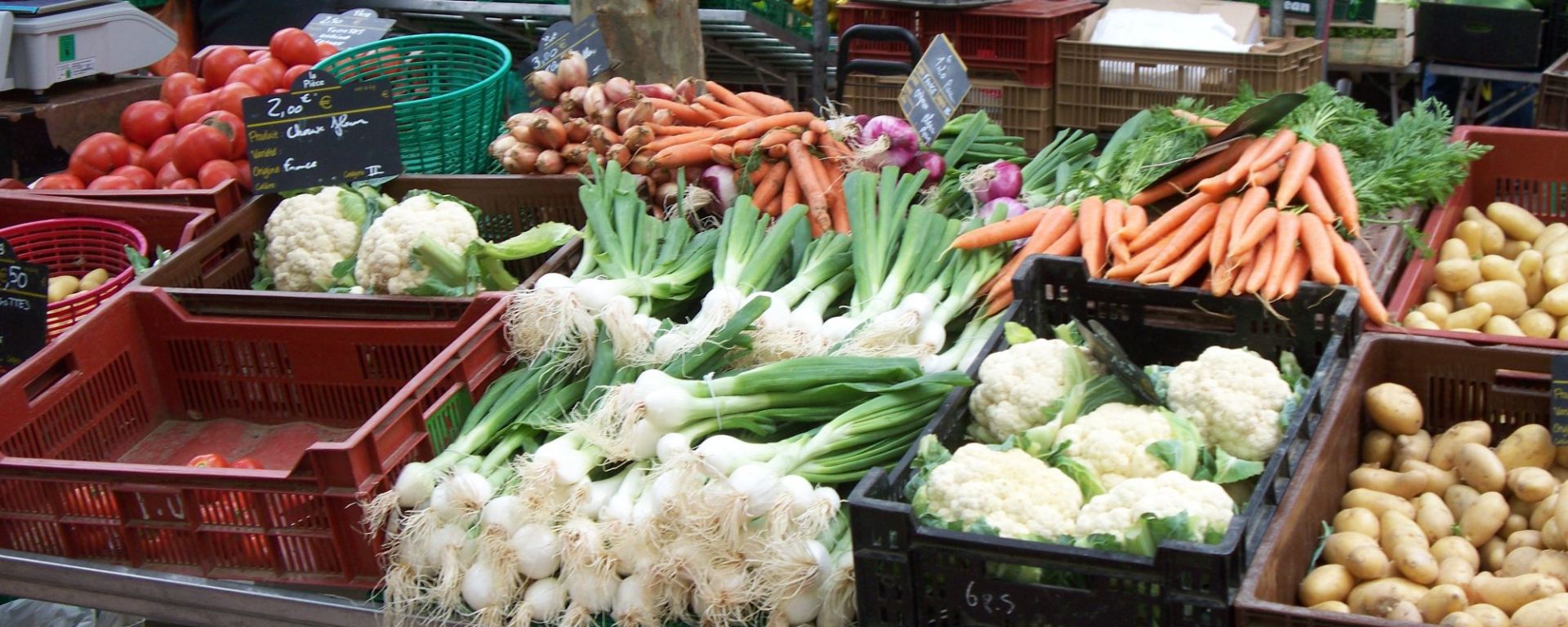
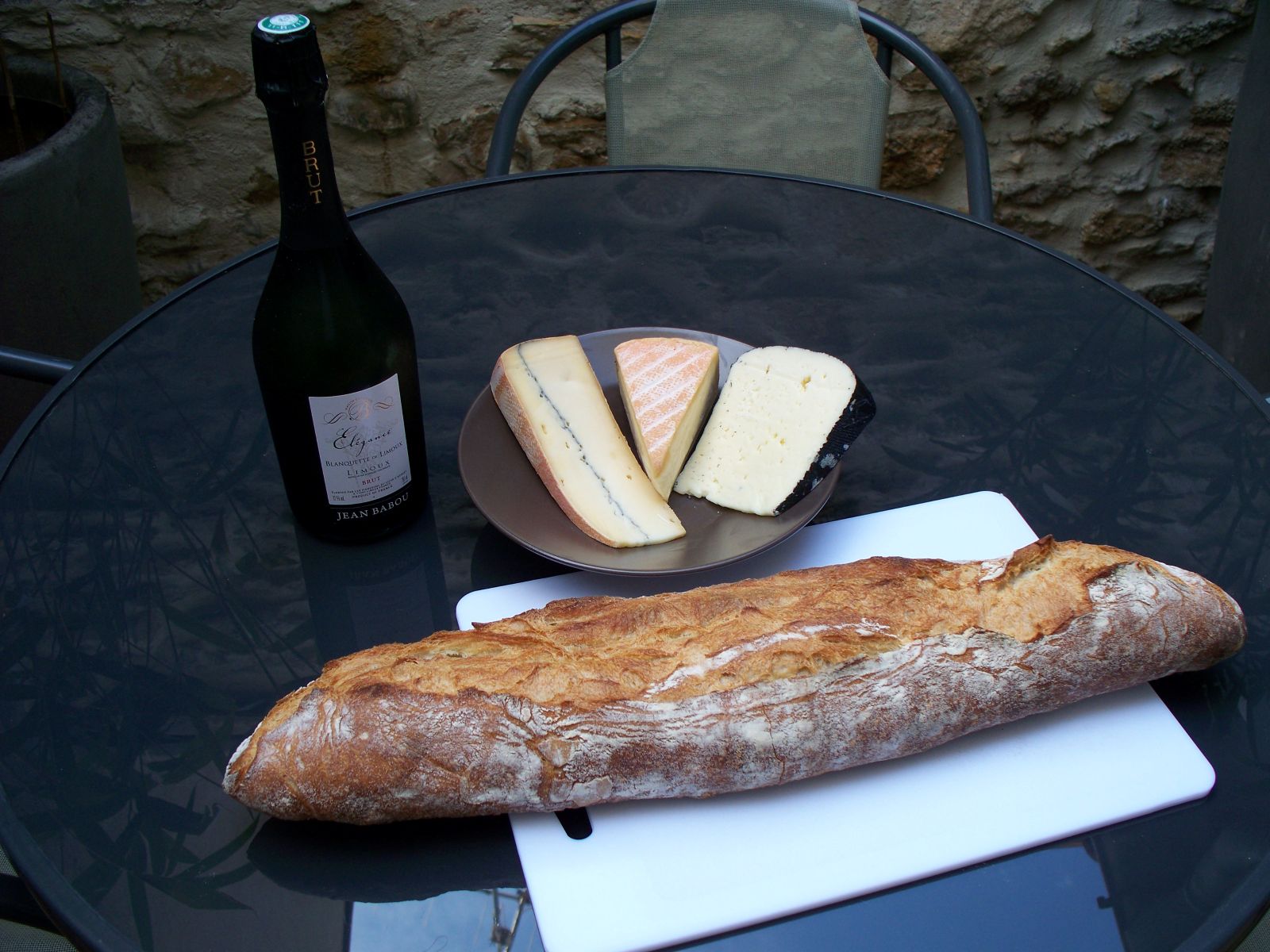
Once we decide on a city where we want to visit for vacation, Bill gets busy locating our accommodation, be it a hotel or an apartment, but almost always with a kitchen. Next comes the search for food: nearby restaurants, grocery stores, and markets since it’s nice to have the option of eating some meals out but coming back “home” at the end of a sightseeing day. That’s when all you want to do is to put your feet up and enjoy a glass of wine and some cheese and bread. Although that’s been our routine for years, until we moved here and decided to live without a car, it hadn’t occurred to me how important having a food store close by really is.
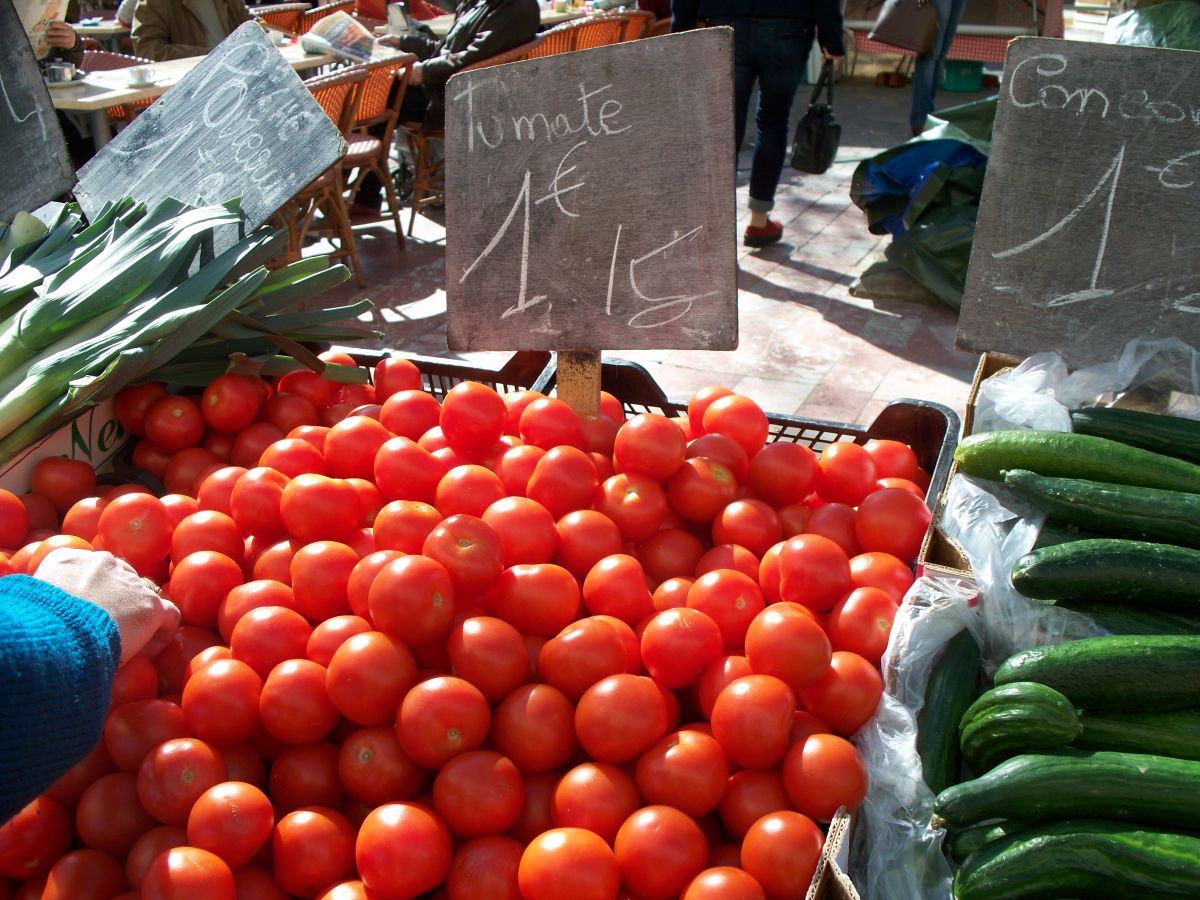
We’ve written before about the concept of “15-minute cities” where you can meet most of your daily needs within a short walk or bike ride from where you live. By chance, that’s almost exactly what we have here. Granted, it’s a 20-minute walk to the train station but only 15 minutes to the market downtown and all of the other shopping located there, 5 minutes to the city bus stop that will take us to a selection of every major retailer in the country on the edge of town, and only 4 minutes to that all-important neighborhood supermarket.
While proximity is important, so is value. The consumer protection website Que Choisir does frequent comparisons of the major, full-service supermarket chains. From what I could find, the list below represents the general trend, and our own observations agree, going from the least expensive to the most expensive:
- E. Leclerc
- Intermarché
- Super U
- Carrefour
- Auchan
The comparisons do not include Lidl or Aldi because they do not offer online price checking via the click-and-collect service “Drive”. Que Choisir notes, however, that when they have done an actual store visit for price comparisons, Lidl was even cheaper than E. Leclerc while Aldi came in somewhere in the middle between Intermarché and Super U. At the top end of the scale, the Monoprix chain locations are almost all in high-rent city center locations where the customer pays for that convenience.

Also not included were specialty stores like organic food markets, indicated in France with “Bio” as part of their name, or our favorite that reminds us of the US chain Whole Foods, Grand Frais. If there’s only one store that’s going to have a particular fruit, vegetable, or herb, this is the place. They even sell fresh corn on the cob which, in our experience, is not readily available in this country.
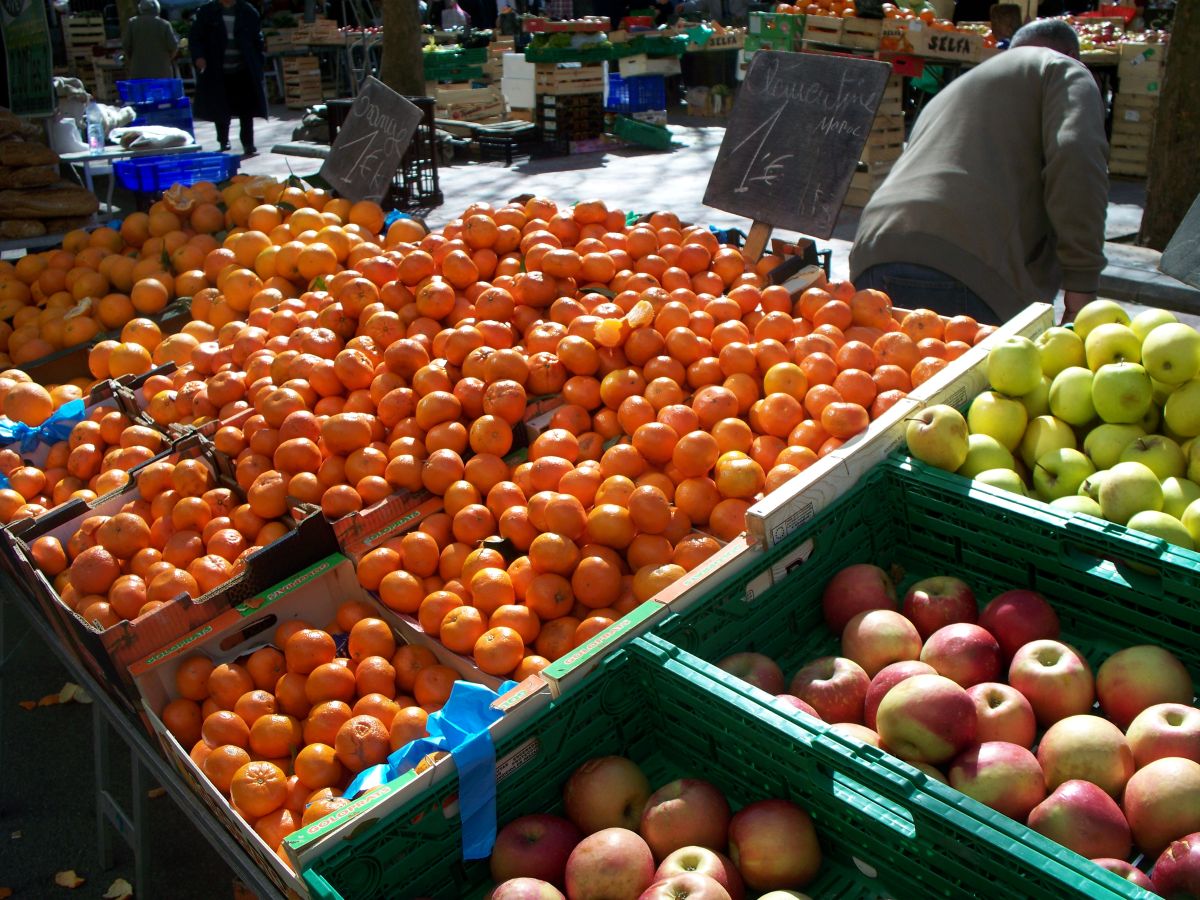
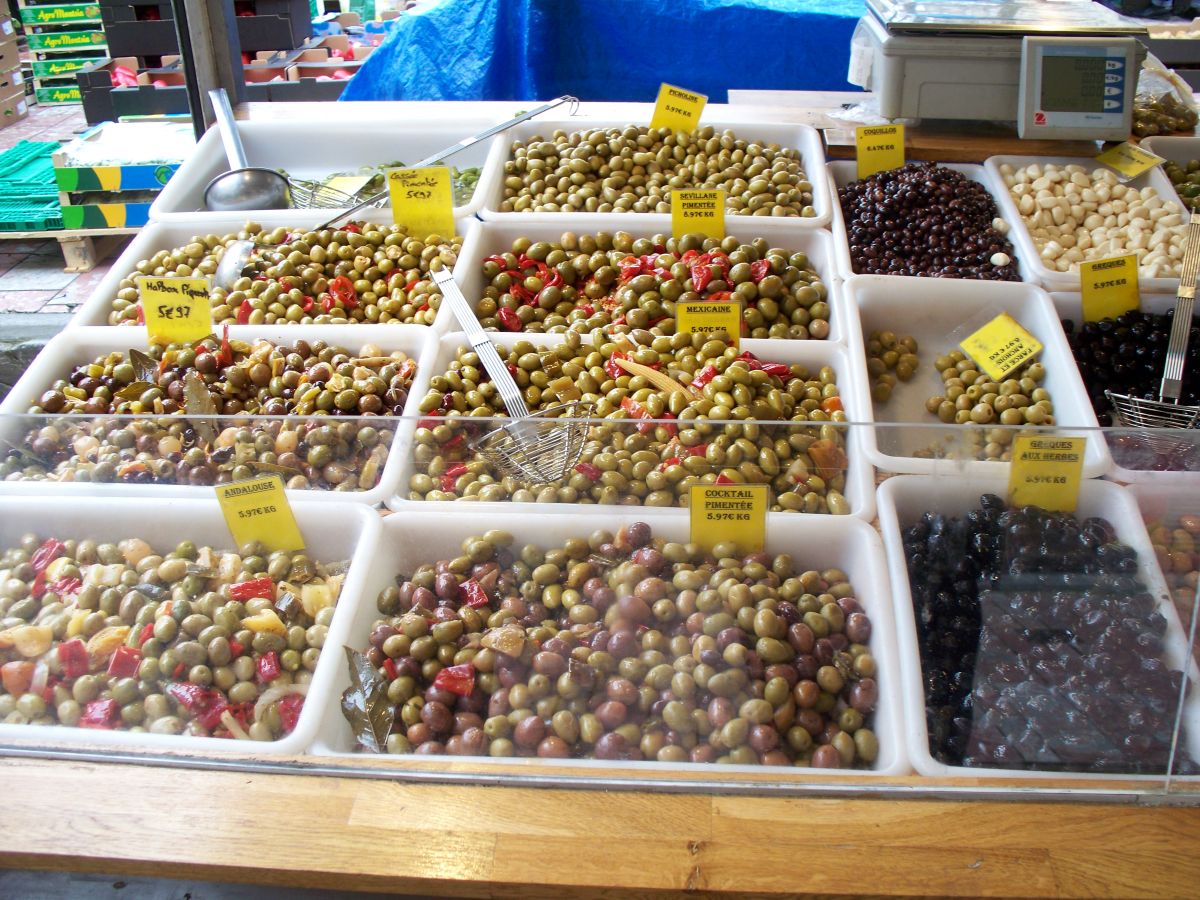
Even by having every one of those shopping choices above in Carcassonne, the Saturday open-air market still comes out on top for us. Local, seasonal fruits and vegetables abound plus a great variety of produce from Spain and North Africa. There are eggs, all kinds of dairy products, butchers’ vans, and bakers. Even better is that we get to talk to the vendors, many of whom have grown and picked the produce that we’re buying. Here’s a tip that we haven’t tried: apparently, if you go to a market in France near its closing time (for us that’s 1:00 PM) prices drop so you can get an even better bargain.
If you’re researching a potential place to live and want to see what an average grocery cart in that location would cost you, Que Choisir has a free online tool located at: https://www.quechoisir.org/carte-interactive-drives-n21243/ In addition, all of the stores mentioned above have online catalogs that show you what’s on special this week or even just the normal daily prices on your household needs. That was helpful to us when we still lived in the US to get an idea of prices in general and to see what different foods are called in French. Happy shopping! 🛒🧺
Note: All of today’s photos come from the Saturday market in Carcassonne.

