If you know Bill, you’ll know how easily he meets people. At the end of the street where we rented a house recently in Carcassonne there’s a bar/restaurant called Formule 1 with a race car theme. I’ll just let this photo tell the rest of the story. He’s going to learn French REALLY fast! Continue reading Bill’s new friend
Paris boasts thousands of cafés. Bill and I have visited the City of Light several times and I can recall only once, when friends from London popped over to visit us for the day (“My love, why don’t we go see the boys in Paris for lunch”) did we actually sit down to enjoy a glass of wine and watch the world go by on … Continue reading Café culture
The house that we’ve rented for our first year in France was advertised as une petite maison which can translate as a little house or even a cottage. What I have yet to discover is a French word that means “home” in the sense that we normally use it as being a warm and welcoming place. That certainly is not to say that it doesn’t exist considering how welcome we have always felt there and the fact that their culture values friendship to the point that they have divided it into seven levels. We just have to keep looking. Continue reading “Go towards the light”
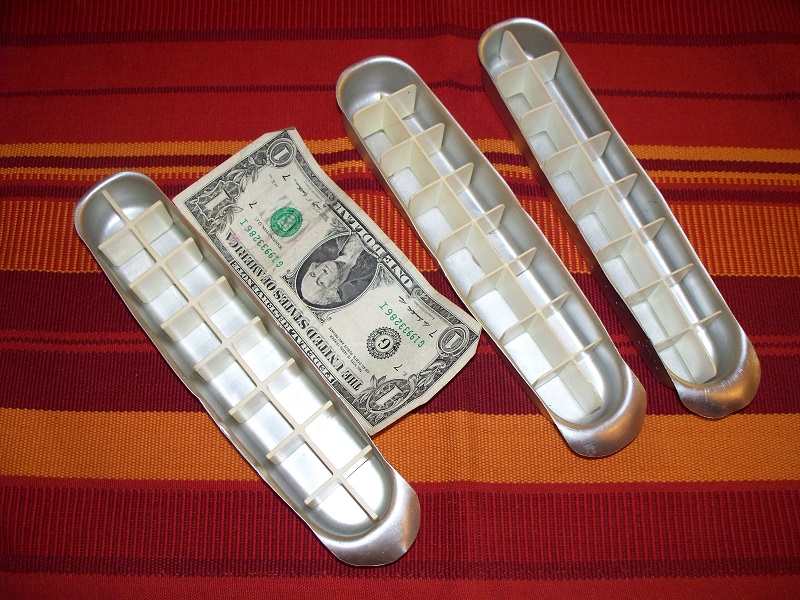
It’s all a matter of interpretation or translation. Before we knew for sure that we were moving to Carcassonne, we rented an apartment there for a couple of weeks so that we could explore the area. Although the listing for the place said that there were two bathrooms, we contacted the owner just to make sure. He reassured us, in perfect English, that the listing was correct and he answered another question in the affirmative concerning ice trays. You’re getting an insight into our priorities, aren’t you?Continue reading “Bathrooms and ice trays”
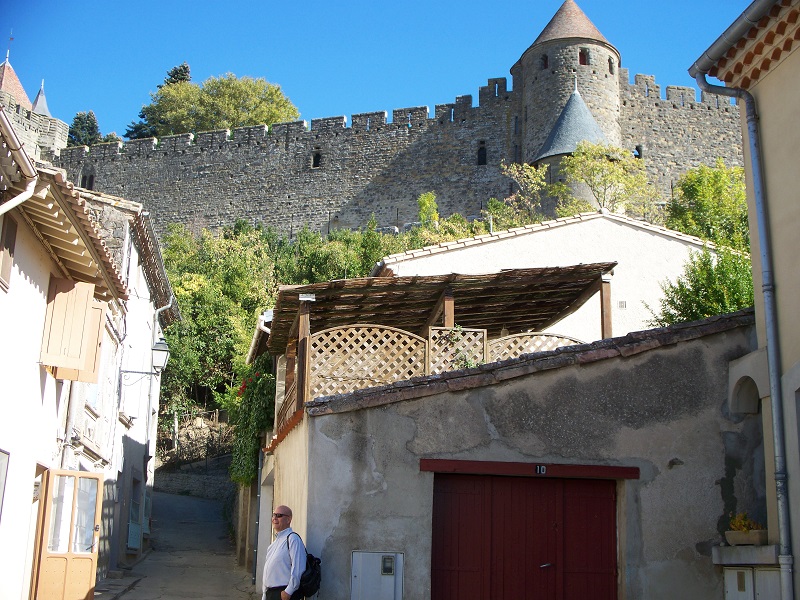
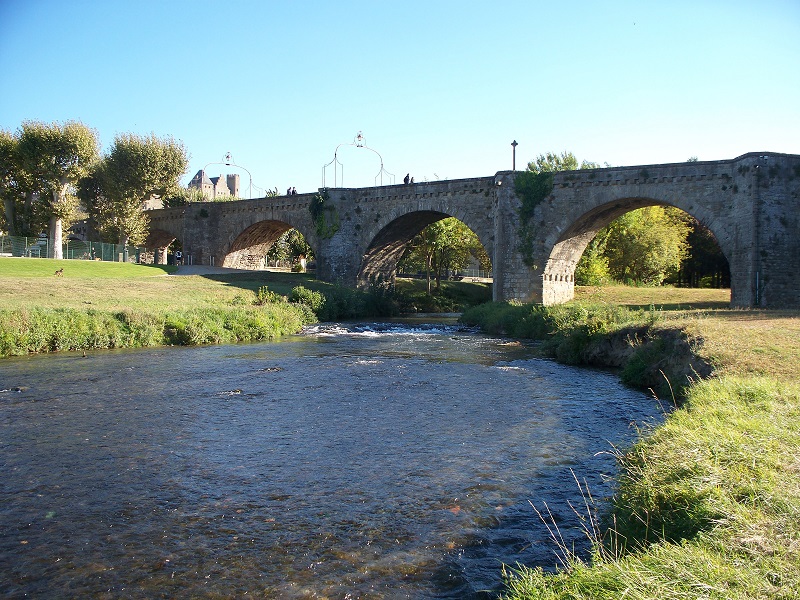
There are two pedestrian bridges (pont in French) that connect the old and new cities in Carcassonne. As in most places in Europe, those two words are relative here as well. The foundations of the old city upon which the castle sits above are from around 100 BC (with evidence of settlements there beginning in 3500 BC) while the new town below was founded in 1258. The old bridge, Pont Vieux, was built in 1359 and provides a great vantage point of the castle and of the Pyrenees mountains. The new footbridge, built in the 1960’s (I’m guessing), gives quick access from the park below the castle where we’ll be living to the heart of the city where we’ll be walking at least 3 days a week to the market.Continue reading “What’s the pont?”
We’ve just returned from a couple of weeks in Carcassonne and if this is any indication of what life is going to be like there, we’re in for a real treat! As on numerous previous vacations, we rented an apartment through a holiday home agency so that we could pretend that we lived in whatever location we had chosen as our base for the vacation. When we first booked this trip the purpose was to find a place to live. Since that had been taken care of weeks prior to our departure, we were free to pursue an even more personal goal of meeting up with people.Continue reading “Back from the future”
We took this photo last week from the old bridge, you know the one built in 1359 in Carcassonne, of the castle. They light it up every night but somehow the lighting this time seemed perfect for Halloween. I wonder what kind of candy we’ll be giving out next year? BIll says “Bon bons”! As for this year you can see what we’ll be giving out. … Continue reading Happy Halloween!



 Let's Live In France