Buying a washing machine

When we made the big move across the Atlantic, we sold our house in the US completely furnished. That was a practical choice for several reasons: it wasn’t necessary to have a huge garage sale to get rid of the furnishings of a 4000 ft² (371 m²) house; we didn’t have to ship all of that across the ocean and try to squeeze it into a 1000 ft² (93 m²) house here; and all of those electrical appliances weren’t going to work in France anyway. What that did mean, however, was that once we had decided on a maison to buy we then had to fill it with living room, dining room, and bedroom furniture plus the all-important kitchen. That was 8 years ago and if you’ve had experience with household machinery, you know what’s coming next.

Continue reading “Buying a washing machine”

Whatcha packin’ ?

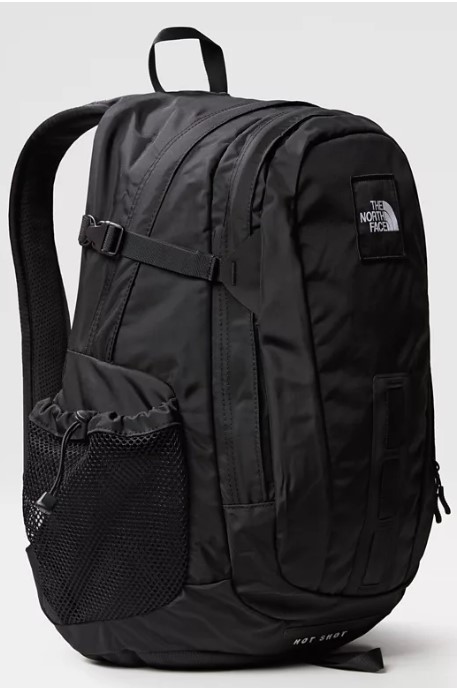
Thanks, Larry, for sending us a link to an article with the intriguing title, “Why Tourists Need To Be Cautious Of The Clothing They Pack On A Trip To Europe.” Before moving here, we were one of those visitors making an annual transatlantic flight always trying to figure out what to bring and what to leave behind. Once we started staying in holiday homes/apartments with washing machines it became possible to cut in half the sets of clean clothes that we needed, effectively reducing our luggage requirement to just a carry on bag. I saw an ad for a travel backpack that promises you space for 5 days of vacation clothing. Hopefully that doesn’t mean just the “bare essentials” you might require at a clothing-optional resort.

Continue reading “Whatcha packin’ ?”

Family life without (almost) a car

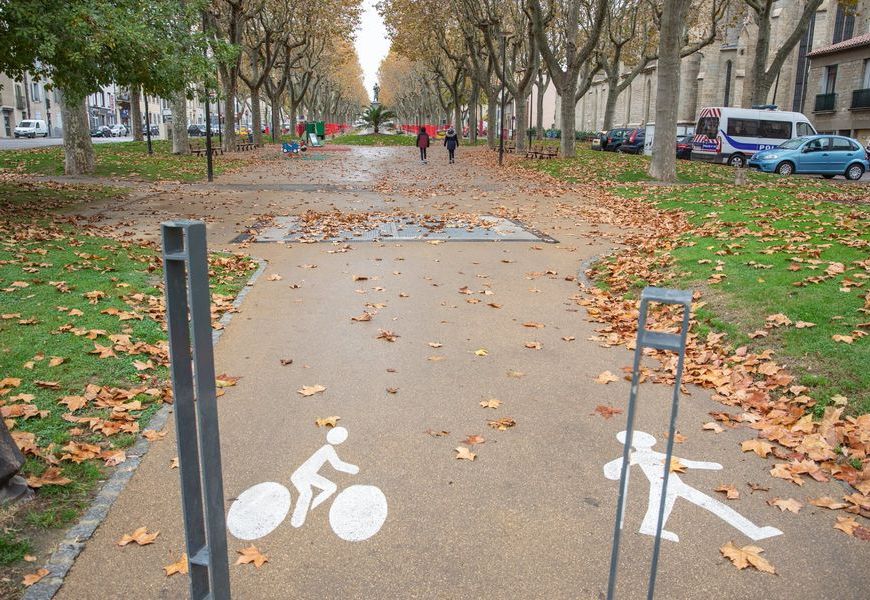
It’s one thing for Bill and me to live without a car but I did wonder about how families with children cope. Everyone on our street with kids has at least one car and during the school year we see the daily parade of Mom or Dad shuttling their offspring to sports events, band practice, other extracurricular activities or just to visit friends. An article in one of our local newspapers, La Dépêche, addressed that very topic. The headline read, “These Toulouse residents have chosen to live without a car with 3 children,” and although that’s 45 minutes away from us, it was still going to answer my question.

Continue reading “Family life without (almost) a car”

What’s the Point?

The magazine article headline that caught my eye was “A New Neighborhood is Being Built in Utah That Looks Like a European ‘One-Car Town’”. This told the story of developing a 600 acre (243 hectares) site in Draper, UT into a pedestrian-friendly town with favor given to bike lanes over cars. Author Andy Corbley said that this was like something he might see in the Netherlands. Realizing that potential residents could balk at going completely car-free, the developers are focused on making the use of an automobile unnecessary within the confines of the community. At least 45% of the city will be covered by greenery including sidewalks, bike paths, and roads that lead to the perimeter bus system with connections to Salt Lake City. Hikers and cyclists will have easy access to the river parkway and to the mountain trail system. In describing the target market, one of those developers said, “They want more urban features, they want to know their neighbors, they want to be part of a community.” Hmm, sounds like us. By the way, this new town is called The Point.

Continue reading “What’s the Point?”

Retirement runner-up

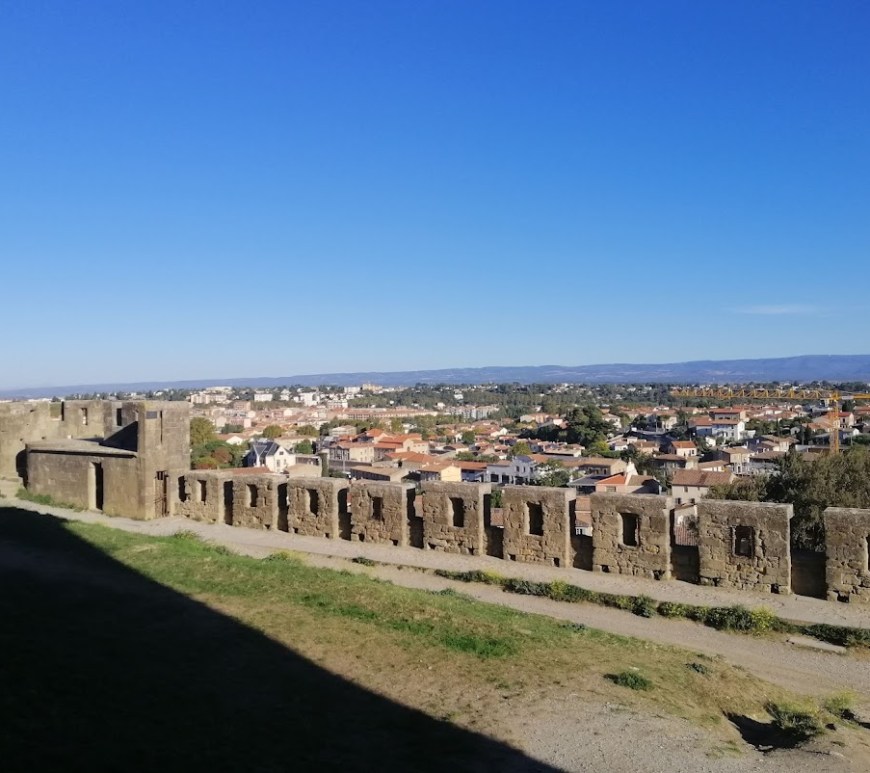
Coming in second out of 242 isn’t bad. That’s the position that Carcassonne achieved in a “where to live after retirement” study conducted by the newspaper Le Parisien. They compared cities of more than 20,000 inhabitants outside the capital region of Île-de-France, evaluating around 30 different factors that would be important to the 75,000 French retirees who move each year. The authors readily admit that they were unable to account for emotional factors such as returning to where you grew up, settling in an area that’s near your adult children or where you already have friends or where you’ve always enjoyed visiting. After 25 years of annual vacations in France, that last point rang true for us.

Continue reading “Retirement runner-up”

Where do you shop?

When we lived in Atlanta, within a few minutes from home we could be shopping in what seemed like every big box store that exists in America. All were open 7 days a week and even some of those welcomed you 24 hours a day. No need to borrow that cup of sugar from a neighbor when you could easily go get a 5-pound bag, or even a 25-pound bag if you went to the warehouse store, essentially whenever you wanted. Of course when you have a car and a pickup truck to transport all of this back to your 4000 square foot (371 square meters) home it’s no big deal. Now our car is a city bus, the truck is a backpack, and we happily live in about one quarter of the space we had before so we’ve adapted our buying accordingly.

Continue reading “Where do you shop?”

I “shutter” to think

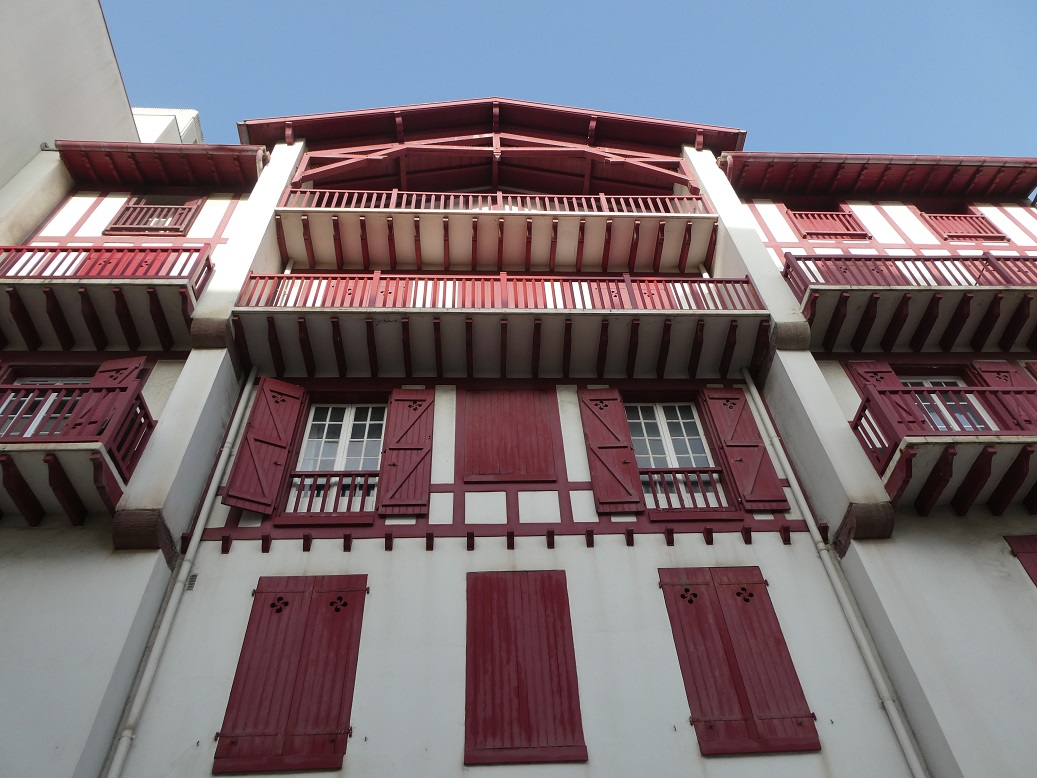
The house that I grew up in had shutters on the windows. To be precise, these were wooden slatted frames screwed into the wall beside the windows and served simply as decoration. In fact, every house that Bill and I have lived in, both in the US and in France, has had them as well but with one major difference: here the shutters open and close so you get window protection as well as ornamentation. And it doesn’t stop there since the hot summer sun is prevented from streaming into your home, meaning that in many situations there’s no need for air conditioning to be comfortable. For the two of us who came from Atlanta where it seemed that we were in cooled air buildings 24/7, that’s been a pleasant change.

Continue reading “I “shutter” to think”