


Last week, 4 American friends whom we’ve known for over 30 years made their first trip to Carcassonne and we got to play tour guides. The local tourism office made our job pretty easy since among their publications are several maps, part of one of which we’ll cover today, and the second part next week, that highlight the “unmissables” in this city’s 2000 years of history. I’ll include a link to a pdf of that map at the end of this post. Their most recent flyer is called Circuit Art Déco/Art Nouveau and I want to devote a future blog post just to the buildings around town that reflect this beautiful period of architecture.

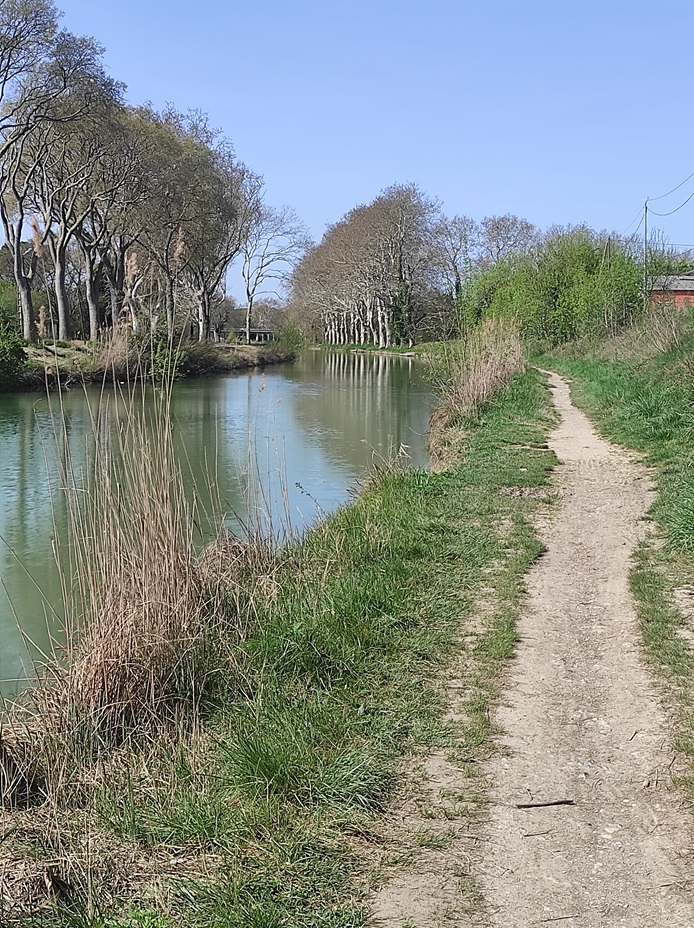
A logical starting point for the tour was the train station that opened in 1857 since that’s where one of the couples arrived. Right out the front door from there is the Canal-du-Midi that first connected the Atlantic Ocean to the Mediterranean Sea in 1681. It took until 1810, however, for the local city council to be convinced to spend the money to have the canal rerouted to its current course through Carcassonne.

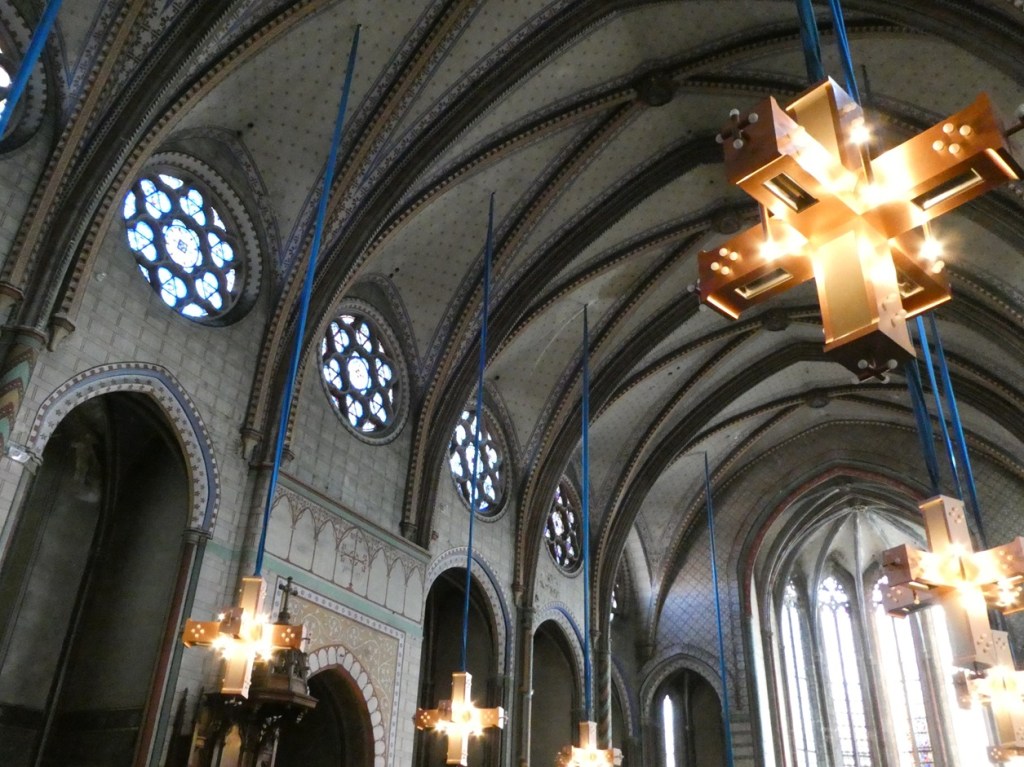
Two religious buildings were next: the modestly decorated Carmelite chapel was built at the end of the 13th century with a single nave and 10 side chapels. At Christmas they fill this space with nativity scenes from around the world. At the 14th century church of St. Vincent, we stood inside the largest nave in southern France but decided not to climb the 232 steps to the top of the bell tower (photo in the first paragraph), the tallest building in Carcassonne, since we had done that in 2018. In the streets surrounding the church, the sound of the 54-bell carillon can be deafening when they are in full swing.

On we went to what we think of as the heart of the city, Place Carnot, where there’s a fruit and vegetable market twice a week and filled everyday with locals and tourists alike enjoying coffee, wine, snacks, or meals from a dozen cafes, bars, and restaurants that surround the plaza (featured photo across the top of today’s blog post). The Fountain of Neptune, carved in 1771 from white Italian marble takes center stage and is always where we meet up with blog readers visiting the city.
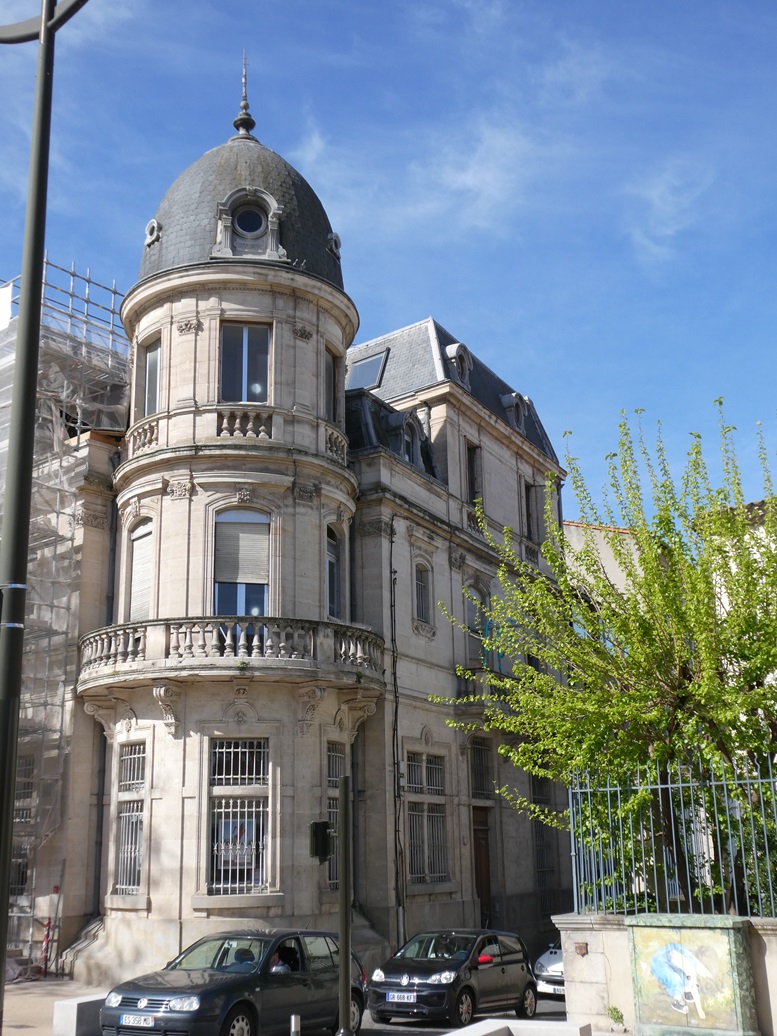
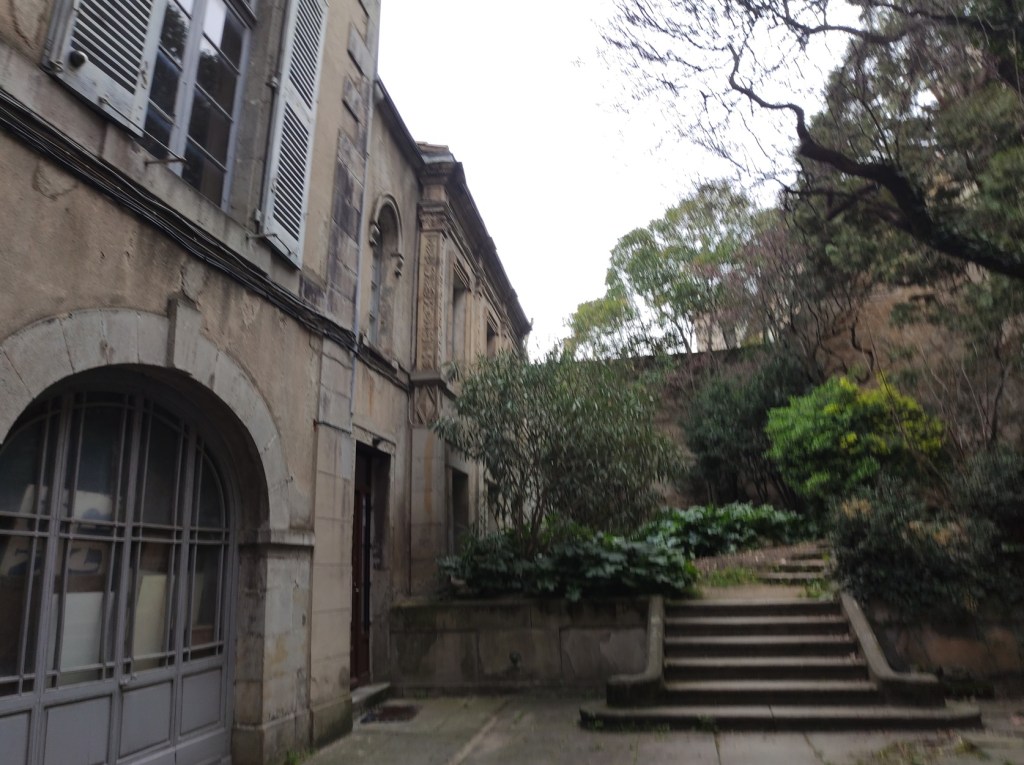
Textile production in the 18th century made a significant contribution to the wealth of Carcassonne that allowed mill owners to build private mansions known as a hôtel. Some survive today as apartment buildings such as Hôtel Besaucèle and Maison du Sénéchal while Hôtel Roux d’Alzonne is a middle school and City Hall sits comfortably inside the ornate Hôtel de Roland. I especially like the round tower with its domed roof at Hôtel de la Caisse d’épargne, a bank, and we are weekly visitors to the covered market housed inside Les Halles, constructed in 1768 as the corn exchange.

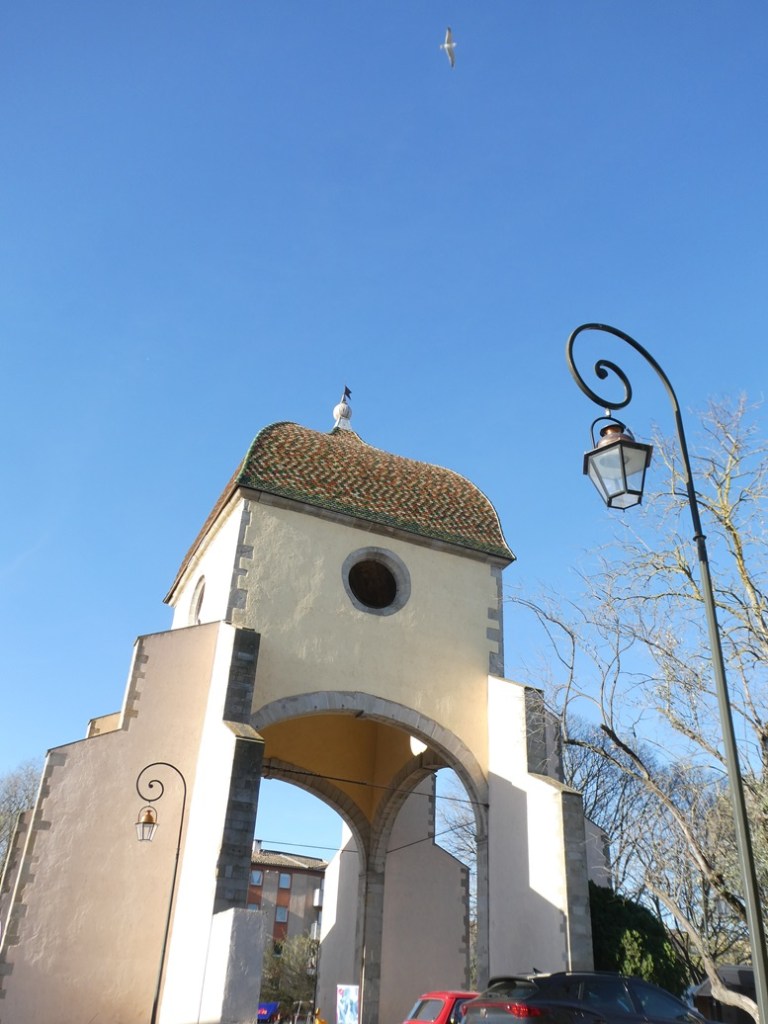
When King Louis IX ordered the creation of this lower part of Carcassonne (we’ll talk about the upper part next week) in 1247, there were two parishes that had to be accommodated including their own churches. We’d been to St. Vincent, mentioned above, so next we saw St. Michael that was eventually designated as a cathedral in 1803. Conveniently, we were now close to the Portal of the Jacobins from 1778, a gate that replaced the Medieval opening in the 14th-century walls, some of which are still standing. Exiting through the Portal put us on the pathway to the upper part of Carcassonne known as La Cité. We’ll meet you up there next time!
Carcassonne tourist map in English pdf



 Let's Live In France
Your pleasure in living in such a marvellous place really comes across. Your friends were lucky to have such top notch guides !
LikeLiked by 2 people
Thank you very much, Gary! There’s no place like home 🏰
LikeLiked by 1 person
If you’re not careful, you’ll be recruited by the local tourist office!
LikeLiked by 2 people
We’d love that and then you could come and lead cycling tours!
LikeLiked by 1 person
Now, there’s a thought!
LikeLiked by 2 people
Our past flying trips to your lovely city have left us wanting more – so many things we’ve missed! A great excuse to return.
Echoing Gary’s comment, your friends were very lucky to have the best tour guides in town!
LikeLiked by 1 person
Thanks, Katherine! You’ll have to return to Carcassonne to try out our new guiding skills 😁
LikeLike
Yes, we are beyond appreciative for everything that they shared with us of their home, Carcassonne, and for the 30+ years of a wonderful and special friendship.
Although I miss them, I understand! They have created and are living their most perfect life here.
LikeLiked by 2 people
What a pleasure it was to spend some time with you in our new hometown! 😍
LikeLike