
If you are a fan of the bicycle race, Le Tour de France, you will have heard it referred to as La Grande Boucle or in English, The Big Loop. Although these days the race doesn’t necessarily make a geographic circle, sometimes even starting in another country, it did indeed complete a grand circuit around France when it was created in 1903. About every two years the riders pass through Carcassonne so we get to see them regularly—as long as you count a two-second glimpse as they all whiz by as “seeing” them! Using that concept of a big circular trip, we’ve just returned from our own grand tour by train around Brittany.
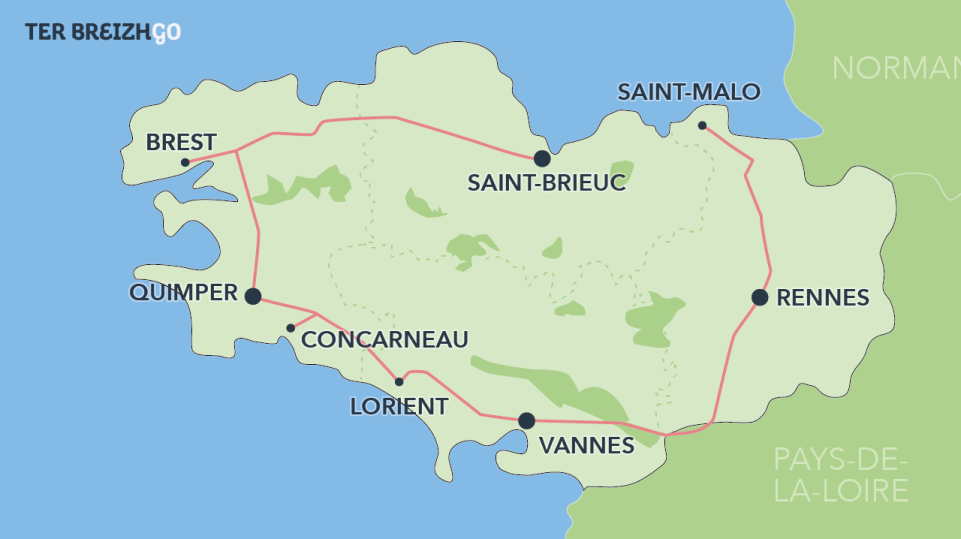
From the map in this paragraph (thank you, French rail company SNCF), you can see the counter-clockwise route that we had planned to take. We’d already been to Saint Malo twice so we were going to start in Rennes, continue through Saint-Brieuc (there are indeed tracks despite not showing on this map), on around via Brest, Quimper, and L’Orient, ending the journey in Vannes before heading home. Our actual routing was a bit different because we wanted seat reservations that were only offered on certain trains. We got as far as Morlaix (next week’s blog post) and then did a bit of backtracking to arrive in Quimper for the weekend to visit some friends who used to live across the street from us in Carcassonne.
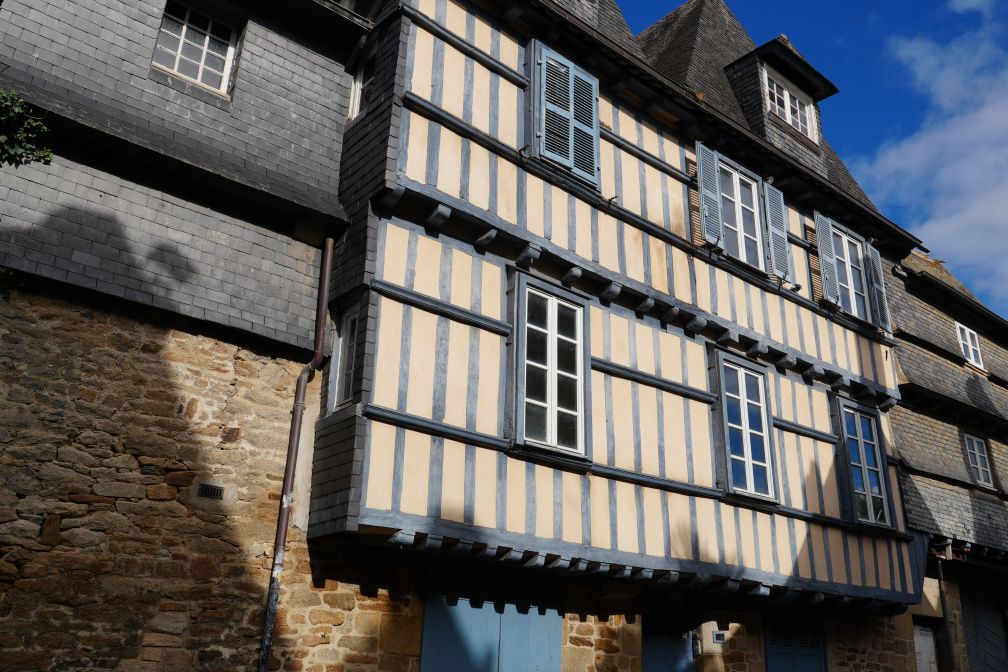
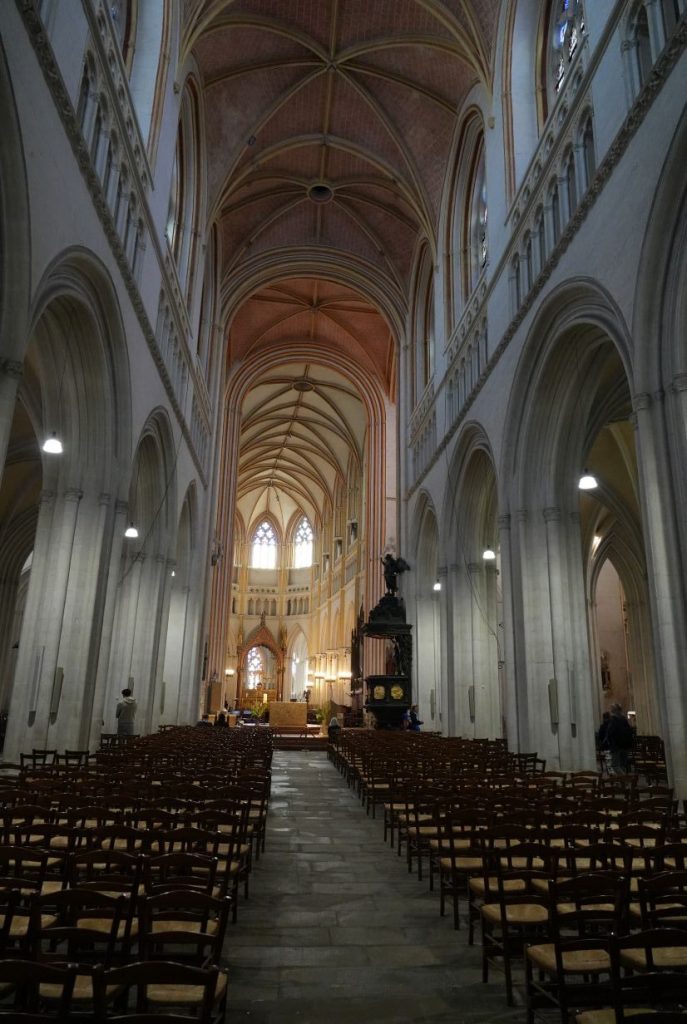
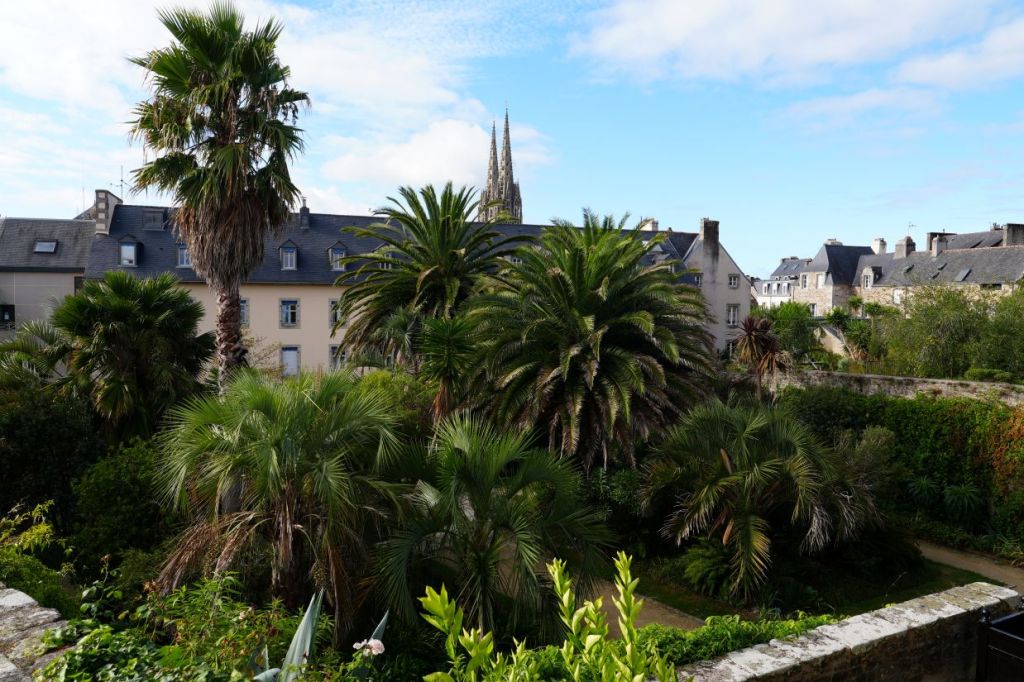
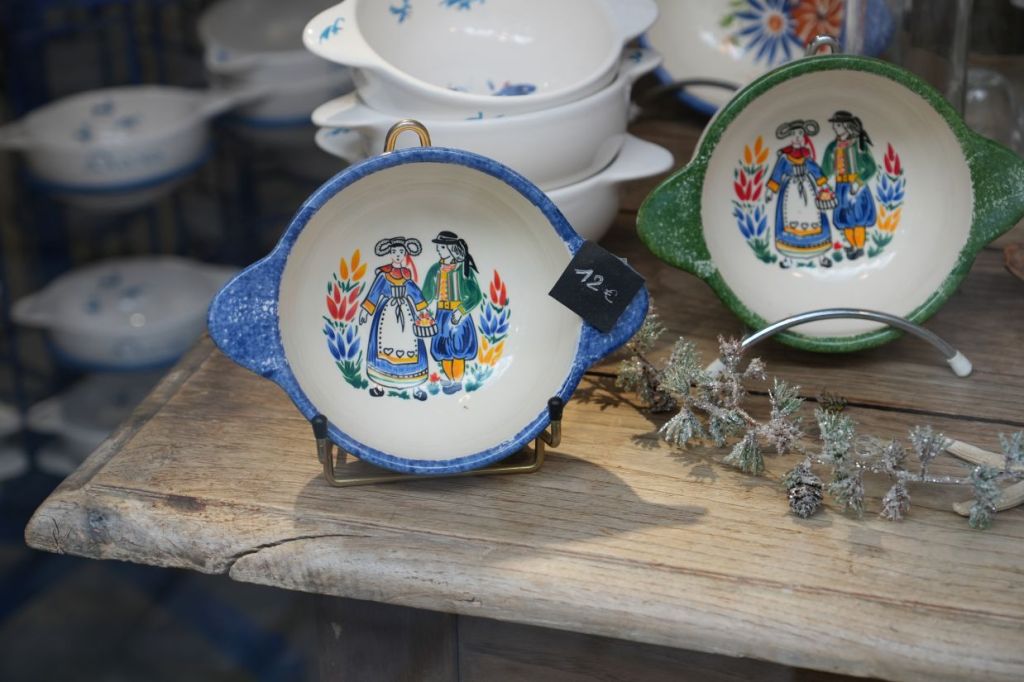
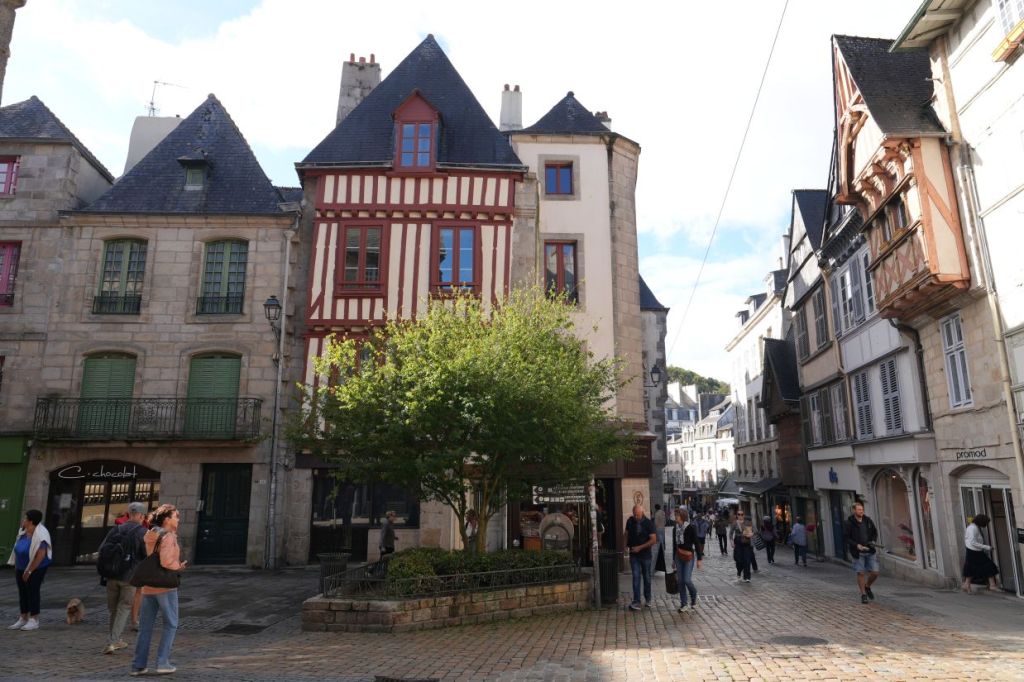
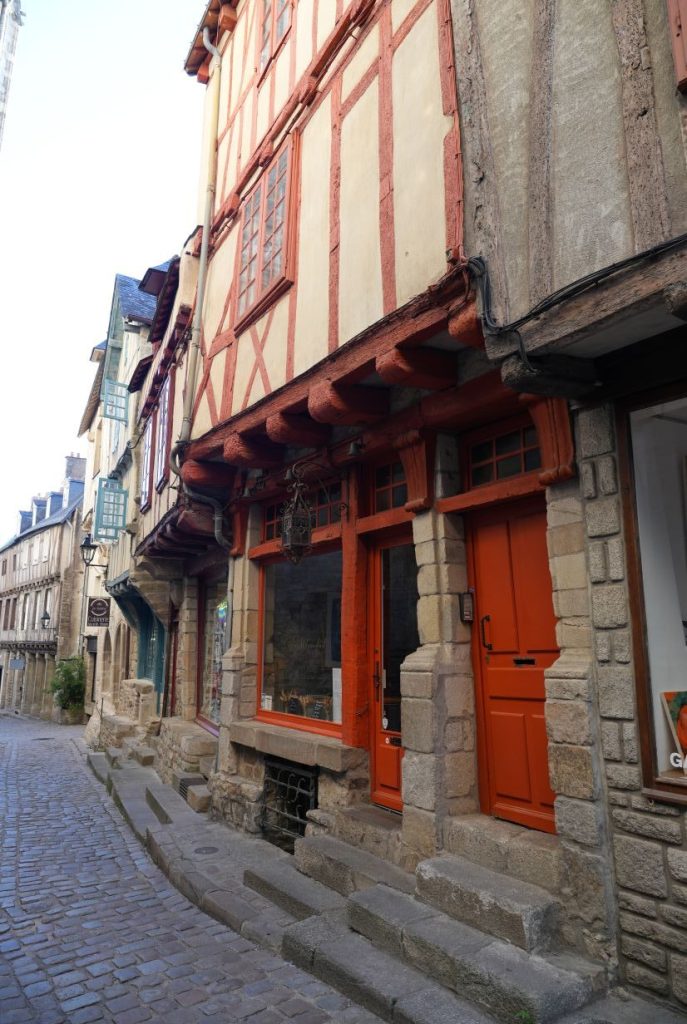
We knew of Quimper because of its faïence, the ceramics that have been produced in-town since 1708. The museum in the Locmaria neighborhood displays 2500 pieces, many traditionally decorated with the “petit Breton” that shows a man dressed in the region’s historic costume. From there we went back in time to the medieval quarter where the area’s typical building style was to use granite for the ground floor walls with the upper floors being half-timbered. The 13th century cathedral in the neighborhood has a distinct angle between the altar and the main body of the church that avoided disturbing already existing buildings and a tomb. What to have for lunch? Crêpes, of course, and since there are almost 2 dozen crêperies surrounding the cathedral, we had lots of choices. We finished out the day with a visit to the Jardin Exotique de la Retraite, a subtropical garden that includes examples of plants originally collected by 16th century explorers to the Americas.
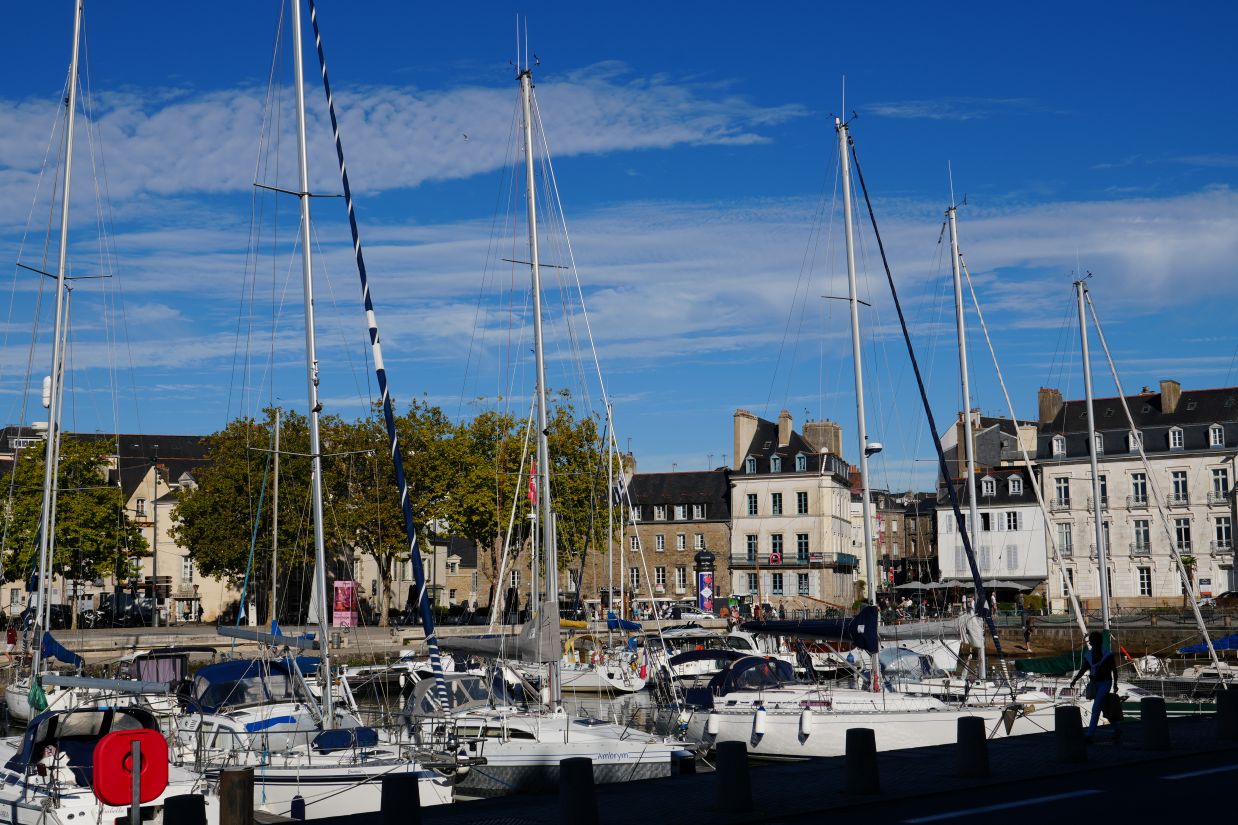
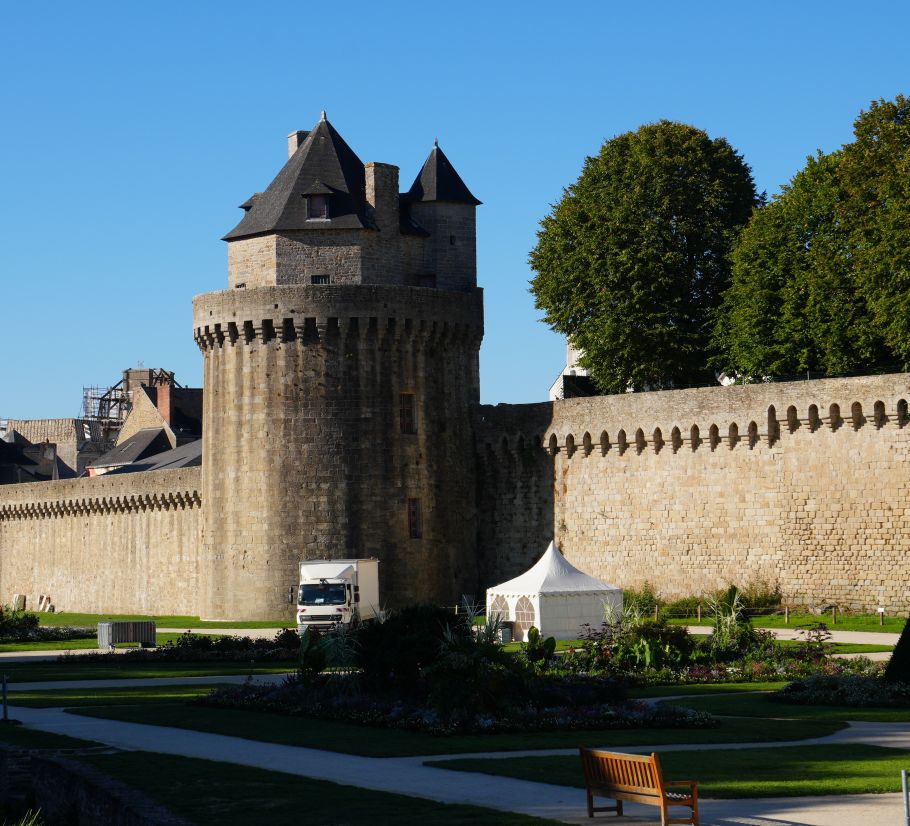
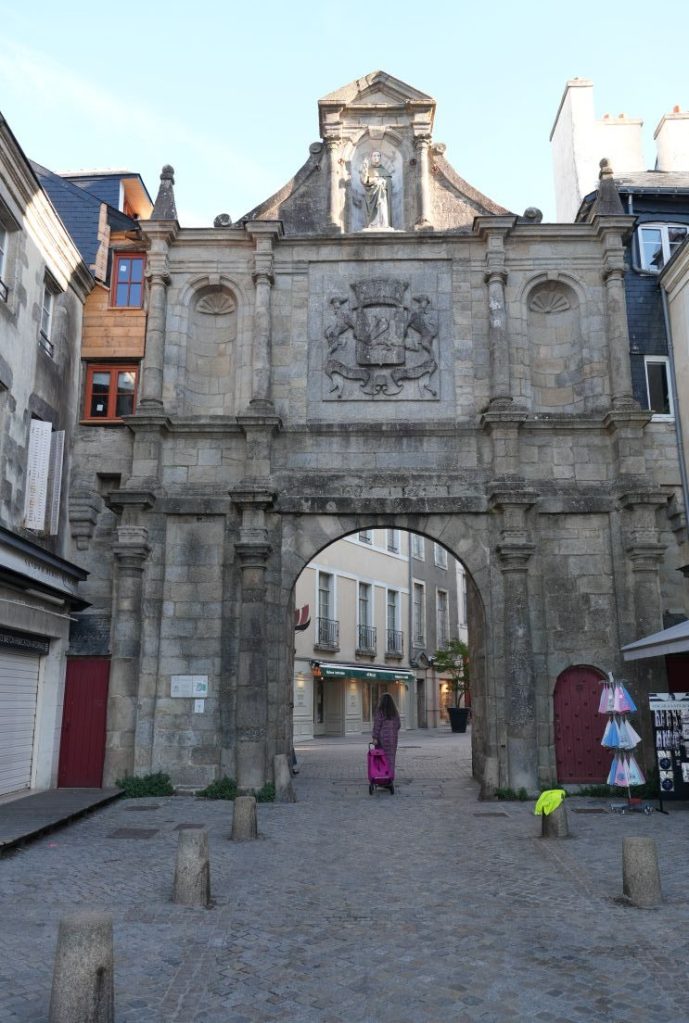
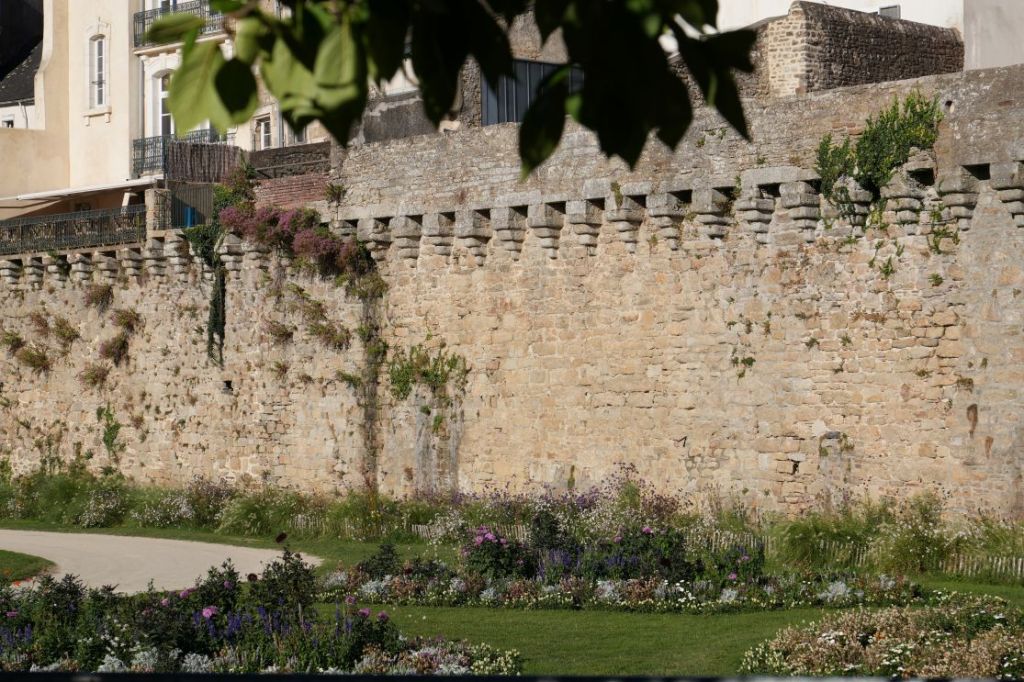
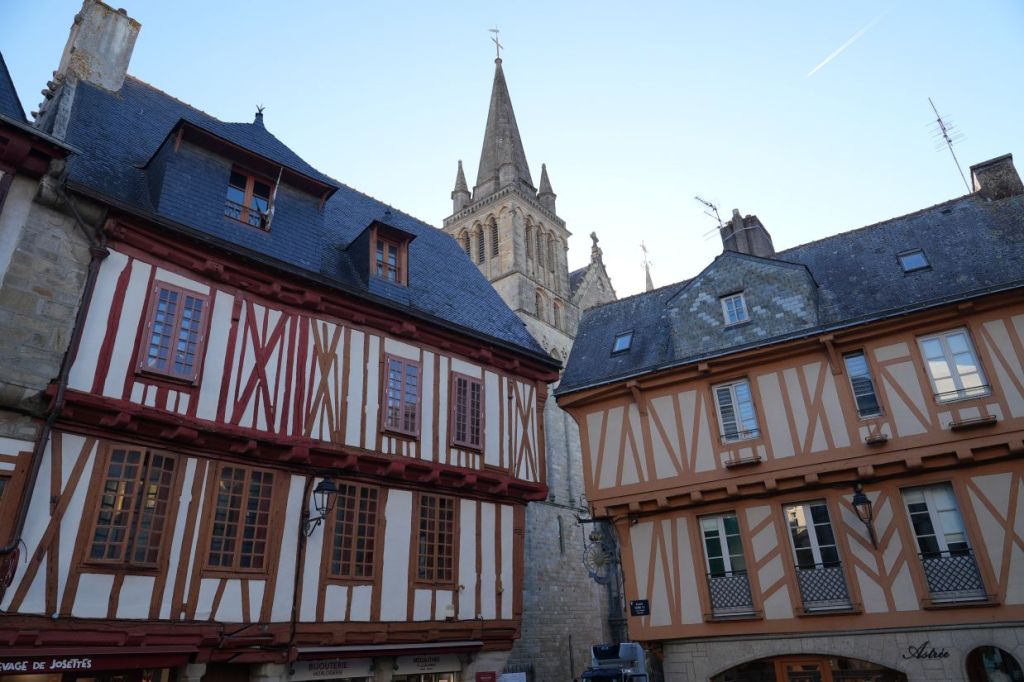
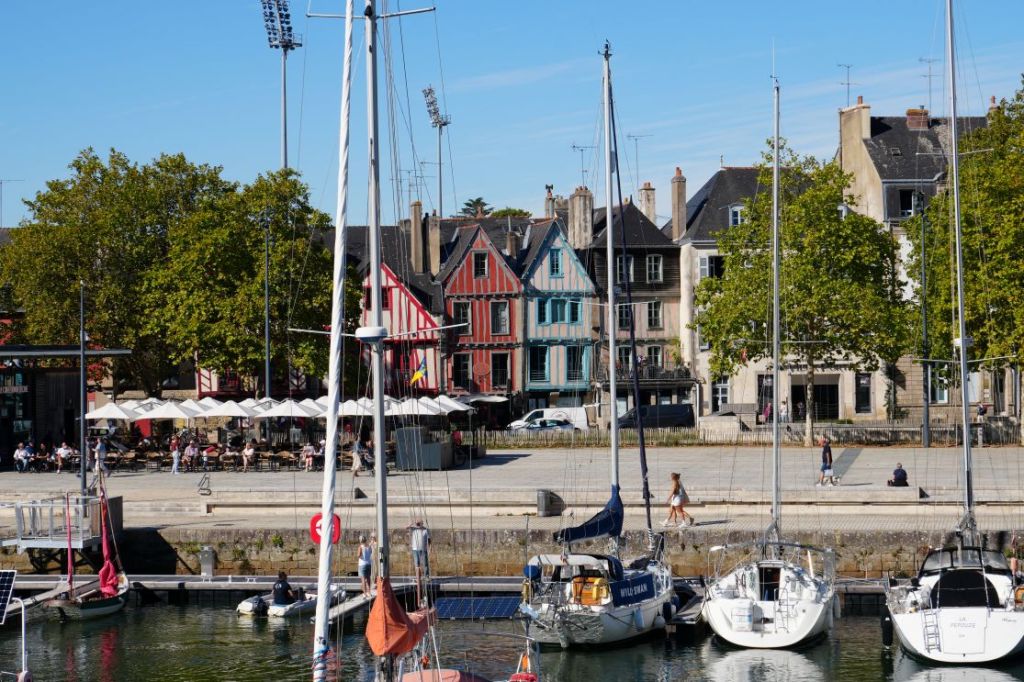
It had been 15 years since our initial visit to Vannes and we had such a good time, it was an easy decision to return. The massive city walls and gates, begun by the Romans around 300 AD and later completed in the 1600s make an impressive first impression. The gardens beside the walls deserve their own mention as do the many squares in-town that are surrounded by 16th century half-timbered houses. Continuing our downhill walk from the train station we saw the cathedral with its bell tower from the 1200s and then the 18th century Château de l’Hermine (under renovation to become the Fine Arts Museum) with its foundations from the 1300s. We exited the walled city through the gate Porte Saint-Vincent with a beautiful view of the long narrow port, which was extended in the 1500s to bring ships closer to the city. With this location, the obvious choice for lunch was seafood one day and a stop at a crêperie the next.
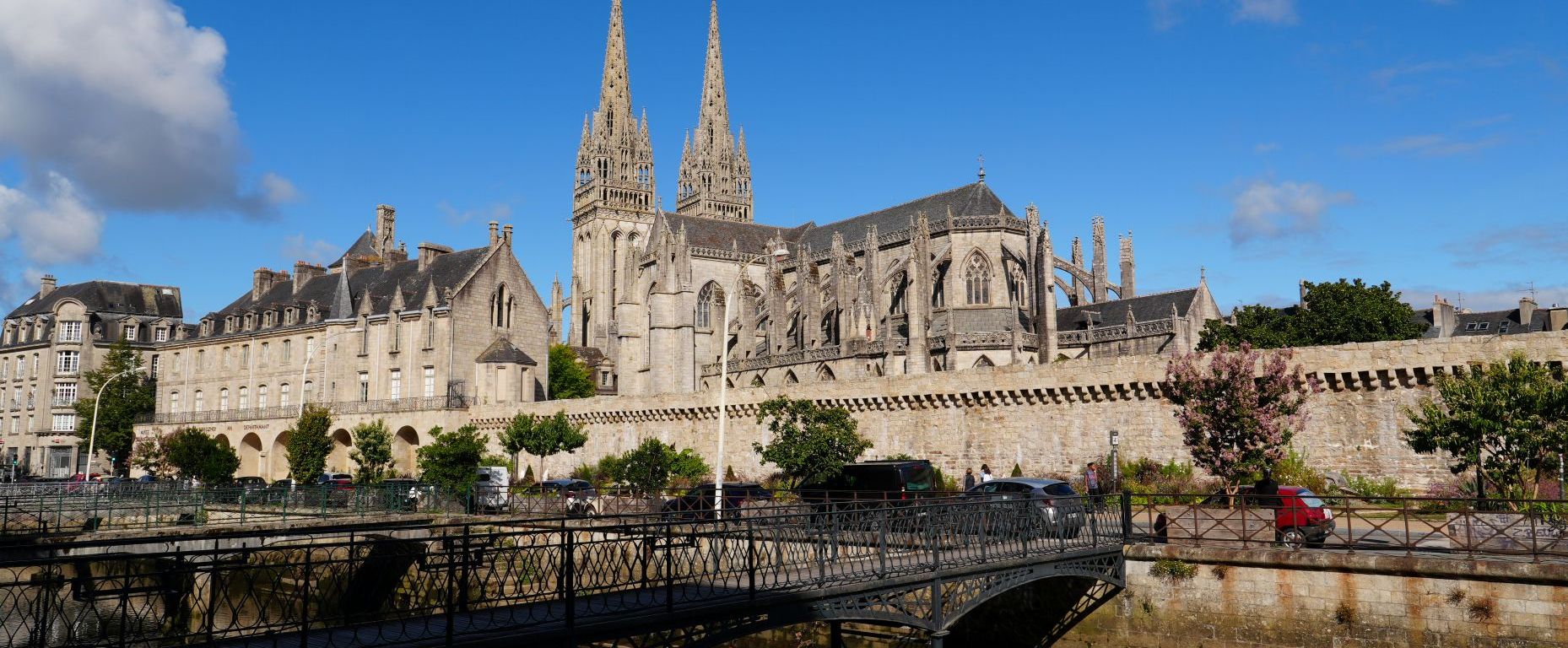
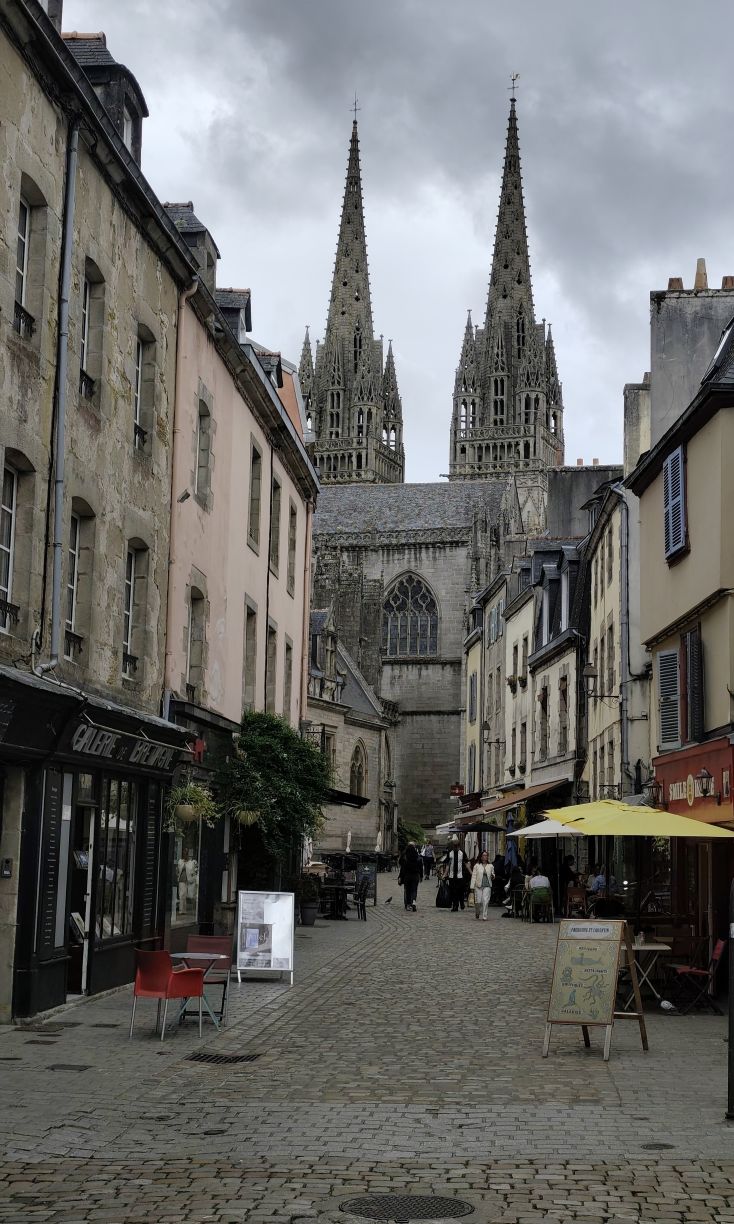
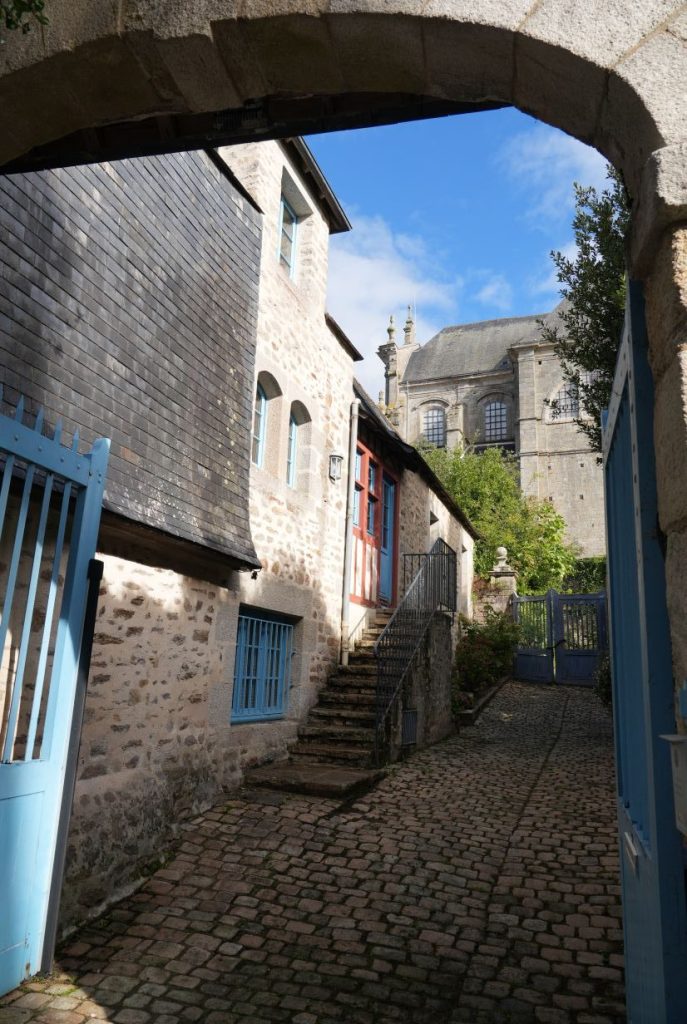
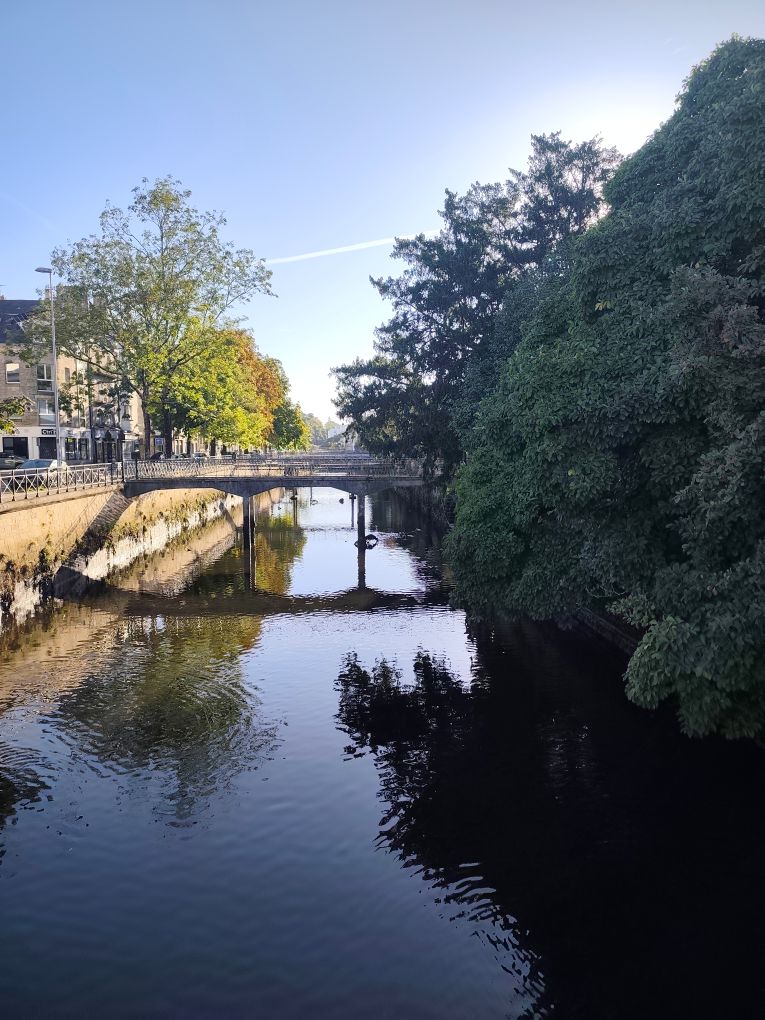
Below are photos from these two city visits in the south of Brittany and next time we’ll be on the north coast in Morlaix with day trips from there. Across the top of today’s post you can see the Quimper skyline and in the first paragraph is a cobblestone street with the Quimper cathedral in the background.


Always love your pics!
LikeLiked by 1 person
Thanks, Wendy! It’s always fun plotting out ahead of time where we think the best viewpoints will be. Then there’s always a nice surprise when we find “ambiance” shots that give the flavor of a city that’s not always included in a guidebook.
LikeLike
Cool trip
LikeLiked by 1 person
I’m so glad to see this post! We are spending next August in Morlaix (had to postpone this year and our Airbnb host was kind enough to let us move it). We’ll be driving so can do lots of day trips, so next week’s post will also be great to see. We haven’t visited Bretagne yet and are looking forward to retracing some of your steps. We’ll try to plan a visit to Carcassonne sometime so we can finally meet in person!
LikeLiked by 1 person
Great choice for a summer vacation, Sandy! In Morlaix we can recommend Pâtisserie Traon Stéphane downtown at 24 Place Cornic for a big selection of delicious treats including their signature Breton speciality, Kouign-amann. Hope you like butter 😍
LikeLike
Sandy, I forgot to say in the previous reply that “yes” please let us know when you might be in Carcassonne so that we can get together. Like you two, we travel often but it will be great to meet you, here or there! There’s a “Contact us” form under the “About this blog” tab above, when you’re making your plans.
LikeLike