
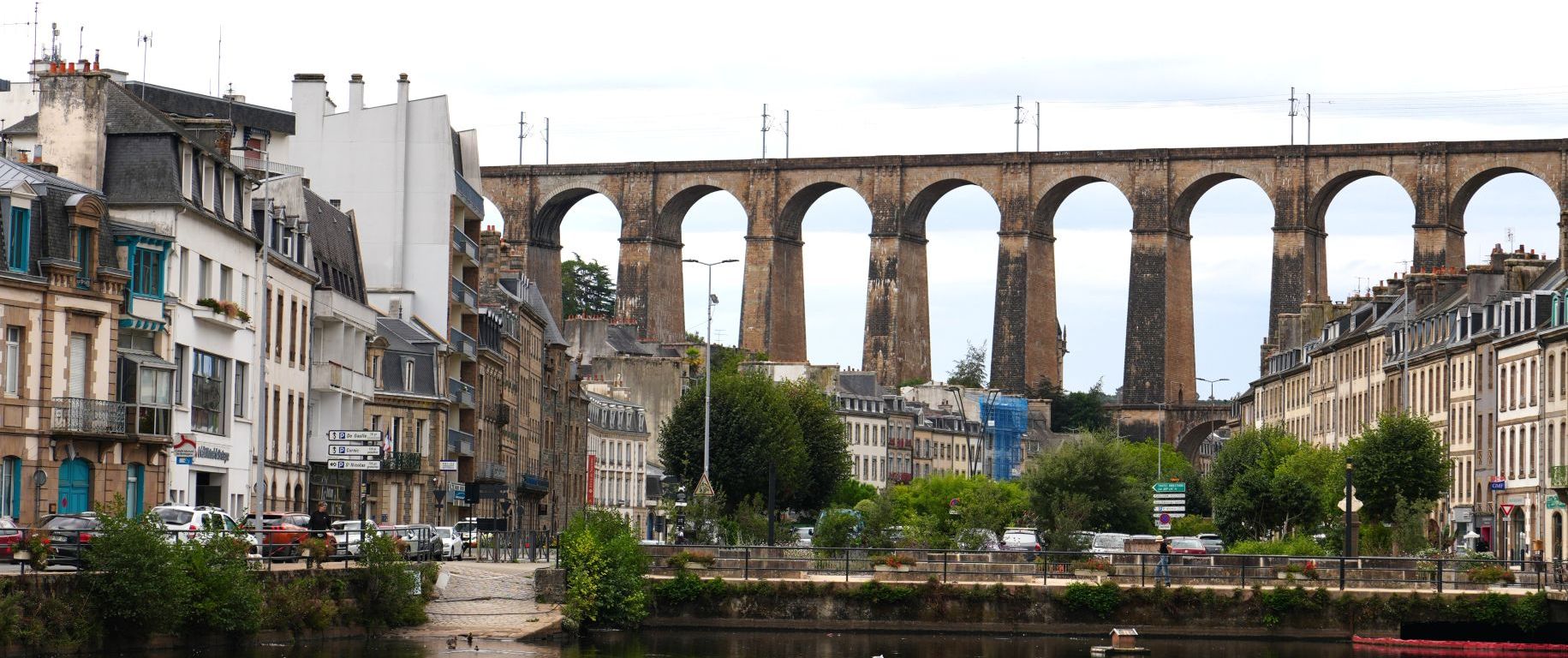
It’s hard to miss a structure that towers 60 meters (197 feet) above you and stretches left and right as far as the eye can see. You can get an idea of the size of the viaduct in Morlaix in the photo above across the top of today’s blog post. We initially scheduled a visit there as just an overnight stop on our circular rail trip around Brittany. However, our map route changed when we tried to book trains with guaranteed seat reservations. The schedules forced us to backtrack to Rennes first. Rather than rushing through, we turned this quirk into an advantage by extending our stay in Morlaix to several nights, using it as a base to explore nearby Brest via a local train and Roscoff by bus.
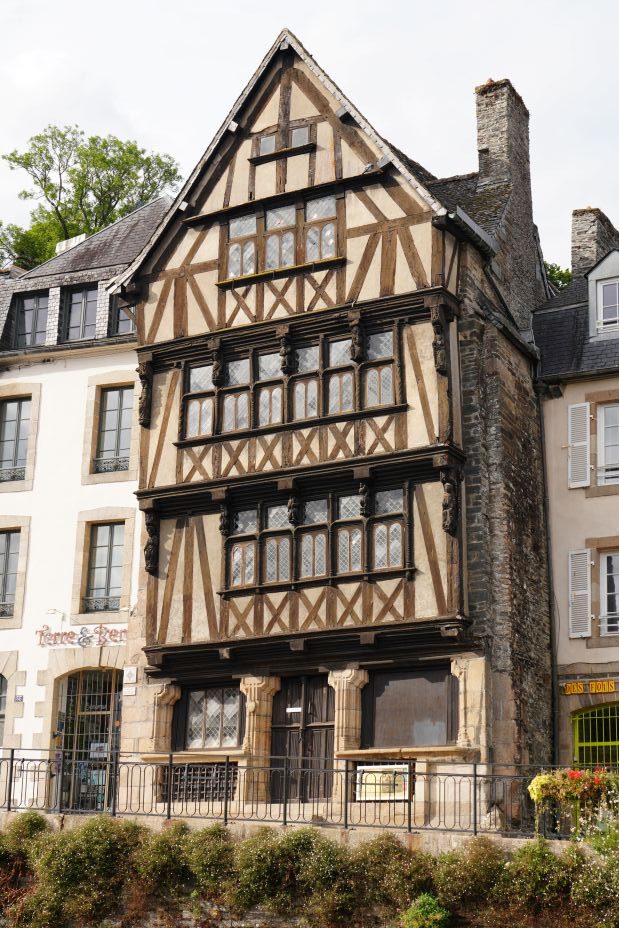
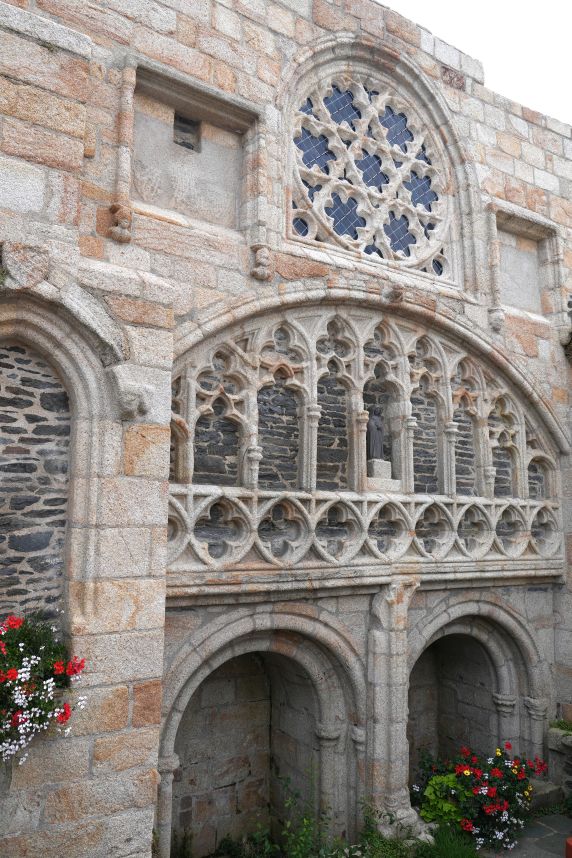
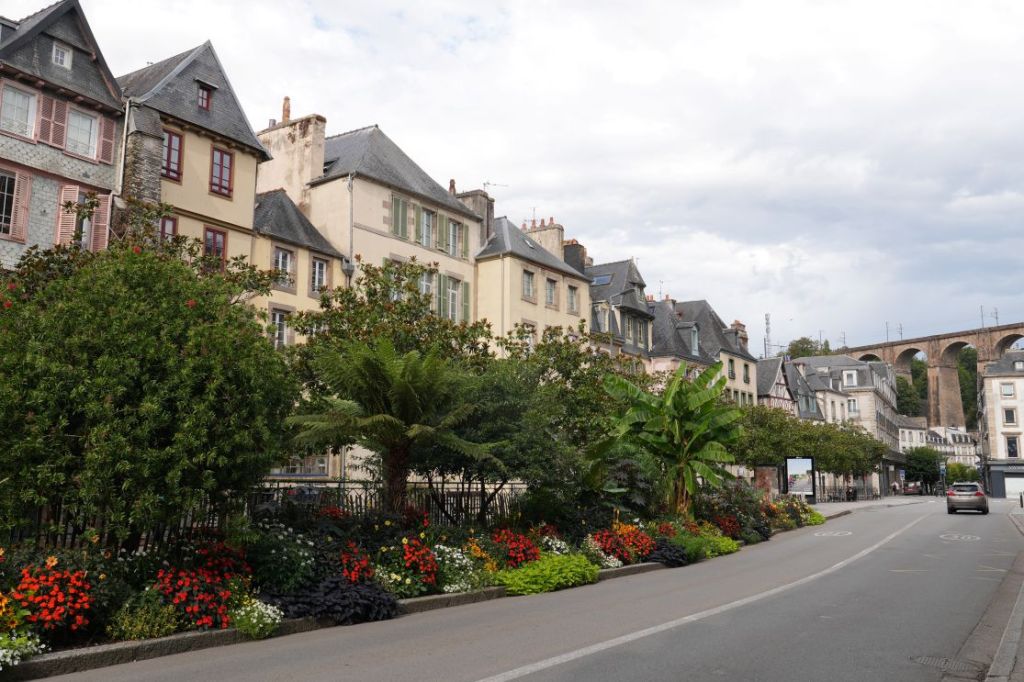
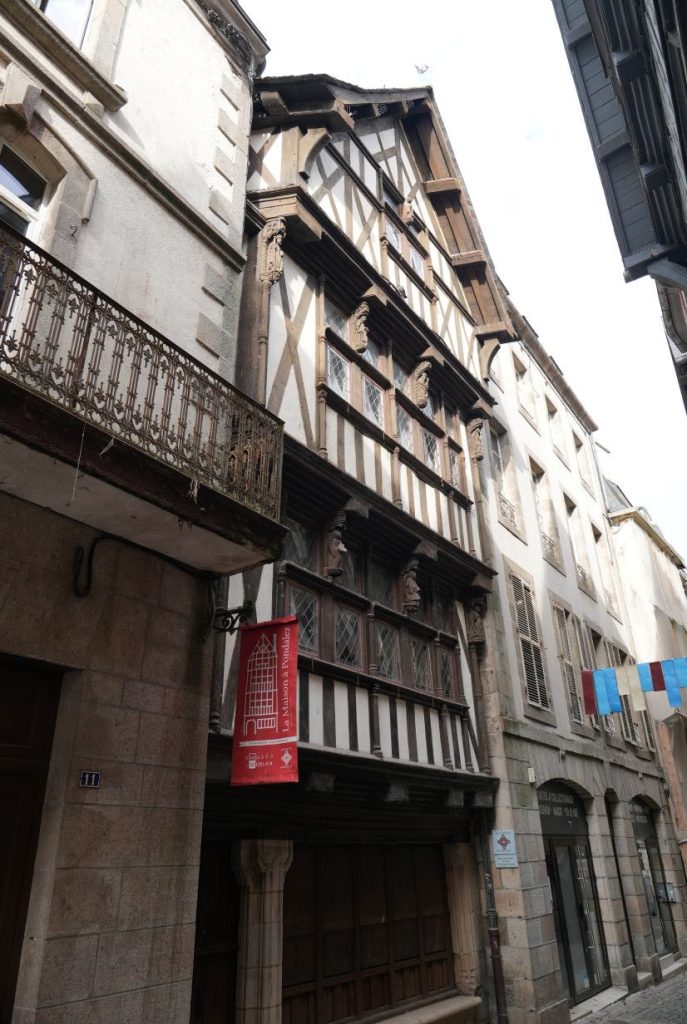
In many of the photos on the city of Morlaix’s website, the 19th century railway viaduct mentioned above features prominently since it’s a centerpoint of downtown. In our wanderings around the cobblestone streets we walked by the 15th century halftimbered house La Maison de la Duchesse Anne, the 16th century La Maison à Pondalez, and a manor house from the same period, Maison Penanault (photos below). Although the nearby port is now filled with pleasure boats, it once brought prosperity to the town by transporting linen and privateering—that I think of as authorized piracy by the king.
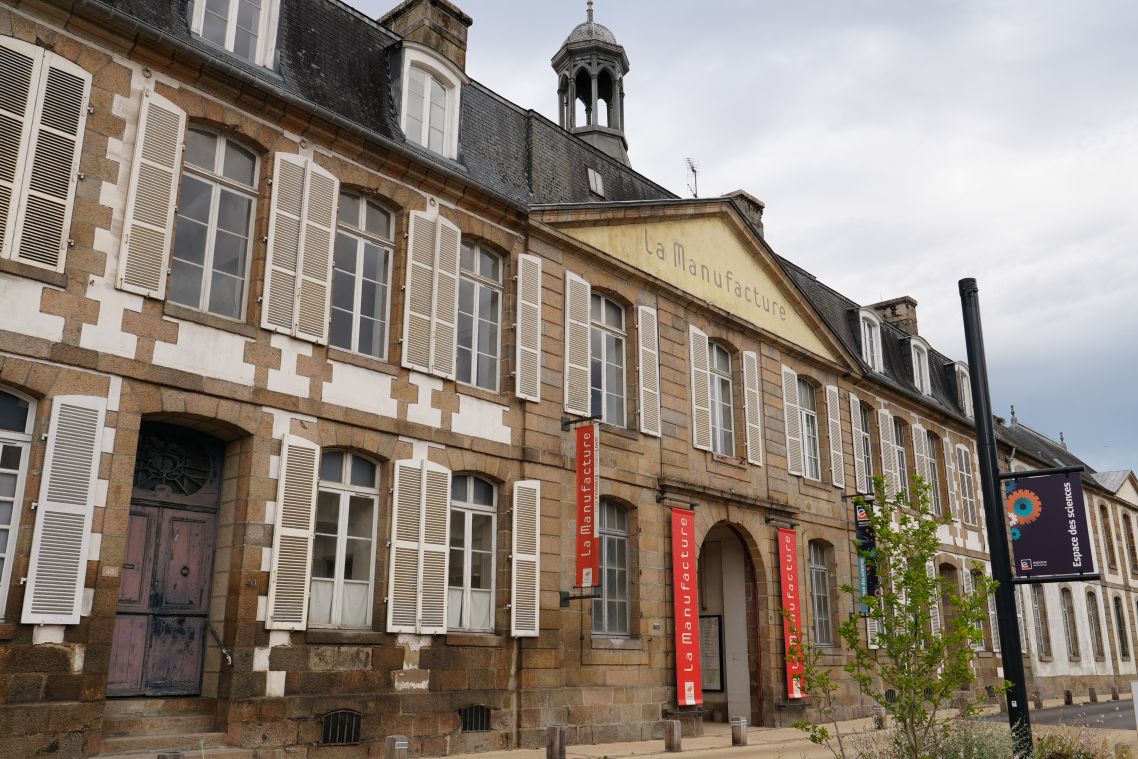
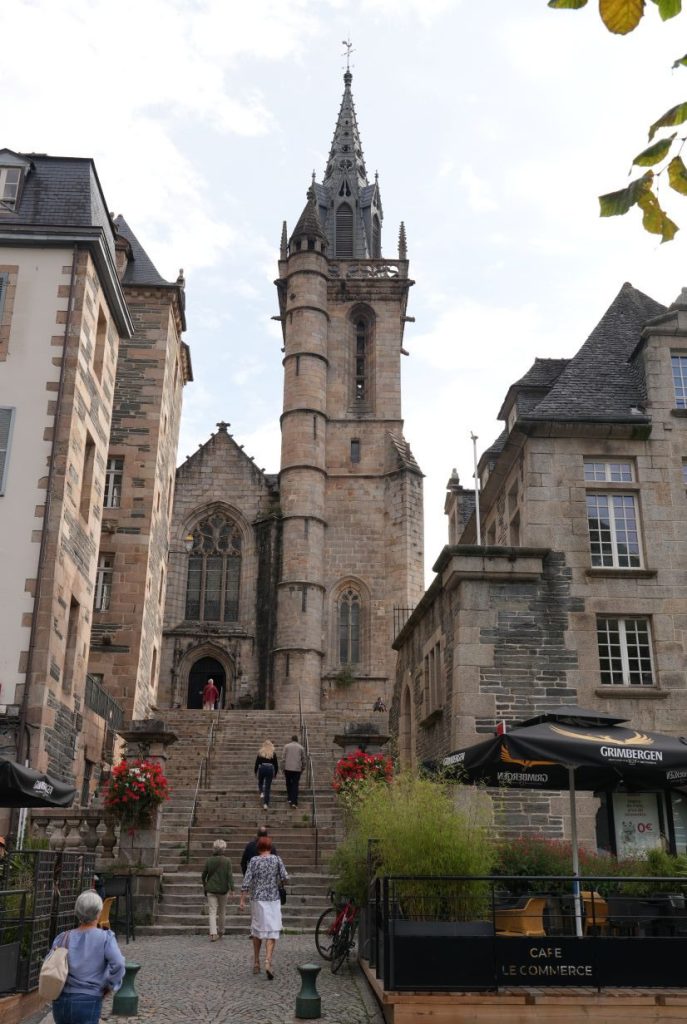
Although the city offers three different self-guided walking maps to guide you through its various neighborhoods, we preferred a more relaxed approach, simply following the central river to uncover more of the town’s highlights. Our casual stroll brought us past La Manufacture des Tabacs, a sprawling tobacco factory opened in 1740 by the king’s architect, François Blondel. We also found ourselves back in the shadow of the viaduct at the 15th-century Eglise Saint-Melaine. Right beside it is Rue Ange de Guernisac, a historic street from the same era that is now alive with local artists and artisan shops. Continuing our journey backward through time, we tracked down La Fontaine des Carmélites—a water source tracing its history to a chapel built in 1390—before finally spotting remnants of the original 13th-century fortified stone walls on Rue de l’Hospice, the oldest structures we found.
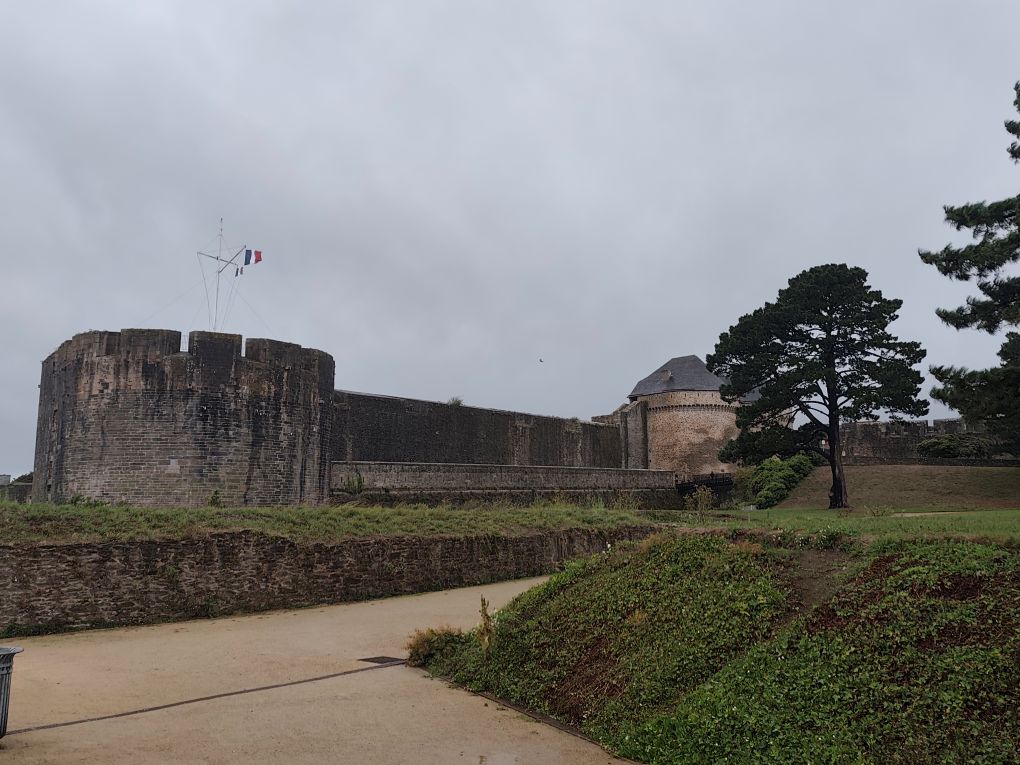
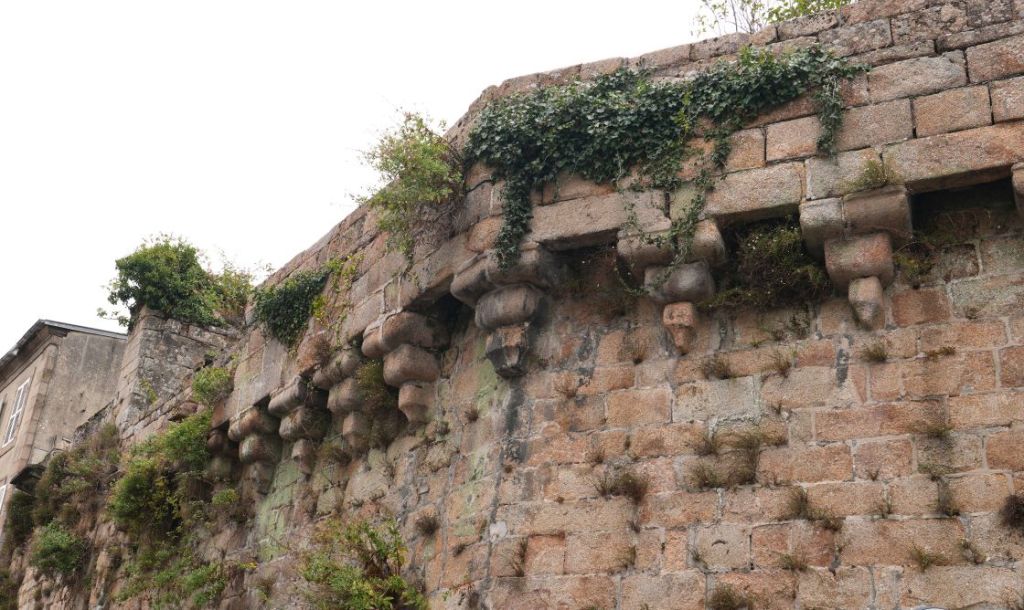
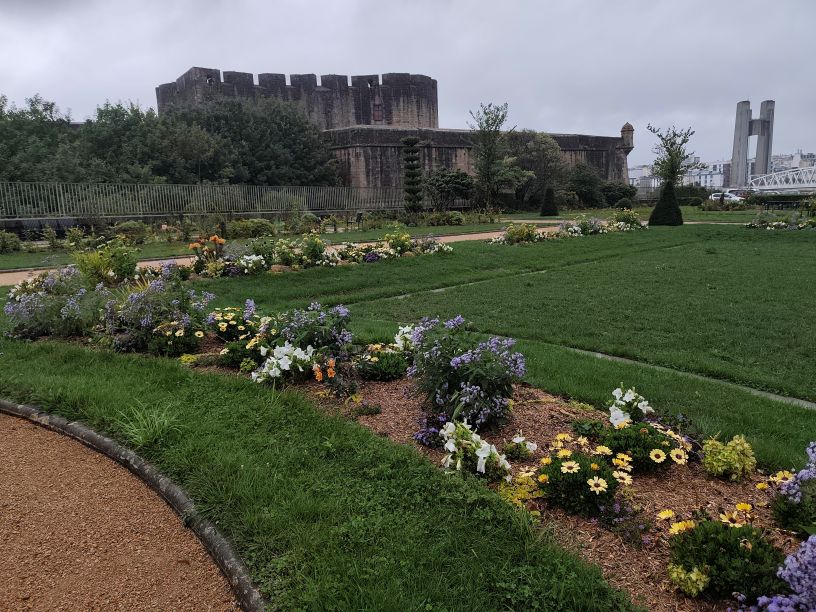
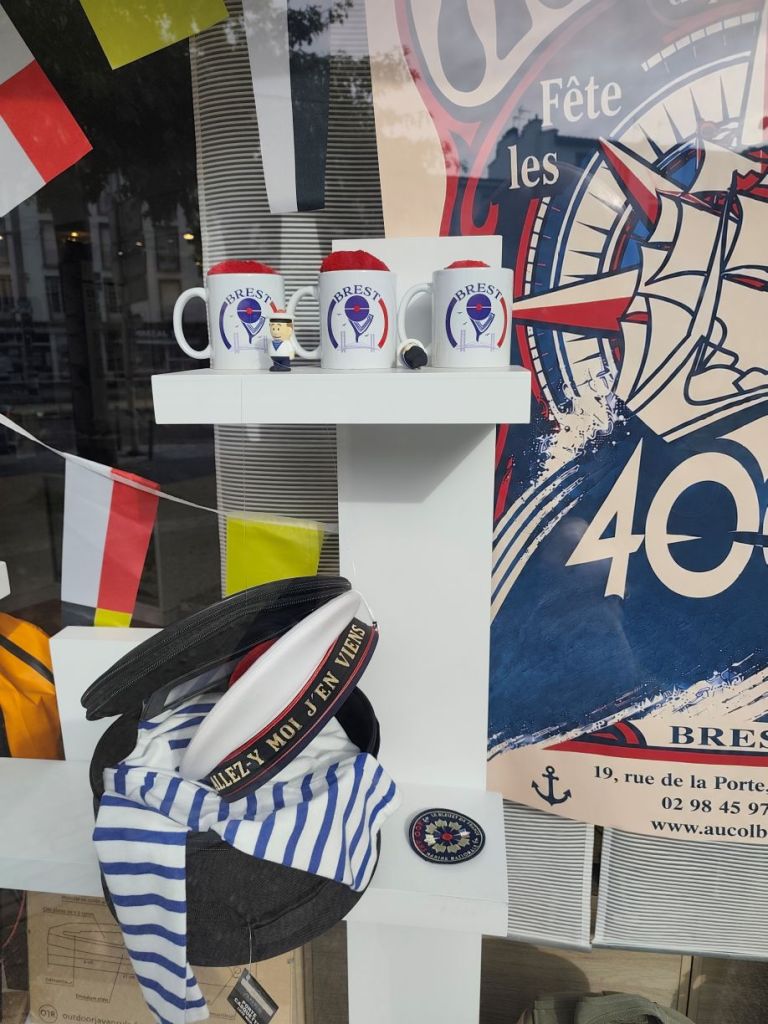
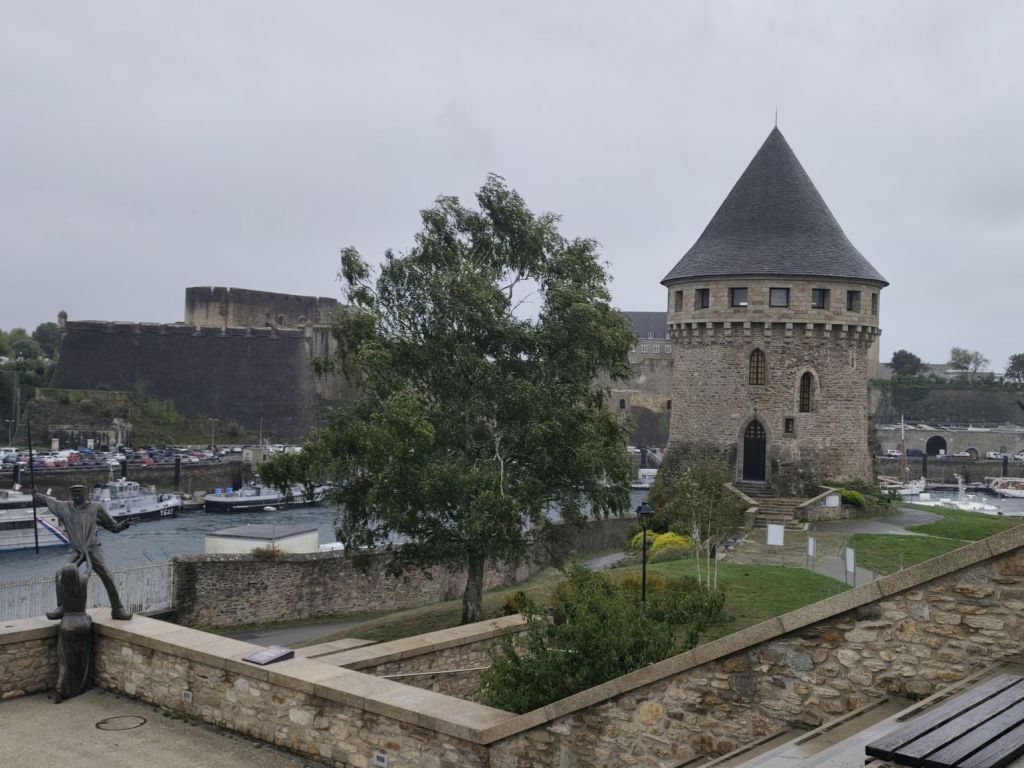
The next day we were back on a train but for only 45 minutes west to Brest, a city that historians estimate was up to 90% destroyed during WWII. Knowing that most of what we were going to see would be modern, we made a treasure hunt out of the few remaining historical structures. The Château de Brest, the oldest structure in the city, started life as a 3rd century Roman fort, and today houses the National Maritime Museum that showcases the area’s deepest heritage, the French Navy.
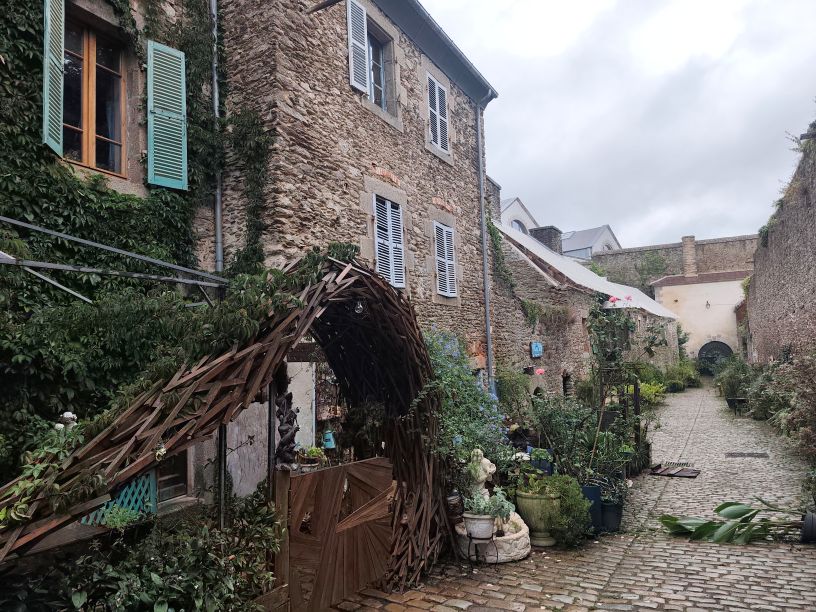
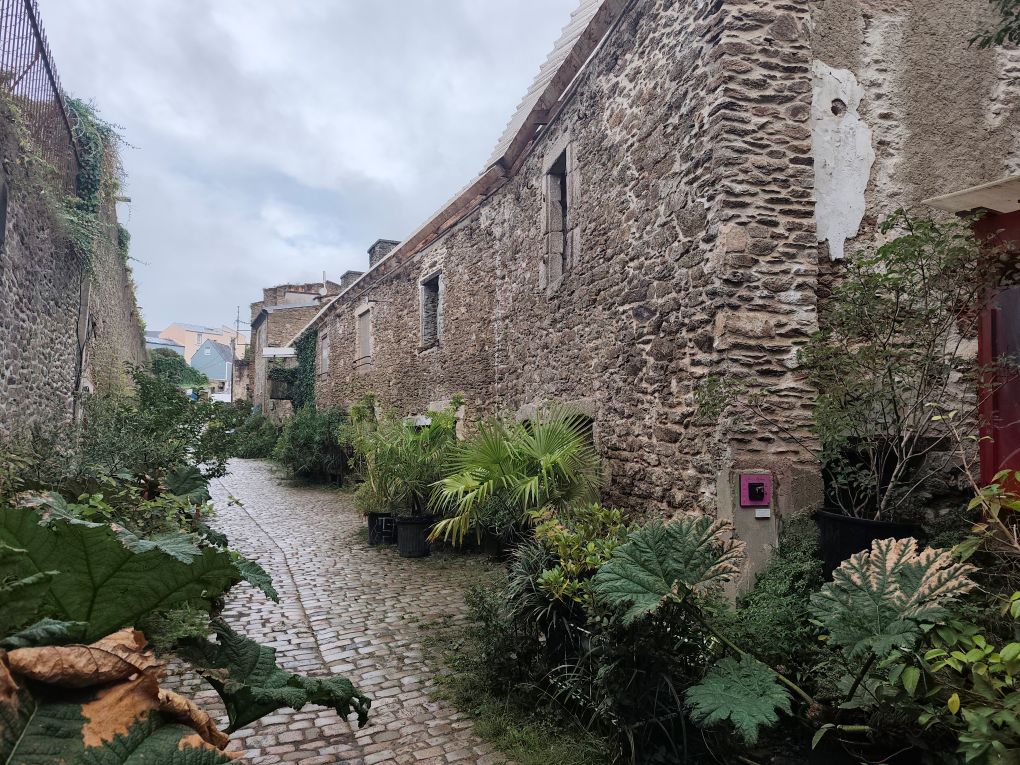
Across the river we visited the 14th century medieval watchtower, Tour Tanguy. The museum inside gives you an idea of what Brest looked like prior to the war’s near-total devastation. On that same side of the river, we walked the cobblestones of the only street that at least partially escaped the bombs. The stone houses on rue Saint-Malo date from 1690 and were originally built for shipyard workers, with 6 people living in a space of 30 m², about the size of a hotel room today. With our treasure hunt complete, it was time for lunch and the obvious choice this close to the ocean was the fresh catch of the day.
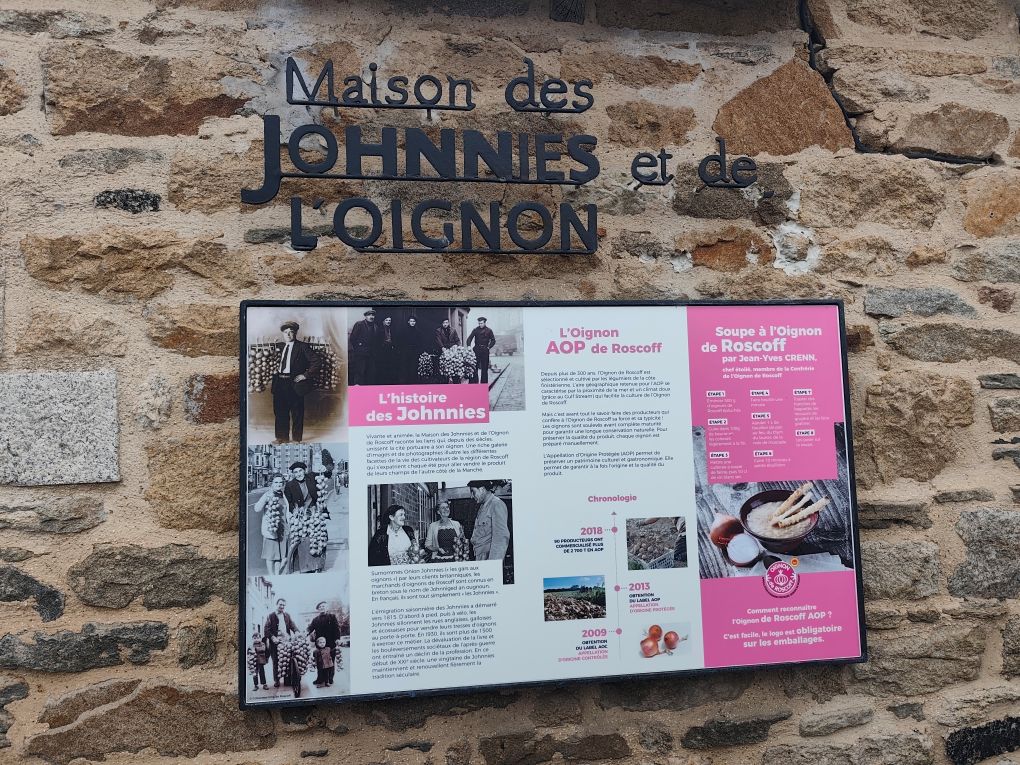
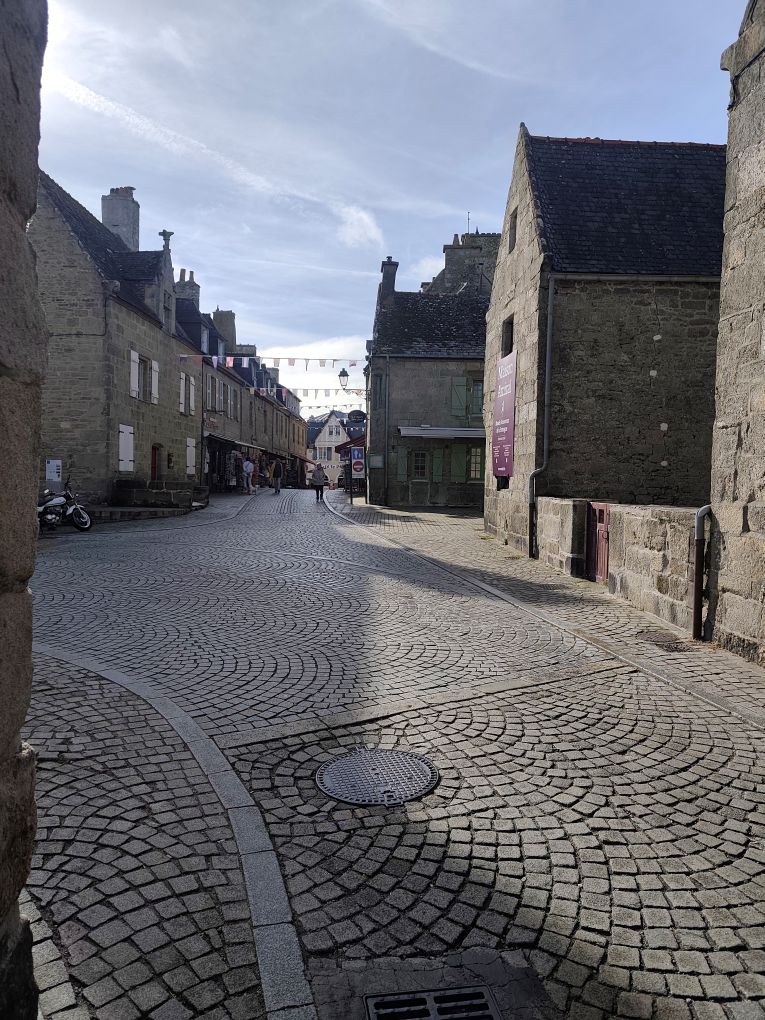
There’s been a train station in Roscoff since 1883 but that closed in 2019 so our journey from Morlaix ended at the seaside bus stop instead, making it the perfect starting point for our walking tour. We already knew of this north Brittany coast port for its connections to the UK where French onion sellers sailed across to sell their produce in England. The museum, Maison des Johnnies et de l’Oignon, highlights how this trade flourished for a century from the mid-1800s, when up to 1,400 “Johnnies” (a British nickname for these men often named Yann or Jean) would cross the Channel each summer.
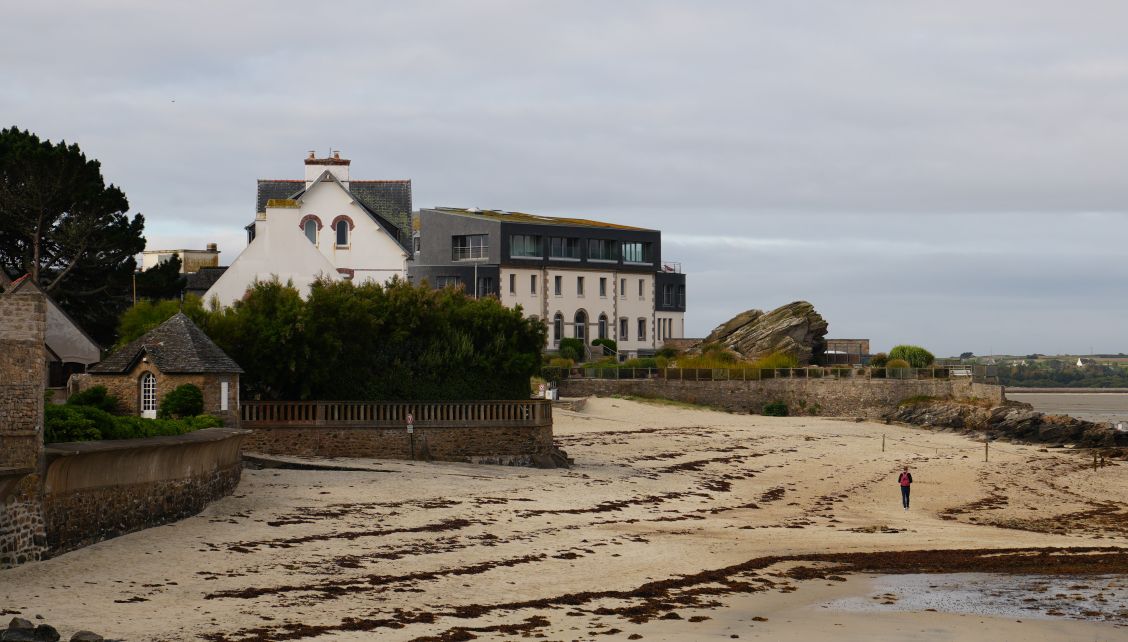
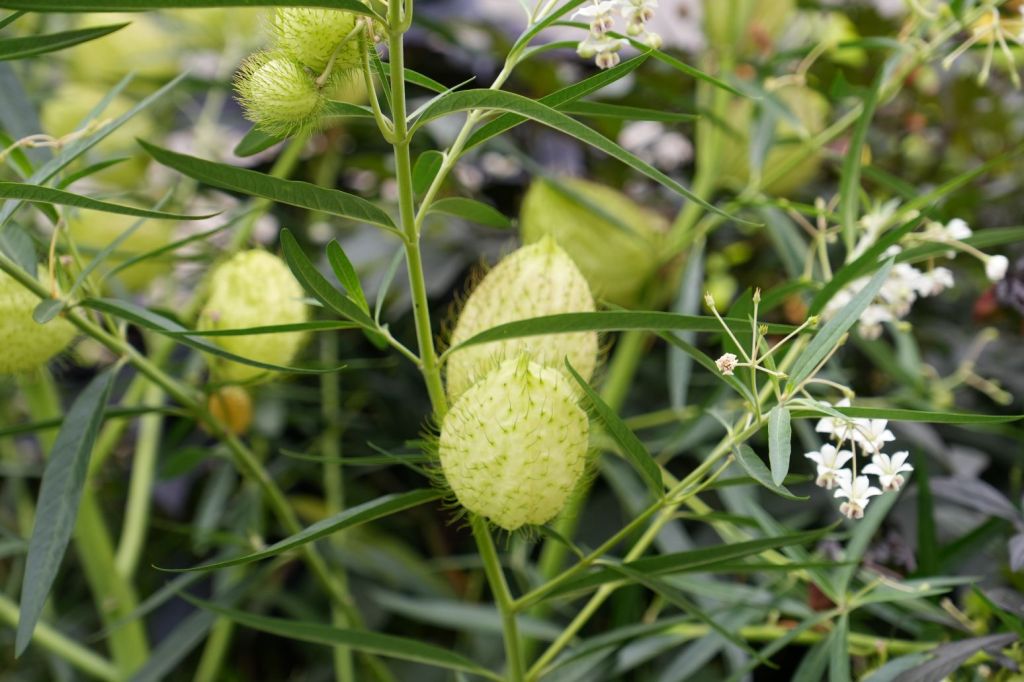
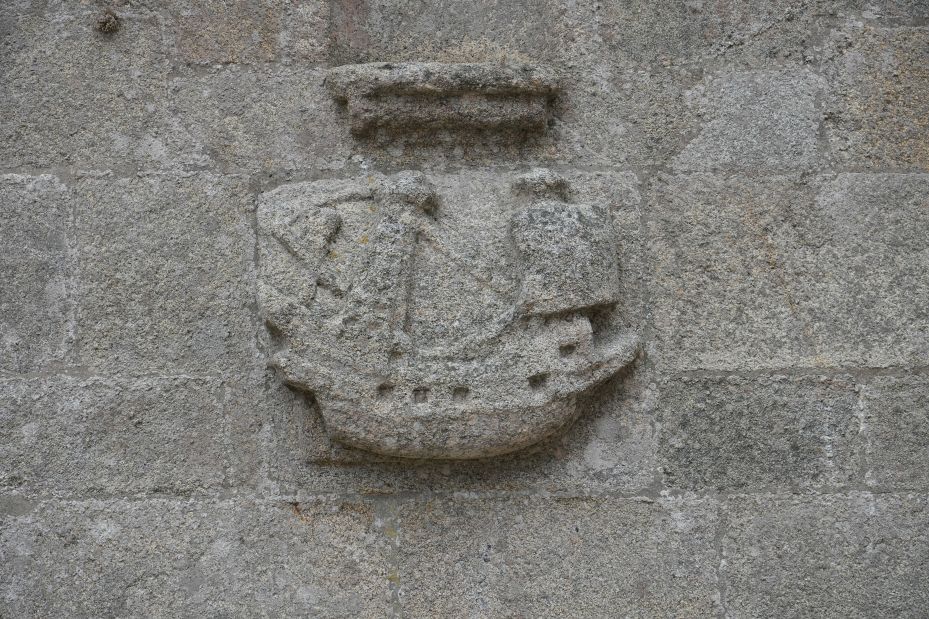
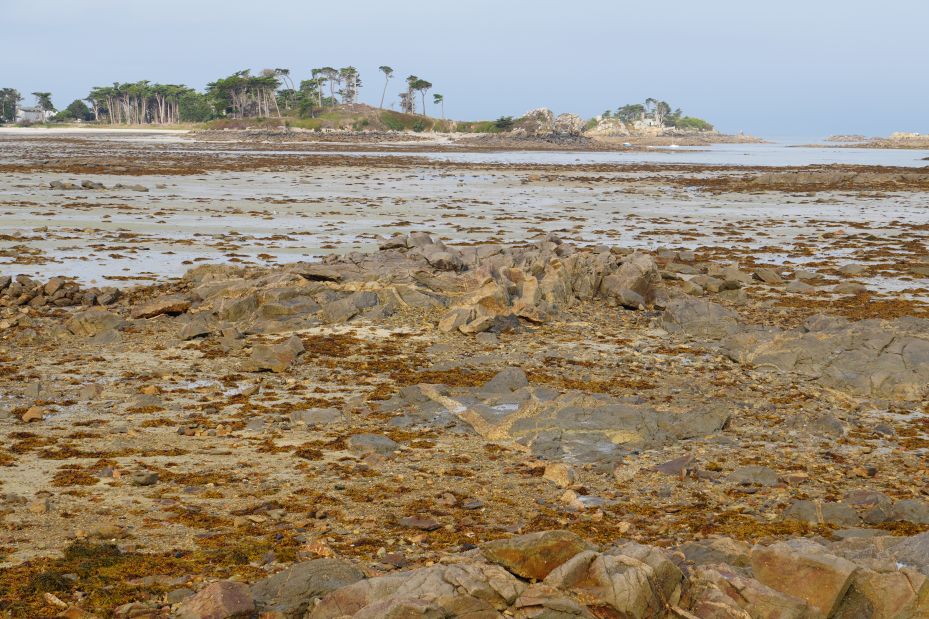
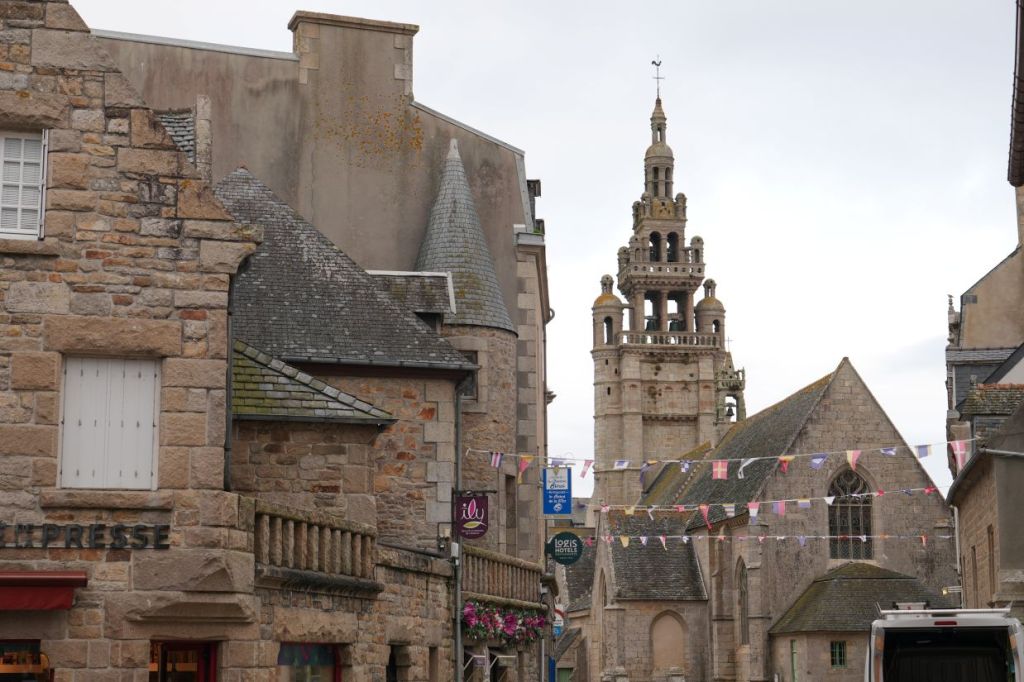
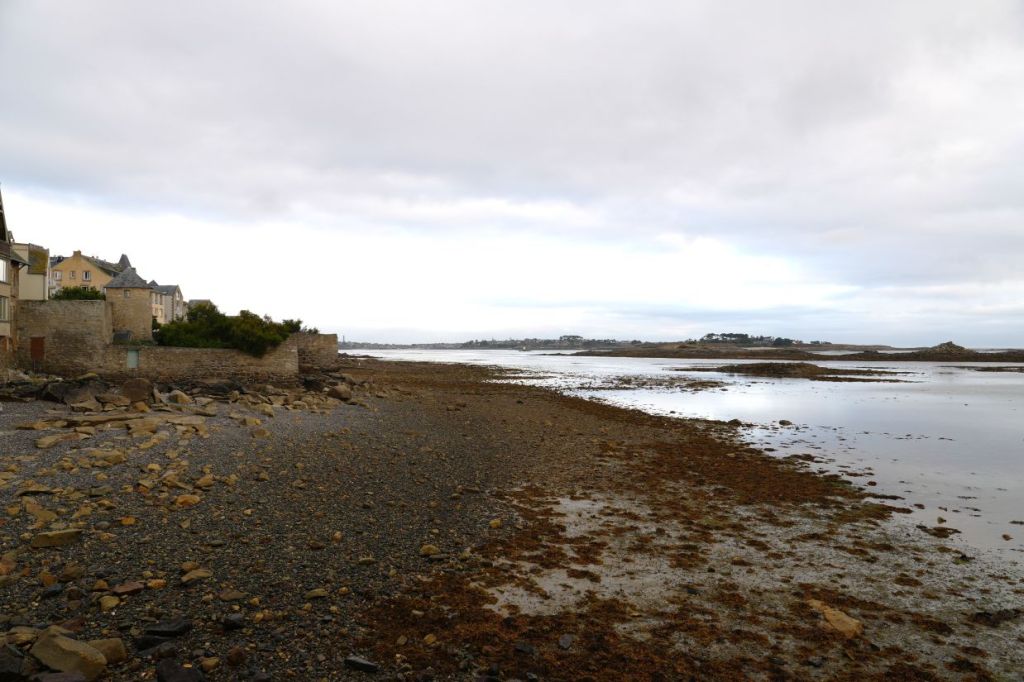
While we were content just to stroll along the seafront, the Tourist Office had other ideas for our visit. There was the Jardin Exotique & Botanique where tropical plants thrive in a mild climate shaped by the Gulf Stream, and the Église Notre-Dame de Croaz-Batz, a 16th-century church with stone carvings of ships and cannons on its exterior walls. With a view out to the Island of Batz, we finished off our morning at Rockroum Beach where Thalassotherapy—seawater spa treatment—got its start in 1899. Lunch? Everything onion, of course, plus crab and lobster but we said “non, merci” to the seaweed. We had to save room for a crêpe for dessert!
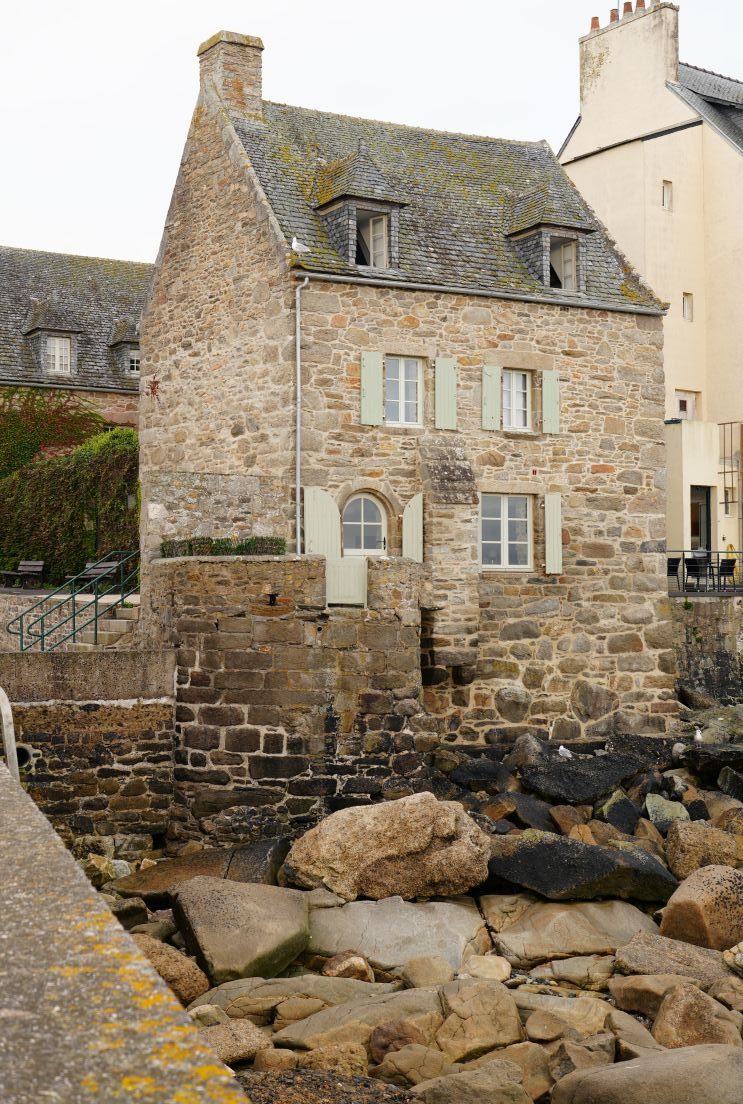
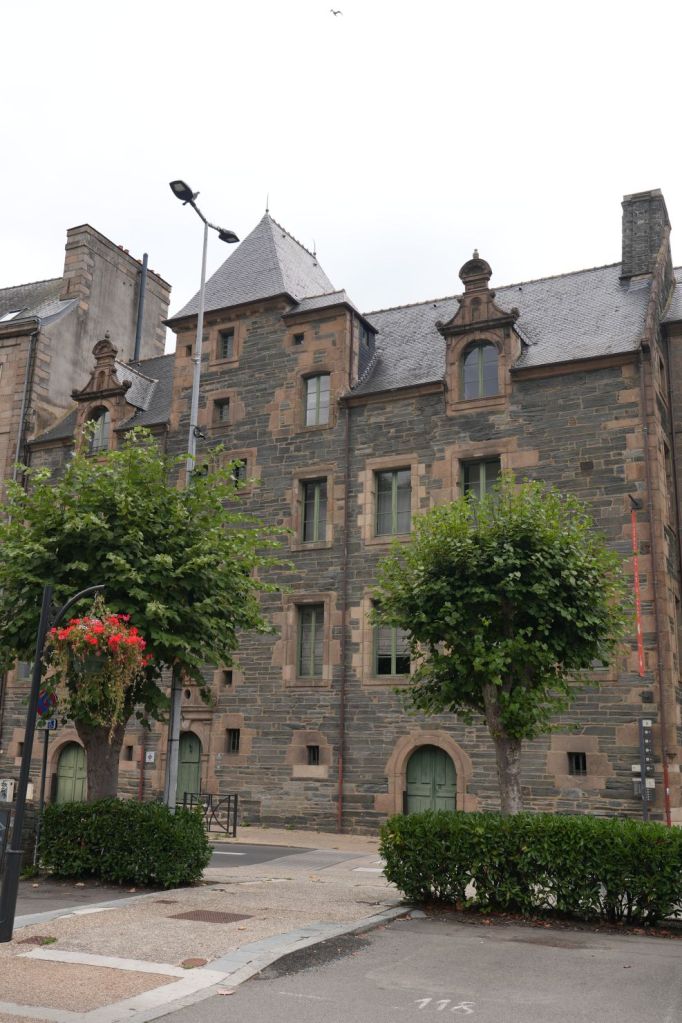
Photo notes: At the top is the Morlaix railway viaduct and in the first paragraph is a typical stone house in Roscoff.


What a delightful spot.
LikeLiked by 1 person
Wow, that part of France is very interesting and your pictures are great! I’ll have to put these on my “to see” list for a visit in the near future.
Cherri
LikeLiked by 2 people
Cherri, thank you. Now you know why we’ve been in that part of the country 4 times.
LikeLike
Once again, great pics!
LikeLiked by 2 people
Thanks, Wendy! It’s a team effort. I carry a list of shots to illustrate the stories and Bill finds the best viewpoints, After that, we can both be surprised by a scene that truly gives the flavor of a location.
LikeLiked by 1 person