Look up! Look up, up, up! If you learned to read around the same time that Bill and I did, those words probably brought back cherished memories of the fascinating adventures (to a 6-year-old, anyway) of Dick and Jane, Baby Sally, and their dog and cat, Spot and Puff. While at that point we would have been clearly looking down at the book, the story line of “looking up” would come in very handy years later. Tying into that theme, the original title of today’s blog post was going to be “Hidden Carcassonne” to indicate that we had been missing a lot by concentrating only at eye level and not raising our sights, so to speak. The city’s Office of Tourism’s newest brochure highlights what has been hiding right above our heads.
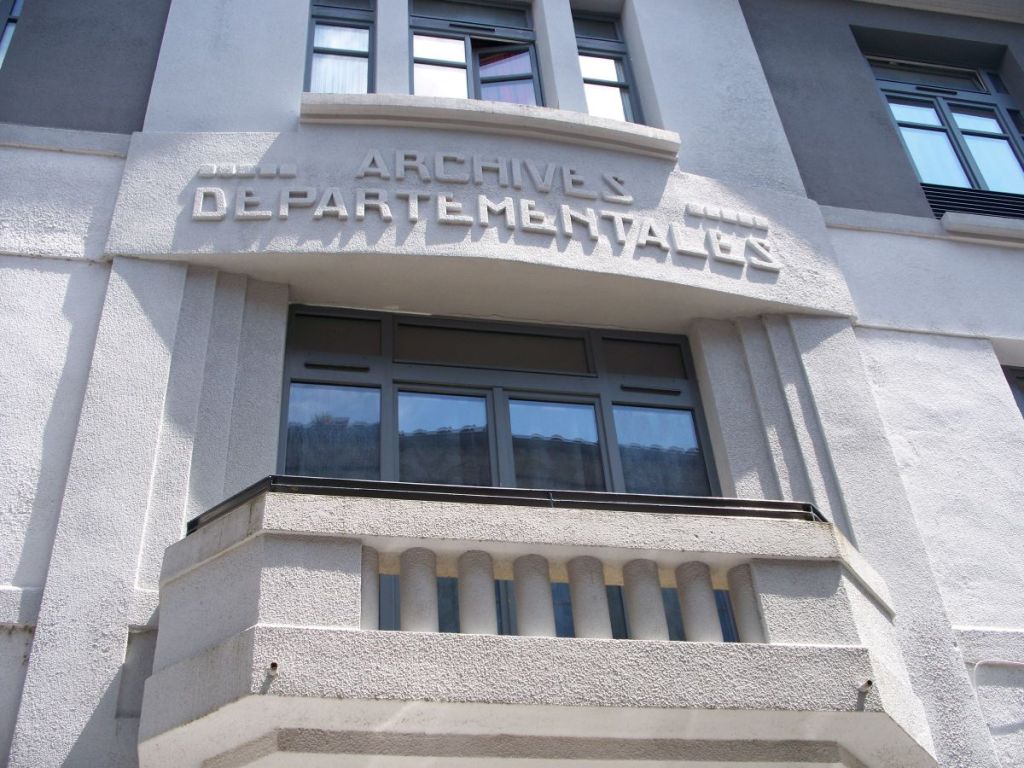
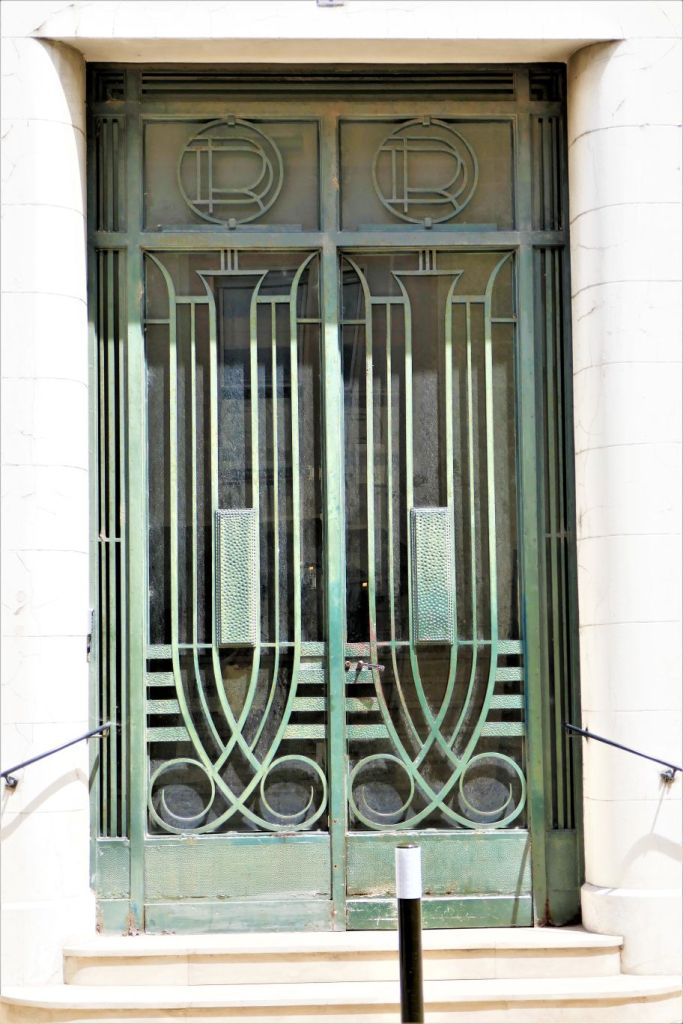
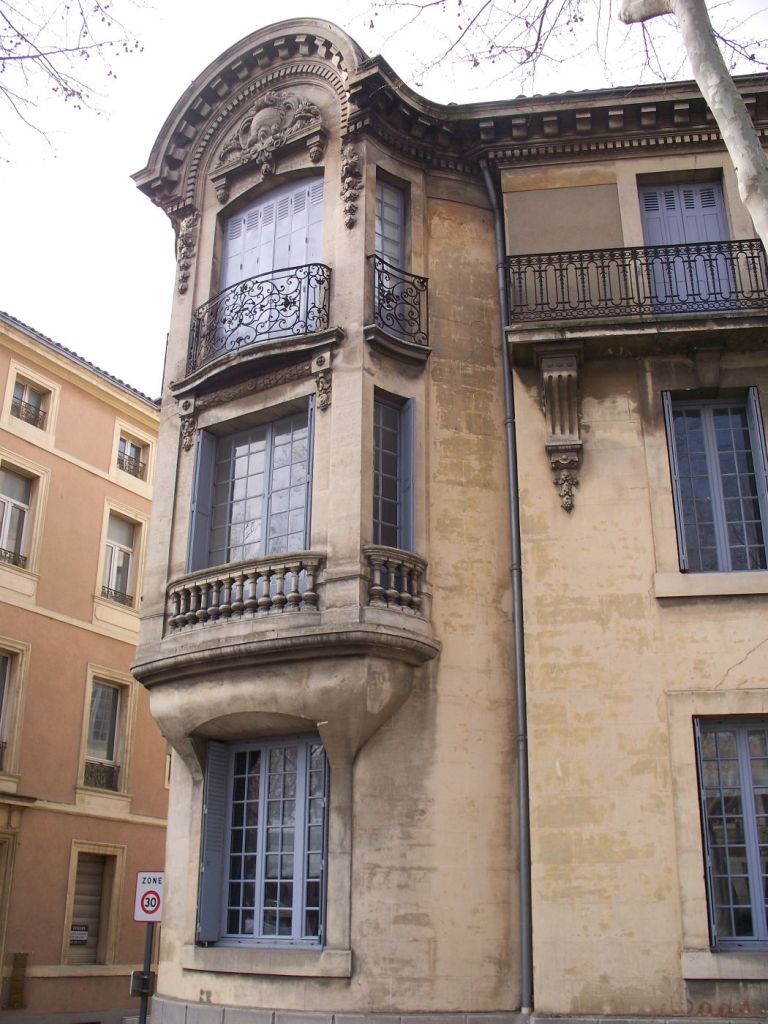
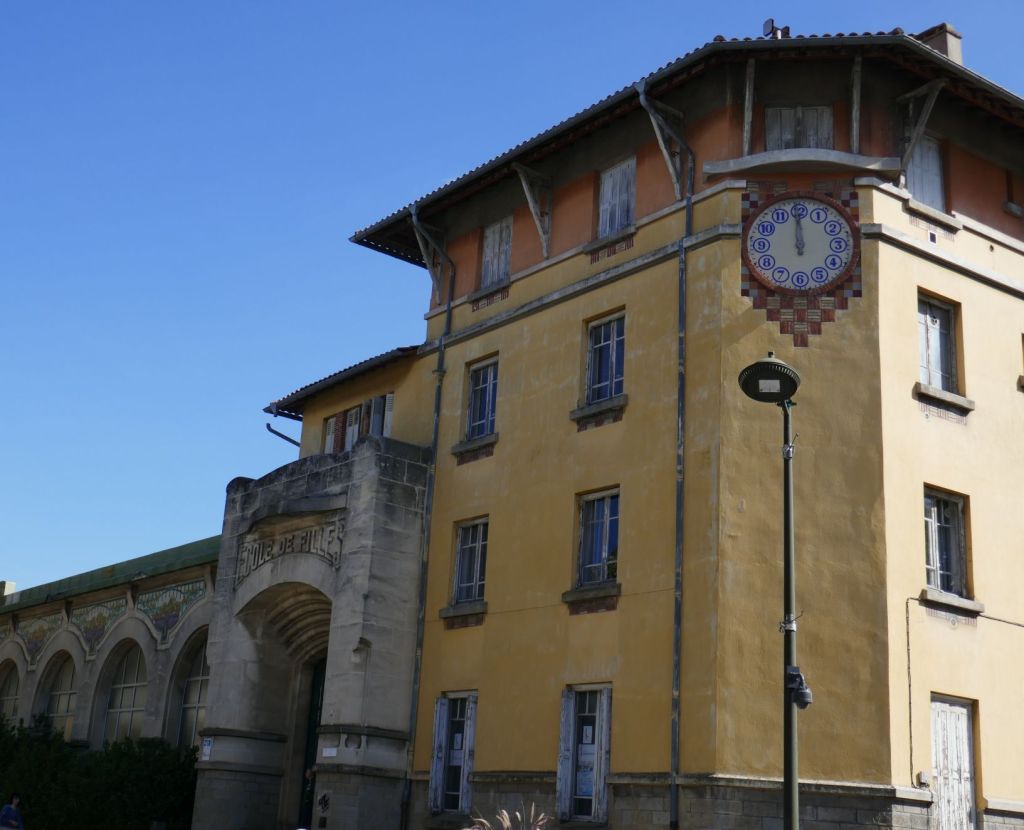
Entitled, Parcours Art Nouveau/Art Déco, this self-guided walking tour of the lower town takes you past more than a dozen examples of the two art forms. As a reminder, Art Nouveau (approximately 1890 to 1910) emphasizes organic, flowing lines and natural forms, often inspired by plants and curves, while Art Déco (generally 1920s and 1930s) favors sleek, geometric shapes, symmetry, and luxurious modern materials, reflecting the industrial age and a sense of opulence.
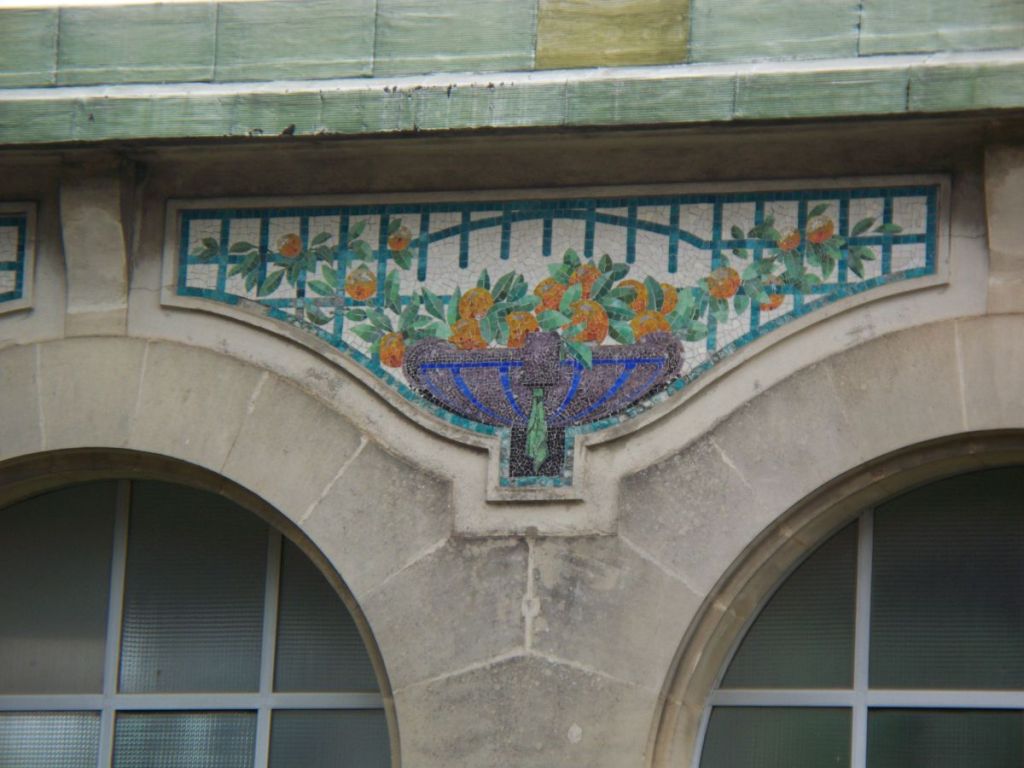
While more information is available on each building in the brochure (pdf below) here are a few that we find especially interesting in the category of Art Nouveau:
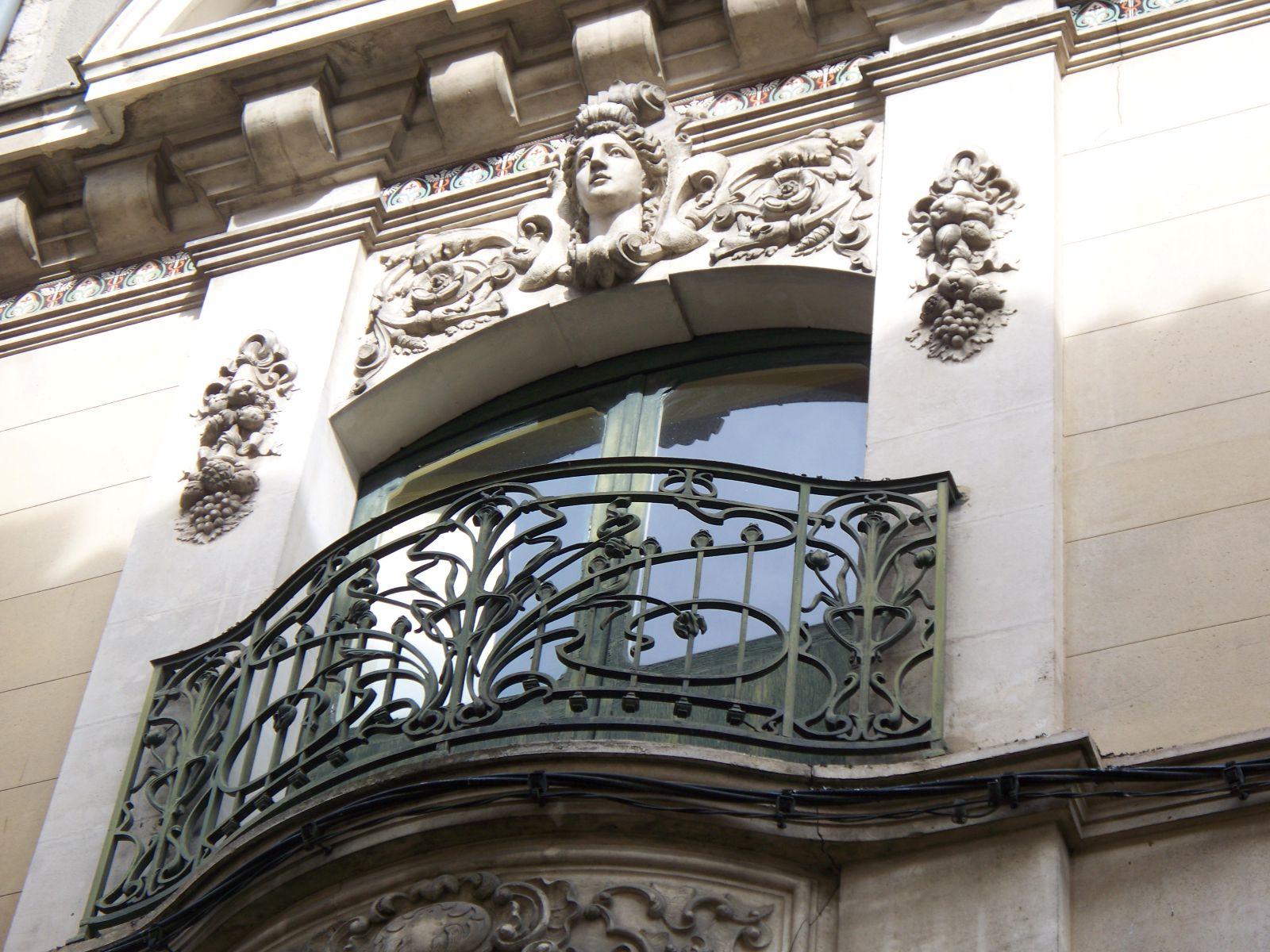
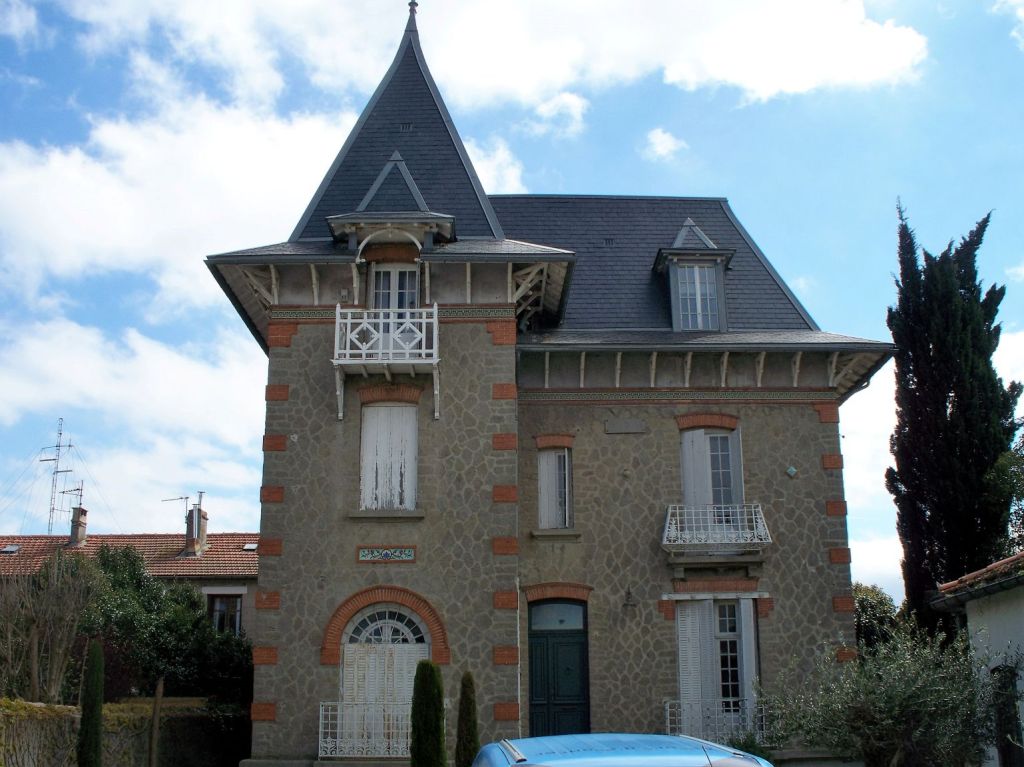
La Maison de l’Ambassadeur, built in the 18th century but given a new facade in 1910 to fit the style then in fashion. It was the home of the French ambassador to Finland and is now a bed and breakfast.
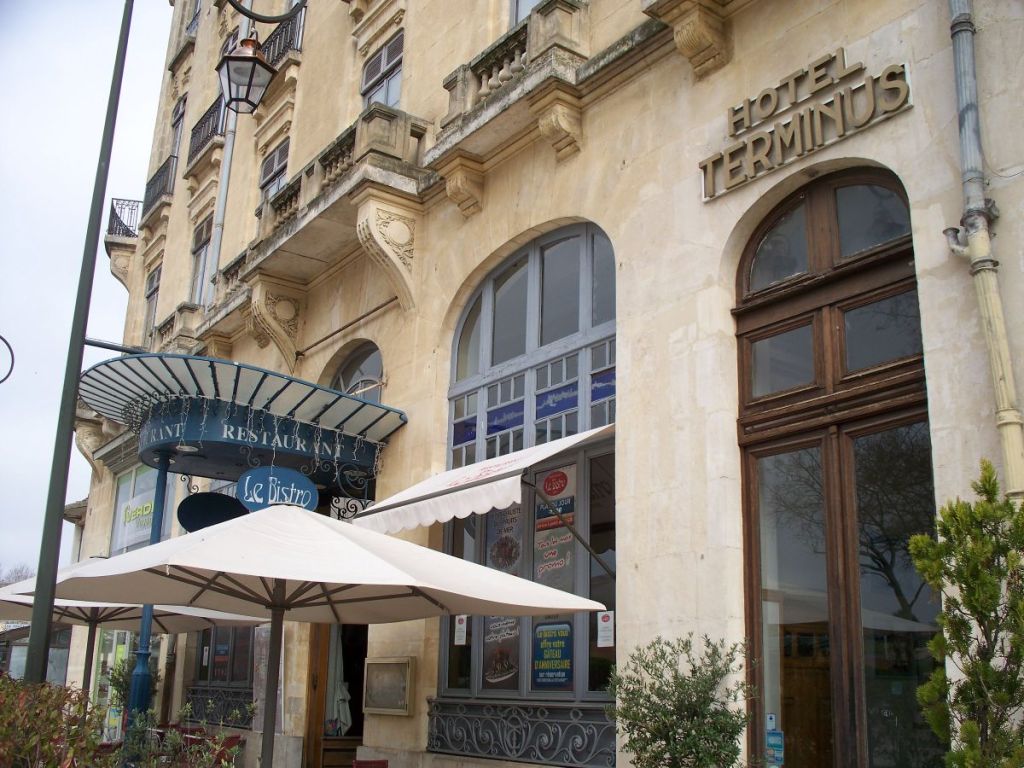
Railroad hotel Terminus, built in 1912 to accommodate the influx of passengers from the nearby train station and from the Canal-du-Midi. It’s now Les Jardins d’Arcadie, an apartment building especially popular with seniors.
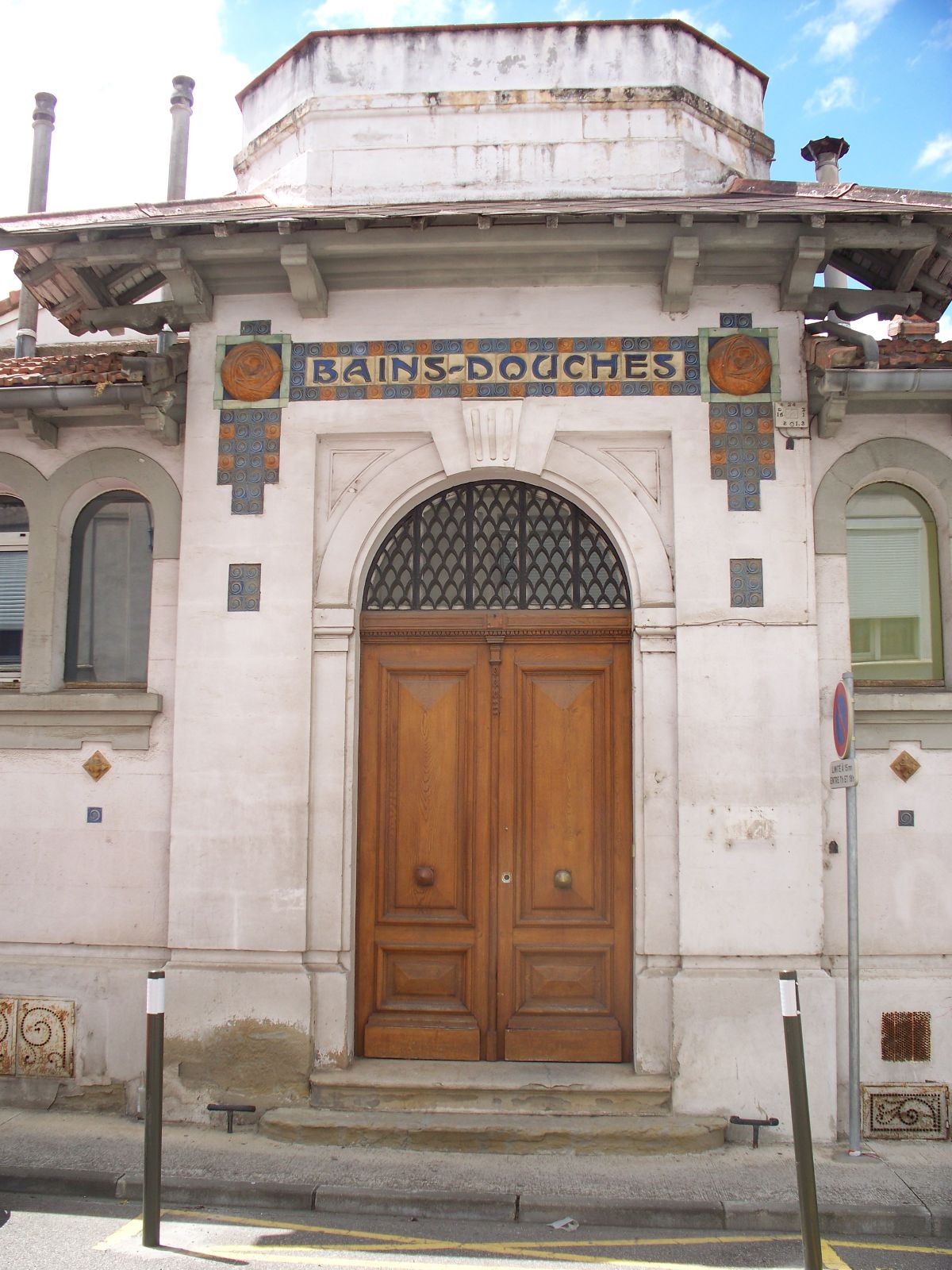
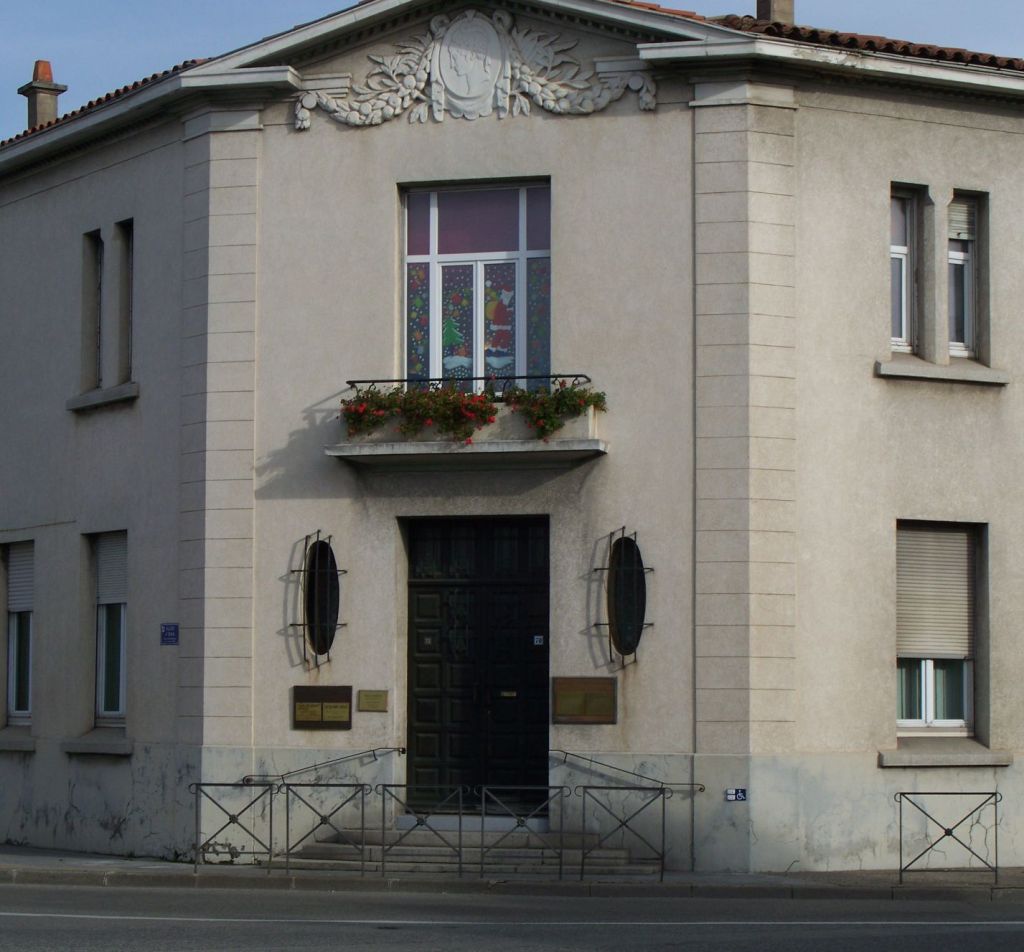
Les Bains-Douches, built in 1910 to provide bathing facilities to those who did not have running water at home. It’s currently being used as a day care center.
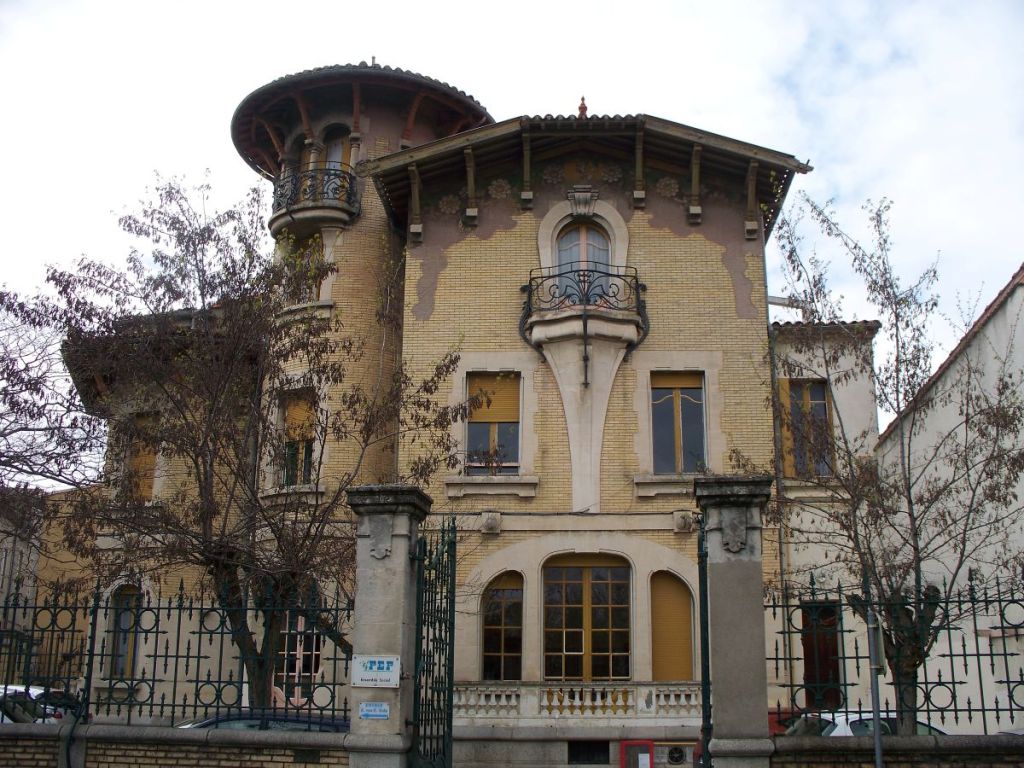
La Maison Lamourelle, built around 1911 for the Lamourelle family who made their fortune by recycling used textiles. It now provides residence and exhibition space for artists.
In the area of Art Déco:
École Jean Jaurès, from 1924 when they stressed geometric forms, strong lines, and symmetry. It still serves elementary children today.
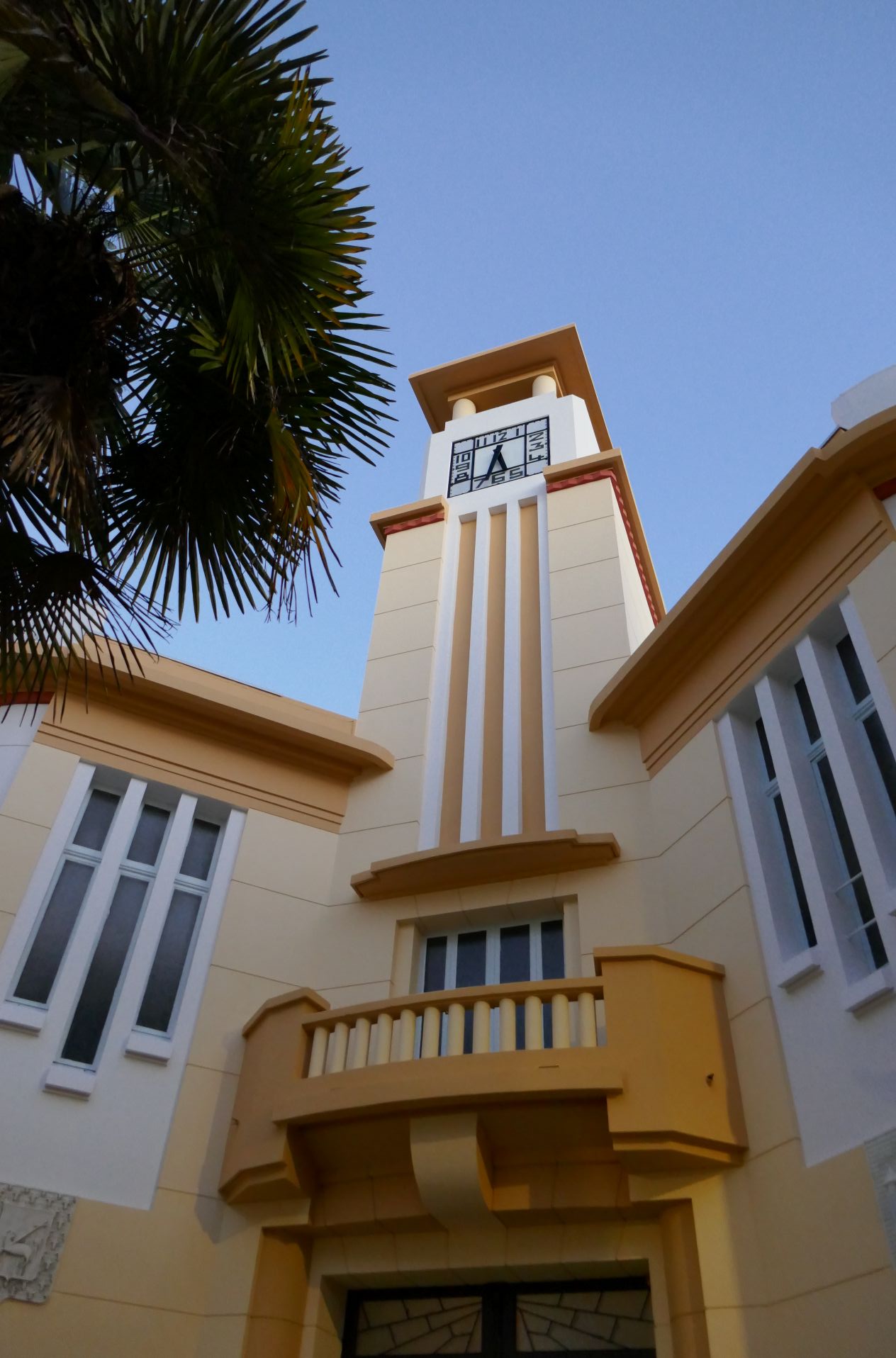
Ancien Hôtel de Ville, the former town hall from 1936 that’s now used for city council meetings and wedding ceremonies.
We walk by at least some of these buildings almost every day (more photos below) and now we generally remember to look up and admire their beauty. Here’s hoping that your day is “looking up”!
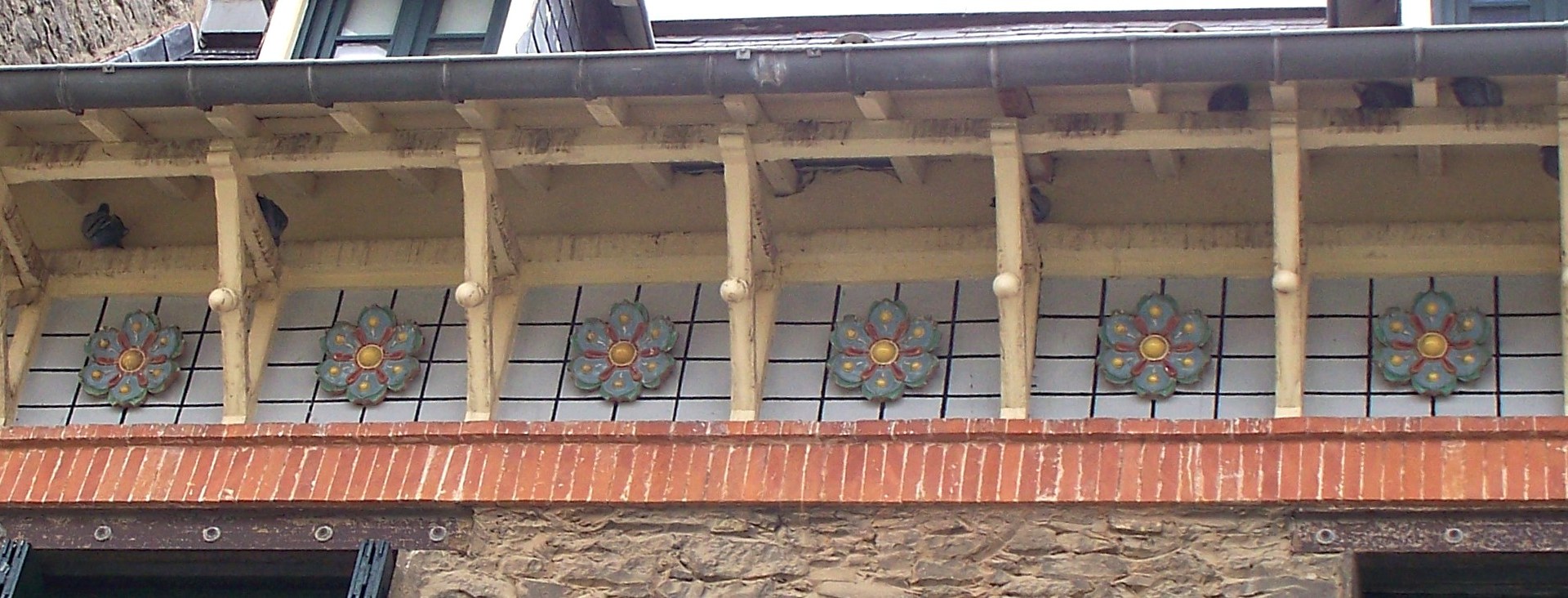
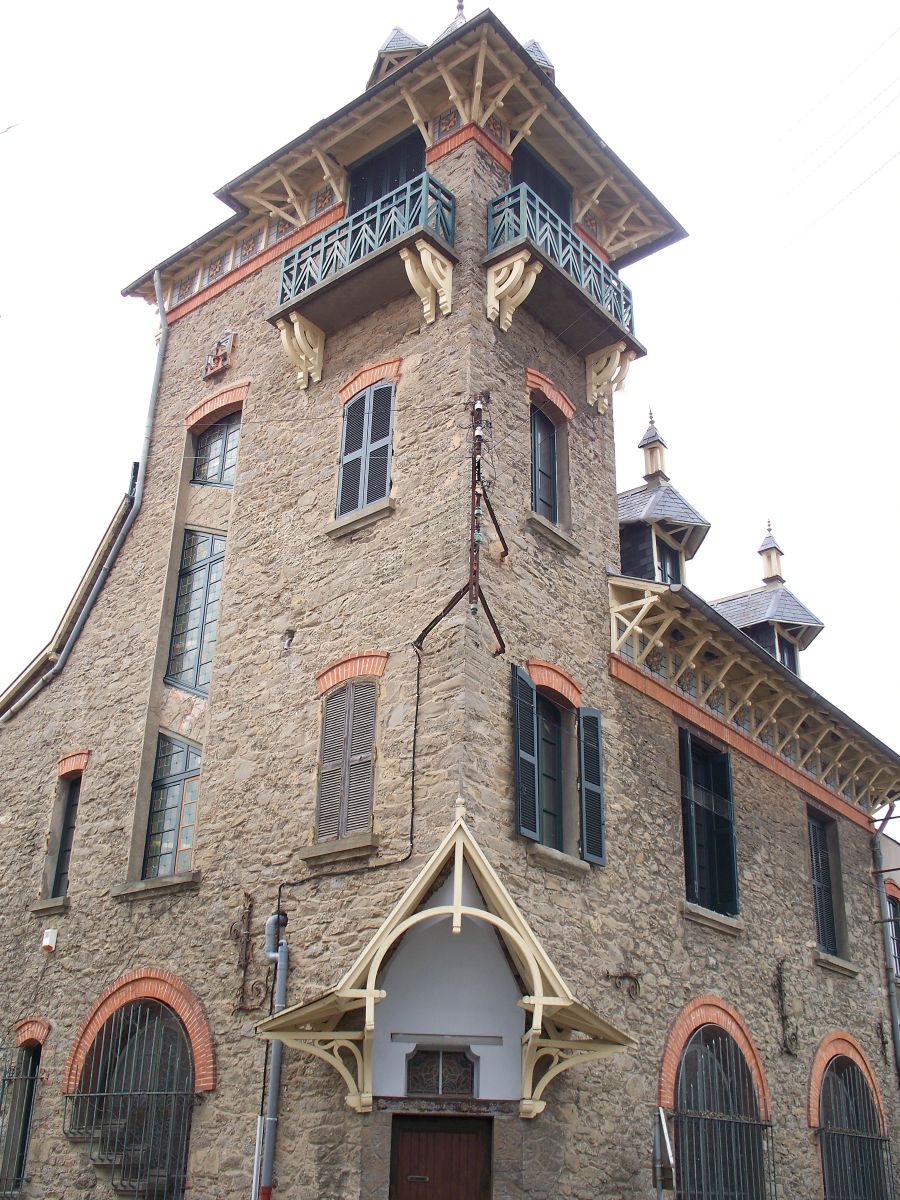
Photo note: The featured photo across the top of today’s post shows the details of the Art Nouveau work at the roofline of Maison Laborde. More of the house can be seen in the first paragraph.
Nostalgic note: Dedicated to that first year of reading is the book: Growing Up with Dick and Jane: Learning and Living the American Dream by Carole Kismaric “where night never comes, knees never scrape, parents never yell and the fun never stops.”
Pdf of the brochure Parcours Art Nouveau/Art Déco