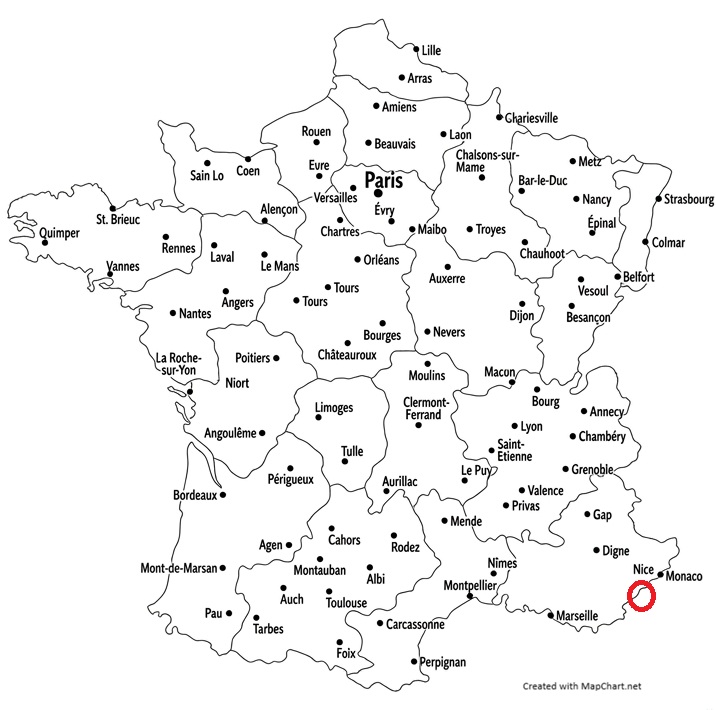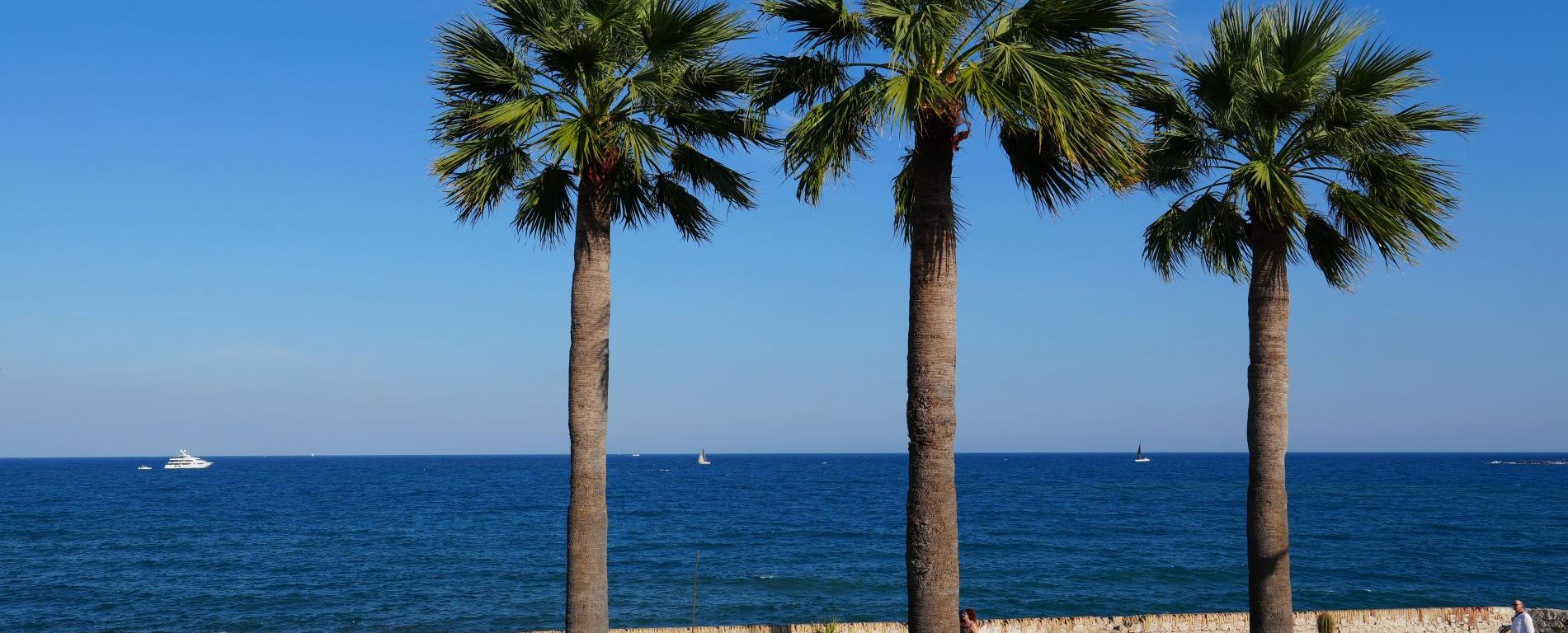
When we were looking for a place to call “home” in France, we had a spreadsheet that included must-have items such as, “train station, market town, supermarkets, seaside…” As often happens, compromises are made, so “must-have” turned into “nice-to-have” for that waterfront location. Carcassonne does have a river and a canal but we’re still 50 km (31 miles) from the sea. Consequently, when we have the opportunity to vacation on the coast, Bill tries to find an accommodation that provides that outlook that we sought for our house. Today’s featured photo above across the top shows you the view that he found. Not bad at all!
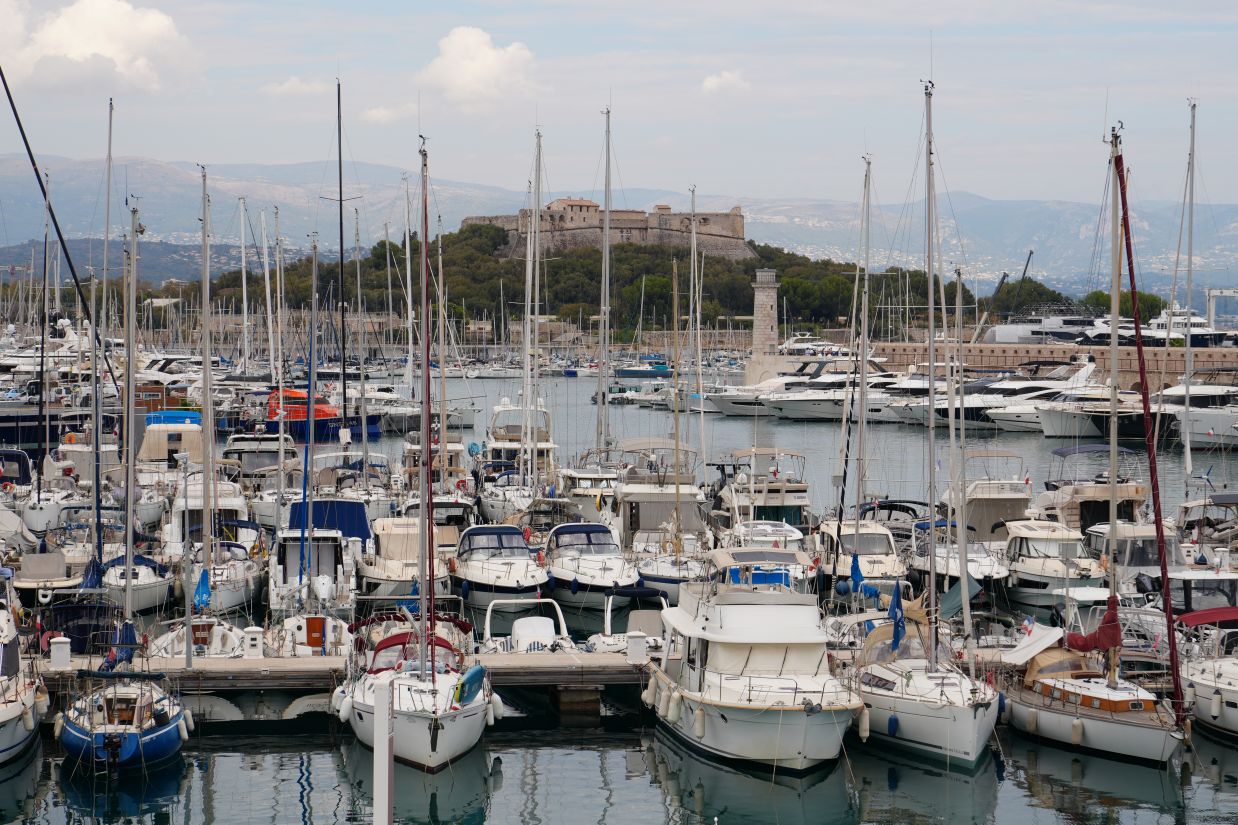
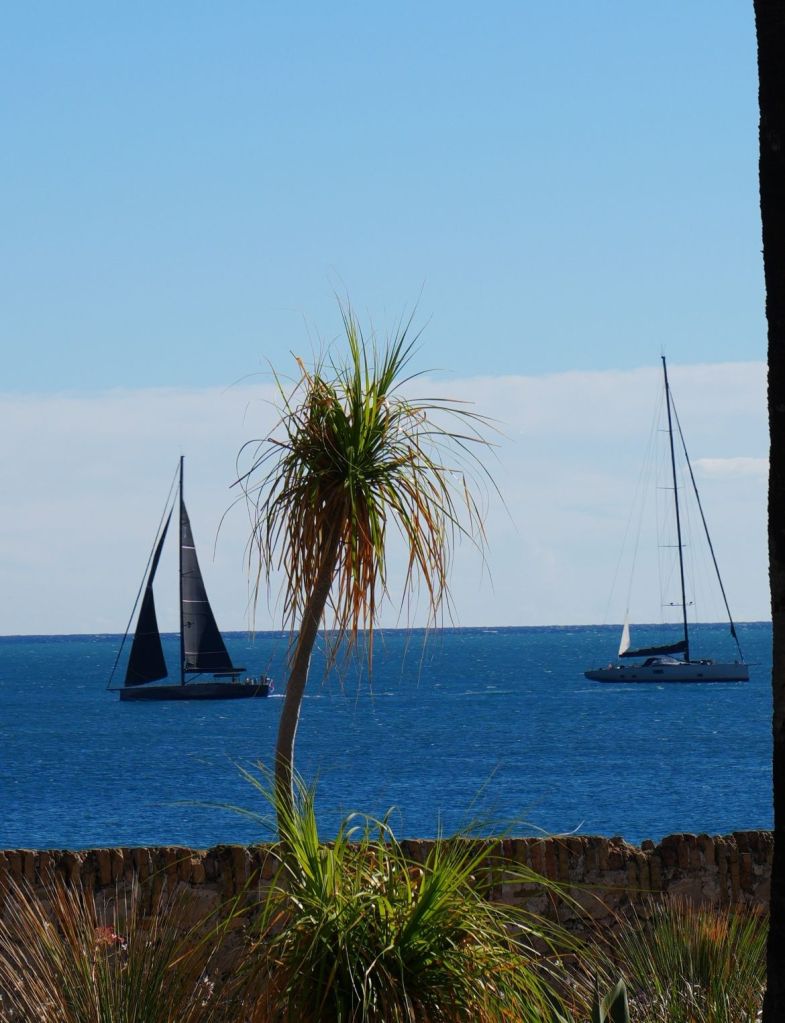
If you do an internet search on what to do or see in Antibes, the first item to pop up will likely be “beaches” since it has a coastline of 25 km (16 miles) and around 50 different places to swim, most public but some private. Next on the list might be the harbor at Port Vauban that I saw described on the Crazy Tourist website as “the most stupendous concentration of wealth on the planet” where a berth for your yacht can cost at least 1 million euros for a long-term lease. But that’s not what drew us to this part of the Côte d’Azur of Provence. The real pull was much simpler: a convenient train station and the fact that it sits just a stone’s throw from the port that opens into the Mediterranean Sea.
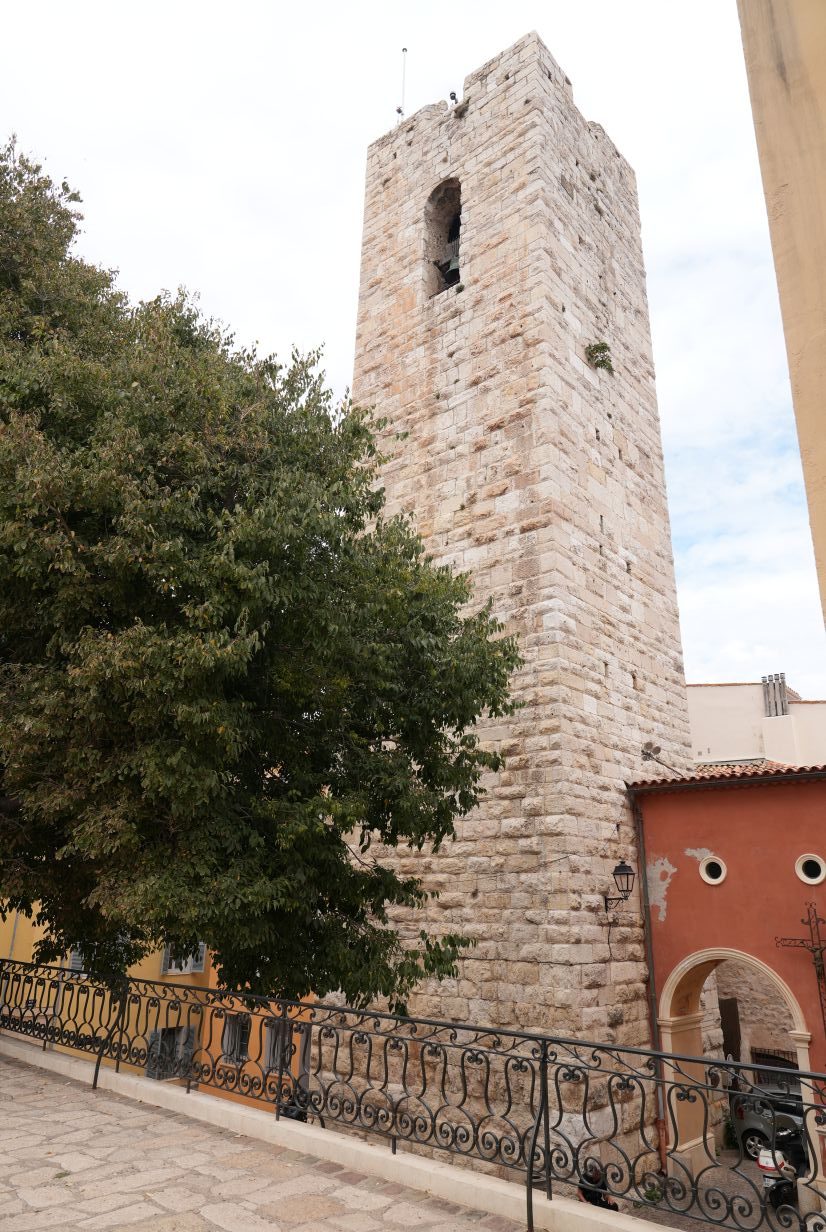
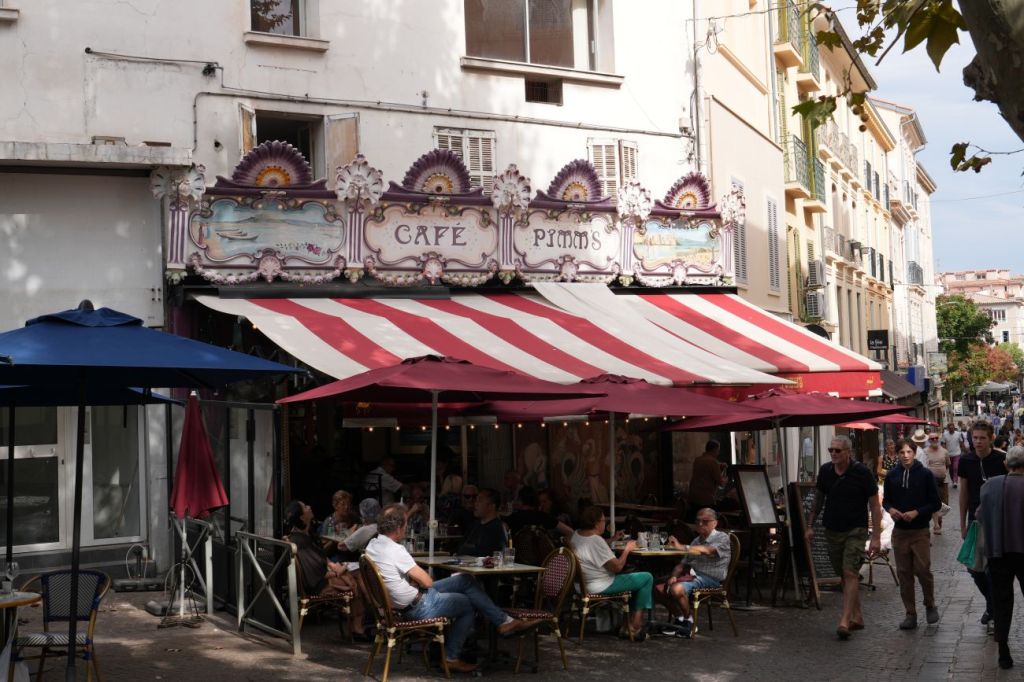
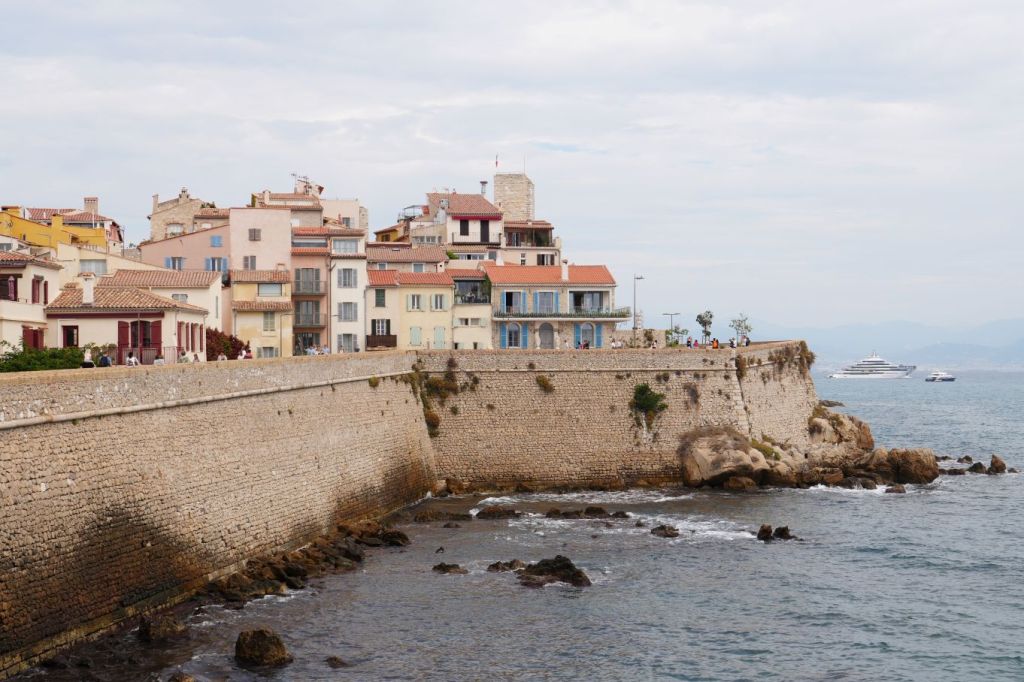
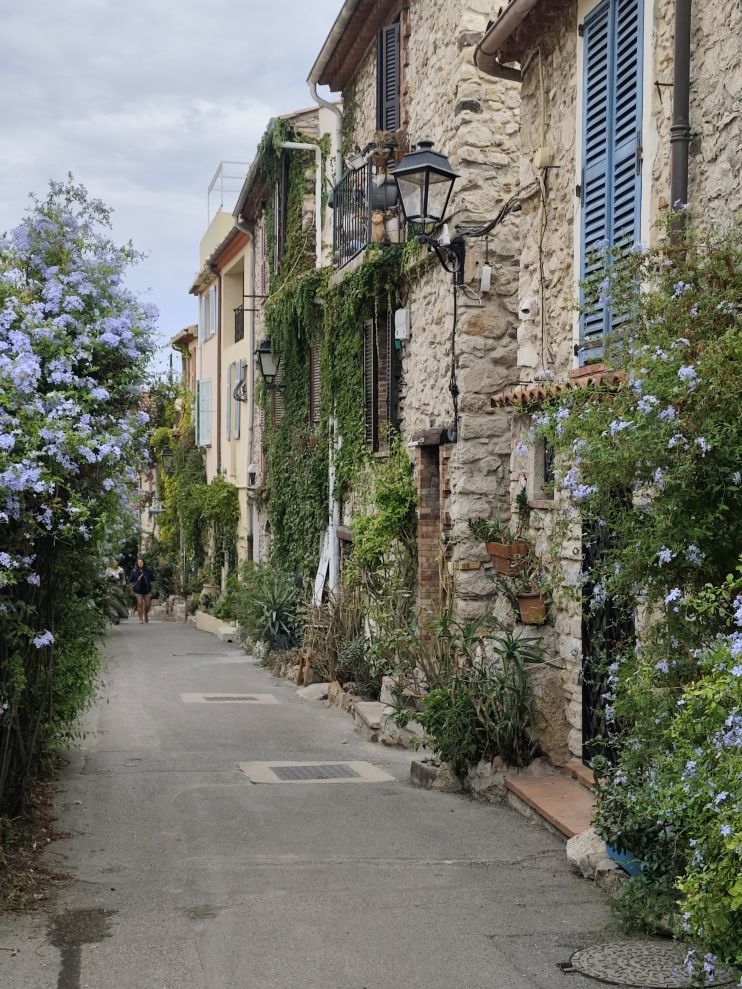
Interestingly, it was that natural harbor that first brought settlers here almost 3000 years ago, according to archaeological digs. They were followed by the Greeks and then the Romans, who built an amphitheater, aqueducts, and thermal baths. We were told to be on the lookout for Roman history, “hidden in plain sight,” since later residents used stones from these ruins to build their own homes plus the belltower beside the medieval Cathedral. We were now in the neighborhood called “Old Town,” aptly named for an area that’s been inhabited for millennia. Some of the streets were paved with cobblestones that resembled mosaics and there was an abundance of artists’ workshops and specialty boutiques. In the first paragraph above you can see rue du Haut Castelet.
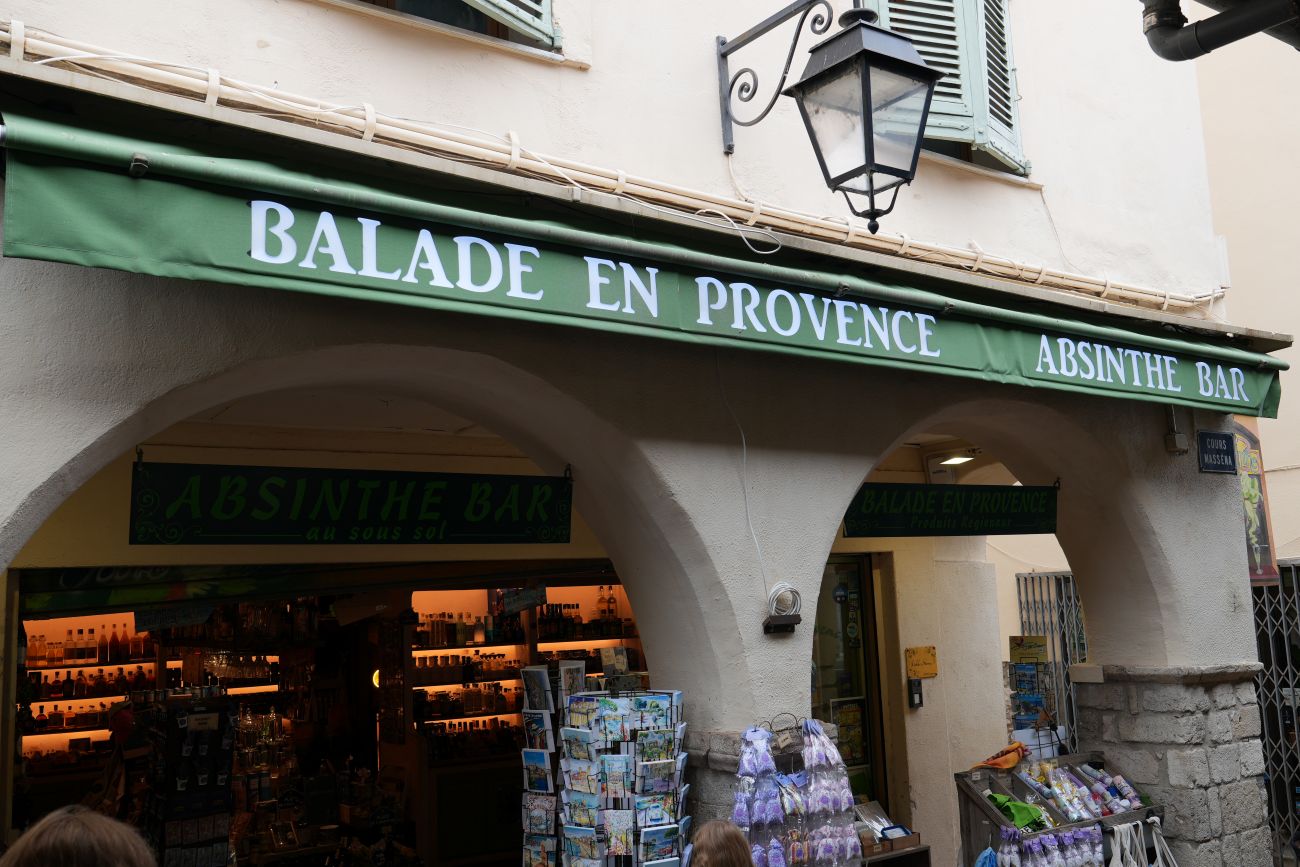
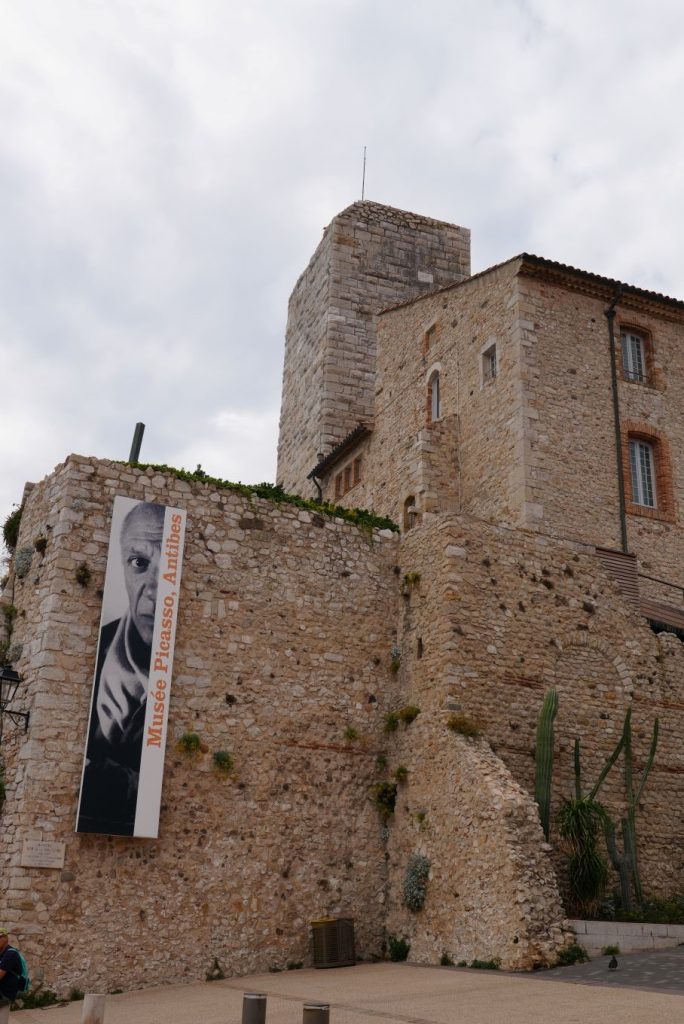
Keeping with the theme of seeking out hidden treasures, we found a bar…I mean the Museum of Absinthe, housed in an underground vaulted stone cellar, thought to be of Roman origin. You can try out up to 50 different types of the famous drink in an 1850s atmosphere when the “Green Fairy” was most popular. Back above ground and not far from there is a castle that uses “museum” in the more traditional sense in that it’s dedicated to the works of Pablo Picasso. The artist lived there in 1946 and left behind dozens of pieces of artwork to which have been added ceramics he created plus other items donated by his wife.
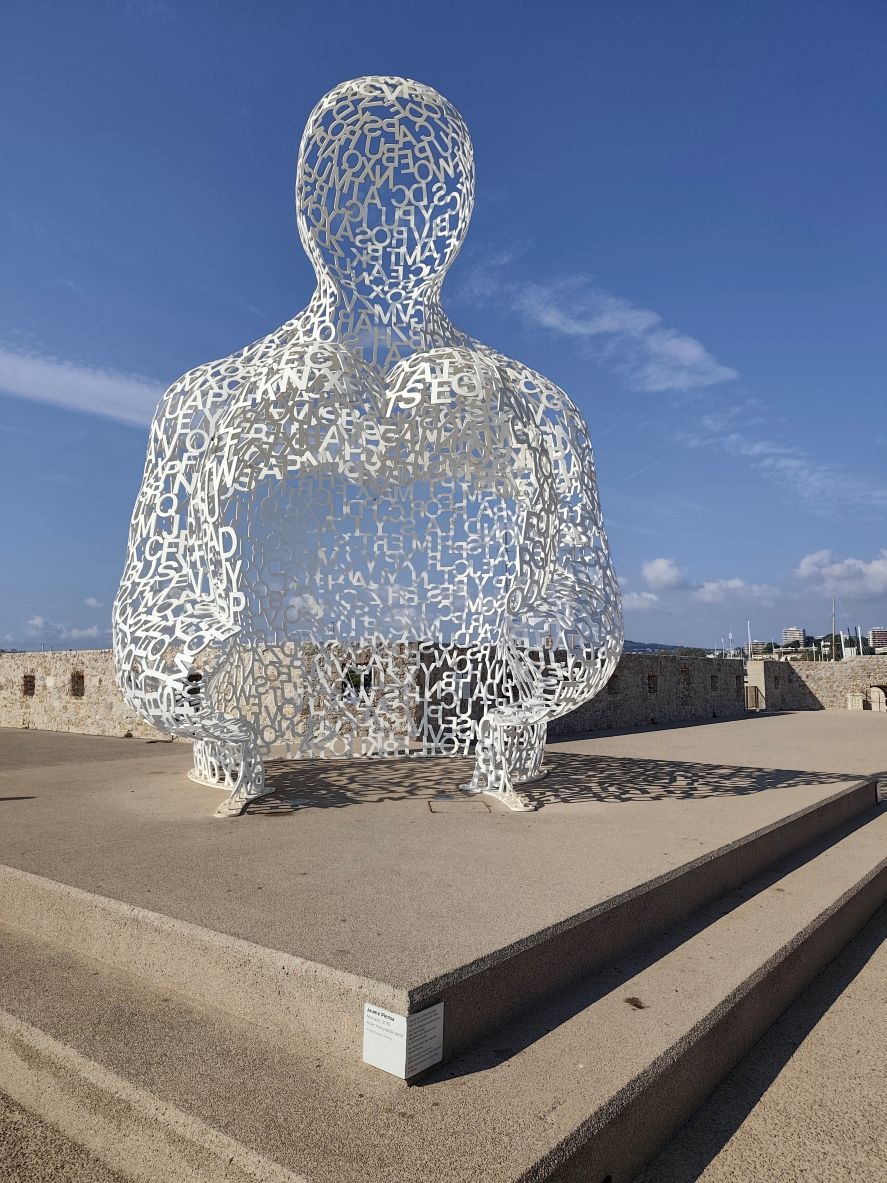
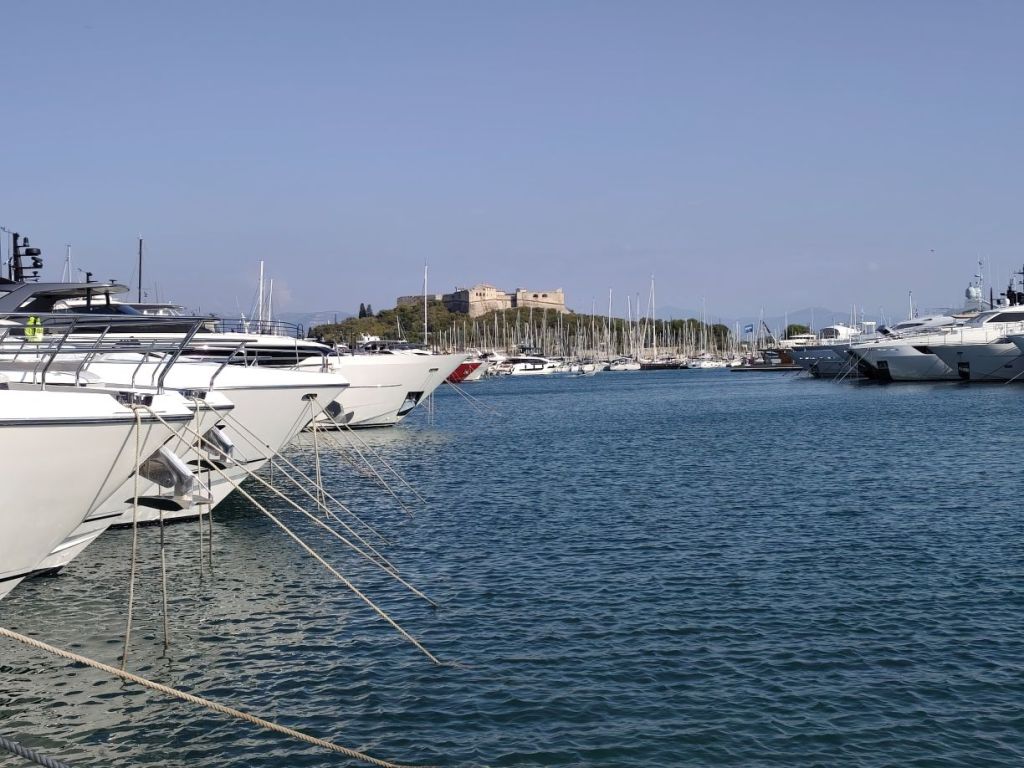
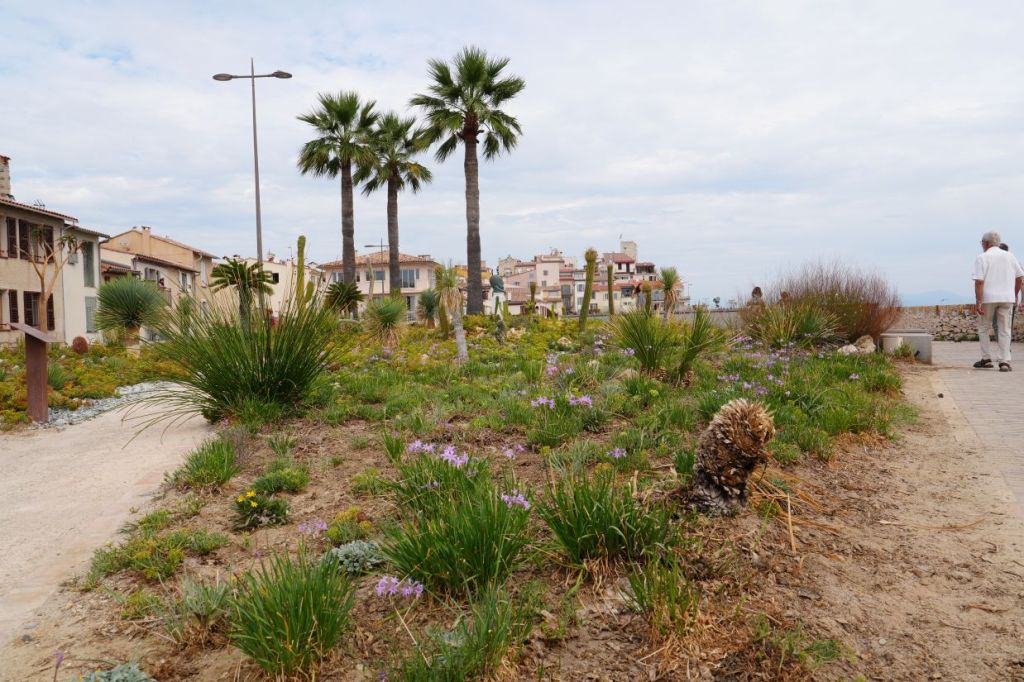
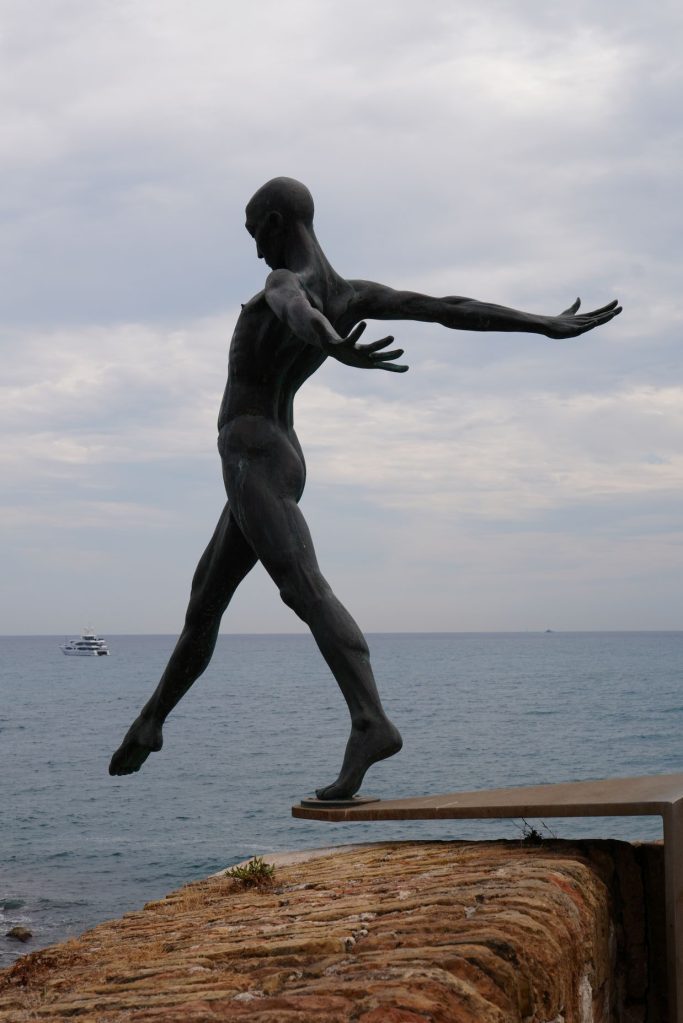
Fort Carré was originally built in the 16th century to guard the coast of Antibes, but it was the later structural enhancements by the Marquis de Vauban that earned this royal architect the naming rights to the harbor below. We had toured the fort 20 years ago, so on this trip we were happy to admire it from sea level with a view across the water. It’s there along the seafront that the city creates a seasonal outdoor art exhibit area with 2 statues permanently on display. Le Nomad by Jaume Plensa stands (or sits, really) 8 meters/26 feet high looking out on the Mediterranean. Further along is Le Défi by Nicolas Lavarenne, a bronze figure gracefully balancing on one foot between sea and shore.
We took advantage of our Provençal location to make a couple of close-by day trips: one to an artists’ enclave and the other to the town associated with the author of Le Petit Prince. That’s next time on the blog.