Never say Nevers + Moulins-sur-Allier

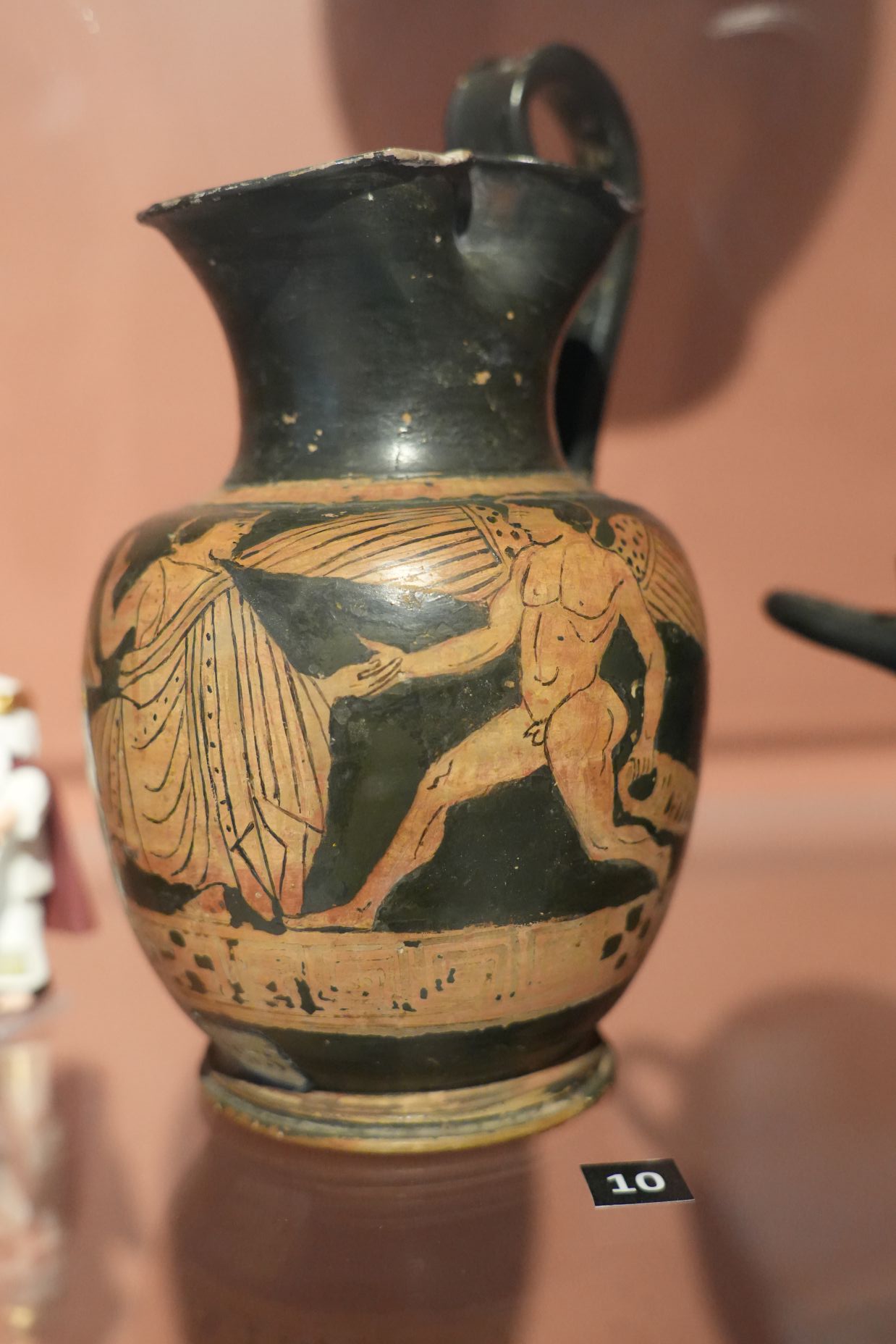
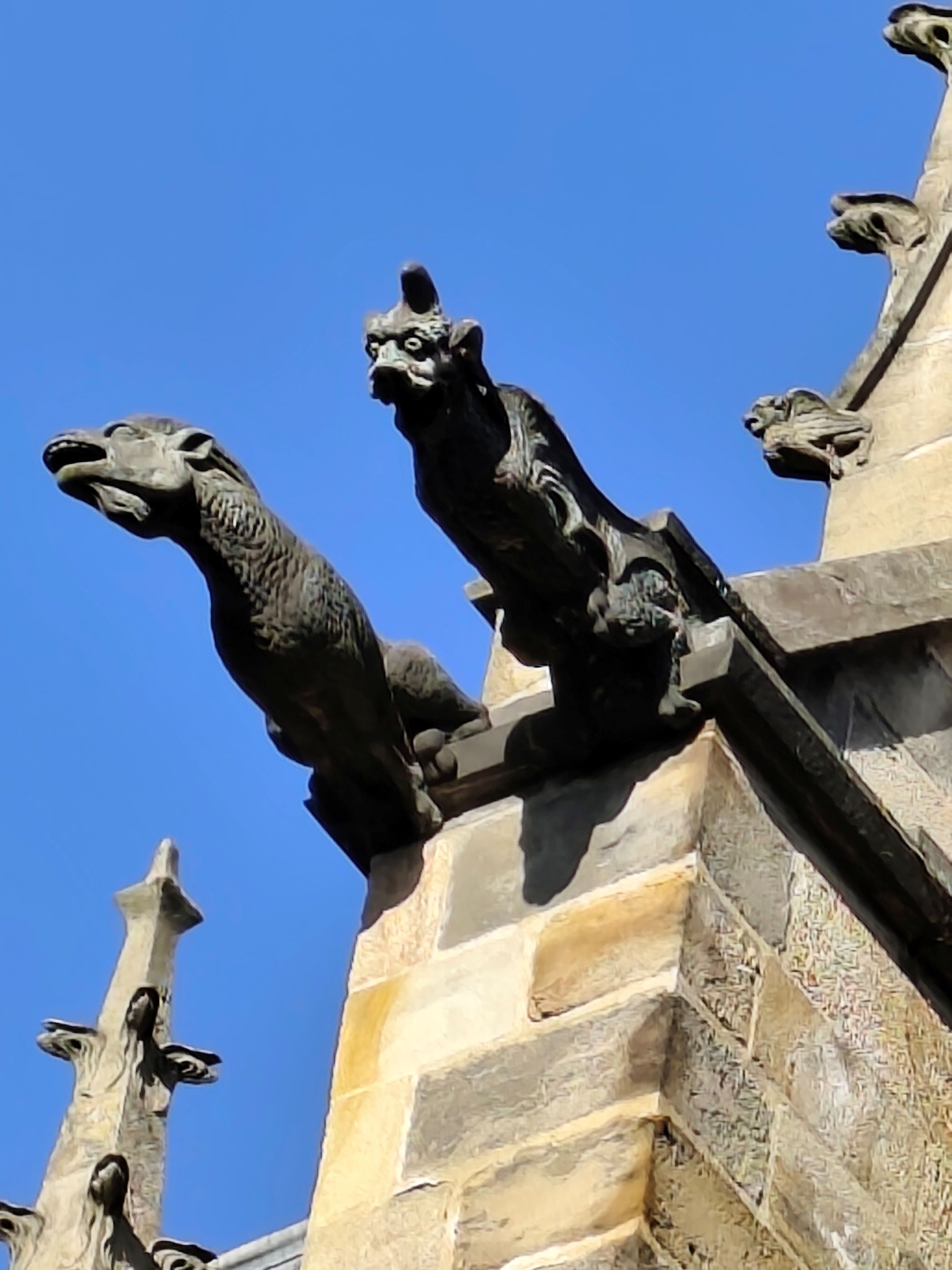
Someday we’ll have to publish a post about some of the French village names that sound funny to native English speakers. There could be a mature-audiences-only version but we’d prefer to keep it G-rated by including Sassy, Misery, or taking a train trip where you might be “Going to Die”. One dear to my heart, of course, would be seeing “Billy” that’s actually near the two towns in today’s post, although it no longer has an active station. Last week we talked about our time in Vichy and since we had the chance to take a couple of day trips it sounded like fun to visit a place called Nevers and how could we go wrong with what one guide calls Moulins: “a charming city that beautifully blends history, culture, and art.” These gargoyles agree.

Continue reading “Never say Nevers + Moulins-sur-Allier”

Voiron and Clelles

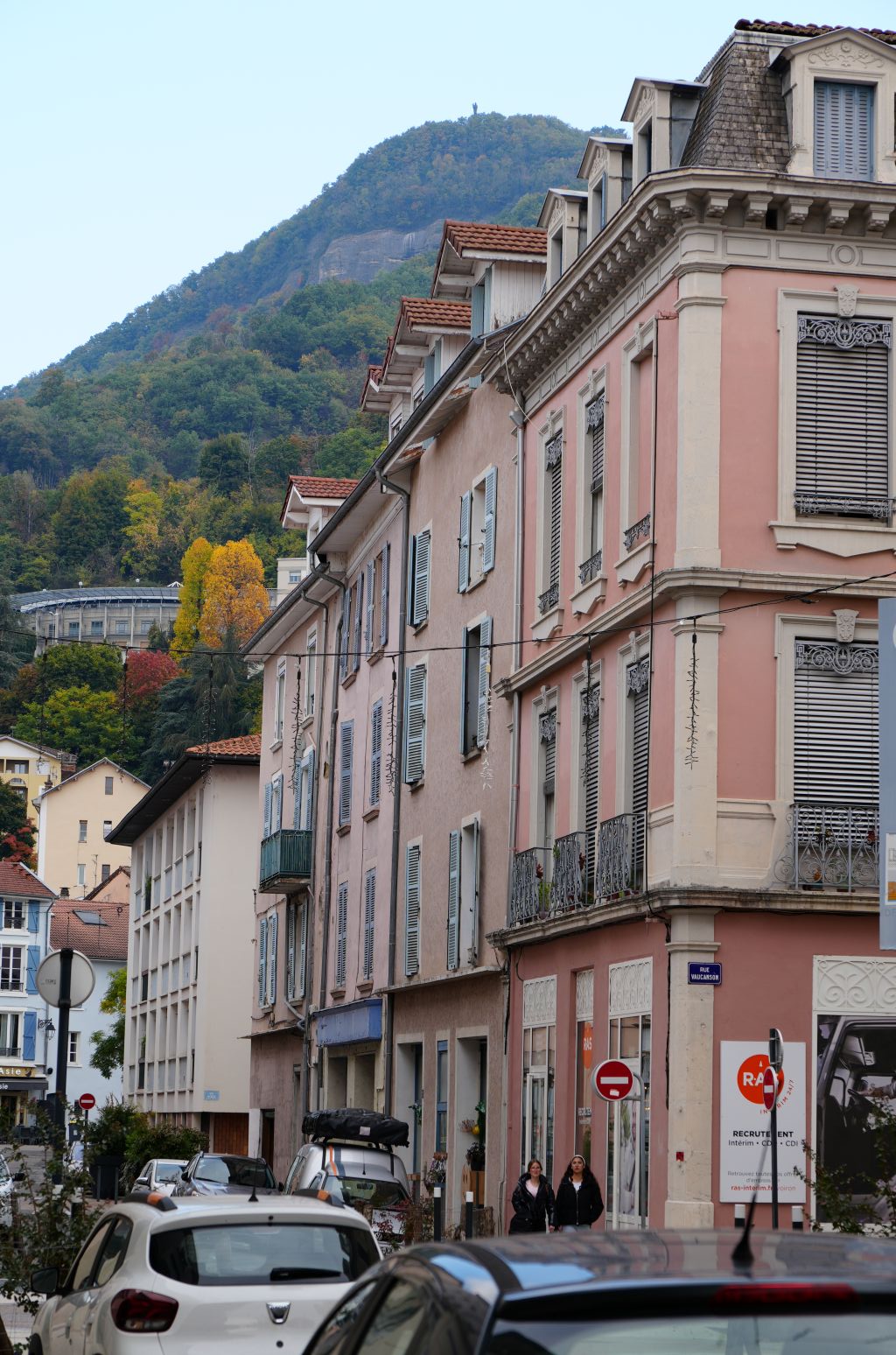
We live between two mountain ranges, the Pyrenees to the south and the Black Mountain to the north but we are seldom in either because there aren’t any rail tracks to take us there. If you saw last week’s blog post, you’ll know that we were spending the week in Grenoble, a city that is sometimes called the Capital of the Alps. Given that we were in the middle of one of the world’s most famous mountain ranges, it made sense to see where we could go by train. Although I can’t say that either of us knew anything about the towns of Voiron or Clelles (featured photo above, across the top), at least thanks to France TV we had an idea of the beautiful scenery we could expect to see.

Continue reading “Voiron and Clelles”

A monumental deal

Many internet sites agree that in France there are approximately 45,000 châteaux, a category that can include castles, manor houses, large estates, and smaller fortified residences. The French government has a formal, legal classification of Monuments Historiques that includes some of these châteaux plus, perhaps, another 40,000 historically significant churches, abbeys, prehistoric sites, Roman ruins, bridges, and fortifications, for example. Narrowing that down further, there are about 100 of these properties across the country that are managed by the Ministry of Culture’s Centre des Monuments Nationaux, and thanks to friends and blog readers J & D, we discovered a pass that gives us entrance to most of these, some of which are accessible by train.

Continue reading “A monumental deal”

Carcassonne of the north + a favorite village

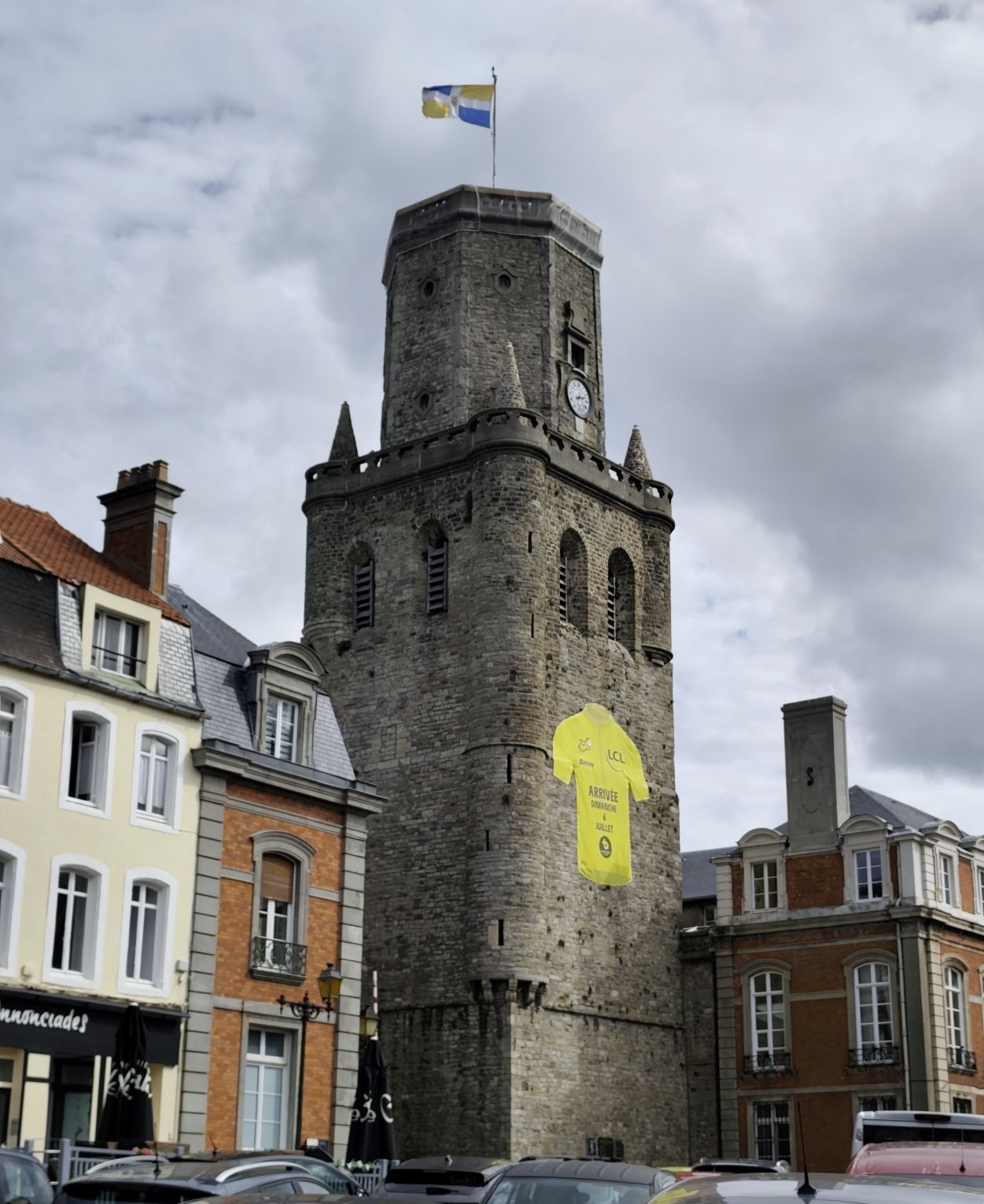
If you saw last week’s blog post you’ll know that we spent about a week on the northwest coast of France in the Pas-de-Calais departement in the city of Boulogne-sur-Mer. The object was to have some time to visit a part of the country that previously we’d only glimpsed from a railway carriage on our way from London to Paris, initially from a ferry port or years later after passing through the Channel Tunnel on the Eurostar. Once we’ve arrived in a city by train, our favorite method of transport is on foot, so we chose some destinations that were easily walkable from the station.

Continue reading “Carcassonne of the north + a favorite village”

Boulogne-sur-Mer + Wimereux

We knew of Boulogne-sur-Mer because on trips from the US to England years ago, it’s where we would arrive by ferry whenever we could “sneak” across the channel to get a taste of France. Once the Channel Tunnel opened, however, taking a train directly from London to Paris in a little over 2 hours, and maybe back that same evening, just made more sense. In those days, whether by ferry and train or later just by train, our destination was always the capital, so that coastal part of the country, known as Pas-de-Calais, remained unexplored by us. Now that we live here, there was time to go back to see what we had been missing in the port city and in the surrounding area.

Continue reading “Boulogne-sur-Mer + Wimereux”

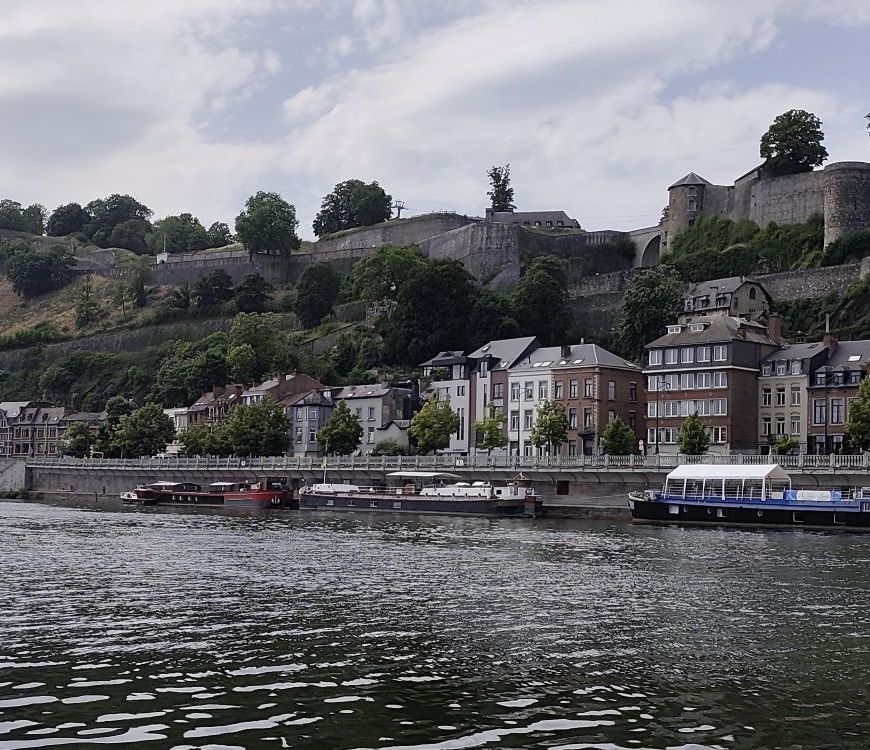
We siege Liege & Namur

A bit of poetic license gives us today’s title since the Belgian city of Liège actually has an accent grave but “siege” is a true part of its history. Given that there’s evidence of 9000 years of human habitation in the city, there have been plenty of opportunities for invaders to take over, notably in the 15th century and again in WWI. All of those conflicts meant that much of the city has been destroyed over the centuries yet museums have flourished to maintain a link to the past. The guidebook we were following suggested starting with the cathedral since it was one structure that has remained fairly intact and can provide a tangible historic connection.

Continue reading “We siege Liege & Namur”

Dinant, Belgium in 1 day

After a few days in Luxembourg we took the train across the border into Belgium to explore some cities there. We started with the one that a guidebook described as, “visually stunning” with the bonus of being the hometown of the inventor of the saxophone—an instrument that I played (badly) a long time ago. How could we resist? But with this being Belgium there were bound to be other temptations too such as chocolate, beer, waffles, and fries and we went in search of a local speciality—Couque de Dinant.

Continue reading “Dinant, Belgium in 1 day”